
Agentic AI and Workflow Automation
We build autonomous agents that reason through tasks, use business tools, and act across connected systems, escalating decisions that need human approval.
Trusted by organizations that depend on technology







Selected Work
See how Tech.us engineers systems around real business workflows, data, users, and operating constraints.
View All Case Studies
A precast concrete manufacturer partnered with Tech.us to bring AI into the estimating workflow. The system uses OCR, computer vision, and generative AI to identify, extract, and visualize structures, pipes, and components from complex construction drawings.
Read the Case Study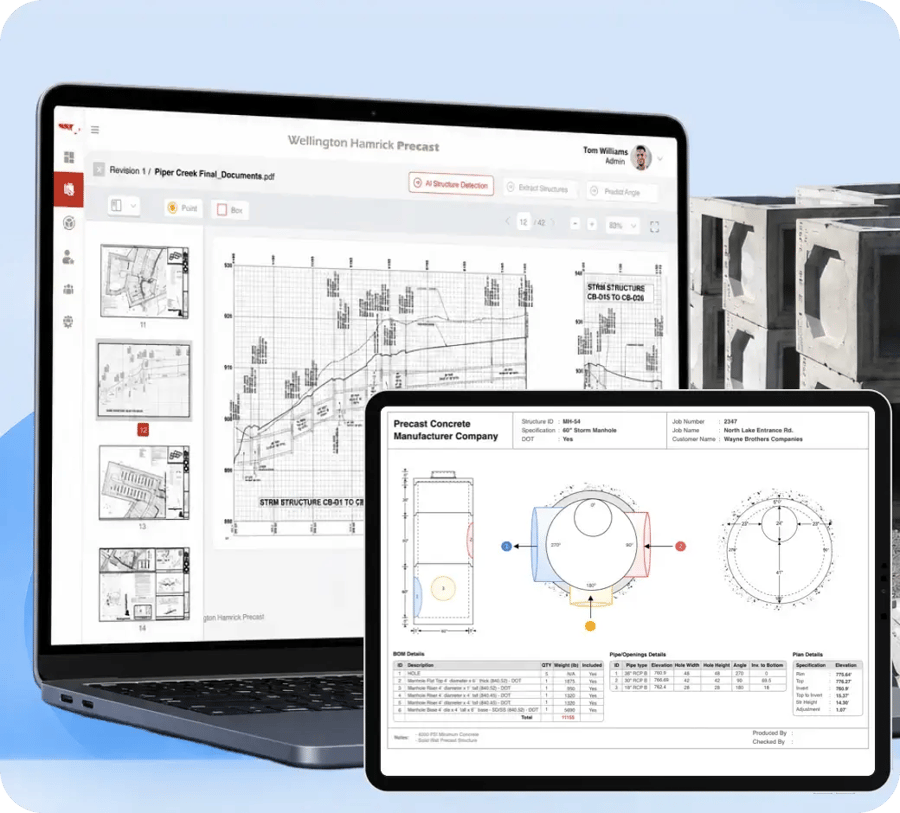

SkyHawk by TELUS needed a streamlined mobile experience for its Connect Anywhere platform. Tech.us built the core experience around real-time asset tracking, fleet activity, secure configuration, and map-based operational visibility.
Read the Case Study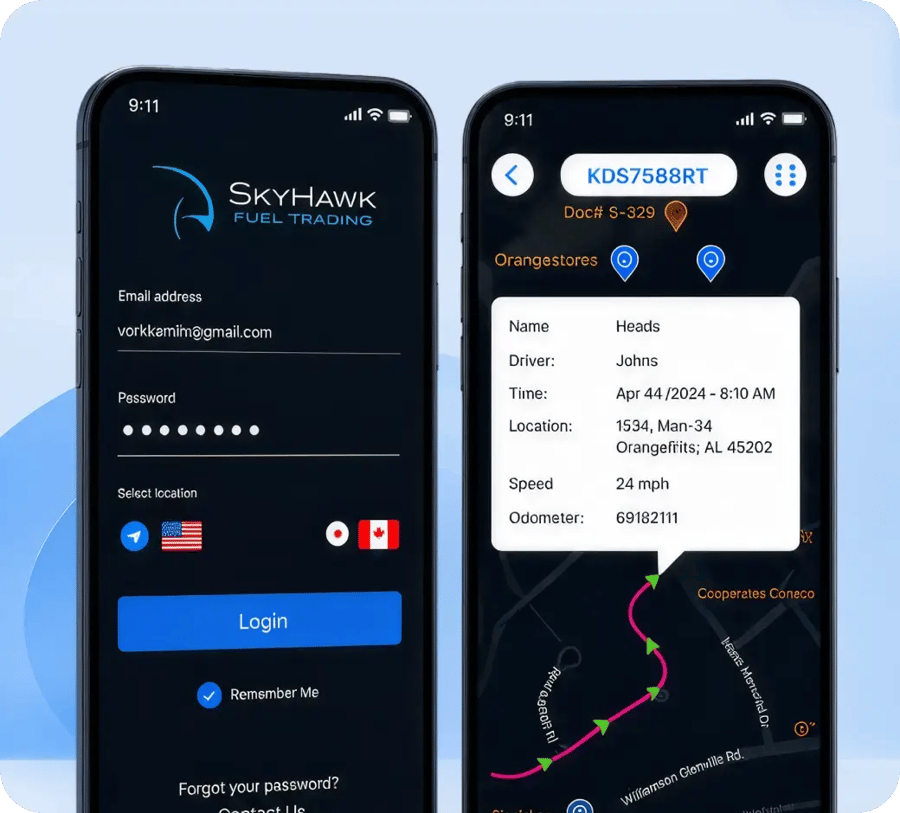

Tech.us helped bring Wealth Mastery to life as a digital platform that puts personalized financial planning tools directly in users' hands while supporting a large and growing audience.
Read the Case Study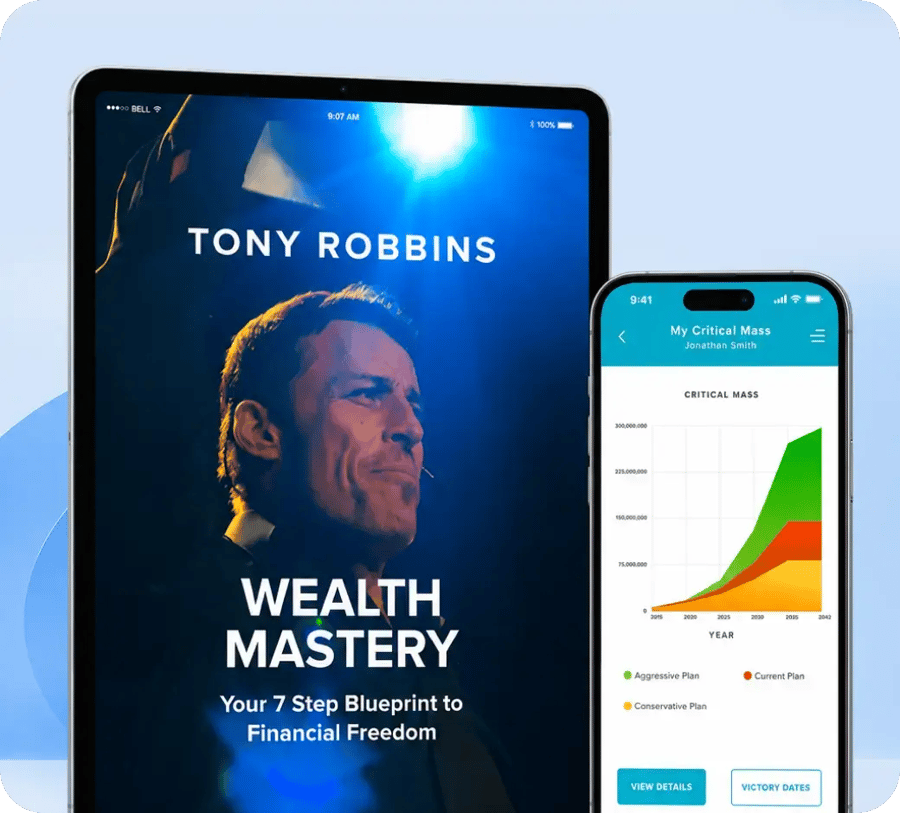
Why Tech.us
Many AI projects struggle because of the engineering around the model rather than the model itself. That is the work we are built for.
A large share of AI failure happens when a technically capable system solves a problem adjacent to the one the business has. We separate the capabilities that get confused with one another before development begins.
Our guardrails and governance frameworks are built by us rather than held purely as third-party dependencies. If your environment requires a change, we adapt the layer directly instead of waiting on an upstream provider.
On-premise and private-cloud deployment lets organizations use AI without automatically sending regulated information outside their infrastructure. We address that through architecture rather than through policy about how an external service should behave.
Where a leading proprietary or open-source model already fits, we adapt it. Where domain accuracy, privacy, or operating cost demands it, we train or fine-tune our own. The choice follows the use case.
Code written with AI assistance passes human review before it reaches a client system. Faster authorship does not move accountability for what ships.
Moving a proof of concept into production, integrating it with real workflows, and keeping it reliable is a different discipline from building it. Across more than 1,500 projects and 26 years, production delivery is the stage we have handled repeatedly.

Industries
The AI opportunity in healthcare looks very different from the one in manufacturing or financial services. We build around the problems that matter within each industry rather than applying the same use case everywhere.
Explore All Industries Healthcare
We build medical imaging AI for oncology and radiology, with additional applications in pathology and cardiology, alongside AI-assisted reporting and patient intake copilots. These are decision-support tools that reduce administrative effort while keeping clinical judgment with healthcare professionals.
Explore Healthcare
Healthcare
We build medical imaging AI for oncology and radiology, with additional applications in pathology and cardiology, alongside AI-assisted reporting and patient intake copilots. These are decision-support tools that reduce administrative effort while keeping clinical judgment with healthcare professionals.
Explore Healthcare
 Financial Services and Insurance
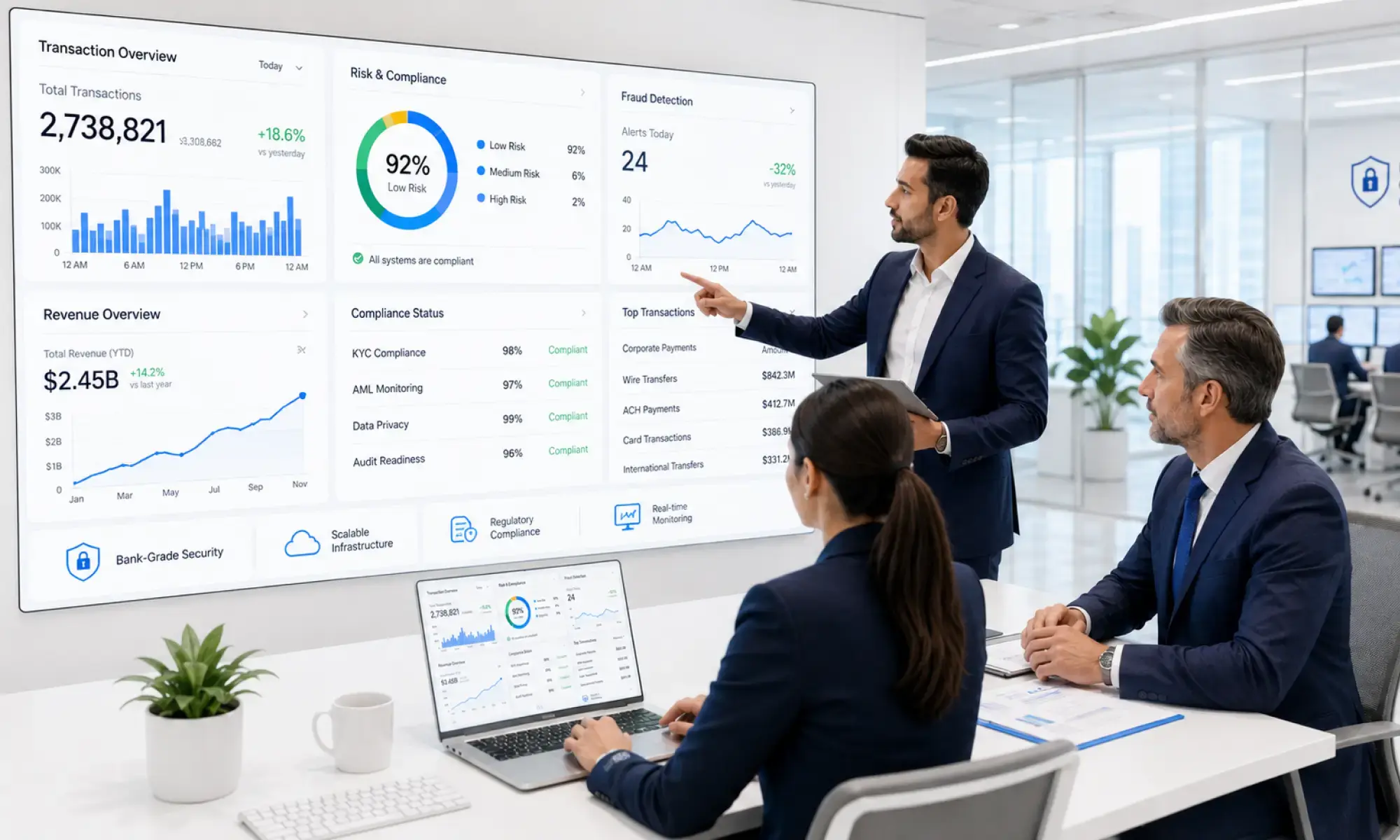
We develop document intelligence for intake and claims workflows, and models that evaluate risk while transactions are still active. Private deployment allows regulated information to remain inside the organization's own environment where required.
Explore Financial Services and Insurance
Financial Services and Insurance
We develop document intelligence for intake and claims workflows, and models that evaluate risk while transactions are still active. Private deployment allows regulated information to remain inside the organization's own environment where required.
Explore Financial Services and Insurance
 Manufacturing
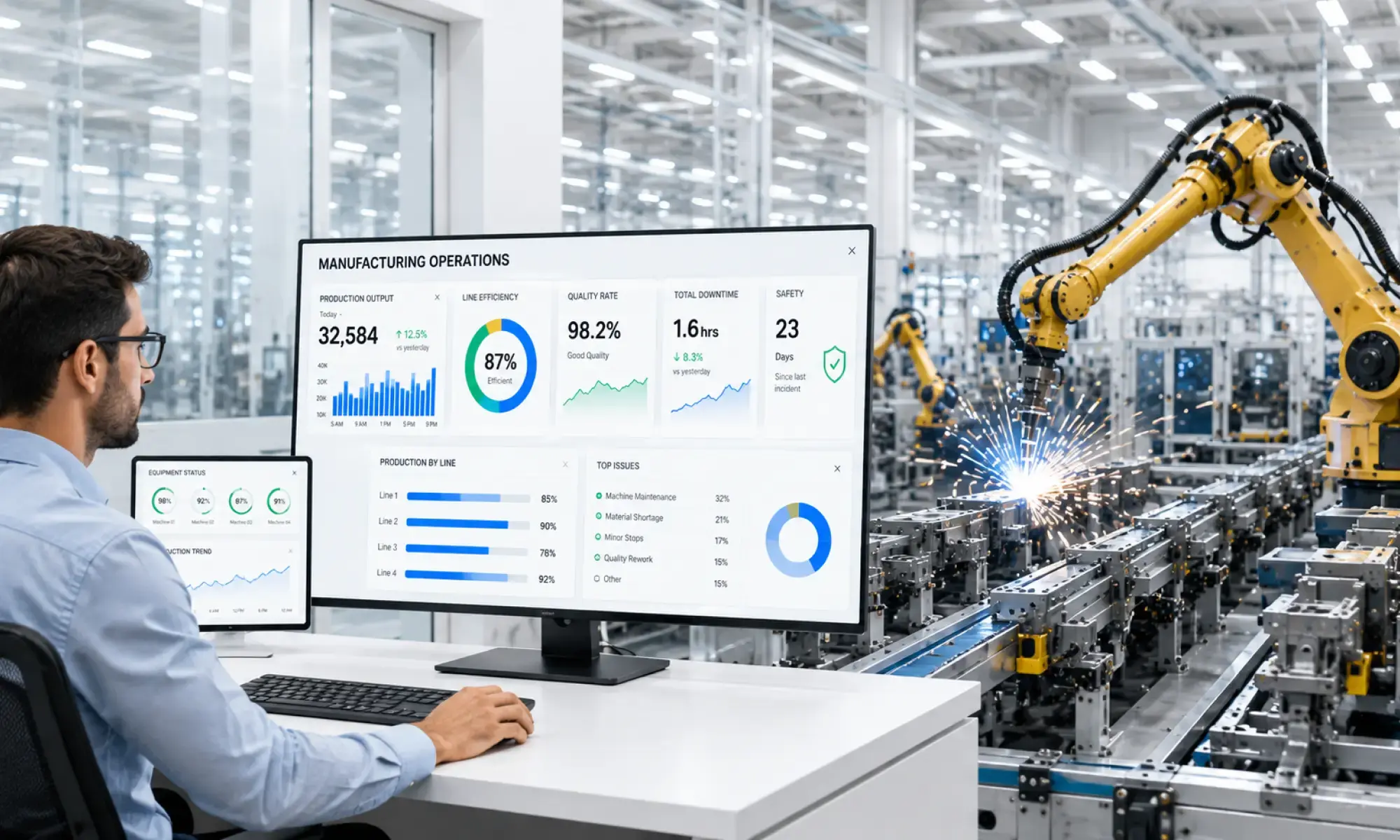
We use computer vision to identify product defects and monitor workplace safety conditions. Predictive models analyze equipment telemetry so teams can respond to developing problems before a failure becomes production downtime.
Explore Manufacturing
Manufacturing
We use computer vision to identify product defects and monitor workplace safety conditions. Predictive models analyze equipment telemetry so teams can respond to developing problems before a failure becomes production downtime.
Explore Manufacturing
 Retail and E-Commerce
We build visual search and automated tagging for large product catalogs, with image enhancement supporting visual asset quality. Demand forecasting models convert sales history into forecasts teams can use for inventory and ordering decisions.
Explore Retail and E-Commerce
Retail and E-Commerce
We build visual search and automated tagging for large product catalogs, with image enhancement supporting visual asset quality. Demand forecasting models convert sales history into forecasts teams can use for inventory and ordering decisions.
Explore Retail and E-Commerce
 Construction
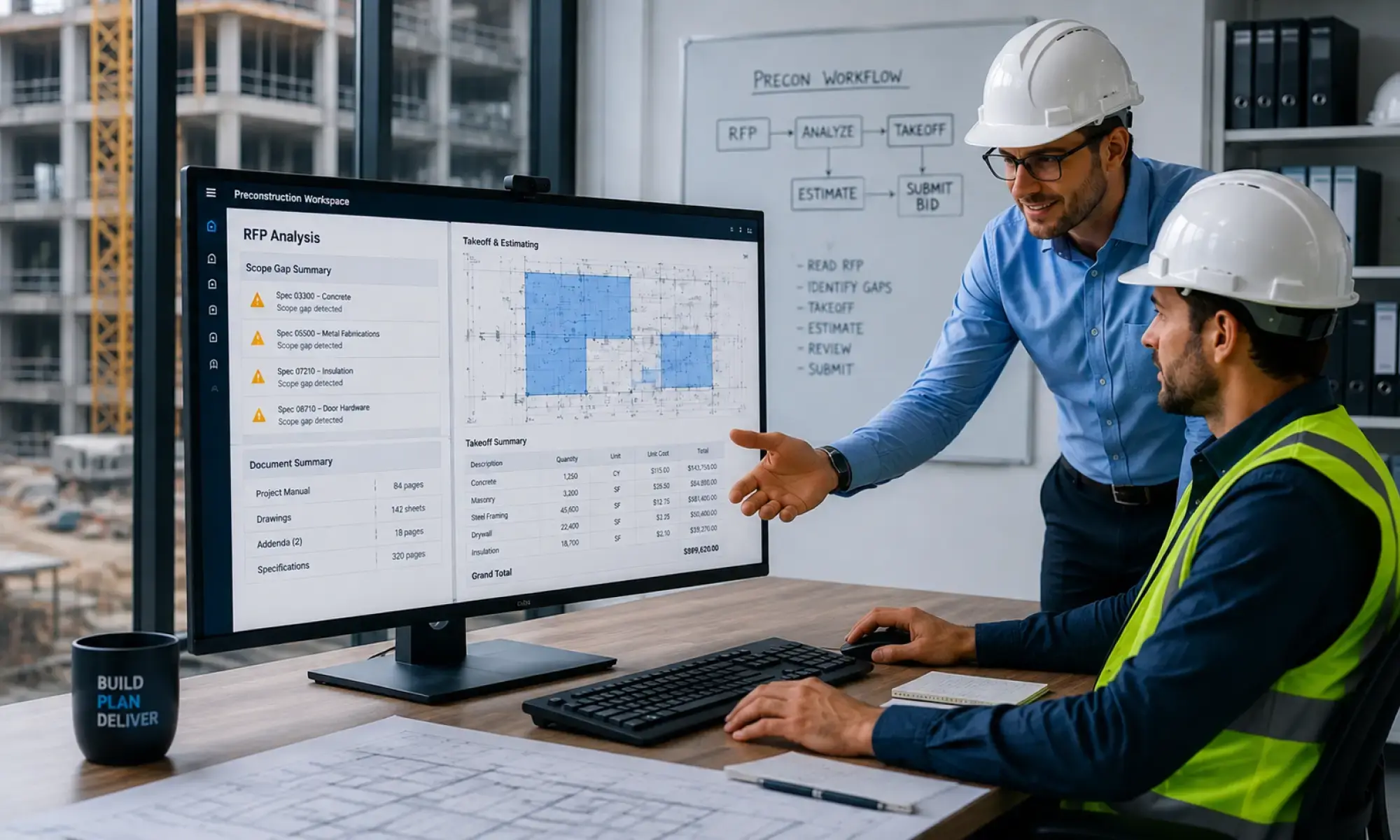
We develop systems that interpret drawings and site imagery and automate information-intensive workflows, including automated takeoff, where work that once required days of manual effort can be compressed substantially.
Explore Construction
Construction
We develop systems that interpret drawings and site imagery and automate information-intensive workflows, including automated takeoff, where work that once required days of manual effort can be compressed substantially.
Explore Construction
 Transportation & Logistics
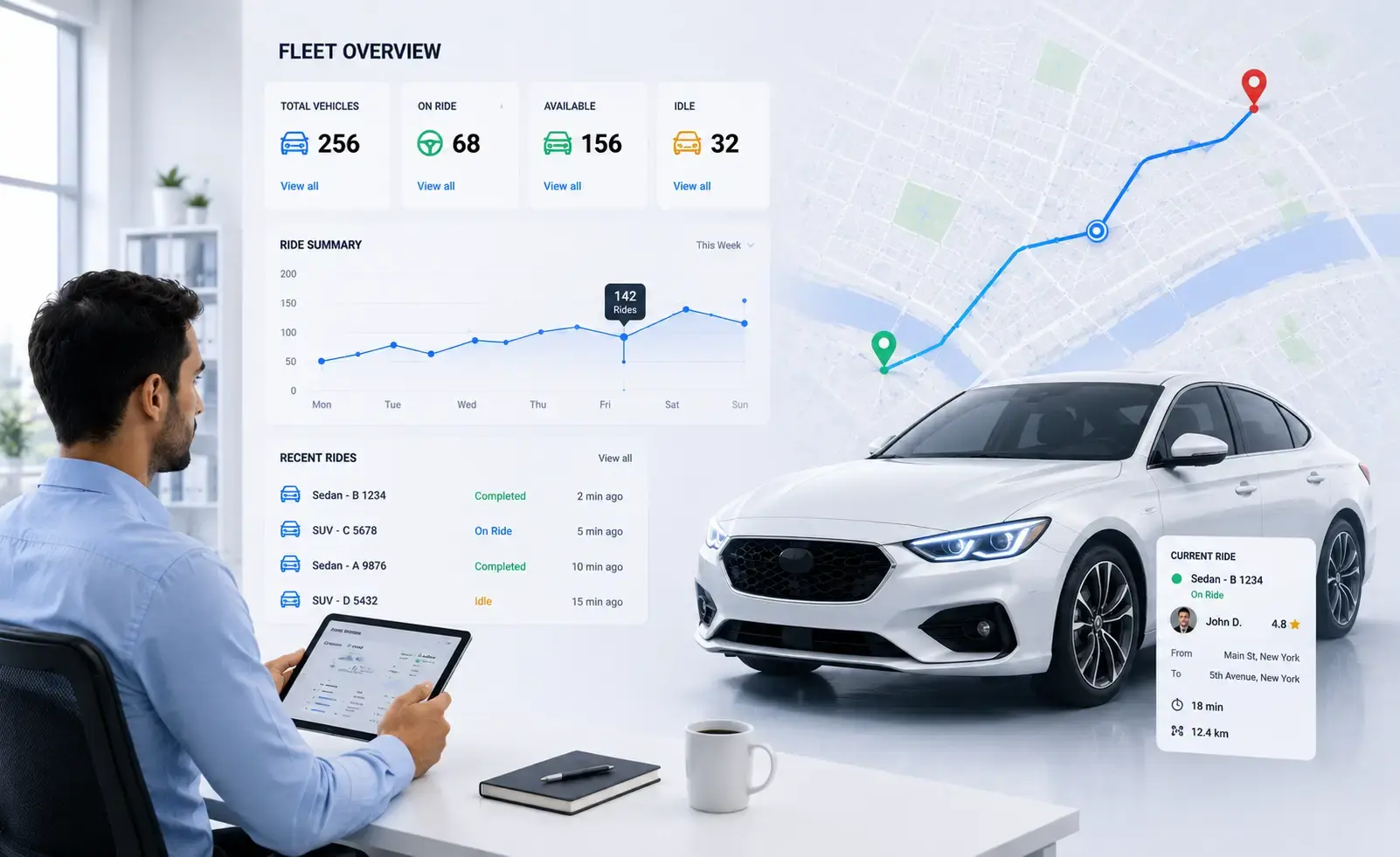
We build document intelligence for shipping paperwork and customs documentation, and predictive models over fleet and telematics data that support routing, maintenance, and exception handling.
Explore Transportation & Logistics
Transportation & Logistics
We build document intelligence for shipping paperwork and customs documentation, and predictive models over fleet and telematics data that support routing, maintenance, and exception handling.
Explore Transportation & Logistics
RECOGNITION
Tech.us has been recognized by leading industry platforms for its work across artificial intelligence and custom software development.
.webp)
.webp)
TECH STACK
We work across commercial and open-weight models, agent frameworks and orchestration, retrieval and vector search, document and vision models, speech recognition and synthesis, fine-tuning and serving infrastructure, and the guardrail and observability tooling that keeps a system measurable in production.
Selection follows the architecture the use case calls for, accuracy on your own material, cost at your volume, where data is permitted to be processed, and what your team can maintain. Where a production-grade tool falls short, we extend it with our own frameworks.
Agentic AI & Orchestration
 Agentic AI
 AI Agents
 Multi-Agent Systems
 Agentic Workflow Automation
 Model Context Protocol (MCP)
 Agent-to-Agent Protocol (A2A)
 Agent Memory and Reasoning
Generative AI & Foundation Models
 Large Language Models
 GPT
GPT
 Claude
 Gemini
 Llama
Llama
 Generative AI
 Multimodal Foundation Models
 Diffusion Models
 Small Language Models
 Model Fine-Tuning
 Prompt & Context Engineering
Machine Learning & Deep Learning
 Machine Learning
 Deep Learning
 Predictive Analytics
 Recommendation Systems
 Anomaly Detection
 Time-Series Analysis
Data & AI Platforms
 AI-Ready Data Platforms
 Data Lakes and Lakehouse
 Data Engineering
AI Frameworks & Libraries
 PyTorch
 TensorFlow
 Scikit-learn
 Hugging Face Transformers
 LangChain
 LangGraph
MLOps, LLMOps & AgentOps
 MLOps
MLOps
 LLMOps
 AgentOps
 Model Deployment and Serving
 Agent Deployment
 Model and Agent Observability
 Prompt and Response Tracing
 AI Cost Optimization
AI Evaluation, Safety & Governance
 LLM Evaluations
Agent Evaluations
LLM Evaluations
Agent Evaluations
 RAG Evaluations
 AI Guardrails
 Prompt-Injection Protection
 Red Teaming
 Responsible AI
 AI Governance
Cloud AI Technologies
Google Cloud
 Vertex AI
Gemini Models
Vertex AI
Gemini Models
 Agent Studio
 Vertex AI Agent Builder
 Agent Development Kit
 Vertex AI Vector Search
 Google Cloud Document AI
 Google Cloud Vision AI
Microsoft Azure
 Microsoft Foundry
 Microsoft Copilot Studio
 Microsoft Agent Framework
 Azure AI Document Intelligence
 Azure AI Speech and Vision
 Microsoft Fabric
 Microsoft Purview
Language, Vision, Speech & Document AI
 NLP, NLU and NLG
STT, TTS and ASR
NLP, NLU and NLG
STT, TTS and ASR
 Conversational AI
 Document Intelligence
 Computer Vision
RAG, Search & Knowledge Systems
 Enterprise RAG
 Agentic RAG
 Multimodal RAG
 Enterprise Search
 Semantic & Hybrid Search
 Vector Databases
 Knowledge Graphs
 Reranking and Retrieval Optimization