
ML Strategy & Feasibility Assessment
We identify decisions worth modeling, evaluate the available data, define success metrics, and determine whether machine learning is technically and economically appropriate.
Trusted by organizations that depend on technology







WHY TECH.US FOR MACHINE LEARNING
The goal is not to build a more sophisticated model. It is to improve a specific decision or process with evidence that the model performs better than the current approach.
Real business data is incomplete, inconsistent, distributed, and shaped by past processes. We assess that reality early so feasibility, scope, and expectations remain credible.
A model needs applications, APIs, workflows, infrastructure, interfaces, permissions, and support. Tech.us can engineer the complete production system instead of handing over a model artifact.
AI can accelerate development, but it does not own the engineering result. Human review is required before AI-generated code is accepted into a client system.
Production monitoring, evaluation, versioning, retraining, and rollback are part of the operating model—not an afterthought added when performance declines.
We select methods, frameworks, platforms, and cloud services based on the use case, data, performance, interpretability, security, maintainability, and deployment requirements.

INDUSTRY EXPERIENCE
The technology must fit the environment. We account for the workflows, systems, data, regulations, and human decisions that determine whether a solution succeeds in practice.
Explore All Industries Healthcare
Support risk identification, capacity planning, operational forecasting, document classification, and other decisions where performance, privacy, and explainability matter.
Explore Healthcare
Healthcare
Support risk identification, capacity planning, operational forecasting, document classification, and other decisions where performance, privacy, and explainability matter.
Explore Healthcare
 Financial Services & Insurance
Assist with fraud detection, risk scoring, claims and underwriting analysis, document classification, forecasting, and case prioritization—with controls aligned to the consequence of the decision.
Explore Financial Services & Insurance
Financial Services & Insurance
Assist with fraud detection, risk scoring, claims and underwriting analysis, document classification, forecasting, and case prioritization—with controls aligned to the consequence of the decision.
Explore Financial Services & Insurance
 Retail & Supply Chain
Forecast demand, optimize inventory decisions, rank products and offers, identify customer behavior patterns, and surface supply-chain exceptions.
Explore Retail & Supply Chain
Retail & Supply Chain
Forecast demand, optimize inventory decisions, rank products and offers, identify customer behavior patterns, and surface supply-chain exceptions.
Explore Retail & Supply Chain
 Manufacturing
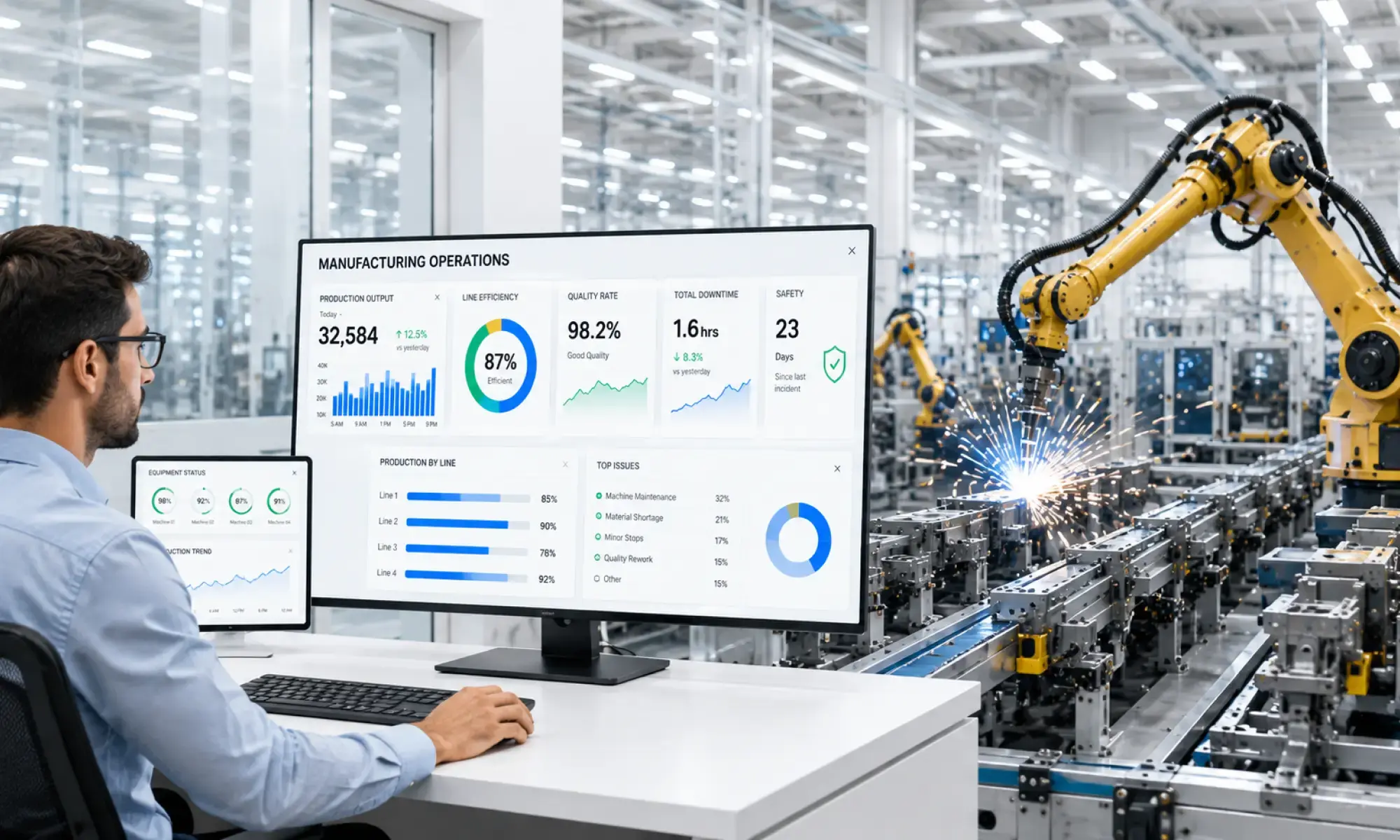
Predict maintenance needs, detect quality issues, analyze production conditions, forecast throughput, and identify operational anomalies.
Explore Manufacturing
Manufacturing
Predict maintenance needs, detect quality issues, analyze production conditions, forecast throughput, and identify operational anomalies.
Explore Manufacturing
 Construction
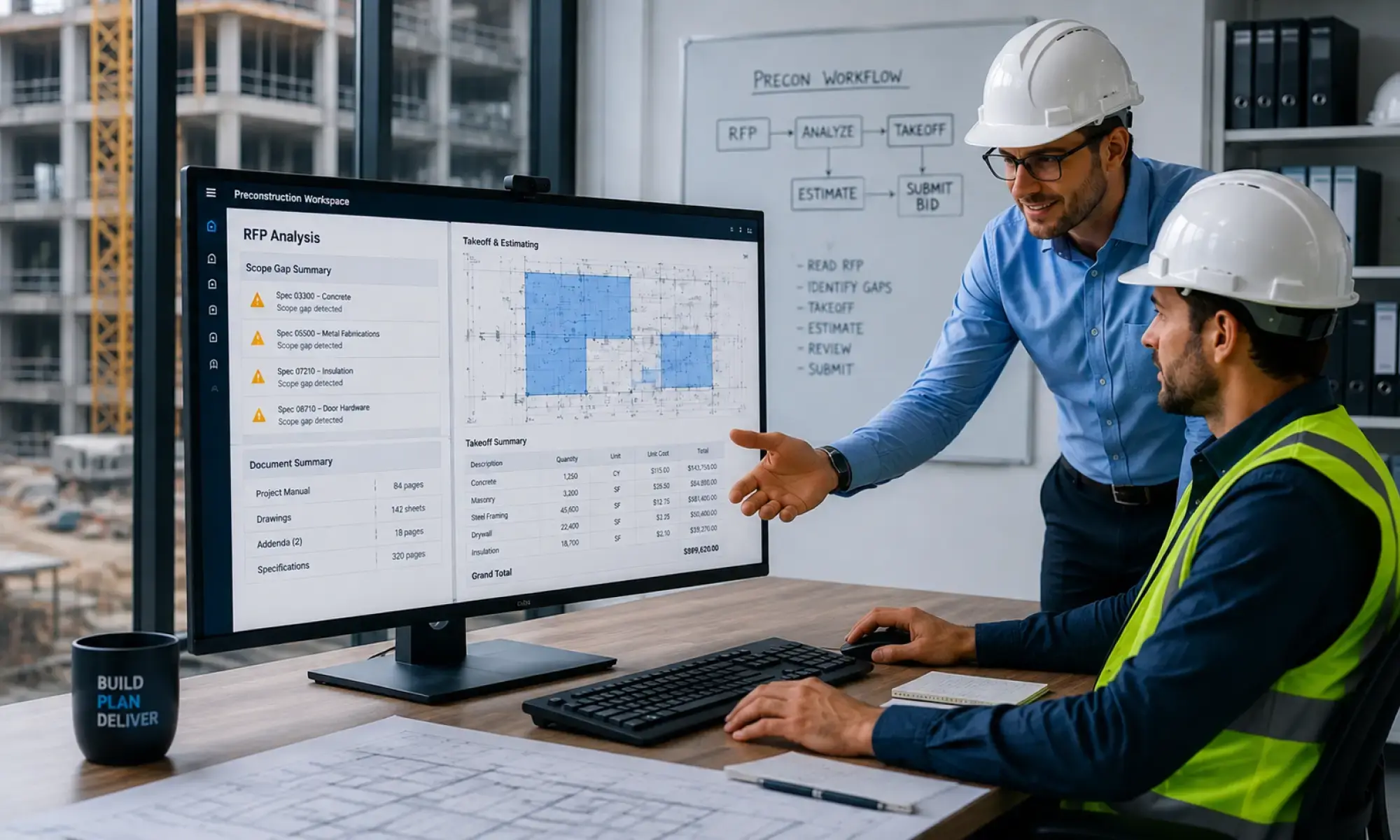
Extract information from drawings and documents, forecast project cost or risk, classify project records, and identify patterns across estimates and execution data.
Explore Construction
Construction
Extract information from drawings and documents, forecast project cost or risk, classify project records, and identify patterns across estimates and execution data.
Explore Construction
 Transportation & Logistics
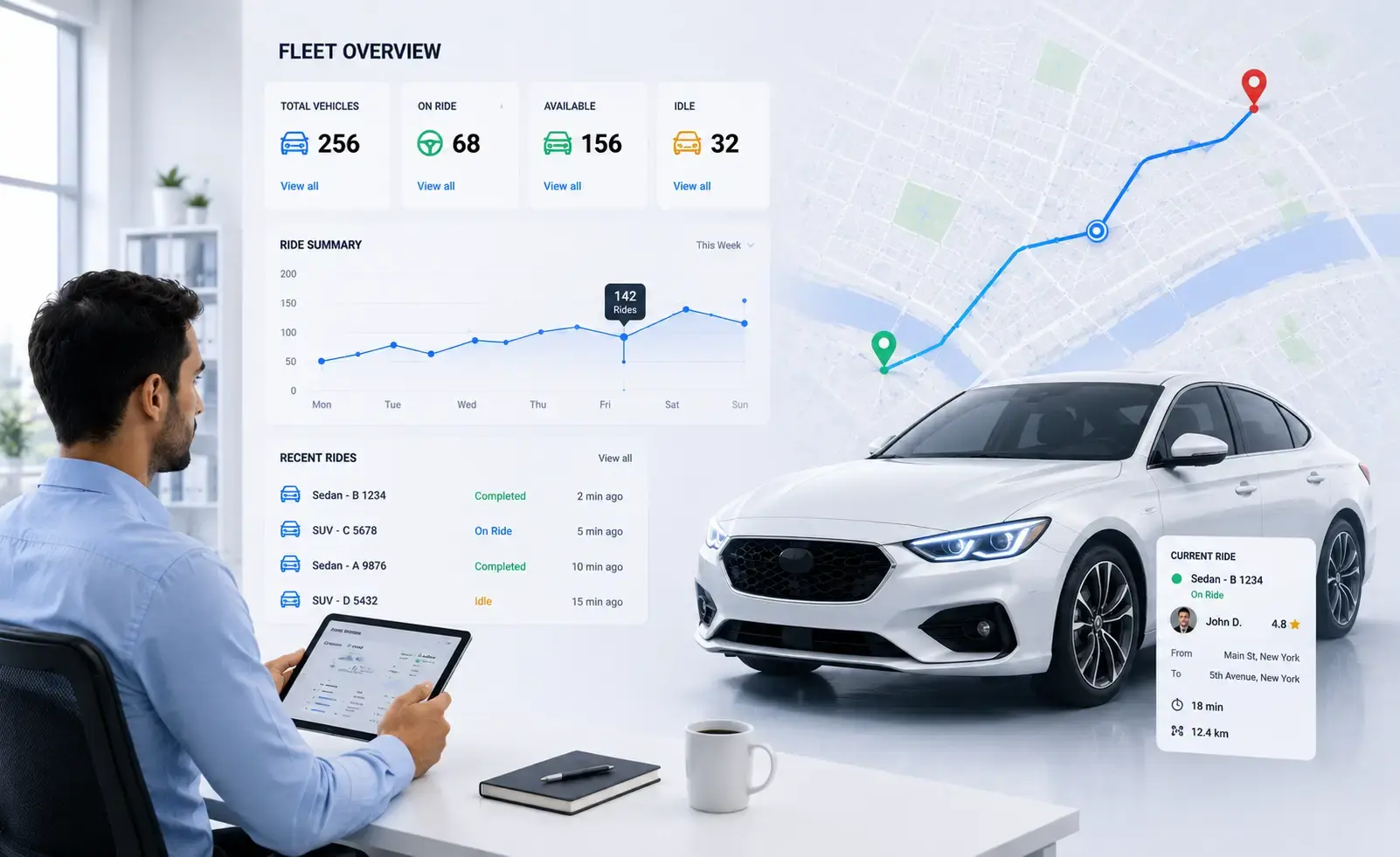
Support route and demand forecasting, fleet analysis, asset monitoring, customer-feedback classification, risk detection, and operational planning.
Explore Transportation & Logistics
Transportation & Logistics
Support route and demand forecasting, fleet analysis, asset monitoring, customer-feedback classification, risk detection, and operational planning.
Explore Transportation & Logistics
Selected Work
Machine Learning Applied to Real Operations
View All Case Studies
A precast concrete manufacturer partnered with Tech.us to bring AI into the estimating workflow. The system uses OCR, computer vision, and generative AI to identify, extract, and visualize structures, pipes, and components from complex construction drawings.
Read the Case Study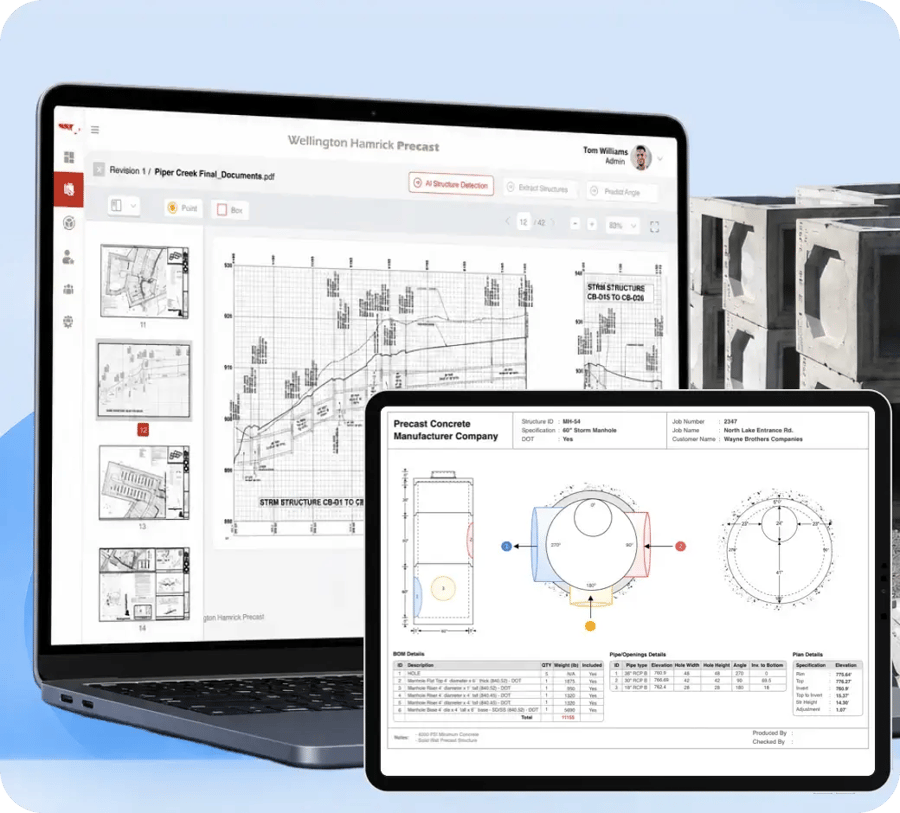

SkyHawk by TELUS needed a streamlined mobile experience for its Connect Anywhere platform. Tech.us built the core experience around real-time asset tracking, fleet activity, secure configuration, and map-based operational visibility.
Read the Case Study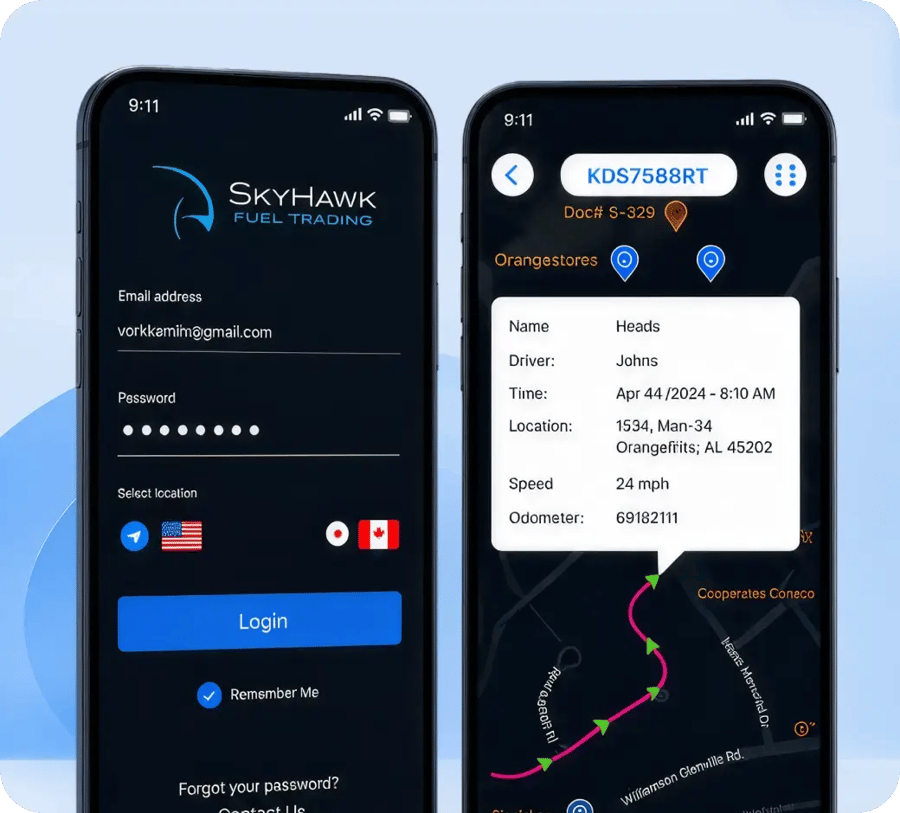

Tech.us helped bring Wealth Mastery to life as a digital platform that puts personalized financial planning tools directly in users' hands while supporting a large and growing audience.
Read the Case Study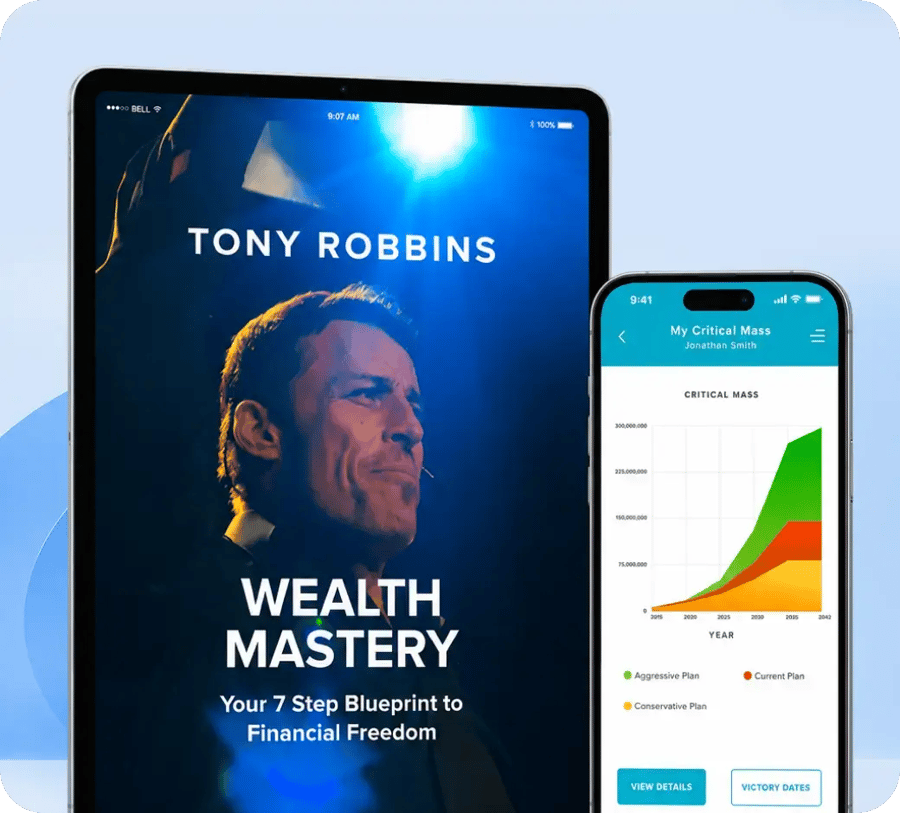
MACHINE LEARNING TECHNOLOGY
Our teams work across supervised and unsupervised learning, deep learning, time-series forecasting, natural language processing, computer vision, recommendation systems, data engineering, and MLOps.
We choose the approach around the data, decision, performance target, interpretability, deployment environment, operating cost, and long-term maintainability.
Agentic AI & Orchestration
 Agentic AI
 AI Agents
 Multi-Agent Systems
 Agentic Workflow Automation
 Model Context Protocol (MCP)
 Agent-to-Agent Protocol (A2A)
 Agent Memory and Reasoning
Generative AI & Foundation Models
 Large Language Models
 GPT
GPT
 Claude
 Gemini
 Llama
Llama
 Generative AI
 Multimodal Foundation Models
 Diffusion Models
 Small Language Models
 Model Fine-Tuning
 Prompt & Context Engineering
Machine Learning & Deep Learning
 Machine Learning
 Deep Learning
 Predictive Analytics
 Recommendation Systems
 Anomaly Detection
 Time-Series Analysis
Data & AI Platforms
 AI-Ready Data Platforms
 Data Lakes and Lakehouse
 Data Engineering
AI Frameworks & Libraries
 PyTorch
 TensorFlow
 Scikit-learn
 Hugging Face Transformers
 LangChain
 LangGraph
MLOps, LLMOps & AgentOps
 MLOps
MLOps
 LLMOps
 AgentOps
 Model Deployment and Serving
 Agent Deployment
 Model and Agent Observability
 Prompt and Response Tracing
 AI Cost Optimization
AI Evaluation, Safety & Governance
 LLM Evaluations
 Agent Evaluations
 RAG Evaluations
 AI Guardrails
 Prompt-Injection Protection
 Red Teaming
 Responsible AI
 AI Governance
Cloud AI Technologies
Google Cloud
 Vertex AI
 Gemini Models
 Agent Studio
 Vertex AI Agent Builder
 Agent Development Kit
 Vertex AI Vector Search
 Google Cloud Document AI
 Google Cloud Vision AI
Microsoft Azure
 Microsoft Foundry
 Microsoft Copilot Studio
 Microsoft Agent Framework
 Azure AI Document Intelligence
 Azure AI Speech and Vision
 Microsoft Fabric
 Microsoft Purview
Language, Vision, Speech & Document AI
 NLP, NLU and NLG
 STT, TTS and ASR
 Conversational AI
 Document Intelligence
 Computer Vision
RAG, Search & Knowledge Systems
 Enterprise RAG
 Agentic RAG
 Multimodal RAG
Enterprise Search
Multimodal RAG
Enterprise Search
 Semantic & Hybrid Search
 Vector Databases
 Knowledge Graphs
 Reranking and Retrieval Optimization
Awards
.webp)
.webp)
.webp)