AI IN RETAIL

Respond to Demand Faster With AI Built for Retail

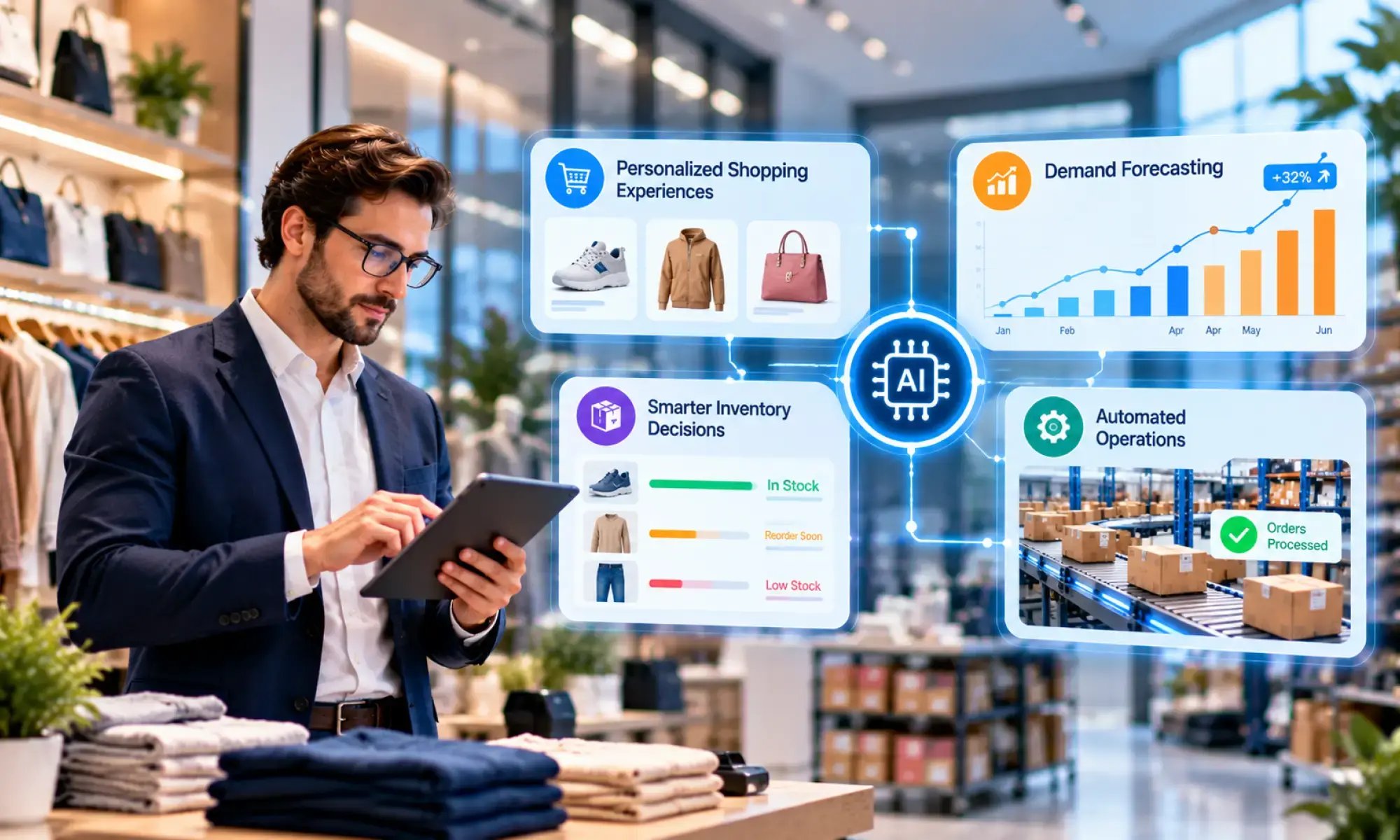
Tech.us helps retailers and ecommerce businesses use AI to personalize shopping, forecast demand, and reduce manual work across commerce operations.
1,500+ Projects Delivered
26+ Years of Engineering
30+ Industries Served
Patient data Built for protected health data
Retail and ecommerce - banner

TRUSTED BY INDUSTRY LEADERS

OUR SERVICES

AI Services for the Decisions Retail Teams Make Every Day

Retail AI needs to understand more than customer behavior. It also has to work with your catalog, inventory, orders, and the systems that keep commerce moving.

Retail AI Strategy and Use Case Planning

Identify where AI has a practical business case before committing to development. We review the decision you want to improve and the data available to support it.

Custom Retail AI and Machine Learning Development

Build models around your own commerce data for forecasting, recommendation, segmentation, ranking, or other defined retail problems.

Personalization and Recommendation Systems

Use customer behavior and product context to rank products or offers around what is relevant to the shopper at that moment.

Generative AI and Commerce Agents

Build AI assistants and agents for repeatable customer or operational work, with clear boundaries around what can happen automatically and what needs review.

Retail Data and System Integration

Connect AI with ecommerce platforms, CRM, inventory, order management, marketplaces, or other systems already involved in the workflow.

Model Monitoring and Optimization

Track how models perform as assortment, demand, or customer behavior changes so the system can be reviewed when yesterday's patterns stop holding.

SELECTED WORK

Work That Solves Real Business Challenges

Explore selected projects where Tech.us has turned complex requirements into practical technology designed around business needs.

View All Case Studies

AI-Powered Takeoffs From Complex Construction Drawings

A precast concrete manufacturer partnered with Tech.us to bring AI into the estimating workflow. The system uses OCR, computer vision, and generative AI to identify, extract, and visualize structures, pipes, and components from complex construction drawings.

Read the Case Study
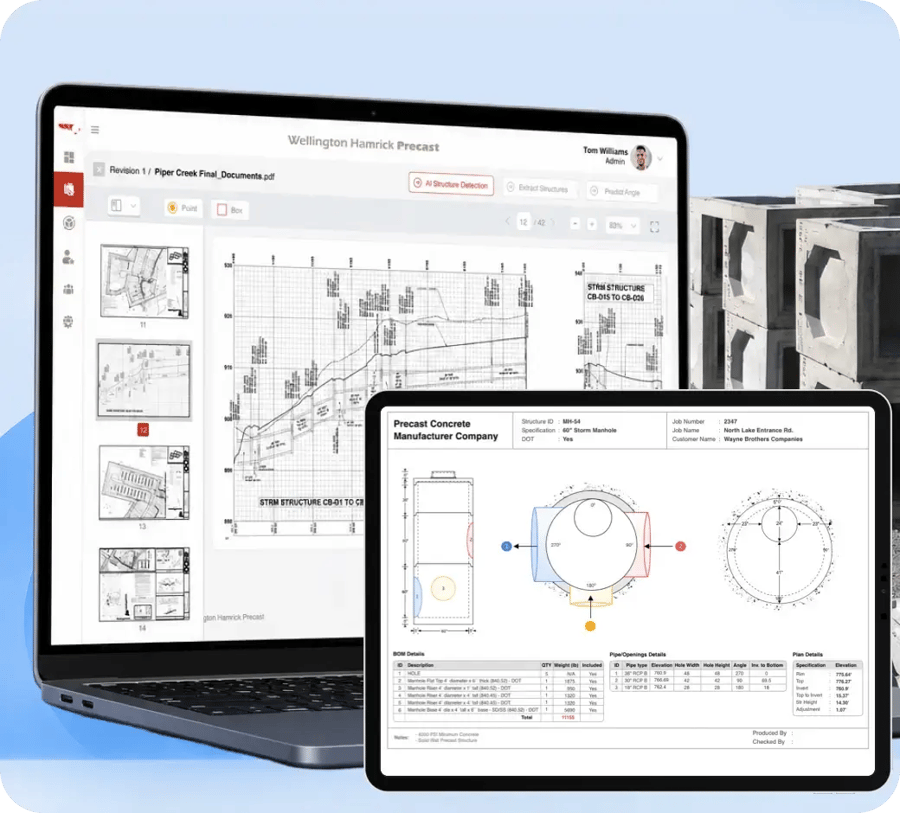

Wellington Hamrick Precast AI takeoff automation tool shown on laptop and tablet

Mobile Fleet Visibility Built for Field Operations

SkyHawk by TELUS needed a streamlined mobile experience for its Connect Anywhere platform. Tech.us built the core experience around real-time asset tracking, fleet activity, secure configuration, and map-based operational visibility.

Read the Case Study
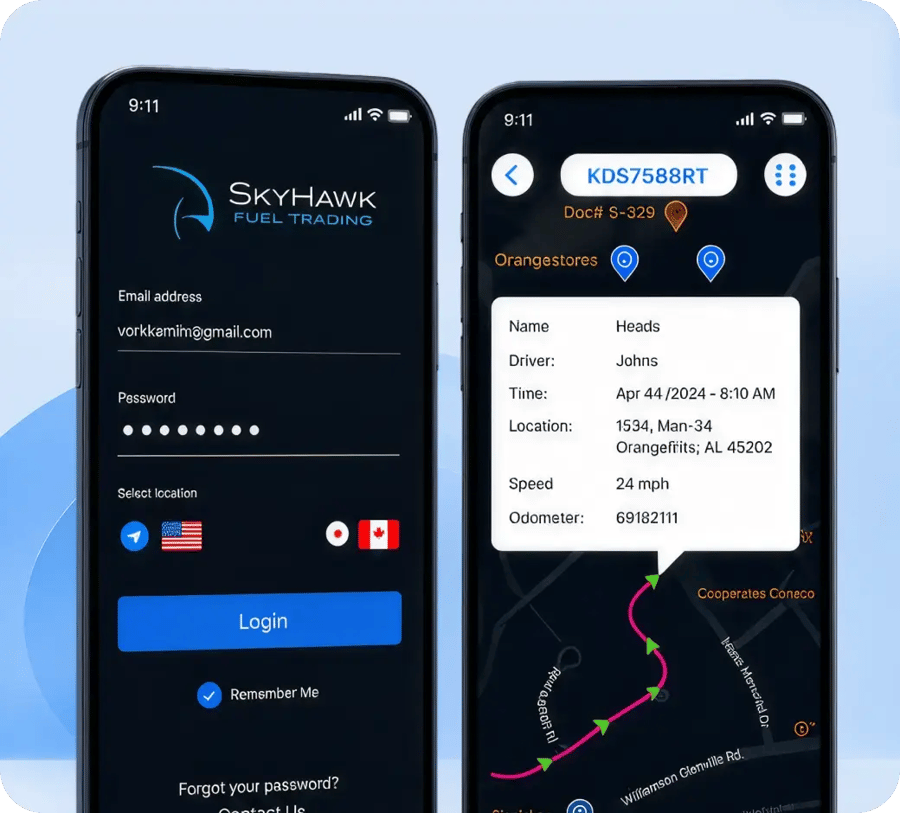

SkyHawk by TELUS mobile app screens showing fleet tracking and login

Personalized Financial Technology Built to Scale

Tech.us helped bring Wealth Mastery to life as a digital platform that puts personalized financial planning tools directly in users' hands while supporting a large and growing audience.

Read the Case Study
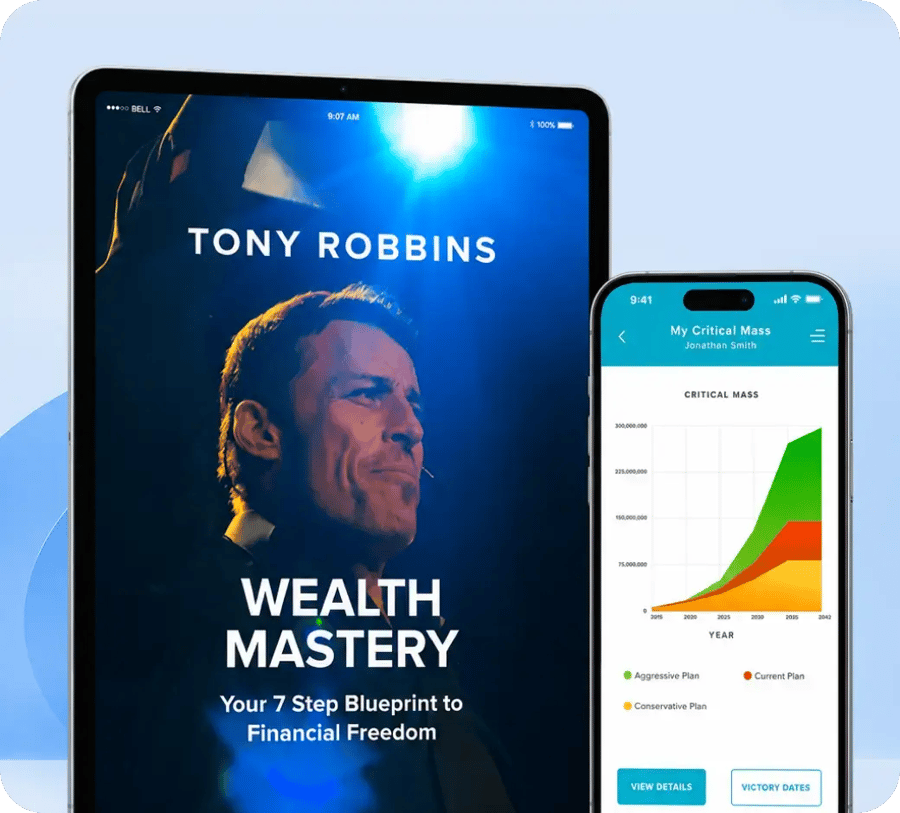
Tony Robbins Wealth Mastery app shown on tablet and phone

WHY TECH.US

Why Tech.us for Retail and Ecommerce AI

Useful retail AI has to connect customer-facing experiences with the systems behind inventory, orders, and fulfillment. Our software experience gives us that wider view.

Retail and Ecommerce Software Experience

Tech.us has built technology across ecommerce, inventory management, order management, CRM, logistics, marketplaces, and other retail workflows.

Experience Beyond the Storefront

We understand that the customer experience depends on what happens after the click as much as what happens before it.

Recommendation and Forecasting Capabilities

Our AI work includes recommendation systems and predictive models that can support demand or other forward-looking retail decisions.

Integration Across Commerce Systems

AI can be connected with the platforms already carrying product, customer, order, and inventory information.

Agents With Defined Boundaries

Where agents automate work across systems, permissions and approval points can be designed into what they are allowed to do.

Engineering Through Deployment

Tech.us can address the application and integration work around the model so AI does not stop at a prototype.

why-choose-techus

COMMERCE CONTEXT

Make AI Aware of What Is Actually Available to Sell

A useful recommendation cannot ignore stock. A promotion cannot ignore business rules. We design the context around the model so its output makes sense for the commerce operation.

Keep Recommendations Stock-Aware

Product ranking can account for availability so customers are not directed toward items the business cannot realistically fulfill.

Respect Promotion Rules

AI can help choose or rank offers while operating within the commercial rules your teams already use.

Keep Catalog Context Current

Product attributes and availability need to stay current if AI is expected to make useful search or recommendation decisions.

Connect Signals Across Channels

Customer activity can come from ecommerce, mobile, marketplaces, or stores. The useful context often sits across more than one channel.

Account for Changing Demand

Seasonality and shifts in customer behavior can change model performance. Retail AI needs monitoring as those patterns move.

Keep Merchandising Judgment in the Loop

AI can rank or recommend. Merchandisers still need a way to apply business priorities where the model does not have the full context.

Find the Retail Decision AI Can Improve First

Start with a measurable commerce problem and test whether the data already moving through your business can support a better way to handle it.

Talk To Our AI Expert

RETAIL AI SOLUTIONS

AI Solutions for the Moments That Shape a Sale

We build focused retail and ecommerce solutions where better prediction or faster access to customer context can change what happens next.

Personalized Product Recommendations

Personalized Product Recommendations

Rank products around shopper behavior and relevant context so discovery feels more useful than a static list of bestsellers.
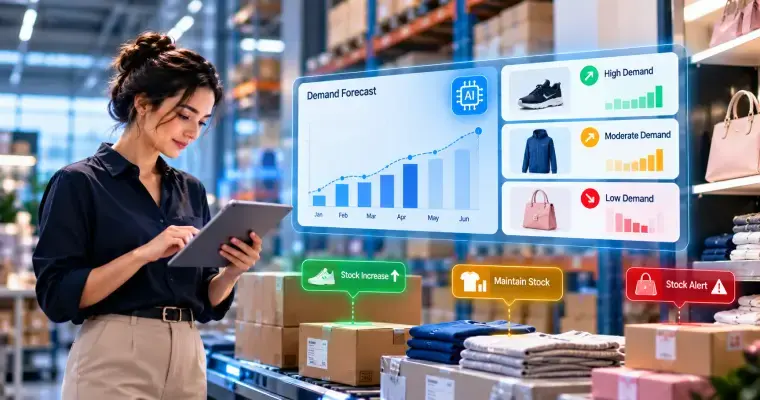
Demand Forecasting and Inventory Planning

Demand Forecasting and Inventory Planning

Use historical sales and current signals to support inventory decisions while giving teams earlier visibility into possible stock pressure.
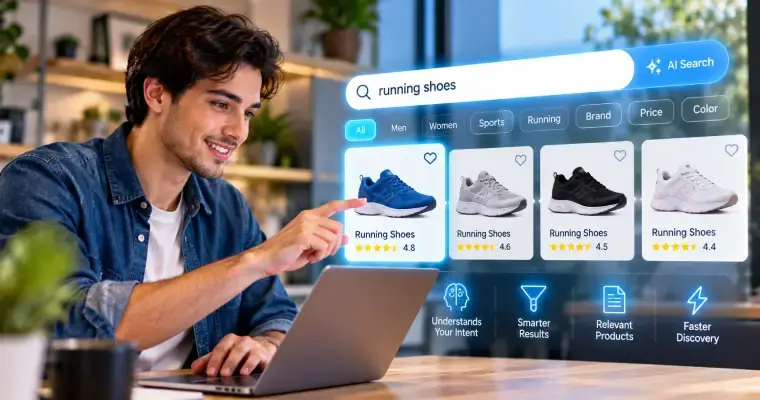
AI Search and Product Discovery

AI Search and Product Discovery

Help shoppers reach relevant products faster by improving how queries are interpreted and how catalog results are ranked.
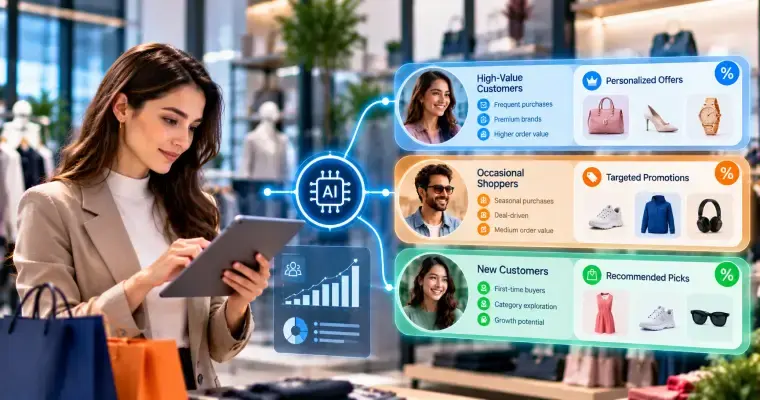
Customer Segmentation and Promotion Intelligence

Customer Segmentation and Promotion Intelligence

Group customers around meaningful behavior patterns and use those signals to support more relevant promotion decisions.
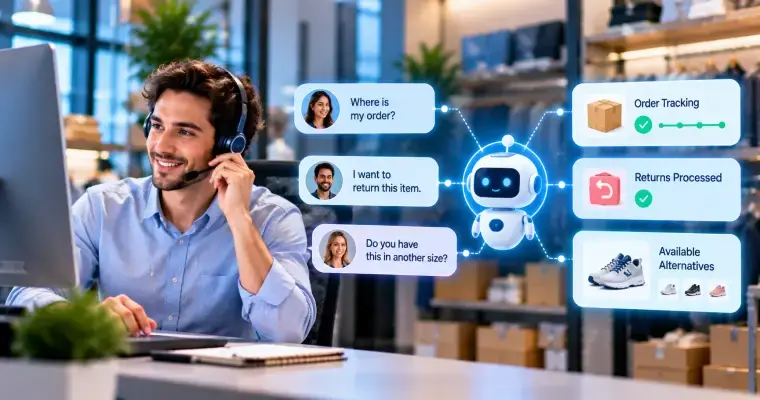
Customer Service Assistants

Customer Service Assistants

Give service teams faster access to order or product context and automate routine requests while handing complex cases to a person.
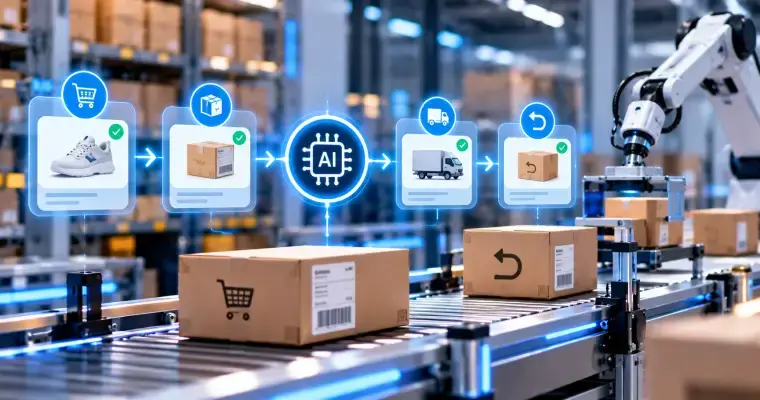
Order and Returns Automation

Order and Returns Automation

Use AI agents to move defined steps in order or return workflows forward across connected systems, with exceptions routed for human review.

HOW WE WORK

Build Around a Commerce Decision, Then Choose the AI

The starting point is the retail moment you want to improve. The model comes after we understand the data and rules behind that decision.

Choose the Commerce Problem

We define the decision or workflow that needs improvement and agree on what a useful outcome would look like.

Connect the Relevant Signals

We identify the product, customer, transaction, inventory, or order information the use case actually needs.

Test Against Retail Reality

The solution is evaluated against real commerce cases, including the business rules that affect what the model should recommend or do.

Put It Into the Workflow

We connect the AI with the systems where the decision happens and monitor performance as commerce patterns change.

OMNICHANNEL CONTEXT

Keep AI Connected to the Places Customers Actually Shop

Retail journeys rarely stay in one channel. The AI needs enough context to support the experience without treating each interaction as a separate customer.

Ecommerce Storefronts

Use browsing and purchase context to improve discovery or personalization within the online shopping experience.

Mobile Commerce

Bring relevant product and customer context into mobile journeys without creating a separate intelligence layer for the app.

Physical Retail

Where store data is available, it can add context to inventory or customer activity that online behavior alone does not show.

Marketplaces

Keep marketplace listings and order activity connected to the broader commerce operation rather than treating each channel as an isolated business.

CRM and Loyalty

Use customer history to inform segmentation or personalization where the workflow calls for it.

Fulfillment and Order Systems

Keep customer-facing AI aware of the operational systems that determine whether an order can actually be completed as expected.

TECH STACK

Technology That Fits the Commerce Stack You Already Run

The architecture depends on where product and customer information lives and which systems the AI needs to reach.
We choose technologies around the retail workflow rather than forcing the business onto a separate AI platform.

Agentic AI & Orchestration

Agentic AI Agentic AI
AI Agents AI Agents
Multi-Agent Systems Multi-Agent Systems
Agentic Workflow Automation Agentic Workflow Automation
Model Context Protocol (MCP) Model Context Protocol (MCP)
Agent-to-Agent Protocol (A2A) Agent-to-Agent Protocol (A2A)
Agent Memory and Reasoning Agent Memory and Reasoning

RECOGNITION

Third-Party Recognition of Our Technology Work

Explore the awards and industry recognition associated with Tech.us across software engineering and technology delivery.
Mobile App Daily — Top Web Development Company
DesignRush — Top AI Development Company
Mobile App Daily — Top AI Company
TechReviewer — Top Mobile App Developers
TechReviewer Award

FAQ

Retail and Ecommerce AI Questions

AI can support product recommendations, demand forecasting, inventory planning, customer segmentation, search, customer service, and commerce operations. The right use case depends on the business problem and the data available. 

Yes. Recommendation models can rank products using signals such as browsing or purchase behavior and other relevant context. The system can also account for business constraints such as inventory availability. 

Demand forecasting can give retail teams earlier visibility into expected demand and possible inventory pressure. It improves the information behind planning, but the final inventory decision still depends on factors such as lead times and supply availability. 

AI can help interpret what a shopper is looking for and rank products around relevance rather than relying only on exact keyword matching. 

It depends on the use case. Recommendations may use customer and product activity, forecasting relies on sales history, while operations automation can require access to orders or inventory systems. 

Yes. AI can be integrated with ecommerce platforms, CRM, inventory systems, order management tools, marketplaces, and other commerce applications depending on their available interfaces. 

AI can handle routine questions or help service teams retrieve relevant information faster. More complex issues can be handed to a person when the request falls outside the defined workflow. 

No. AI can help rank products or surface patterns, but merchandising decisions often require commercial context the model may not have. Teams should retain the ability to adjust priorities or override recommendations. 

Models that depend on demand or customer behavior need to be monitored as those patterns change. Performance should be reviewed when seasonal events or other shifts make historical behavior less representative. 

Turn More Shopping Journeys Into Completed Orders

Use AI to make discovery more relevant and remove friction from the path between product interest and purchase.

Talk to Our AI Expert