
Lower Cost per Ticket
Reduce the agent time required for repetitive questions and routine service requests.
Trusted by organizations that depend on technology







SELECTED WORK
See how we help organizations solve complex challenges with solutions designed for practical use.
View All Case Studies
A precast concrete manufacturer partnered with Tech.us to bring AI into the estimating workflow. The system uses OCR, computer vision, and generative AI to identify, extract, and visualize structures, pipes, and components from complex construction drawings.
Read the Case Study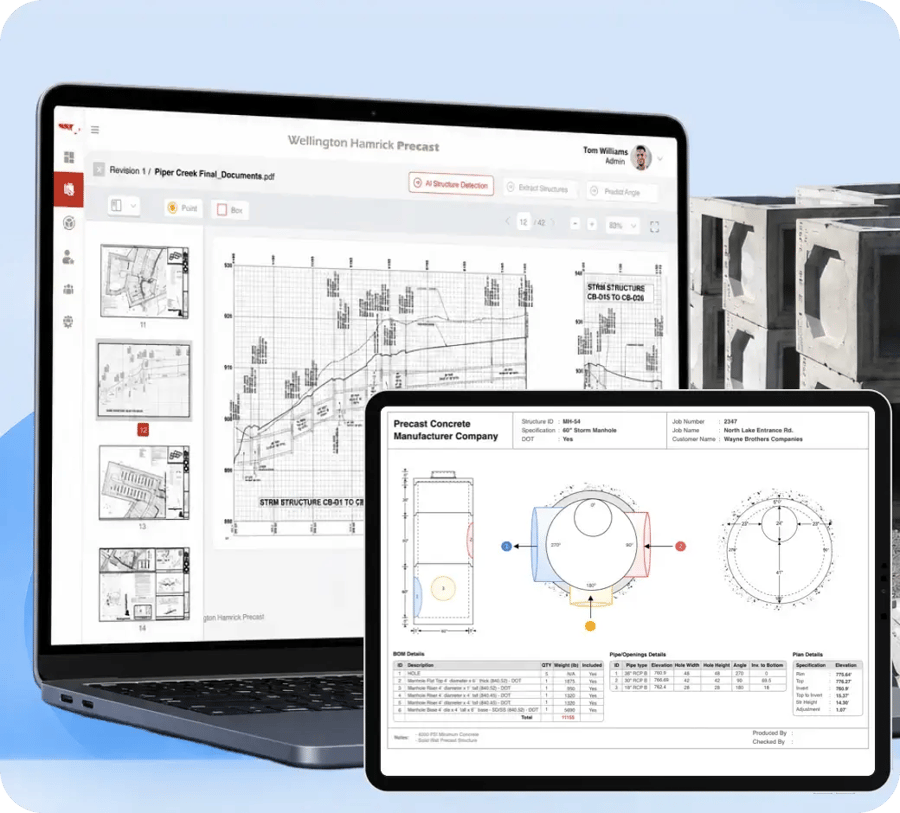

SkyHawk by TELUS needed a streamlined mobile experience for its Connect Anywhere platform. Tech.us built the core experience around real-time asset tracking, fleet activity, secure configuration, and map-based operational visibility.
Read the Case Study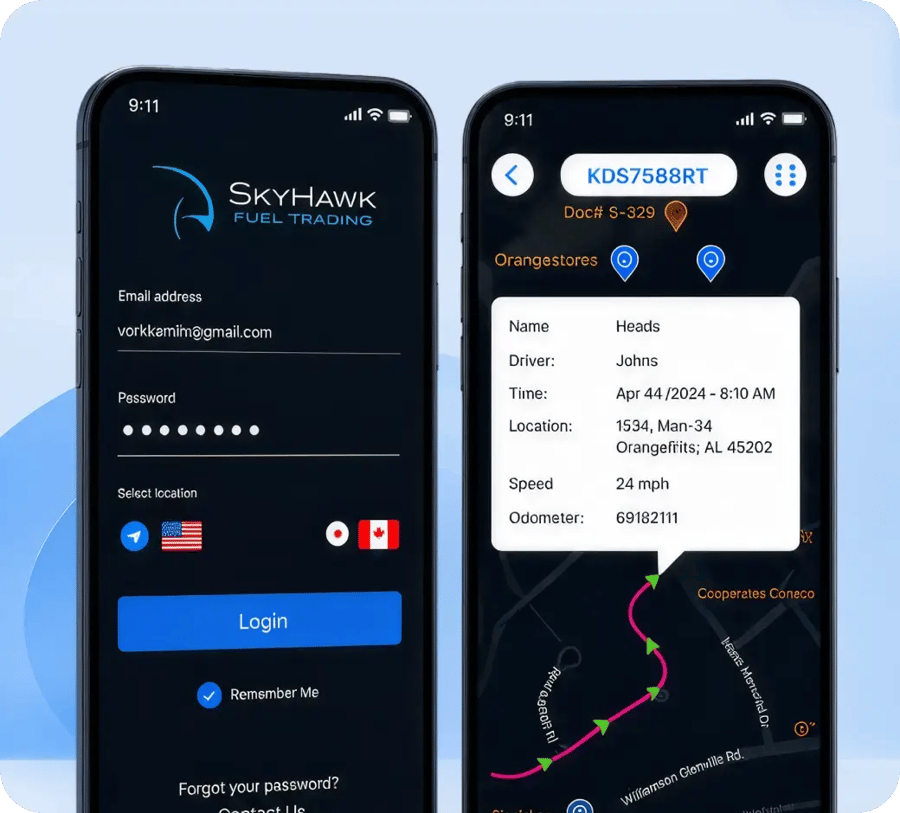

Tech.us helped bring Wealth Mastery to life as a digital platform that puts personalized financial planning tools directly in users' hands while supporting a large and growing audience.
Read the Case Study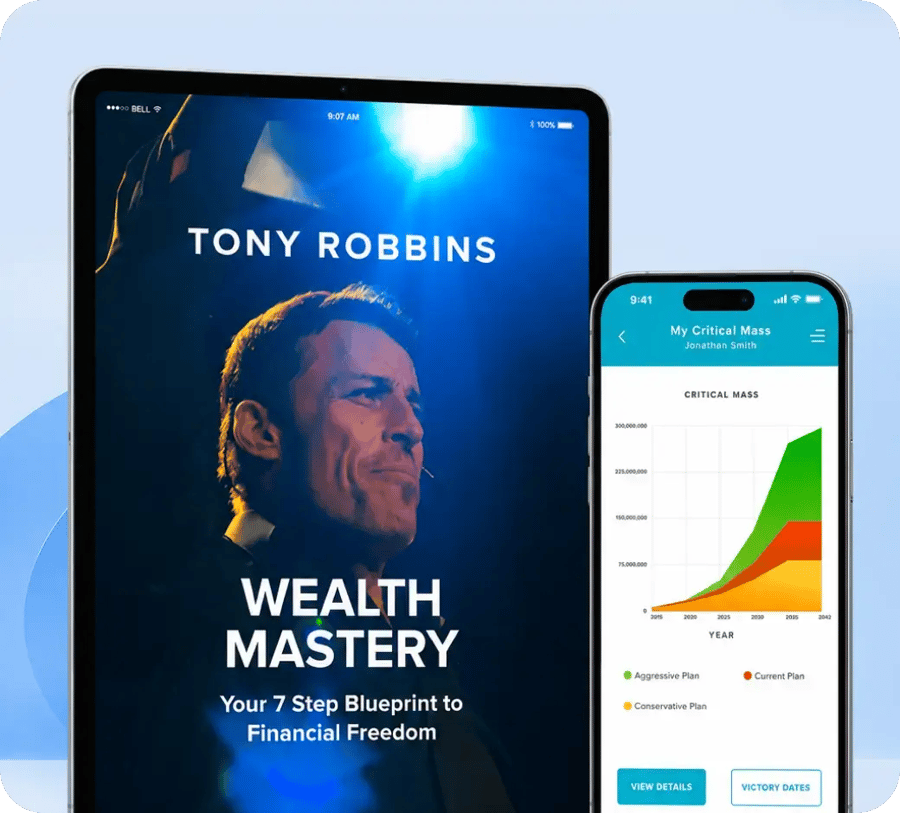
WHY TECH.US FOR CHATBOT DEVELOPMENT
We focus on whether customers actually get what they need, with the right integration, handoff, and ongoing improvement behind every conversation.
A bot that handles fewer requests well is worth more than one that attempts everything. We define the boundary deliberately and expand it based on measured performance.
Resolving a request usually means reading or changing a record in another system. Tech.us builds software as well as assistants, so integration depth is not the limiting factor.
Stopping conditions, refusal behavior, escalation, and unavailable-system handling are designed alongside the successful path rather than added when complaints arrive.
We instrument resolution, repeat contact, and handoff quality rather than reporting deflection, because deflection can improve while service gets worse.
Engineers review AI-generated code before it enters a client system. Acceleration does not transfer accountability for what ships.
Content changes, products change, models change, and customers ask new things. Tech.us can monitor, evaluate, retrain, and extend the assistant as those conditions move.

INDUSTRY EXPERIENCE
We adapt our approach to the priorities, operating realities, and constraints of each industry we serve.
Explore All Industries Healthcare
Handle scheduling, coverage questions, billing, and administrative requests while routing clinical questions and urgent situations to authorized staff, with patient data handling designed around your requirements.
Explore Healthcare
Healthcare
Handle scheduling, coverage questions, billing, and administrative requests while routing clinical questions and urgent situations to authorized staff, with patient data handling designed around your requirements.
Explore Healthcare
 Financial Services and Insurance
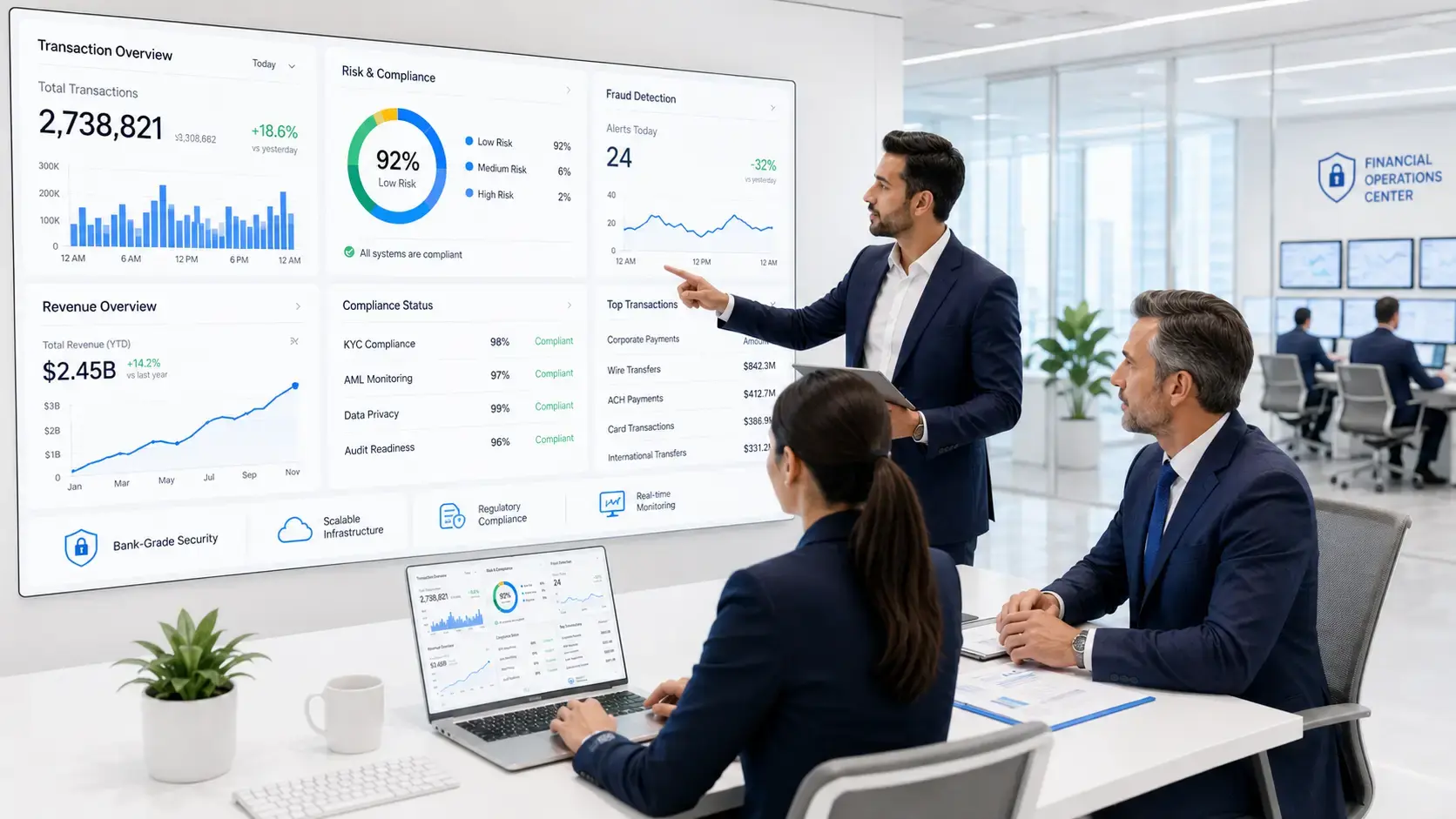
Support account and policy questions, claims status, document collection, and guided intake, with identity verification, audit history, and escalation aligned to the consequence of the request.
Explore Financial Services and Insurance
Financial Services and Insurance
Support account and policy questions, claims status, document collection, and guided intake, with identity verification, audit history, and escalation aligned to the consequence of the request.
Explore Financial Services and Insurance
 Retail and E-Commerce
Answer product, availability, order, delivery, and returns questions from live catalog and order data, and complete the routine transactions customers would otherwise queue for.
Explore Retail and E-Commerce
Retail and E-Commerce
Answer product, availability, order, delivery, and returns questions from live catalog and order data, and complete the routine transactions customers would otherwise queue for.
Explore Retail and E-Commerce
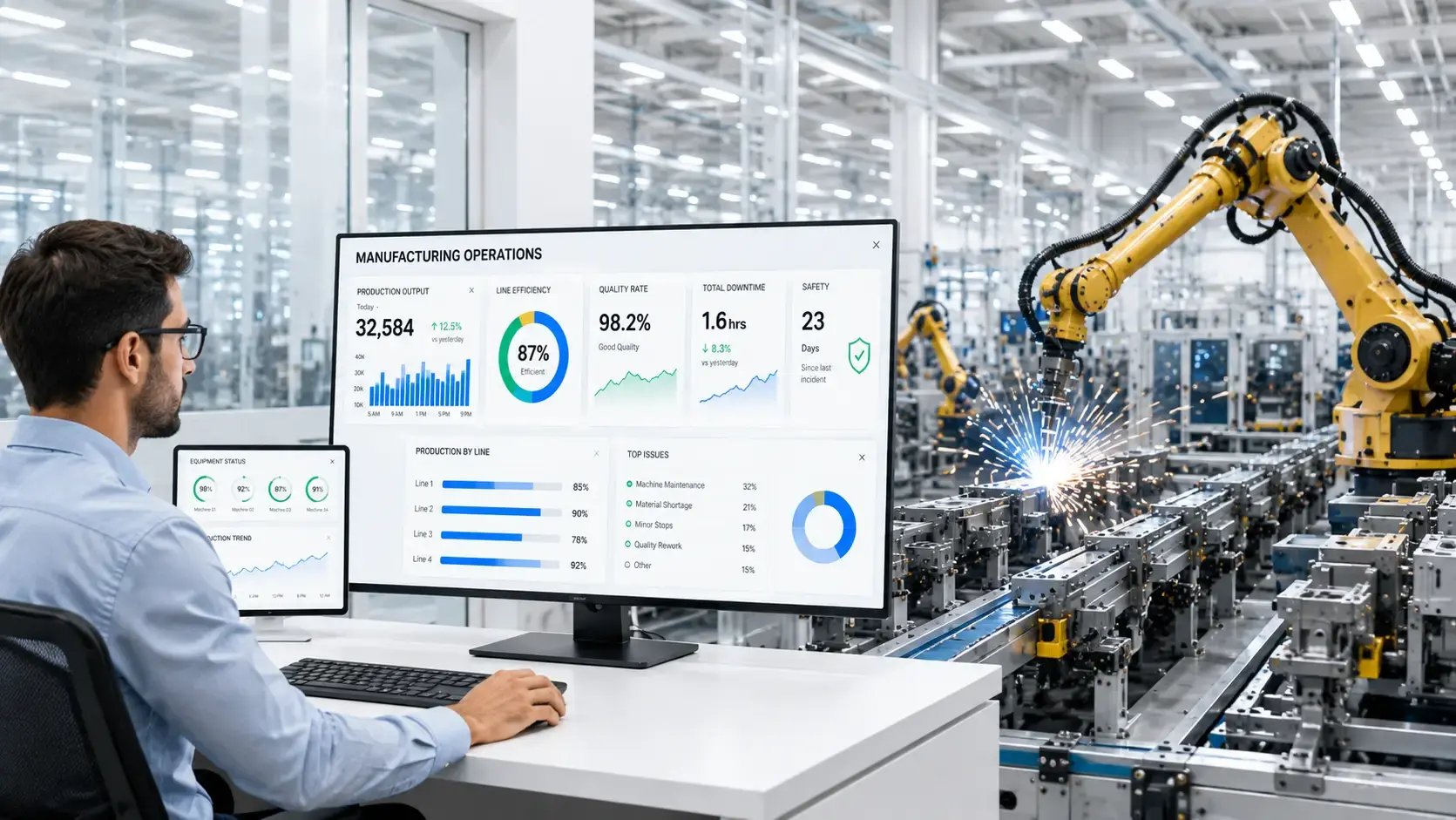 Manufacturing
Give distributors, field teams, and internal staff faster access to specifications, manuals, order status, and maintenance information held across operating systems.
Explore Manufacturing
Manufacturing
Give distributors, field teams, and internal staff faster access to specifications, manuals, order status, and maintenance information held across operating systems.
Explore Manufacturing
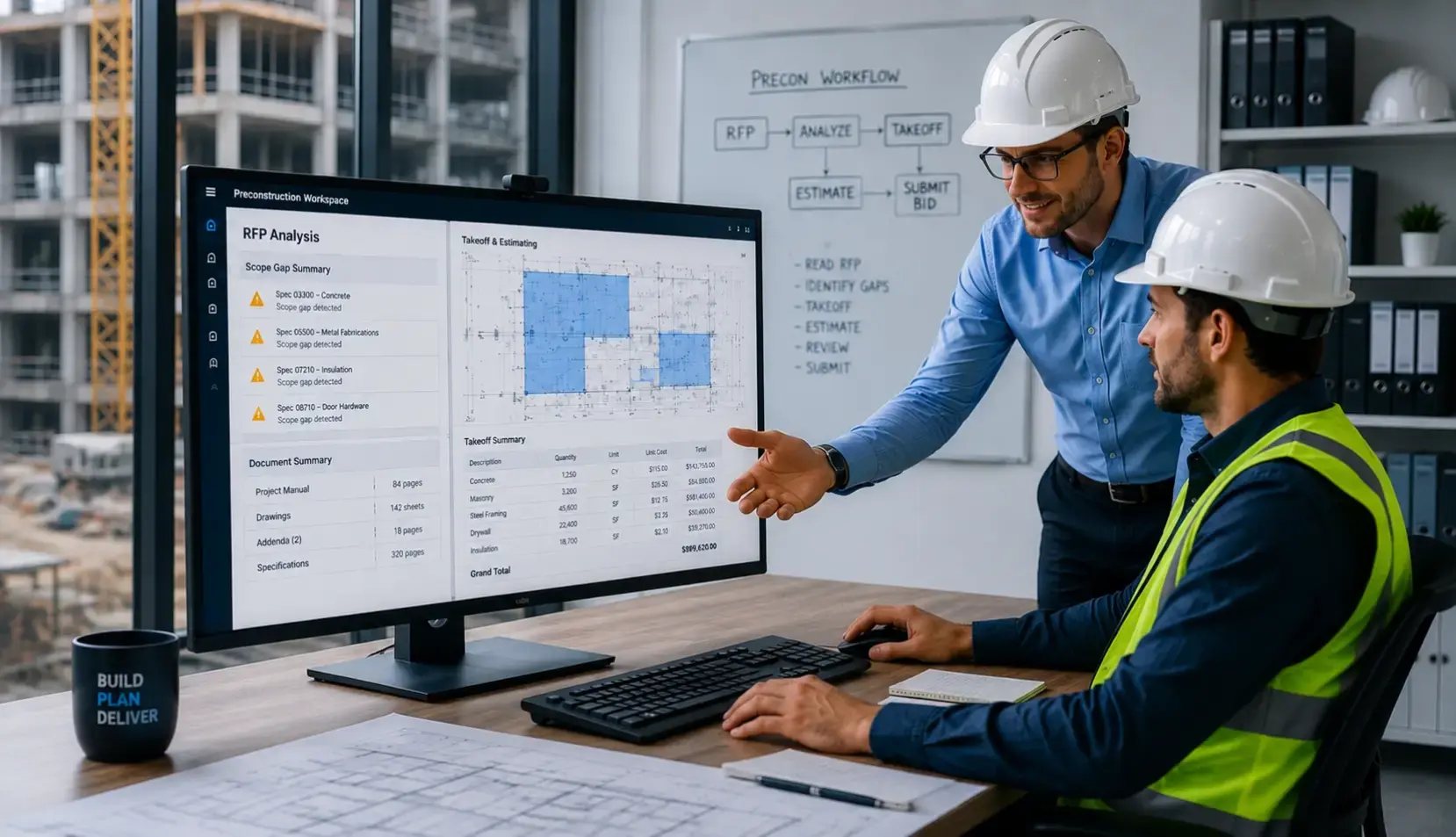 Construction
Surface project documentation, submittal and RFI status, specifications, and schedule information for teams working across sites, offices, and subcontractors.
Explore Construction
Construction
Surface project documentation, submittal and RFI status, specifications, and schedule information for teams working across sites, offices, and subcontractors.
Explore Construction
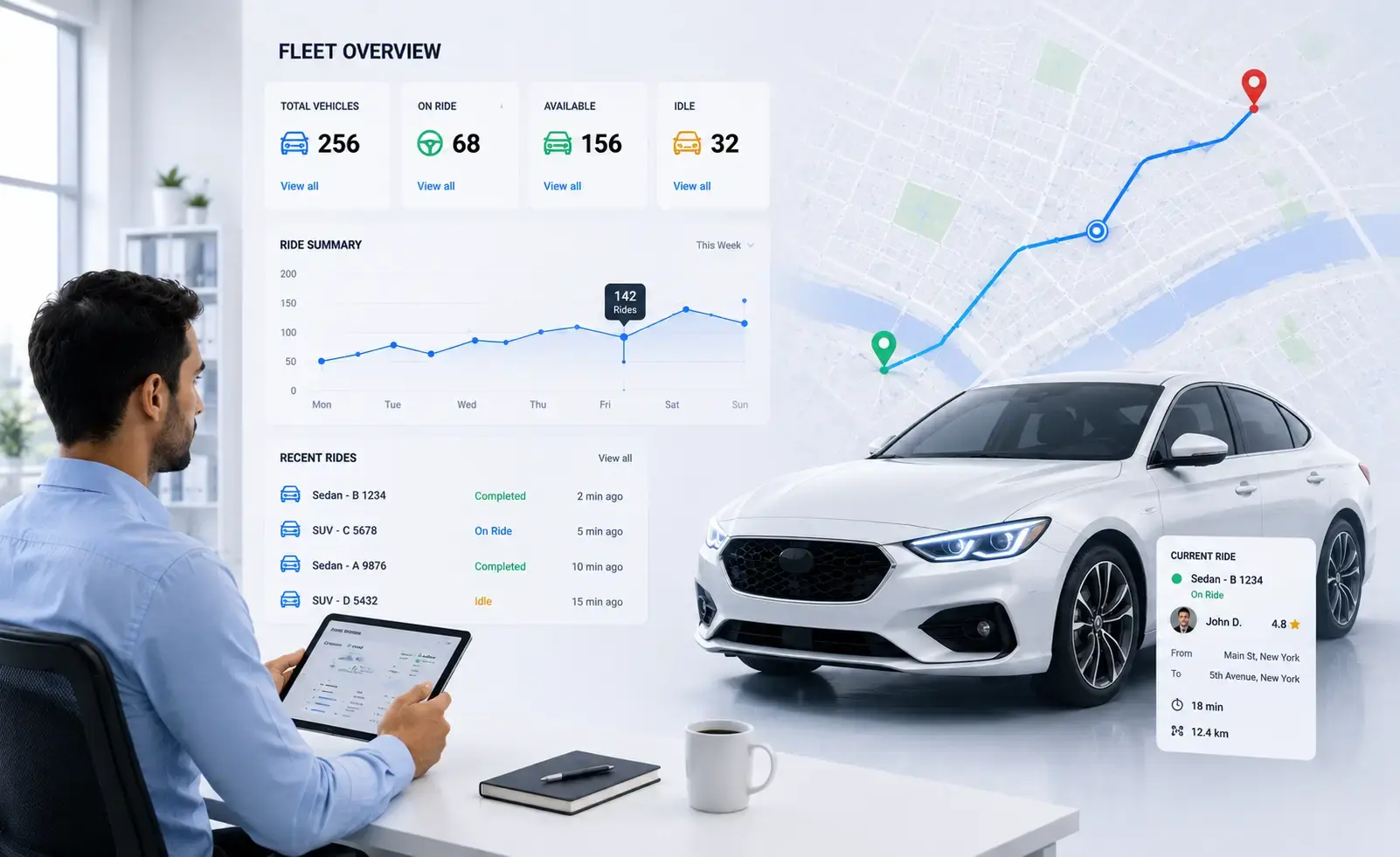 Transportation and Logistics
Handle shipment status, documentation requests, booking changes, and exception notifications across the systems that track freight and assets.
Explore Transportation and Logistics
Transportation and Logistics
Handle shipment status, documentation requests, booking changes, and exception notifications across the systems that track freight and assets.
Explore Transportation and Logistics
CHATBOT TECHNOLOGY
We use the AI, retrieval, voice, integration, and monitoring technologies that best fit your chatbot. The stack is selected around performance, security, scalability, and long-term maintainability.
Agentic AI & Orchestration
 Agentic AI
 AI Agents
 Multi-Agent Systems
 Agentic Workflow Automation
 Model Context Protocol (MCP)
 Agent-to-Agent Protocol (A2A)
 Agent Memory and Reasoning
Generative AI & Foundation Models
 Large Language Models
 GPT
GPT
 Claude
 Gemini
 Llama
Llama
 Generative AI
 Multimodal Foundation Models
 Diffusion Models
 Small Language Models
 Model Fine-Tuning
 Prompt & Context Engineering
Machine Learning & Deep Learning
 Machine Learning
 Deep Learning
 Predictive Analytics
 Recommendation Systems
 Anomaly Detection
Time-Series Analysis
Anomaly Detection
Time-Series Analysis
Data & AI Platforms
AI-Ready Data Platforms
 Data Lakes and Lakehouse
 Data Engineering
AI Frameworks & Libraries
 PyTorch
 TensorFlow
 Scikit-learn
 Hugging Face Transformers
 LangChain
 LangGraph
MLOps, LLMOps & AgentOps
 MLOps
MLOps
 LLMOps
 AgentOps
 Model Deployment and Serving
 Agent Deployment
 Model and Agent Observability
 Prompt and Response Tracing
 AI Cost Optimization
AI Evaluation, Safety & Governance
 LLM Evaluations
 Agent Evaluations
RAG Evaluations
Agent Evaluations
RAG Evaluations
 AI Guardrails
 Prompt-Injection Protection
 Red Teaming
 Responsible AI
 AI Governance
Cloud AI Technologies
Google Cloud
 Vertex AI
Gemini Models
Vertex AI
Gemini Models
 Agent Studio
 Vertex AI Agent Builder
 Agent Development Kit
 Vertex AI Vector Search
 Google Cloud Document AI
 Google Cloud Vision AI
Microsoft Azure
 Microsoft Foundry
 Microsoft Copilot Studio
 Microsoft Agent Framework
 Azure AI Document Intelligence
 Azure AI Speech and Vision
 Microsoft Fabric
 Microsoft Purview
Language, Vision, Speech & Document AI
 NLP, NLU and NLG
 STT, TTS and ASR
 Conversational AI
 Document Intelligence
 Computer Vision
RAG, Search & Knowledge Systems
 Enterprise RAG
 Agentic RAG
 Multimodal RAG
 Enterprise Search
 Semantic & Hybrid Search
 Vector Databases
 Knowledge Graphs
 Reranking and Retrieval Optimization