Reduce Manual Hours
Move repetitive tasks out of employee queues so teams spend less time on predictable work.
Trusted by organizations that depend on technology







Selected Work
See how Tech.us builds systems around real operating constraints, existing applications, and the people who use them.
View All Case Studies
A precast concrete manufacturer partnered with Tech.us to bring AI into the estimating workflow. The system uses OCR, computer vision, and generative AI to identify, extract, and visualize structures, pipes, and components from complex construction drawings.
Read the Case Study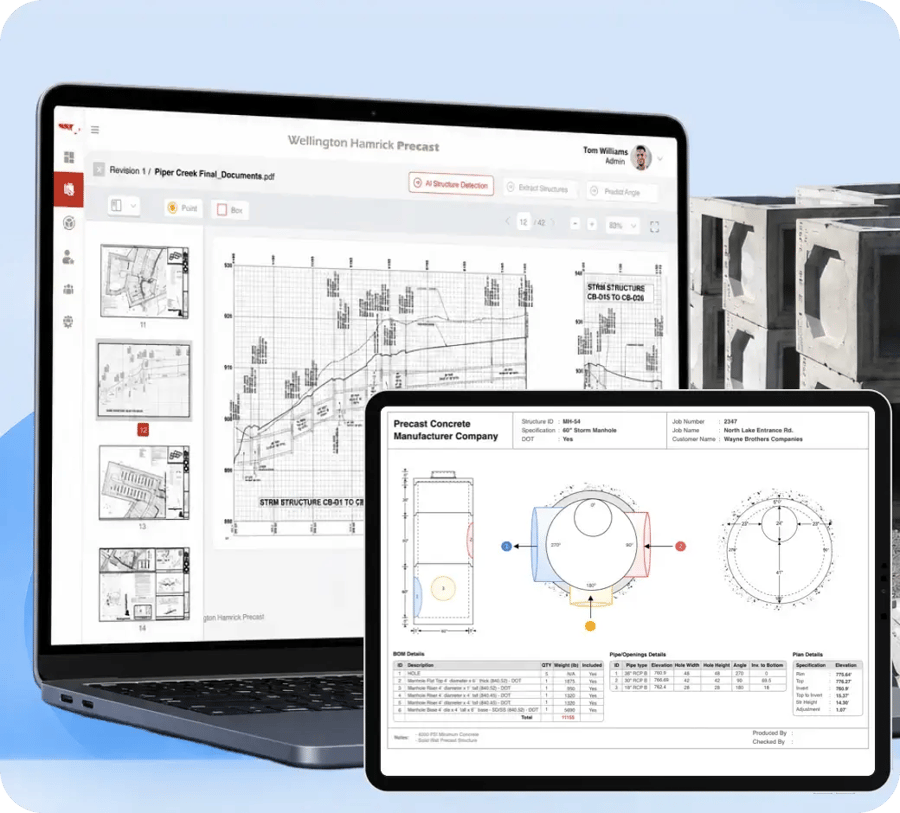

SkyHawk by TELUS needed a streamlined mobile experience for its Connect Anywhere platform. Tech.us built the core experience around real-time asset tracking, fleet activity, secure configuration, and map-based operational visibility.
Read the Case Study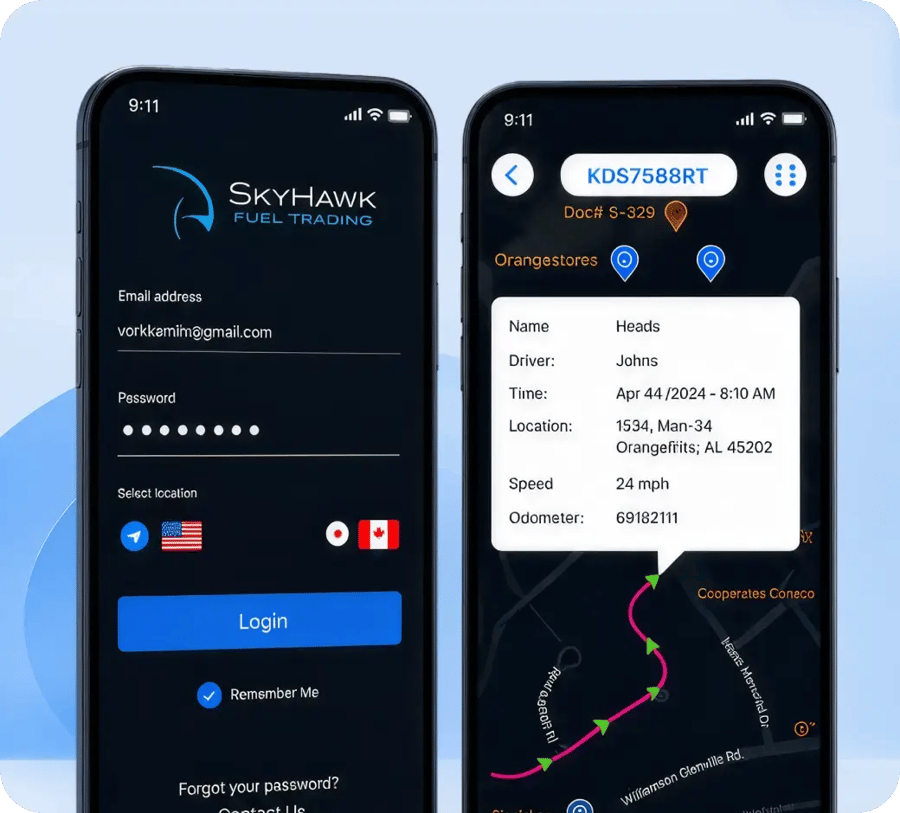

Tech.us helped bring Wealth Mastery to life as a digital platform that puts personalized financial planning tools directly in users' hands while supporting a large and growing audience.
Read the Case Study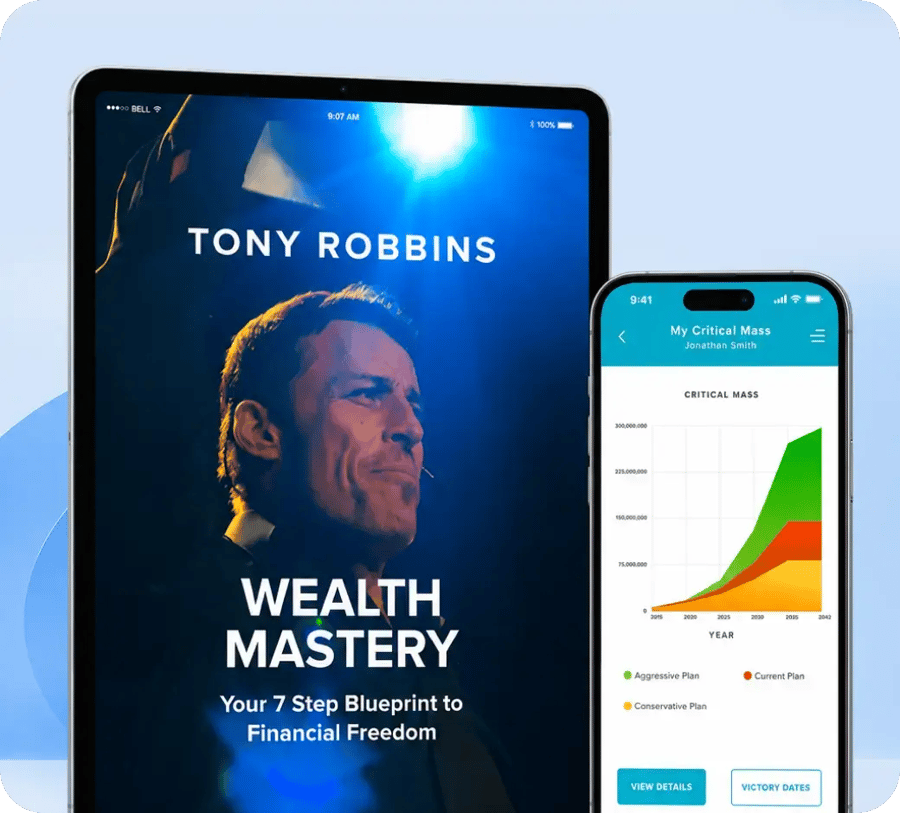
WHY TECH.US FOR AUTOMATION
Not every process should be automated, and we say which ones. A recommendation against a bot is a legitimate outcome of an assessment.
Automating a workflow preserves it. Where the process contains steps that exist for no current reason, we remove them before writing anything.
Most of the engineering effort in durable automation goes into what happens when the input is wrong, the system is unavailable, or the case is unusual.
Where an interface exists, we use it. Tech.us builds software as well as automations, so the recommendation is not limited to what an RPA platform can do.
Engineers review AI-generated code before it enters a client system. Acceleration does not transfer accountability for what ships.
Monitoring, change response, credential maintenance, and improvement continue after go-live, because that is where automation programs are actually won or lost.

INDUSTRY EXPERIENCE
The technology has to fit the environment. We account for the systems, records, and approval requirements each industry already depends on.
Explore All Industries Healthcare
Claims processing, eligibility checks, billing, prior authorization follow-up, and record transfer between administrative systems, with patient data handling designed around your requirements.
Explore Healthcare
Healthcare
Claims processing, eligibility checks, billing, prior authorization follow-up, and record transfer between administrative systems, with patient data handling designed around your requirements.
Explore Healthcare
 Financial Services and Insurance
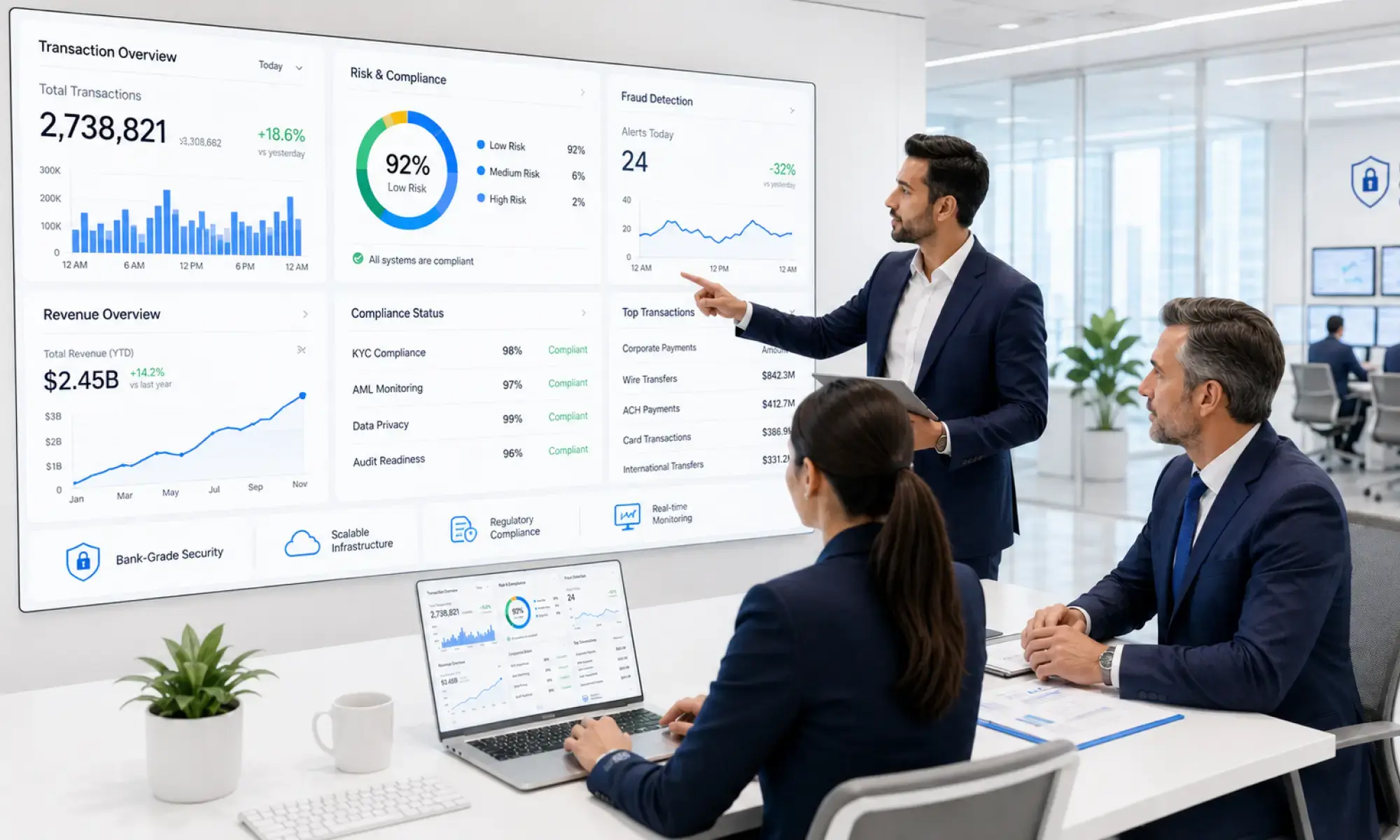
Reconciliation, onboarding and KYC steps, claims intake, policy administration, and reporting, with the audit trail and access control the function requires.
Explore Financial Services and Insurance
Financial Services and Insurance
Reconciliation, onboarding and KYC steps, claims intake, policy administration, and reporting, with the audit trail and access control the function requires.
Explore Financial Services and Insurance
 Manufacturing
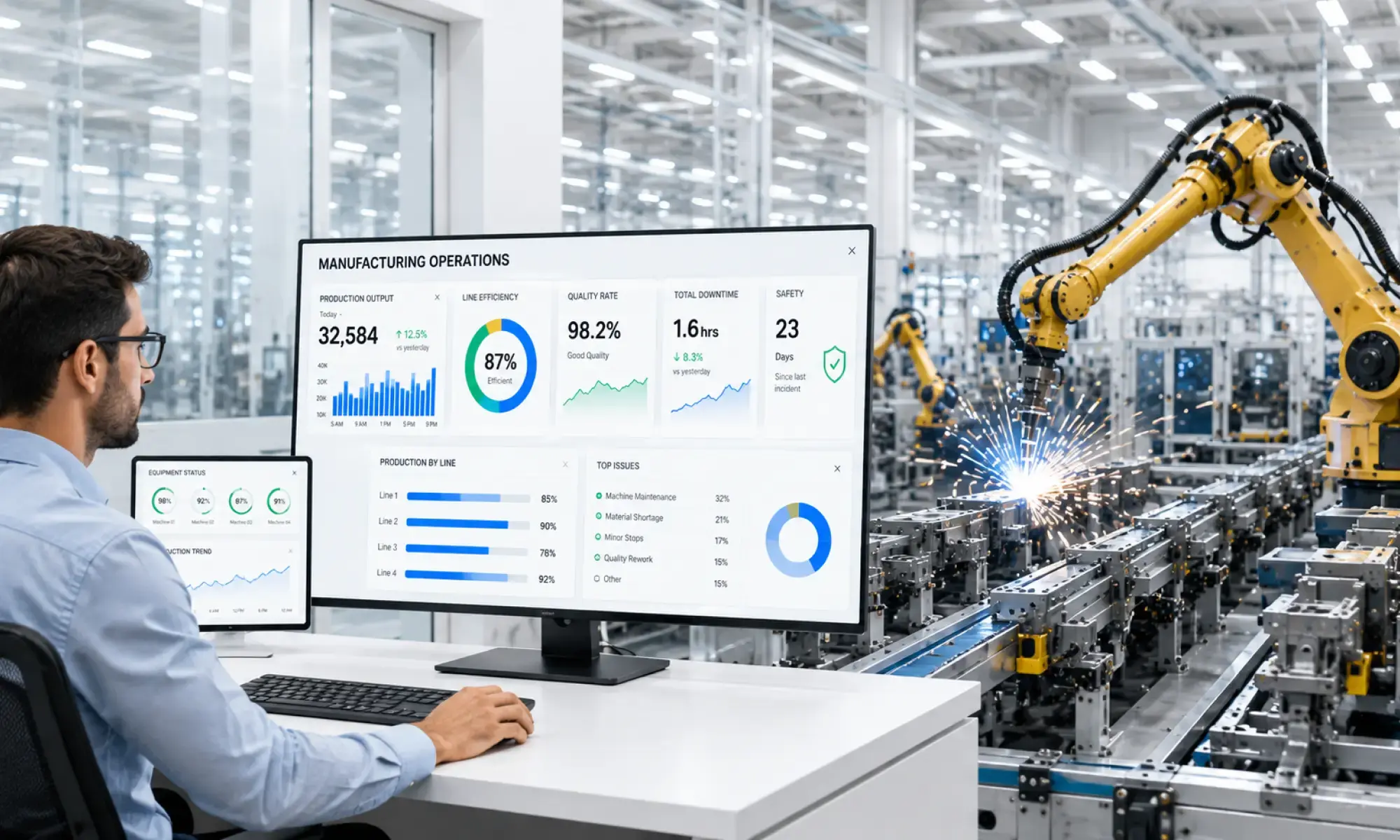
Order processing, production and quality reporting, supplier communication, inventory updates, and the movement of data between plant systems and enterprise applications.
Explore Manufacturing
Manufacturing
Order processing, production and quality reporting, supplier communication, inventory updates, and the movement of data between plant systems and enterprise applications.
Explore Manufacturing
 Retail and Supply Chain
Order and invoice handling, catalog and pricing updates, returns processing, supplier onboarding, and reconciliation across systems that were never designed to share data.
Explore Retail and Supply Chain
Retail and Supply Chain
Order and invoice handling, catalog and pricing updates, returns processing, supplier onboarding, and reconciliation across systems that were never designed to share data.
Explore Retail and Supply Chain
 Construction
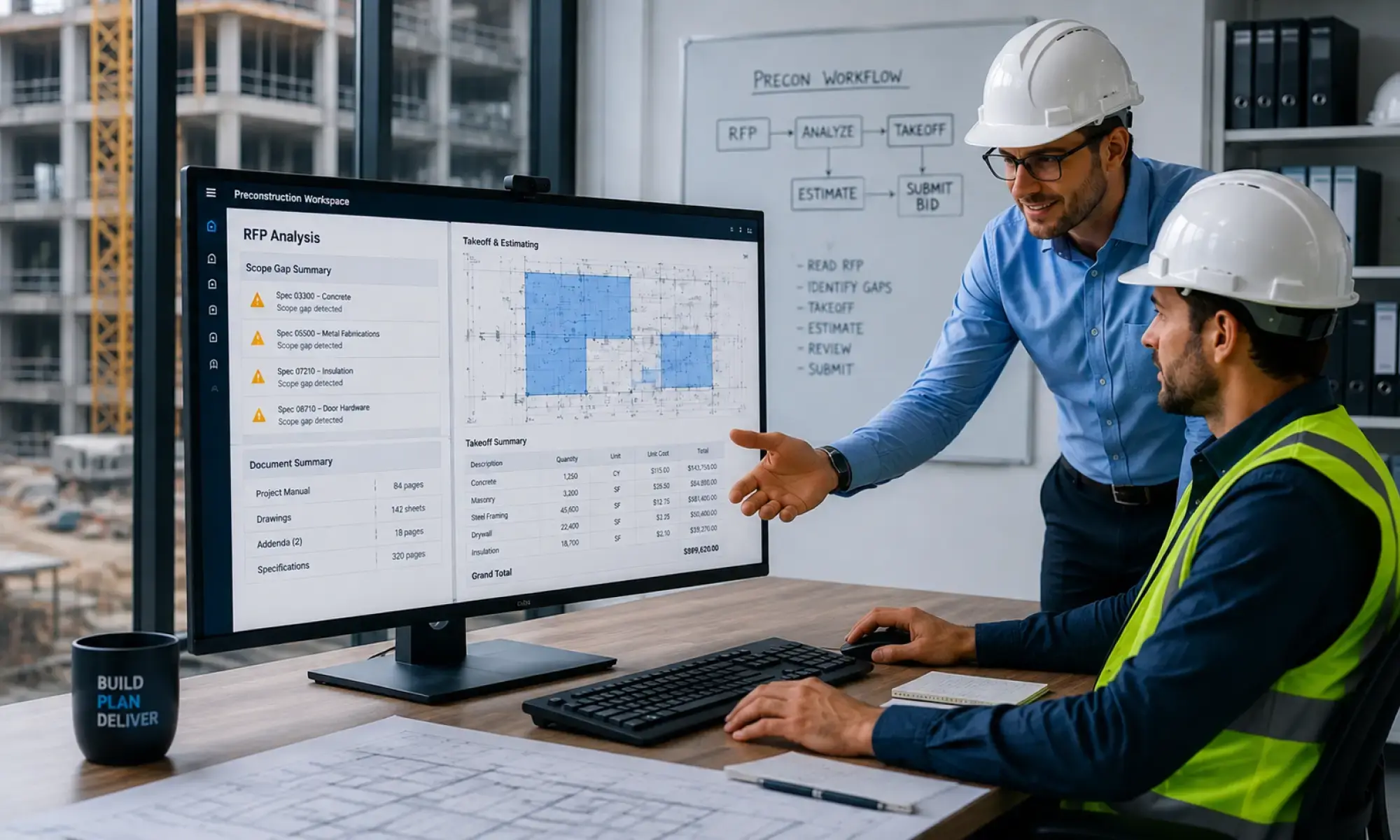
Document routing, submittal and RFI tracking, subcontractor paperwork, compliance records, and the reporting that accumulates across projects and teams.
Explore Construction
Construction
Document routing, submittal and RFI tracking, subcontractor paperwork, compliance records, and the reporting that accumulates across projects and teams.
Explore Construction
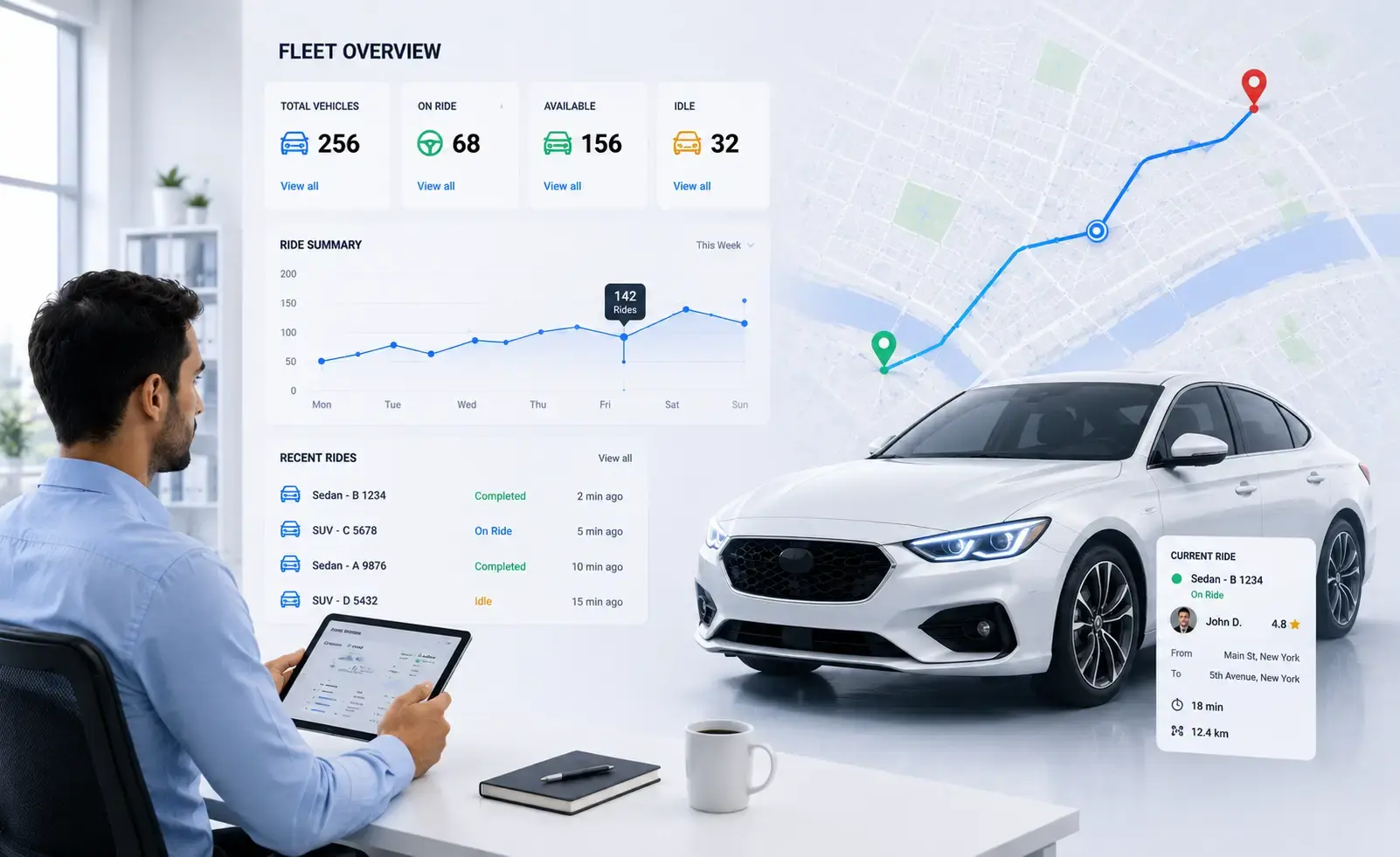 Transportation and Logistics
Shipment documentation, customs paperwork, carrier and rate updates, exception notifications, and status reporting across connected operating systems.
Explore Transportation and Logistics
Transportation and Logistics
Shipment documentation, customs paperwork, carrier and rate updates, exception notifications, and status reporting across connected operating systems.
Explore Transportation and Logistics
AUTOMATION TECHNOLOGY
We work across leading RPA platforms, document processing services, orchestration tooling, integration layers, and the machine learning and language models used in intelligent automation.
Selection is based on the systems involved, the volume and complexity of the process, licensing cost over the automation's life, hosting and security requirements, and how easily your team can maintain what we build.
Agentic AI & Orchestration
 Agentic AI
 AI Agents
 Multi-Agent Systems
 Agentic Workflow Automation
 Model Context Protocol (MCP)
 Agent-to-Agent Protocol (A2A)
 Agent Memory and Reasoning
Generative AI & Foundation Models
 Large Language Models
 GPT
GPT
 Claude
 Gemini
 Llama
Llama
 Generative AI
 Multimodal Foundation Models
 Diffusion Models
 Small Language Models
 Model Fine-Tuning
 Prompt & Context Engineering
Machine Learning & Deep Learning
 Machine Learning
 Deep Learning
 Predictive Analytics
 Recommendation Systems
 Anomaly Detection
Time-Series Analysis
Anomaly Detection
Time-Series Analysis
Data & AI Platforms
AI-Ready Data Platforms
 Data Lakes and Lakehouse
 Data Engineering
AI Frameworks & Libraries
 PyTorch
 TensorFlow
 Scikit-learn
 Hugging Face Transformers
 LangChain
 LangGraph
MLOps, LLMOps & AgentOps
 MLOps
MLOps
 LLMOps
 AgentOps
 Model Deployment and Serving
 Agent Deployment
 Model and Agent Observability
 Prompt and Response Tracing
 AI Cost Optimization
AI Evaluation, Safety & Governance
 LLM Evaluations
 Agent Evaluations
RAG Evaluations
Agent Evaluations
RAG Evaluations
 AI Guardrails
 Prompt-Injection Protection
 Red Teaming
 Responsible AI
 AI Governance
Cloud AI Technologies
Google Cloud
 Vertex AI
Gemini Models
Vertex AI
Gemini Models
 Agent Studio
 Vertex AI Agent Builder
 Agent Development Kit
 Vertex AI Vector Search
 Google Cloud Document AI
 Google Cloud Vision AI
Microsoft Azure
 Microsoft Foundry
 Microsoft Copilot Studio
 Microsoft Agent Framework
 Azure AI Document Intelligence
 Azure AI Speech and Vision
 Microsoft Fabric
 Microsoft Purview
Language, Vision, Speech & Document AI
 NLP, NLU and NLG
 STT, TTS and ASR
 Conversational AI
 Document Intelligence
 Computer Vision
RAG, Search & Knowledge Systems
 Enterprise RAG
 Agentic RAG
 Multimodal RAG
 Enterprise Search
 Semantic & Hybrid Search
 Vector Databases
 Knowledge Graphs
 Reranking and Retrieval Optimization
Recognition
.webp)
.webp)