
Reduce Costly Retraining
Catch labeling problems early instead of discovering them after a model fails.
TRUSTED BY ORGANIZATIONS THAT DEPEND ON TECHNOLOGY







SELECTED WORK
Explore how we help organizations solve real business problems with practical technology solutions.
View All Case Studies
A precast concrete manufacturer partnered with Tech.us to bring AI into the estimating workflow. The system uses OCR, computer vision, and generative AI to identify, extract, and visualize structures, pipes, and components from complex construction drawings.
Read the Case Study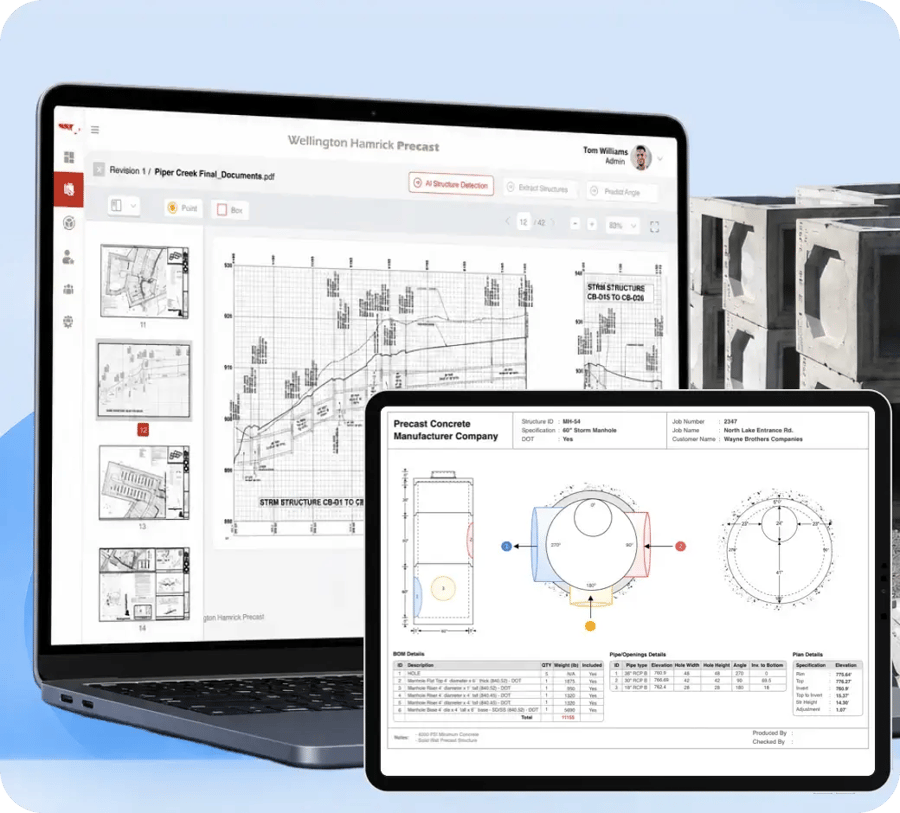

SkyHawk by TELUS needed a streamlined mobile experience for its Connect Anywhere platform. Tech.us built the core experience around real-time asset tracking, fleet activity, secure configuration, and map-based operational visibility.
Read the Case Study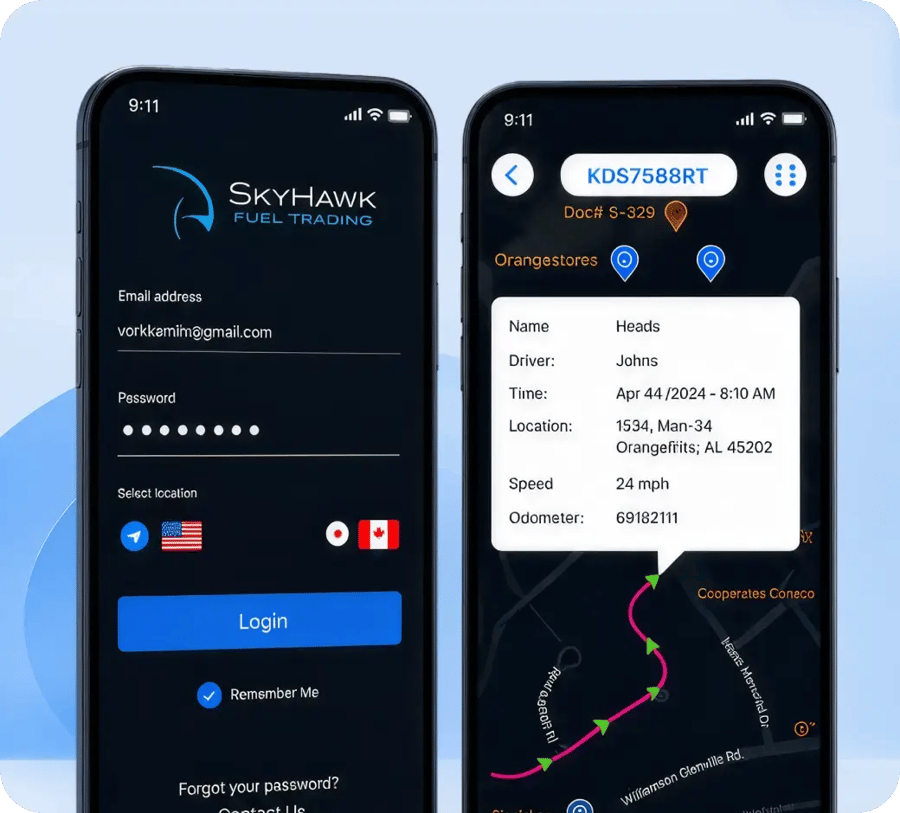

Tech.us helped bring Wealth Mastery to life as a digital platform that puts personalized financial planning tools directly in users' hands while supporting a large and growing audience.
Read the Case Study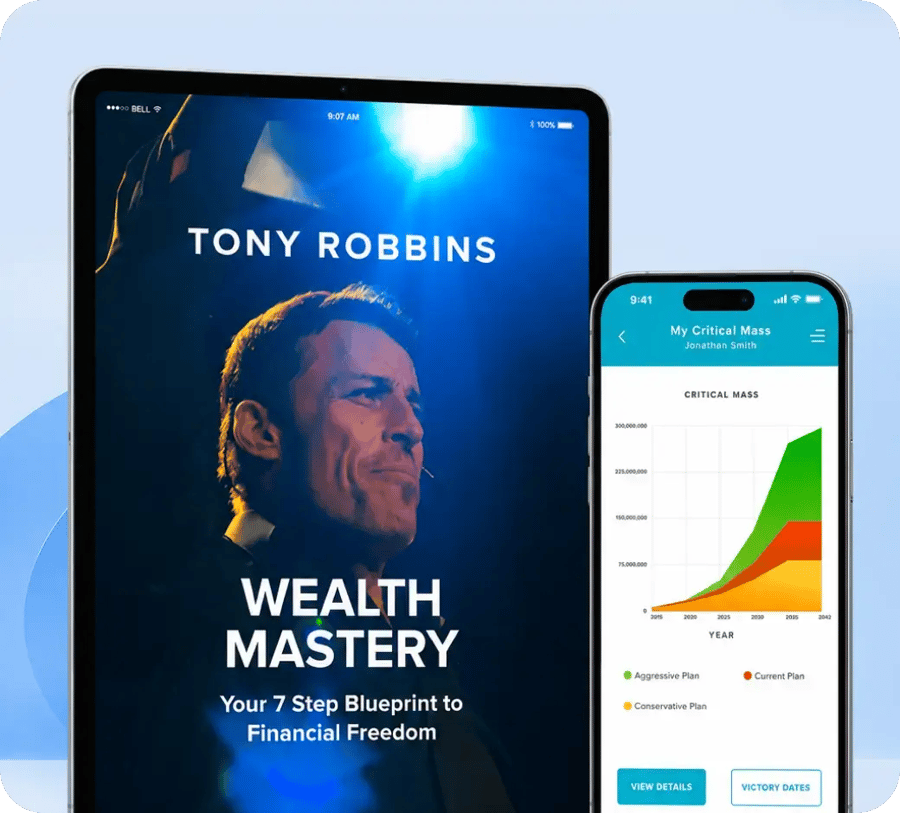
WHY TECH.US
We combine clear specifications, expert review, and measurable agreement to build datasets that hold up beyond delivery.
The guideline is the product. Labeling before the rules are settled produces volume that has to be redone.
Agreement rates and per-class weaknesses are handed over, including the categories not yet reliable enough to train on.
A category people cannot apply consistently will not work in a model either. We recommend changing it rather than labeling around it.
Sampling, class balance, and hard-case mining reduce how many labels you need, which reduces what we bill.
Clinical, legal, financial, and technical material is reviewed by people who read that material professionally.
Taxonomies change and definitions move. We version, extend, and relabel rather than treating delivery as the end.

INDUSTRY EXPERIENCE
Where annotators disagree is specific to the material, which is why guideline design does not transfer between sectors.
Explore All Industries Healthcare
Clinical text and imaging require judgment on what was ruled out as well as what was found, and on findings that are described rather than stated.
Explore Healthcare
Healthcare
Clinical text and imaging require judgment on what was ruled out as well as what was found, and on findings that are described rather than stated.
Explore Healthcare
 Financial Services and Insurance
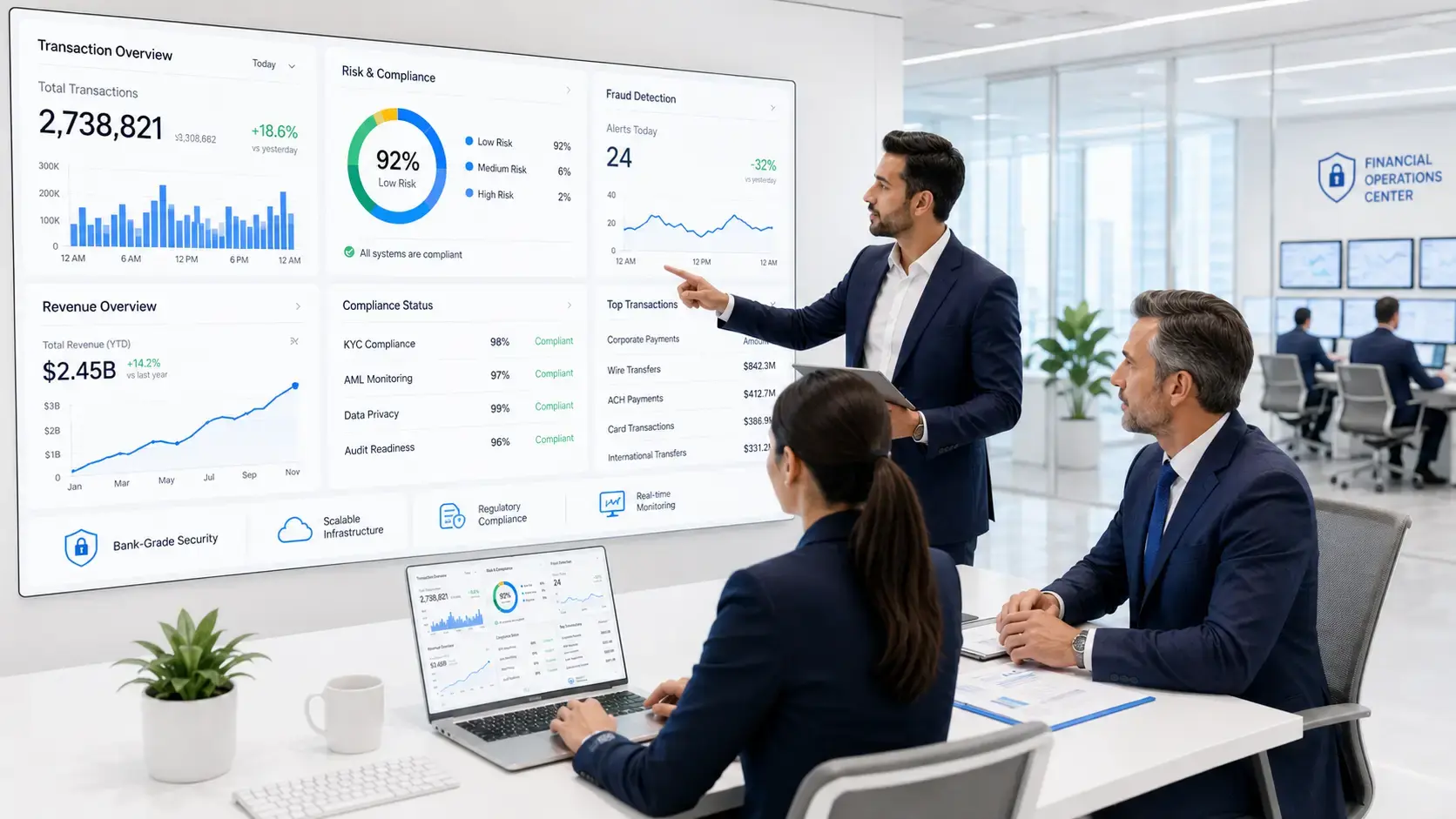
Risk, claims, and compliance labeling turns on qualifiers and conditions, where a single hedging word changes the correct category.
Explore Financial Services and Insurance
Financial Services and Insurance
Risk, claims, and compliance labeling turns on qualifiers and conditions, where a single hedging word changes the correct category.
Explore Financial Services and Insurance
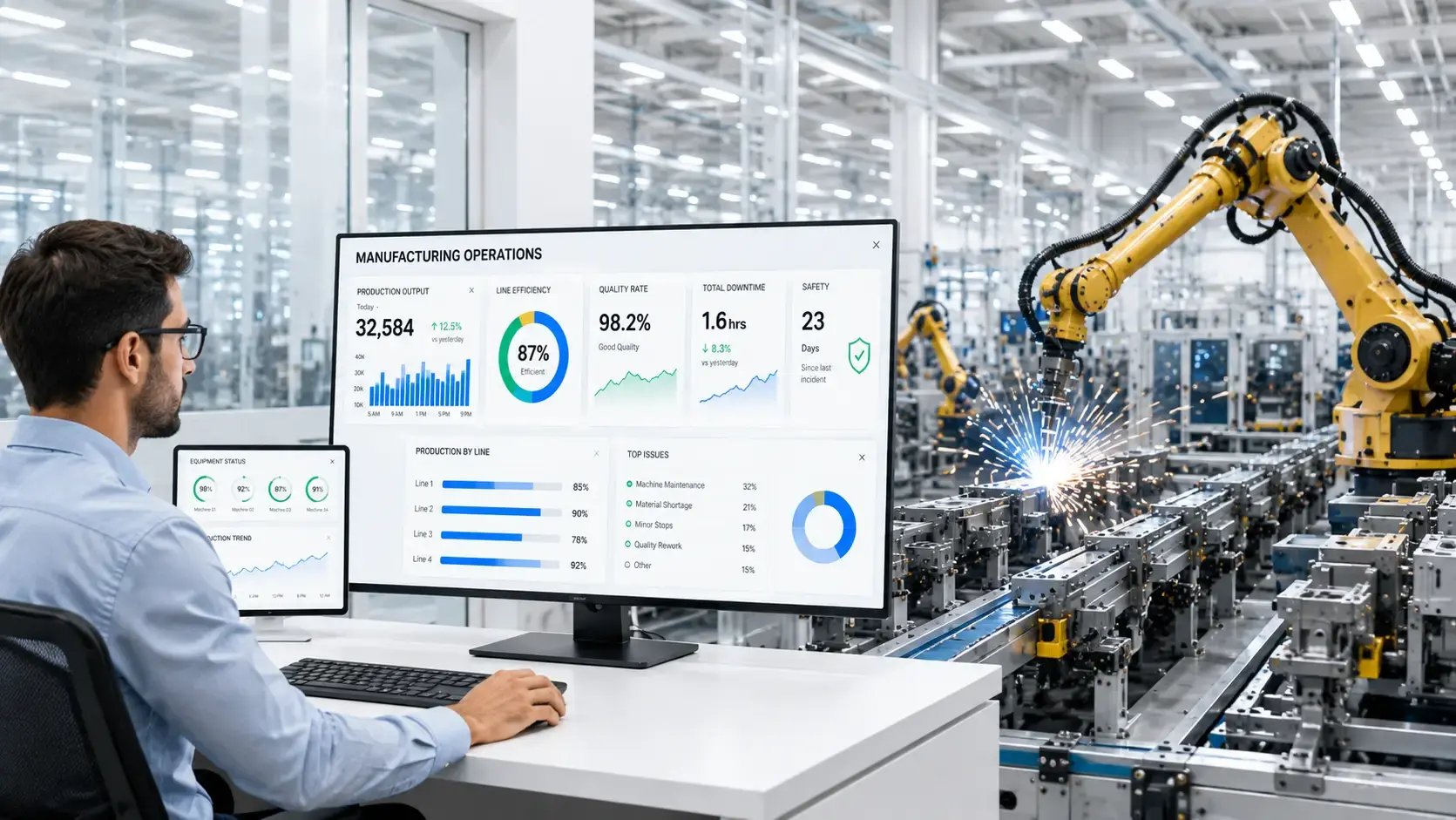 Manufacturing
Defect labeling depends on severity thresholds that vary between plants and inspectors, so the threshold has to be defined before annotation, not during it.
Explore Manufacturing
Manufacturing
Defect labeling depends on severity thresholds that vary between plants and inspectors, so the threshold has to be defined before annotation, not during it.
Explore Manufacturing
 Retail and E-Commerce
Product and review labeling contends with catalog inconsistency, near-duplicate items, and informal multilingual customer language.
Explore Retail and E-Commerce
Retail and E-Commerce
Product and review labeling contends with catalog inconsistency, near-duplicate items, and informal multilingual customer language.
Explore Retail and E-Commerce
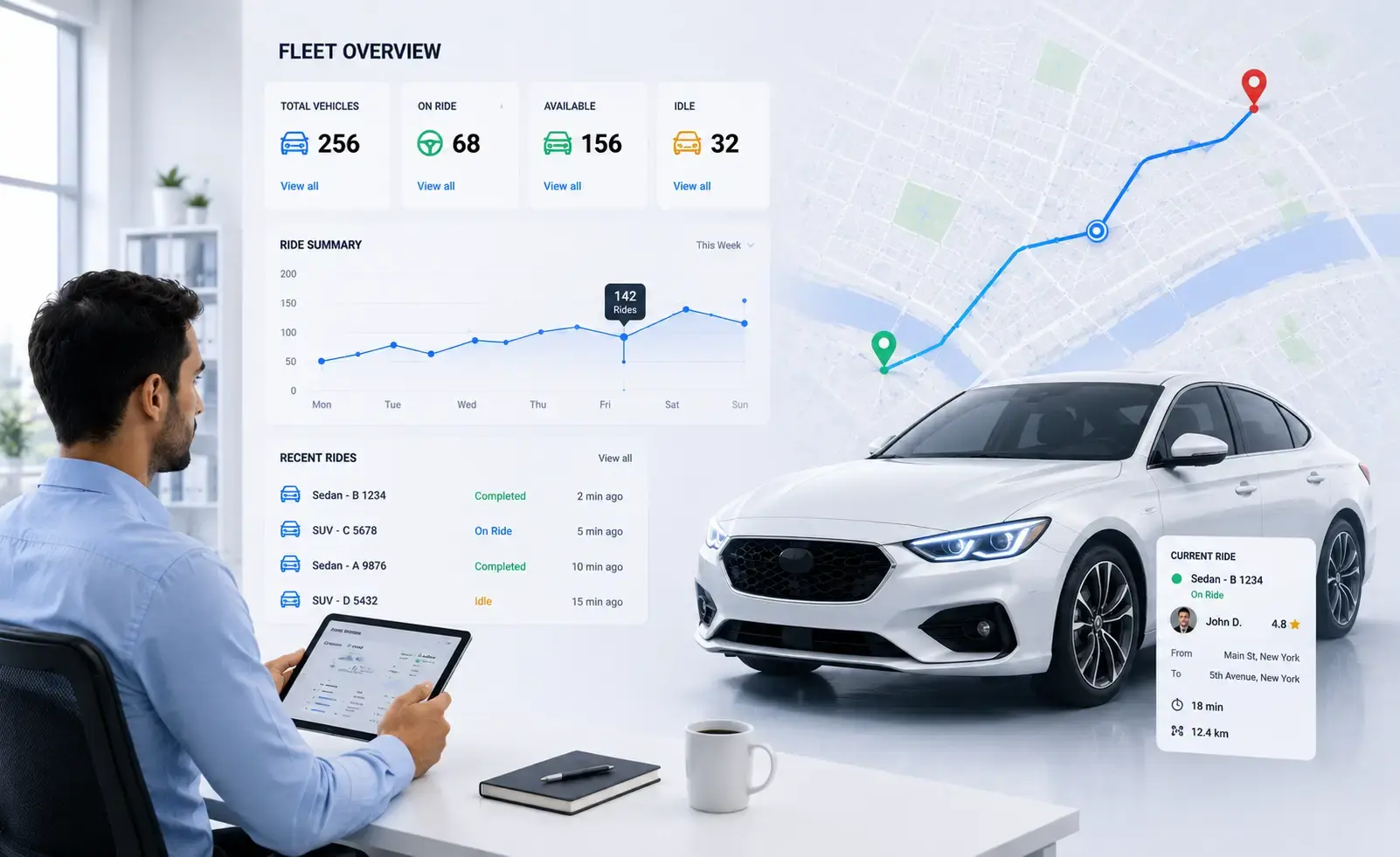 Automotive
Perception datasets require consistency on occlusion, distance, and edge conditions where reasonable annotators disagree by default.
Explore Automotive
Automotive
Perception datasets require consistency on occlusion, distance, and edge conditions where reasonable annotators disagree by default.
Explore Automotive
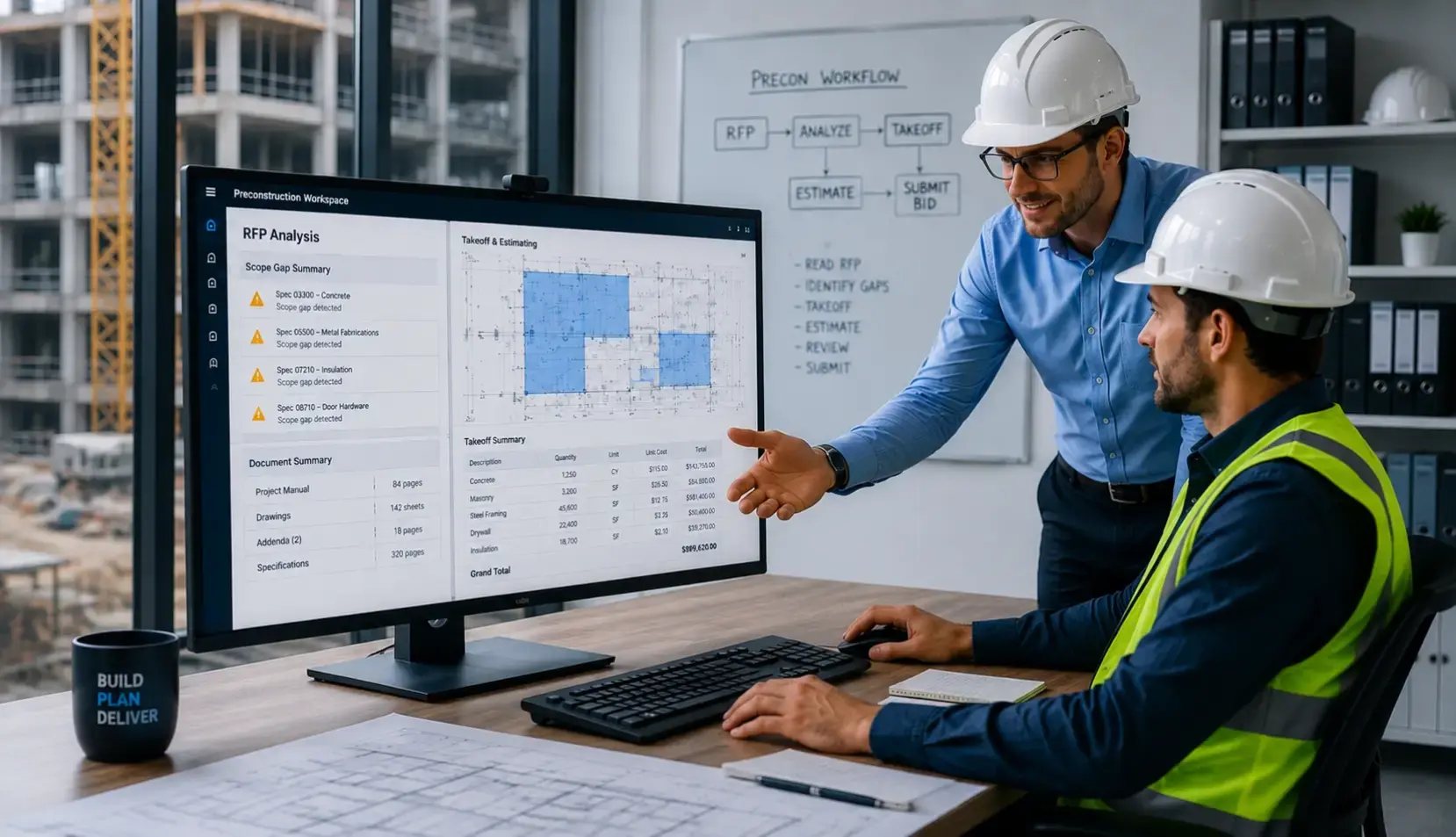 Construction
Drawings, specifications, and site imagery carry meaning in position and reference, so labeling depends on document and scene context.
Explore Construction
Construction
Drawings, specifications, and site imagery carry meaning in position and reference, so labeling depends on document and scene context.
Explore Construction
ANNOTATION TOOLING
We work across annotation platforms for text, vision, video, audio, and multimodal work, model-assisted labeling, agreement and quality reporting, and dataset versioning and lineage tooling. Selection follows the label type, review workflow, volume, integration with your training pipeline, and where the data is permitted to be processed.
Agentic AI & Orchestration
 Agentic AI
 AI Agents
 Multi-Agent Systems
 Agentic Workflow Automation
 Model Context Protocol (MCP)
 Agent-to-Agent Protocol (A2A)
 Agent Memory and Reasoning
Generative AI & Foundation Models
 Large Language Models
 GPT
GPT
 Claude
 Gemini
 Llama
Llama
 Generative AI
 Multimodal Foundation Models
 Diffusion Models
 Small Language Models
 Model Fine-Tuning
 Prompt & Context Engineering
Machine Learning & Deep Learning
 Machine Learning
 Deep Learning
 Predictive Analytics
 Recommendation Systems
 Anomaly Detection
 Time-Series Analysis
Data & AI Platforms
 AI-Ready Data Platforms
 Data Lakes and Lakehouse
 Data Engineering
AI Frameworks & Libraries
 PyTorch
 TensorFlow
 Scikit-learn
 Hugging Face Transformers
 LangChain
 LangGraph
MLOps, LLMOps & AgentOps
 MLOps
MLOps
 LLMOps
 AgentOps
 Model Deployment and Serving
 Agent Deployment
 Model and Agent Observability
 Prompt and Response Tracing
 AI Cost Optimization
AI Evaluation, Safety & Governance
 LLM Evaluations
Agent Evaluations
LLM Evaluations
Agent Evaluations
 RAG Evaluations
 AI Guardrails
 Prompt-Injection Protection
 Red Teaming
 Responsible AI
 AI Governance
Cloud AI Technologies
Google Cloud
 Vertex AI
Gemini Models
Vertex AI
Gemini Models
 Agent Studio
 Vertex AI Agent Builder
 Agent Development Kit
 Vertex AI Vector Search
 Google Cloud Document AI
 Google Cloud Vision AI
Microsoft Azure
 Microsoft Foundry
 Microsoft Copilot Studio
 Microsoft Agent Framework
 Azure AI Document Intelligence
 Azure AI Speech and Vision
 Microsoft Fabric
 Microsoft Purview
Language, Vision, Speech & Document AI
 NLP, NLU and NLG
STT, TTS and ASR
NLP, NLU and NLG
STT, TTS and ASR
 Conversational AI
 Document Intelligence
 Computer Vision
RAG, Search & Knowledge Systems
 Enterprise RAG
 Agentic RAG
 Multimodal RAG
 Enterprise Search
 Semantic & Hybrid Search
 Vector Databases
 Knowledge Graphs
 Reranking and Retrieval Optimization