Match the Migration Path to the Workload
Assess where applications, data, and infrastructure currently run before deciding how they should move to Azure.
TRUSTED BY INDUSTRY LEADERS







OUR SERVICES
Tech.us supports Azure migration across databases, applications, physical data transfers, hybrid file environments, containerized applications, and broader infrastructure moves.
Migrate databases including SQL, MySQL, PostgreSQL, and other supported database workloads using Azure Database Migration Service, with online or offline migration approaches selected according to the requirement.
Assess the current systems, workload volume, and Azure compatibility using Azure Migrate, then define and manage the migration steps around those findings.
Move larger data volumes to Azure using Azure Data Box when network conditions or transfer size make physical data migration more suitable.
Assess legacy and hosted applications for Azure readiness and determine whether they can be moved directly or need changes before or during migration.
Create a hybrid file setup where selected files remain accessible through local servers while copies are stored and synchronized in Azure.
Identify applications suitable for containerization, prepare container images, and deploy appropriate workloads using Azure Kubernetes Service.
SELECTED WORK
Explore selected projects where Tech.us has turned complex requirements into practical technology designed around business needs.
View All Case Studies
A precast concrete manufacturer partnered with Tech.us to bring AI into the estimating workflow. The system uses OCR, computer vision, and generative AI to identify, extract, and visualize structures, pipes, and components from complex construction drawings.
Read the Case Study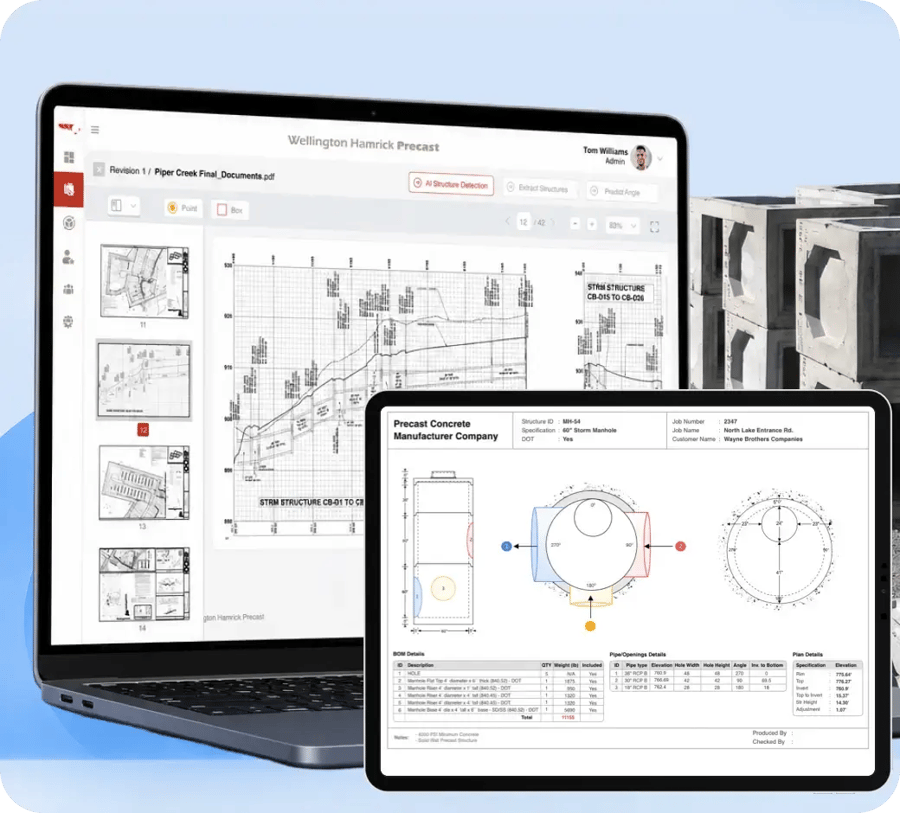

SkyHawk by TELUS needed a streamlined mobile experience for its Connect Anywhere platform. Tech.us built the core experience around real-time asset tracking, fleet activity, secure configuration, and map-based operational visibility.
Read the Case Study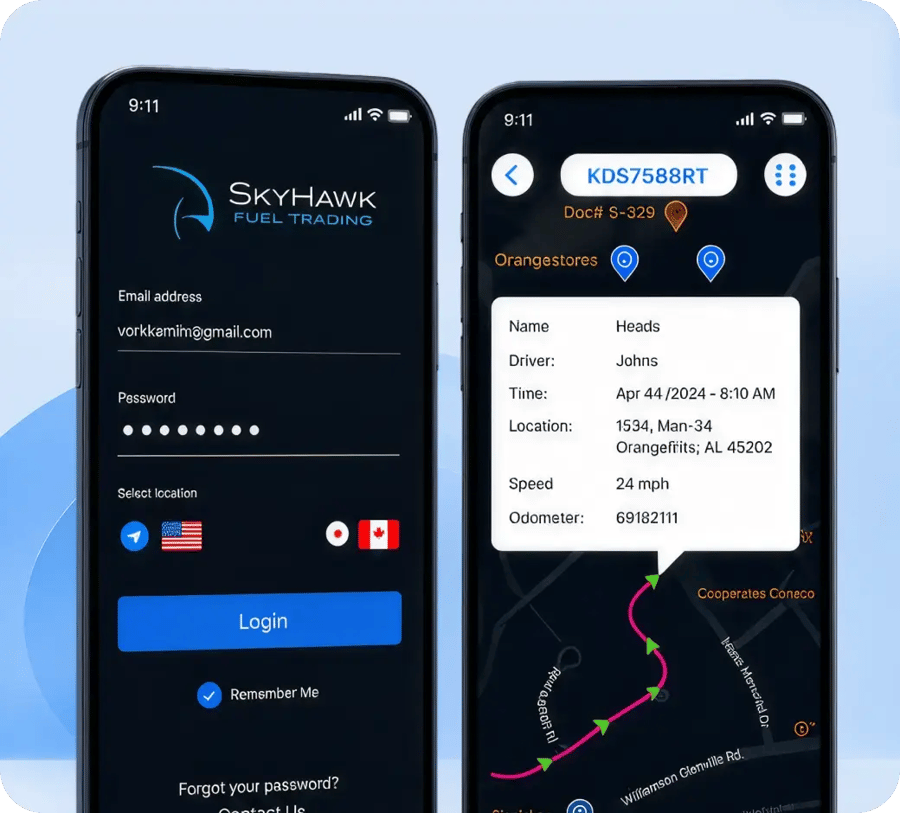

Tech.us helped bring Wealth Mastery to life as a digital platform that puts personalized financial planning tools directly in users' hands while supporting a large and growing audience.
Read the Case Study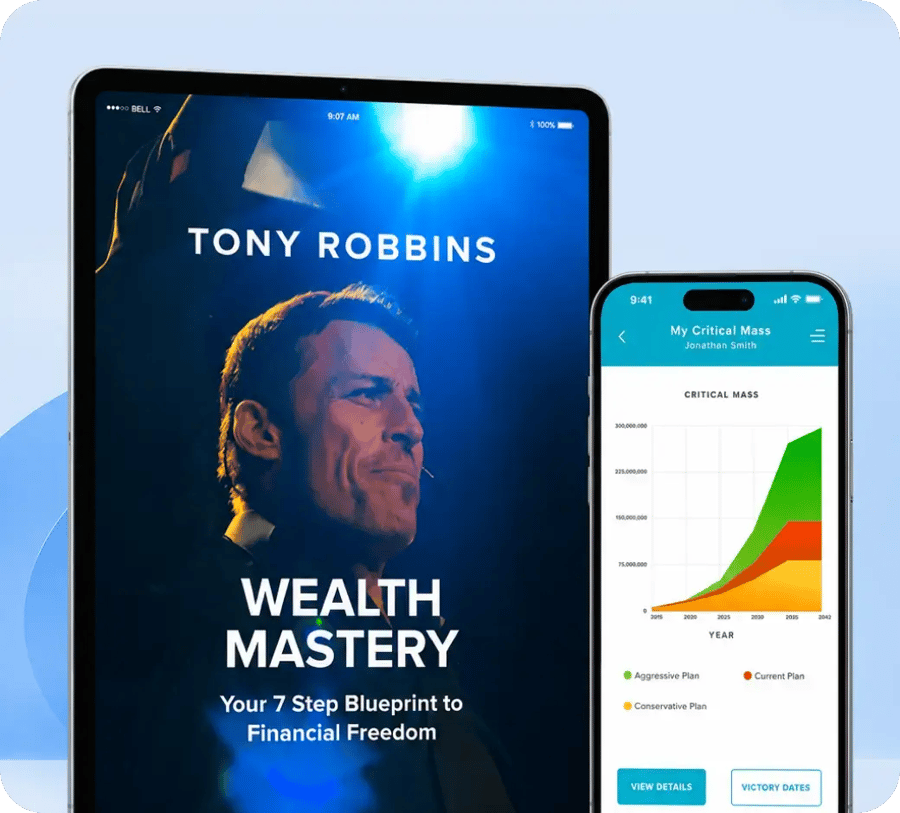
WHY TECH.US
Tech.us supports the migration work before, during, and after workloads move to Azure, covering assessment, migration planning, Azure services, application readiness, resource decisions, and post-migration support.
Assess your existing systems, workload characteristics, data volume, and technical requirements before selecting the migration approach.
Use Azure services such as Azure Migrate, Database Migration Service, Data Box, File Sync, and Azure Kubernetes Service where they fit the migration requirement.
Handle migrations from existing cloud platforms, on-premise infrastructure, physical servers, hybrid environments, databases, and application environments.
Assess application compatibility, database requirements, and schema considerations, with rehosting or refactoring used where the workload requires additional preparation.
Review resource allocation, migration requirements, and potential compatibility issues before execution so cost and migration risks can be considered earlier.
Continue with application compatibility checks, cloud and on-premise integration, resource review, and post-migration support once workloads are running in Azure.

INDUSTRY EXPERIENCE
Industry context affects which systems move, how data needs to be handled, and what availability, security, and operating requirements need to be considered during migration.
Explore All Industries Healthcare
Move healthcare systems and data into Azure while accounting for sensitive information, controlled access, system availability, and regulatory requirements.
Explore Healthcare
 Fintech
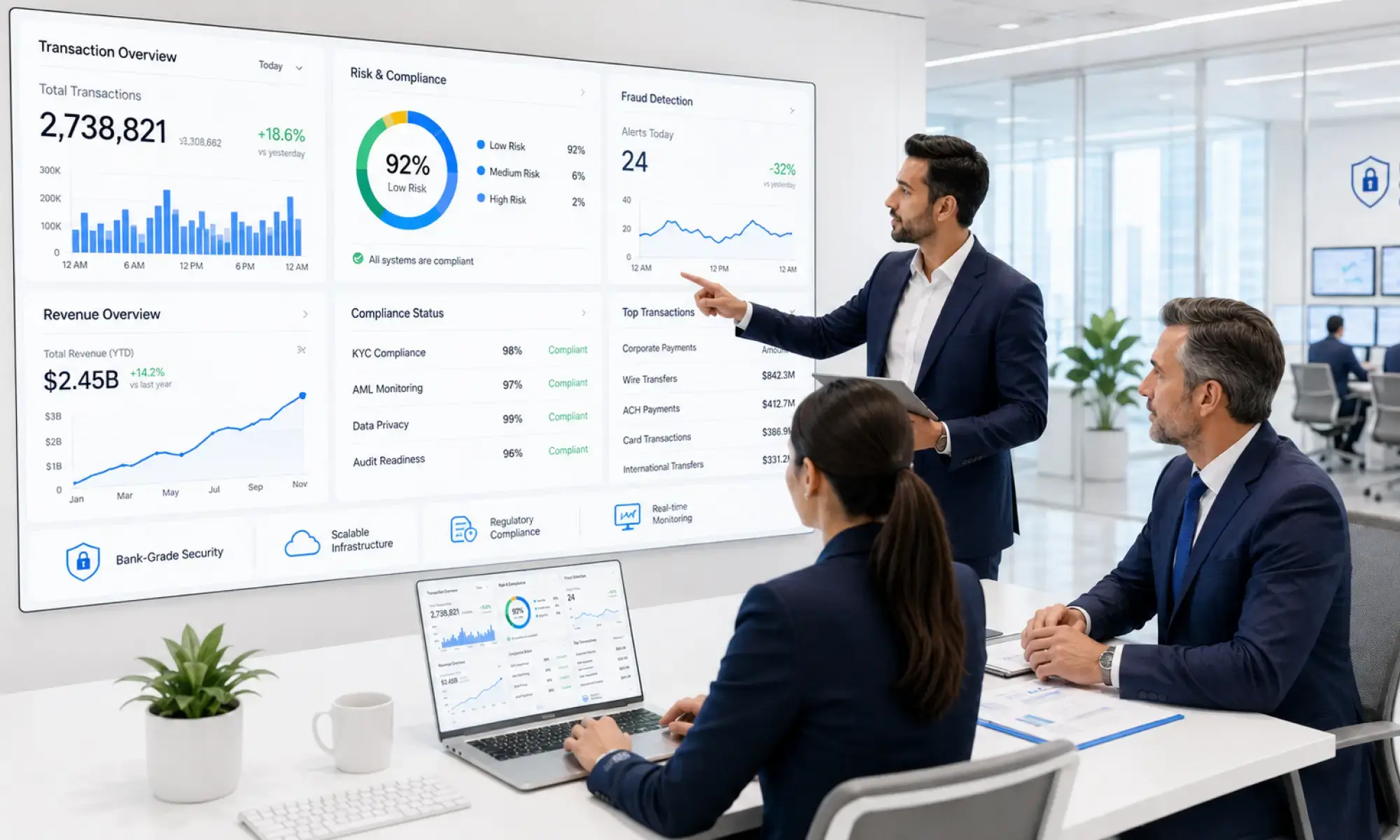
Plan Azure migrations around transaction-heavy financial workloads where security, availability, scalability, and regulatory requirements influence the migration approach.
Explore Fintech
 Retail
Move customer, sales, inventory, and digital commerce workloads into Azure infrastructure that can support changes in online demand.
Explore Retail
 Manufacturing
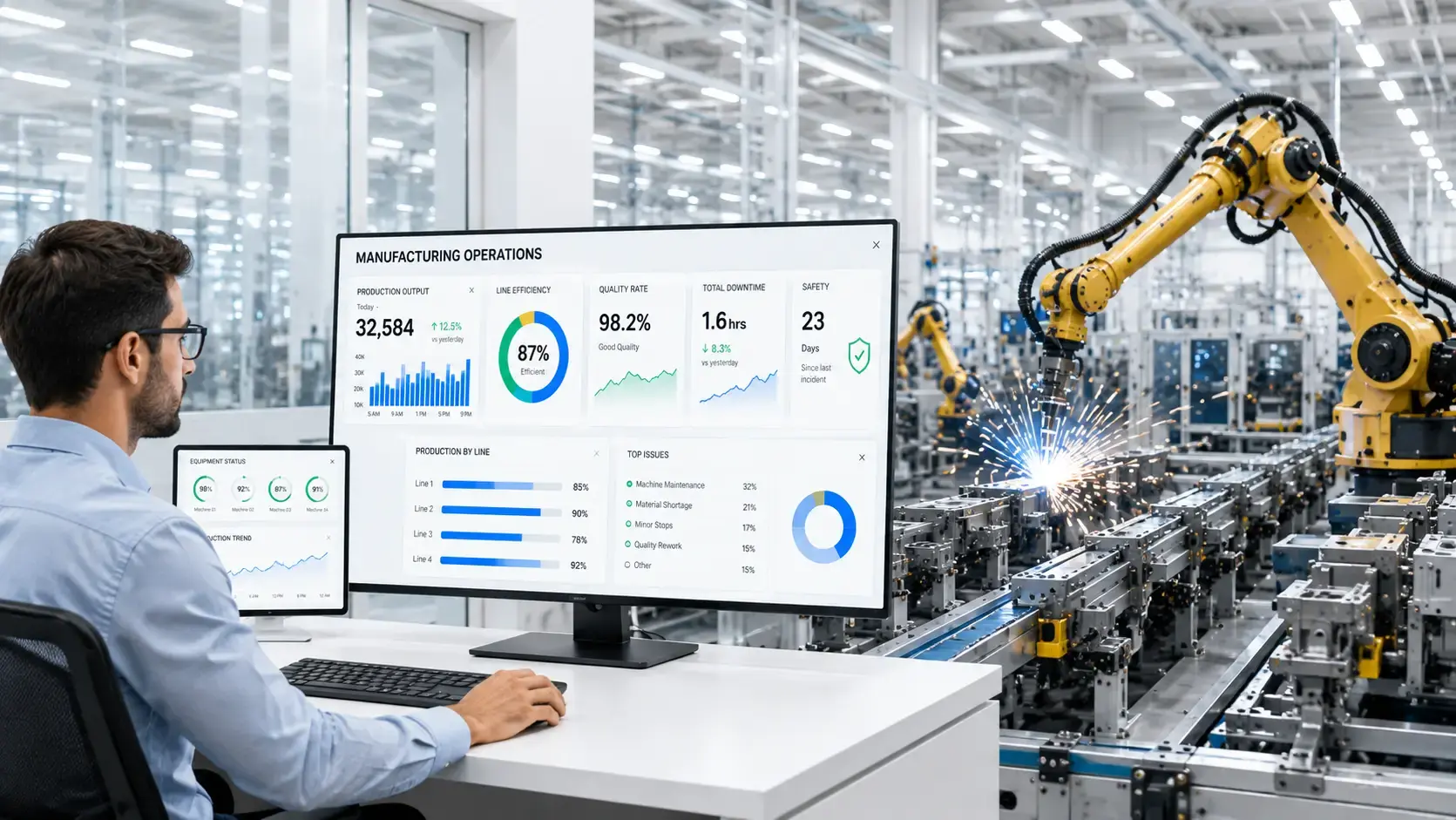
Migrate operational systems and data to Azure where improved information access and connectivity can support manufacturing processes.
Explore Manufacturing
 Real Estate
Centralize property and operational information in Azure to improve access to data across real estate activities.
Explore Real Estate
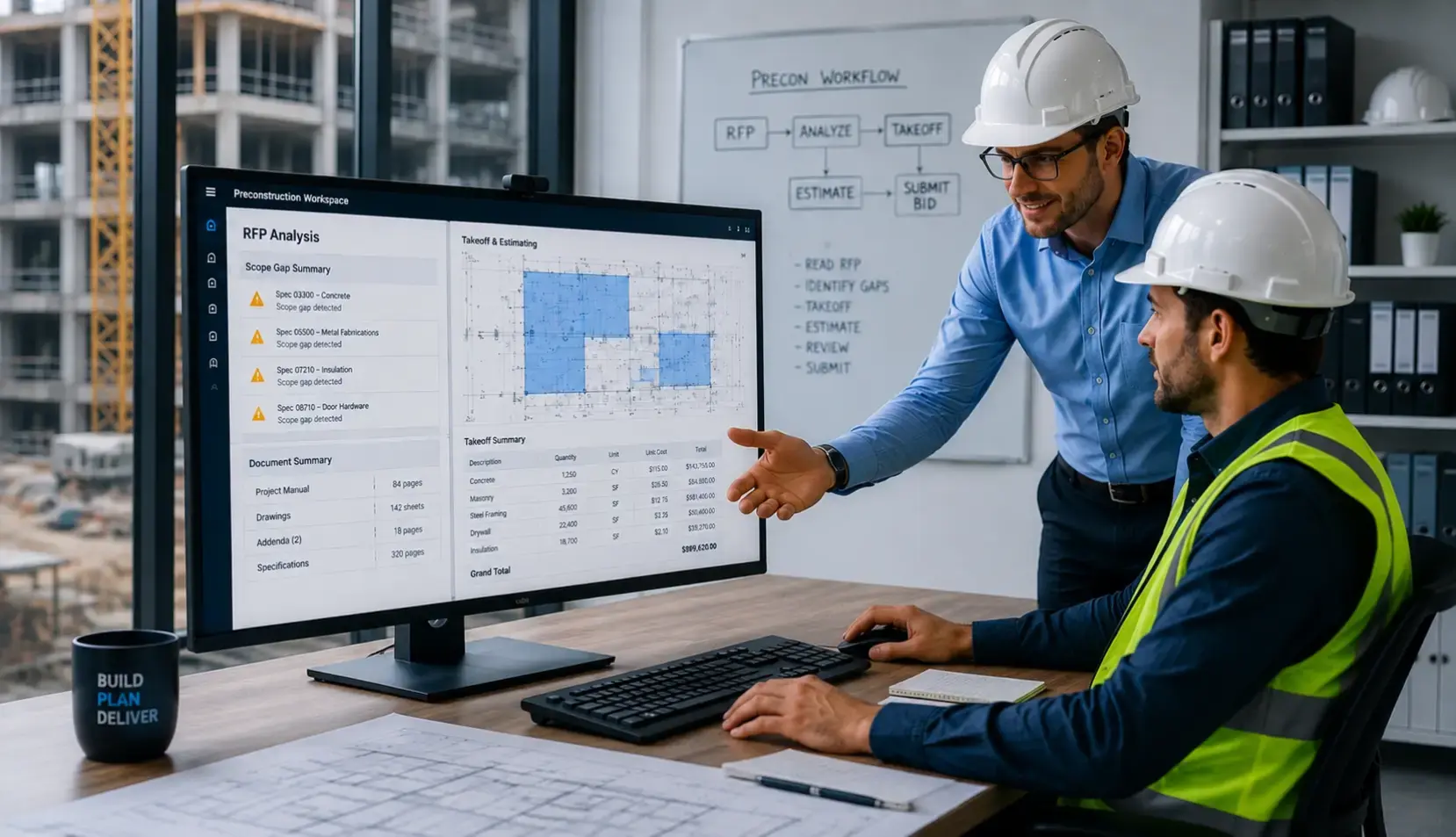 Construction
Move project information and related systems into Azure environments that support secure access and collaboration across distributed locations.
Explore Construction
TECH STACK
Azure migration can involve cloud services, applications, databases, containers, development tools, and the infrastructure surrounding them.
Tech.us works across Azure and related application, database, and DevOps technologies so migration decisions can account for the workloads being moved.
Agentic AI & Orchestration
 Agentic AI
 AI Agents
 Multi-Agent Systems
 Agentic Workflow Automation
 Model Context Protocol (MCP)
 Agent-to-Agent Protocol (A2A)
 Agent Memory and Reasoning
Generative AI & Foundation Models
 Large Language Models
 GPT
 Claude
 Gemini
 Llama
 Generative AI
 Multimodal Foundation Models
 Diffusion Models
 Small Language Models
 Model Fine-Tuning
 Prompt & Context Engineering
Machine Learning & Deep Learning
 Machine Learning
 Deep Learning
 Predictive Analytics
 Recommendation Systems
 Anomaly Detection
 Time-Series Analysis
Data & AI Platforms
 AI-Ready Data Platforms
 Data Lakes and Lakehouse
 Data Engineering
AI Frameworks & Libraries
 PyTorch
 TensorFlow
 Scikit-learn
 Hugging Face Transformers
 LangChain
 LangGraph
MLOps, LLMOps & AgentOps
 MLOps
 LLMOps
 AgentOps
 Model Deployment and Serving
 Agent Deployment
 Model and Agent Observability
 Prompt and Response Tracing
 AI Cost Optimization
AI Evaluation, Safety & Governance
 LLM Evaluations
Agent Evaluations
 RAG Evaluations
 AI Guardrails
 Prompt-Injection Protection
 Red Teaming
 Responsible AI
 AI Governance
Cloud AI Technologies
Google Cloud
 Vertex AI
Gemini Models
 Agent Studio
 Vertex AI Agent Builder
 Agent Development Kit
 Vertex AI Vector Search
 Google Cloud Document AI
 Google Cloud Vision AI
Microsoft Azure
 Microsoft Foundry
 Microsoft Copilot Studio
 Microsoft Agent Framework
 Azure AI Document Intelligence
 Azure AI Speech and Vision
 Microsoft Fabric
 Microsoft Purview
Language, Vision, Speech & Document AI
 NLP, NLU and NLG
STT, TTS and ASR
 Conversational AI
 Document Intelligence
 Computer Vision
RAG, Search & Knowledge Systems
 Enterprise RAG
 Agentic RAG
 Multimodal RAG
 Enterprise Search
 Semantic & Hybrid Search
 Vector Databases
 Knowledge Graphs
 Reranking and Retrieval Optimization
RECOGNITION
Explore the awards and industry recognition associated with Tech.us.