Automate Work That Depends on Seeing
Reduce the time people spend inspecting, reviewing, sorting, or monitoring visual information.
Tech.us builds computer vision systems that help businesses automate visual work, improve quality, strengthen safety, and act faster on what their cameras and images reveal.
We design for real-world conditions, connect vision into the systems where work happens, and deploy from edge to cloud so performance stays reliable in production.
Projects Delivered
Years of Engineering
Industries Served
Trusted by organizations that depend on technology



WHAT COMPUTER VISION CHANGES
Computer vision helps businesses act on what is happening across images and video without relying on constant manual review. It turns visual information into something teams and systems can use immediately.
Reduce the time people spend inspecting, reviewing, sorting, or monitoring visual information.
Surface defects, risks, events, and changes sooner so teams can respond before they become more costly.
Capture counts, dimensions, movement, and conditions as usable data instead of relying on estimates or manual checks.
Turn what cameras and images reveal into alerts, records, searches, and automated workflows that move work forward.
COMPUTER VISION SERVICES
We evaluate sample footage from your actual site to establish whether the task is achievable, what capture changes it requires, and what accuracy is realistic.
We specify cameras, mounting, lighting, and configuration for the detection task, working with existing installations where they are adequate.
We build labeled image and video datasets with written guidelines, measured agreement, and deliberate inclusion of hard and rare cases.
We build models that categorize images at volume for sorting, screening, grading, and routing tasks.
We build detection and multi-object tracking across images and video streams for counting, monitoring, and movement analysis.
We build pixel-level segmentation where the task requires area, boundary, or dimension rather than presence, including measurement against calibrated references.
We build inspection models trained on your confirmed defects, including approaches that learn normal appearance where defect examples are too scarce to train on directly.
We build text and structure extraction from photographs, scans, labels, and drawings, including layout-aware reading.
We build event, action, and sequence recognition over video where the information is in the movement rather than any single frame.
We compress, quantize, and optimize models for the hardware available on site, then verify accuracy after optimization rather than before it.
We connect detections into the systems that act on them, and instrument the deployment to detect camera and condition changes.
SELECTED WORK
See how we solve complex business problems across industries with practical technology solutions.
View All Case Studies

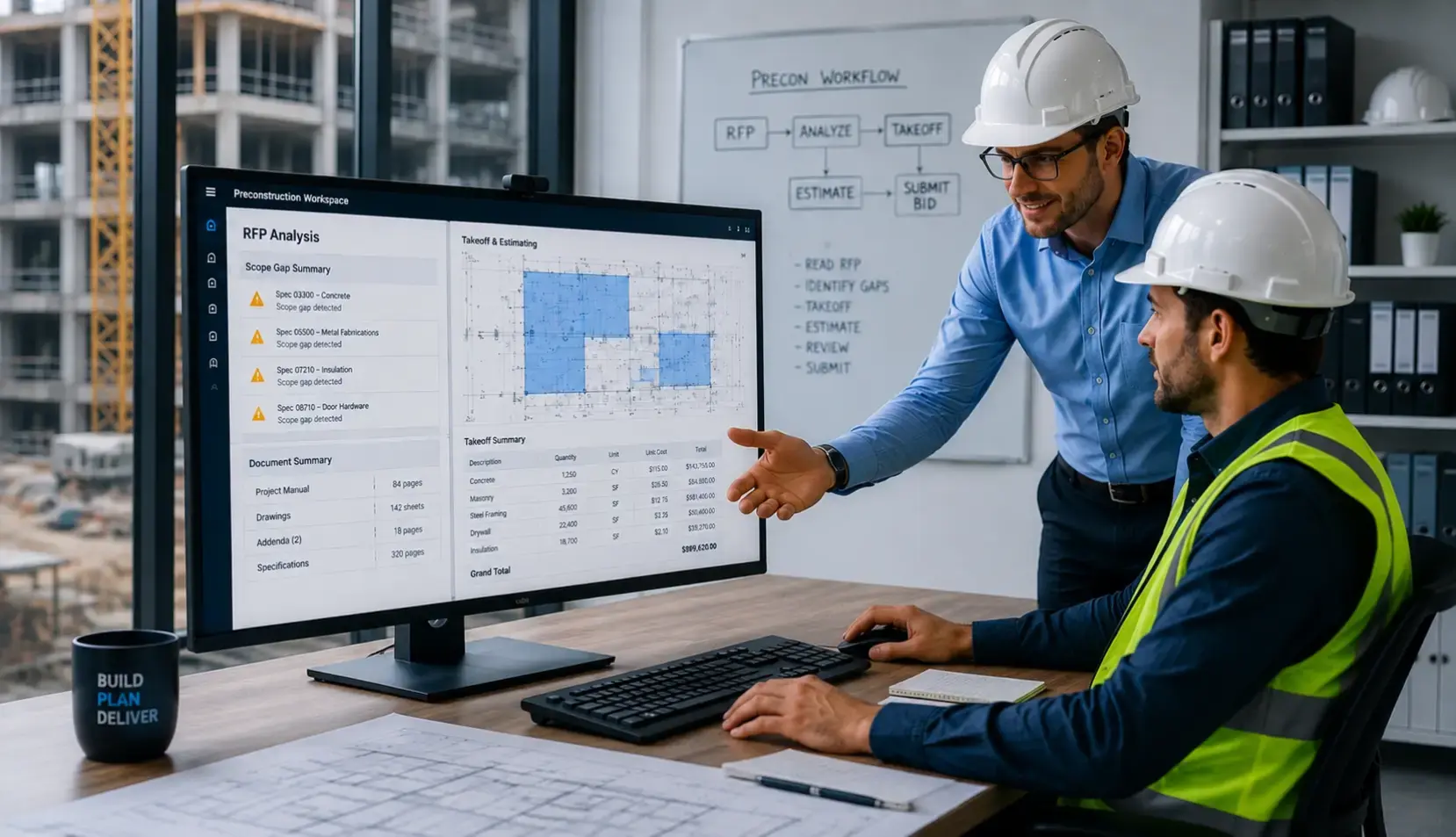
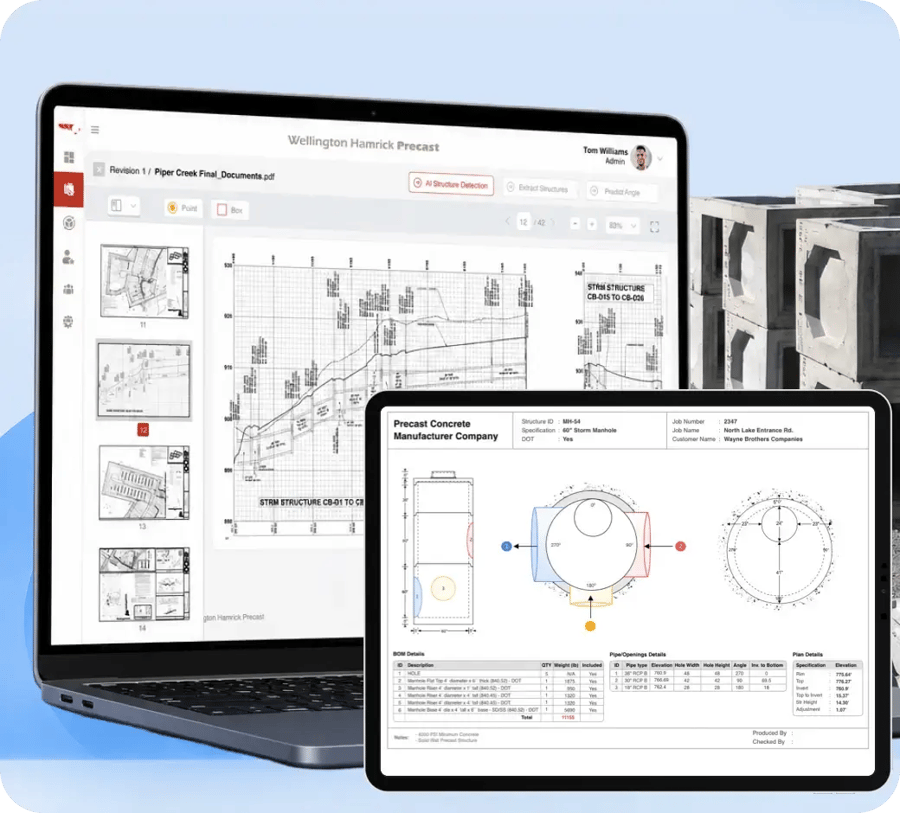
A precast concrete manufacturer partnered with Tech.us to bring AI into the estimating workflow. The system uses OCR, computer vision, and generative AI to identify, extract, and visualize structures, pipes, and components from complex construction drawings.
Read the Case Study

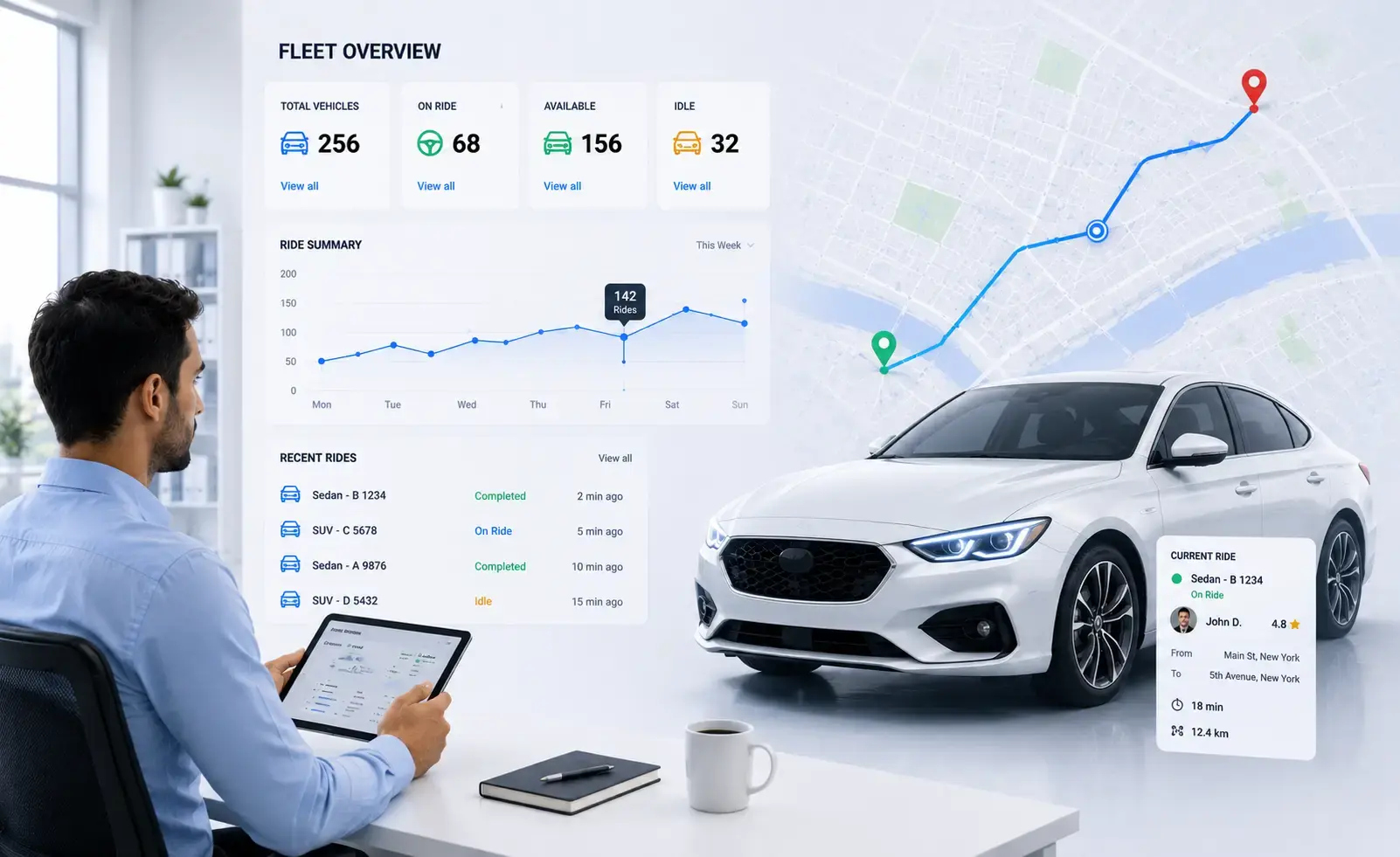
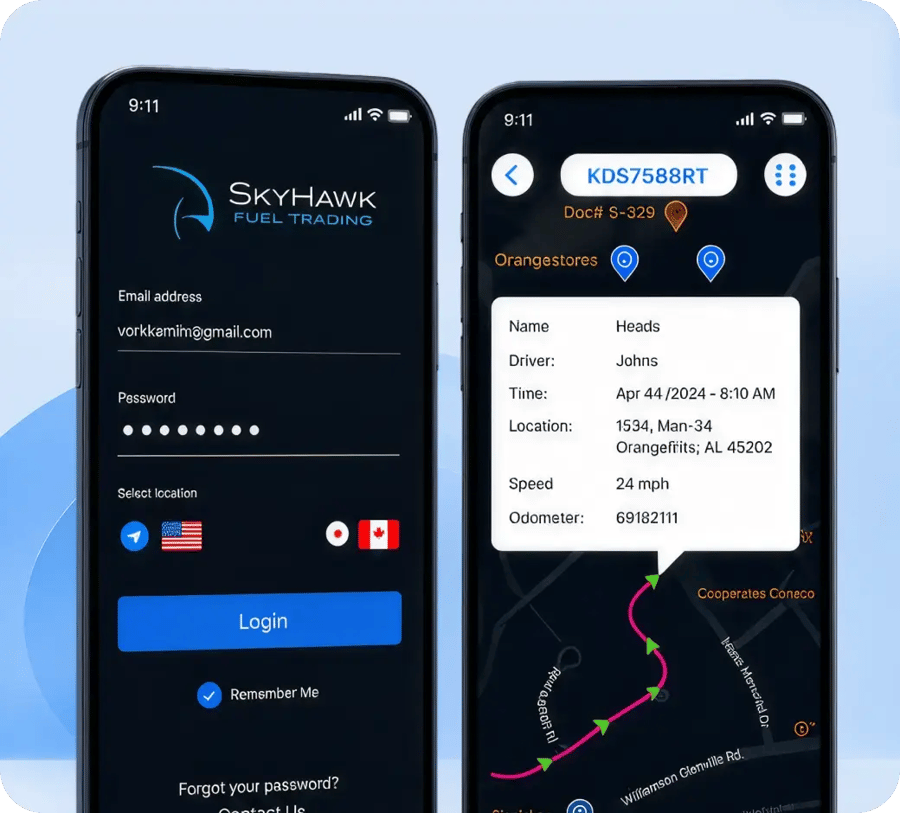
SkyHawk by TELUS needed a streamlined mobile experience for its Connect Anywhere platform. Tech.us built the core experience around real-time asset tracking, fleet activity, secure configuration, and map-based operational visibility.
Read the Case Study

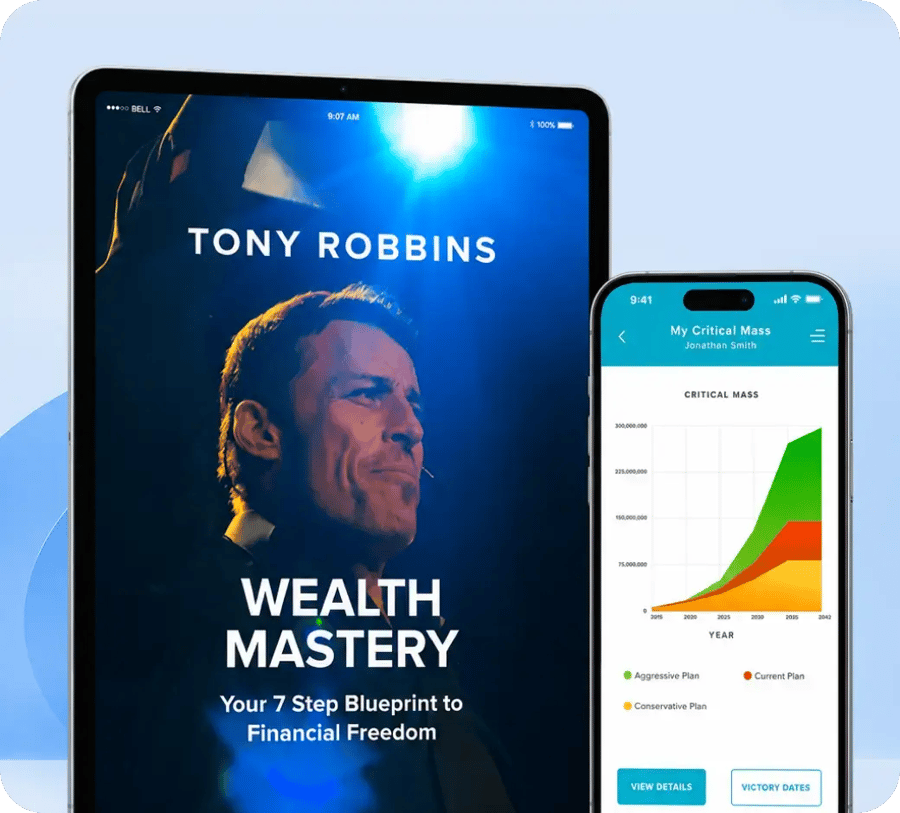
Tech.us helped bring Wealth Mastery to life as a digital platform that puts personalized financial planning tools directly in users' hands while supporting a large and growing audience.
Read the Case Study
WHY TECH.US FOR COMPUTER VISION
A computer vision system only creates value when the result can be trusted and used inside the business. We design around what needs to improve, then build the data, models, integration, and controls required to make it work in practice.
Before choosing a model, we define the task the business needs to improve and what should happen once the system produces a result. This keeps the technology tied to a measurable operational outcome.
We work with images and video from the environment where the system will actually operate. This helps establish what is achievable before significant time is spent building.
Real-world data is rarely clean or consistent. We deliberately include uncommon conditions, confusing examples, and edge cases so performance is not based only on ideal examples.
A detection, measurement, or classification is useful only if something happens next. We connect outputs to alerts, workflows, business systems, or human review so teams can act on them.
We evaluate performance across the environments and conditions in which the system will be used rather than relying on one overall accuracy number.
Deployment environment, processing speed, privacy, monitoring, and ongoing maintenance are considered during development so the system can move beyond a successful pilot.

HOW WE WORK
We start with the outcome the business needs, prove that the available visual data can support it, and build toward a system that fits into day-to-day operations.
We establish what needs to improve, what the system needs to identify, measure, read, track, or understand, and how the result will be used.
We review real images or video to understand whether they contain enough information for the required task and where quality or coverage may need to improve.
We test the approach on representative data before committing to a larger build. This gives stakeholders an early view of achievable performance and the main constraints.
We prepare the dataset, develop the models, and test against normal conditions as well as difficult and less common cases.
We integrate outputs into the systems and processes where people can act on them, including human review where a decision should not be fully automated.
We deploy on-site or in the cloud, validate performance in the real environment, monitor how the system behaves over time, and expand based on measured results.
BEFORE WE BUILD
The right computer vision solution starts with understanding what the business needs from the visual information, not with choosing a model.
Which process, decision, or outcome should change if the system works successfully?
Does it need to identify something, classify it, measure it, track movement, read information, or recognize an event?
Who or what acts on the output, and should the result trigger an alert, workflow, system update, or human review?
A missed event and a false alert can have very different consequences. Understanding that difference determines how the system should behave.
Some decisions must happen immediately, while others can be processed later. This affects how and where the system should run.
We consider differences across locations, equipment, environments, operating conditions, and the visual data itself.
Privacy, storage, connectivity, processing location, and integration requirements can all shape the final approach.
INDUSTRY EXPERIENCE
See how we adapt our approach to the unique challenges and opportunities across different industries.
Explore All Industries
Manufacturing
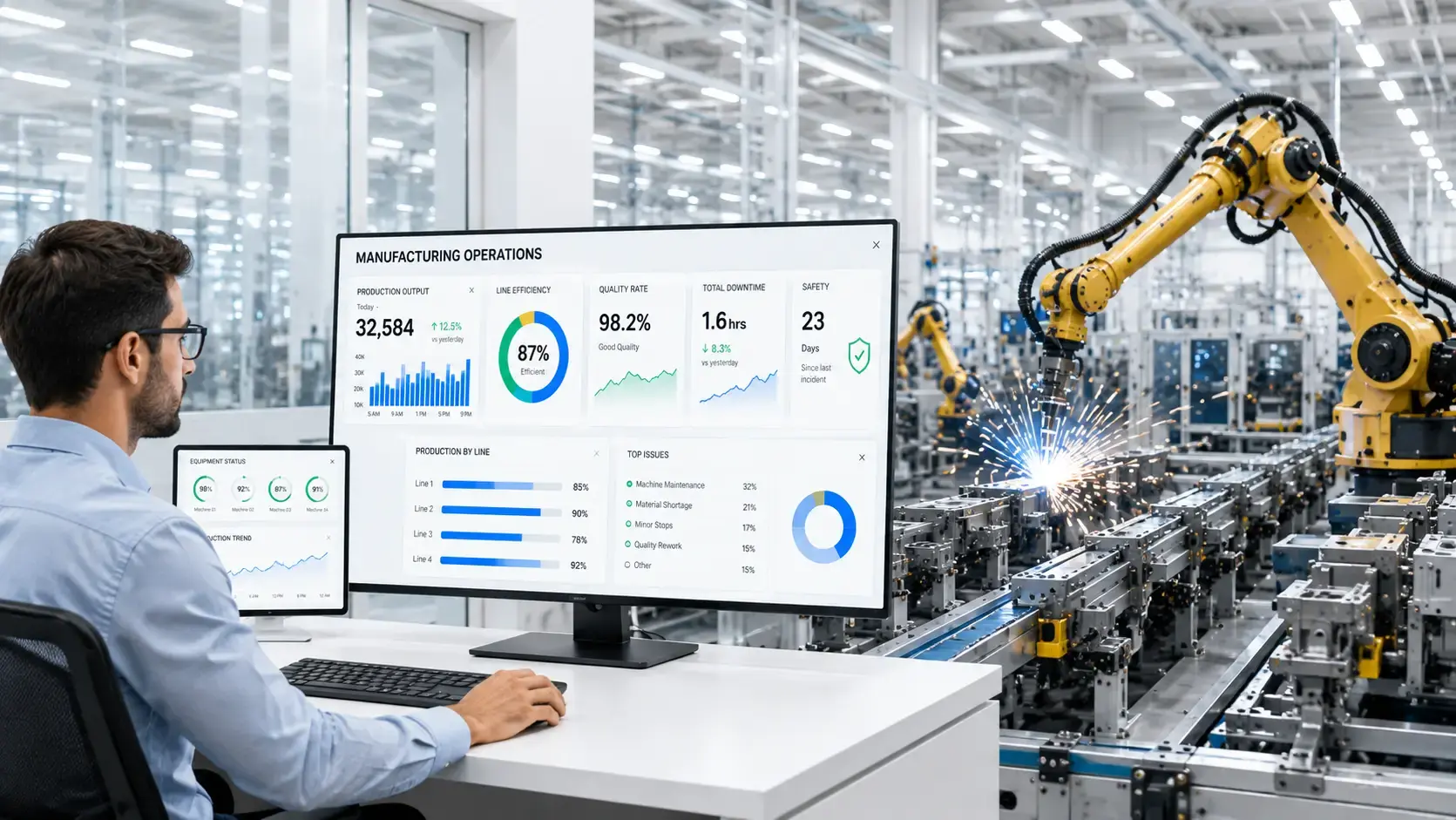
Improve quality control, monitor production activity, count output, and identify problems earlier in the process. We design around real production conditions such as line speed, vibration, reflective materials, and uncommon defects.
Explore Manufacturing→
Construction
Use site imagery to monitor progress, improve visibility into work completed, support safety processes, and extract useful information from complex project environments. The approach accounts for changing light, moving equipment, temporary setups, and sites that evolve continuously.
Explore Construction→
Healthcare
Support clinical teams with imaging analysis that can help surface areas of interest, measure changes, and assist review. Systems are designed as decision-support tools with appropriate validation, privacy, and human oversight.
Explore Healthcare→
Retail and E-Commerce
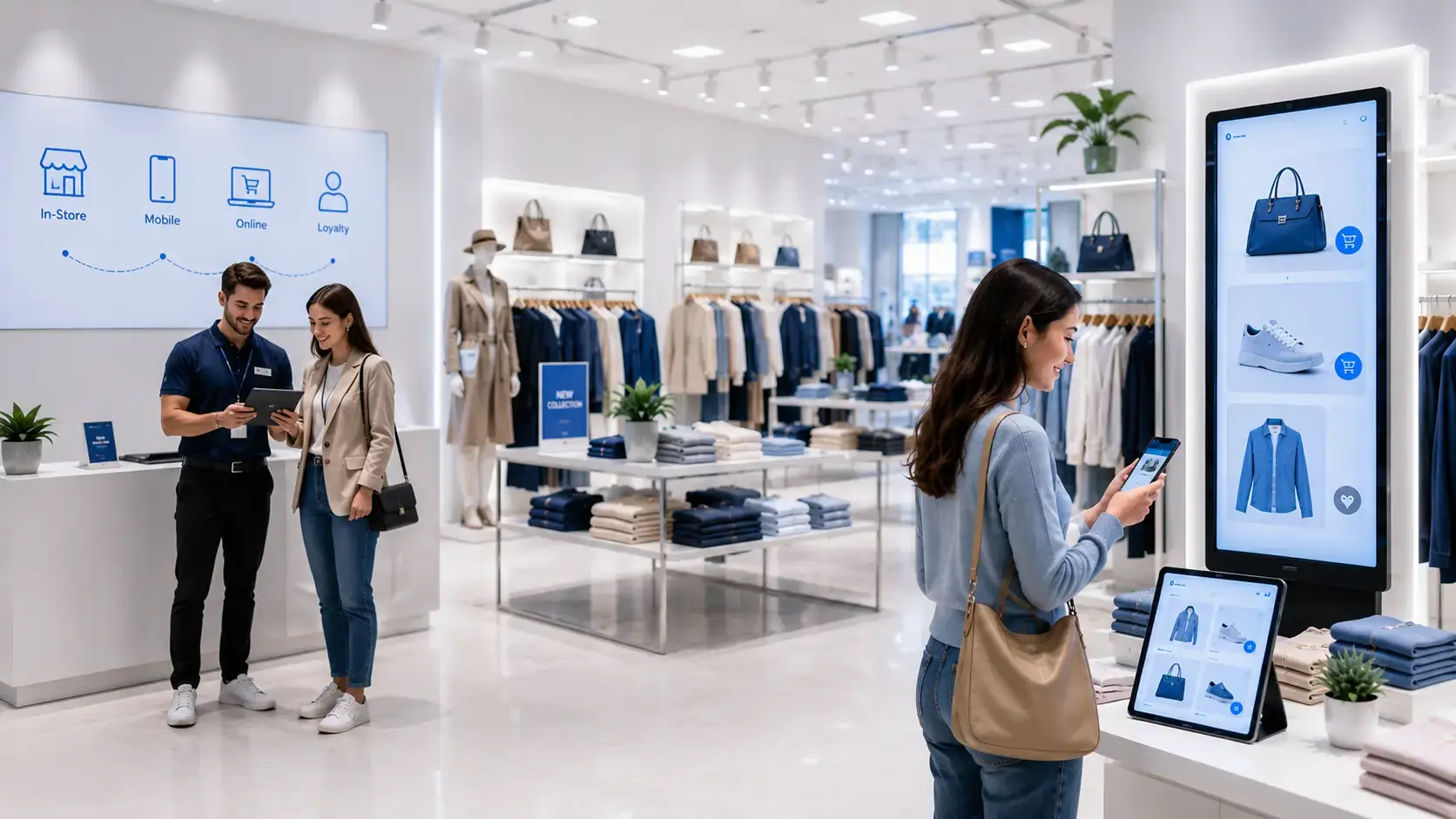
Make large visual catalogs easier to organize, search, and understand while supporting applications such as product recognition, visual search, shelf analysis, and automated tagging.
Explore Retail and E-Commerce→
Transportation and Logistics
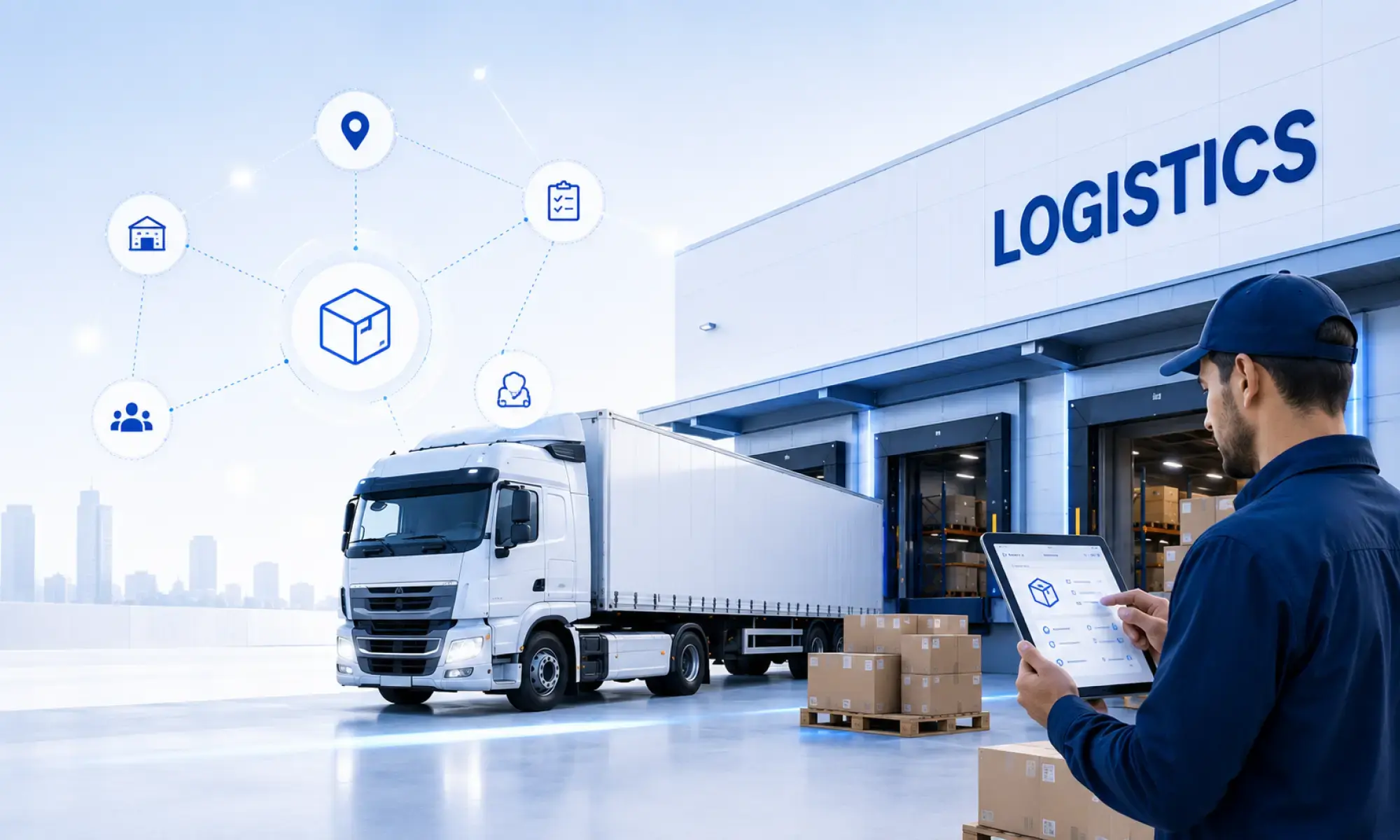
Track assets and movement, read labels and identifiers, monitor activity, and turn visual information from facilities and vehicles into data that operations teams can use.
Explore Transportation and Logistics→
Automotive
Support inspection, measurement, component recognition, and other visual processes where reliable performance can improve quality and reduce manual review. Systems are validated against the conditions in which they will actually operate.
Explore Automotive→
PRODUCTION ENGINEERING
A successful demonstration is only the beginning. Production performance depends on whether the system continues to work as environments, data, equipment, and operating conditions change.
Performance starts with whether the required detail is actually visible. We account for image quality, viewing conditions, motion, resolution, and consistency so the system receives information it can reliably use.
There is rarely one perfect accuracy number. We balance missed events, false alerts, and uncertain results according to their real business consequences, with human review where appropriate.
Conditions change across locations, shifts, equipment, seasons, and use cases. We validate against that variation instead of assuming results from one controlled environment will apply everywhere.
Inputs and operating conditions can change after launch. We monitor performance, evaluate new difficult cases, and validate updates so problems can be addressed before they affect the wider operation.
Privacy and Visual Data
Visual data is distinctive because it captures people who are not the subject of the system. These controls are designed in rather than added after a complaint.
Running inference on site means frames can be analyzed and discarded without footage leaving the premises, which reduces exposure and bandwidth at the same time.
Where footage and derived images are stored, processed, transmitted, logged, and retained is designed around your requirements rather than a platform's default.
Faces, plates, badges, and screens can be blurred or masked at capture where the task does not require them, so retained material carries less than the camera saw.
Face recognition and other biometric identification carry consent, notice, and legal obligations that vary by jurisdiction and differ sharply from ordinary object detection. We scope these as a distinct category rather than as another detection task.
Training footage, evaluation sets, live streams, and flagged events serve different purposes and are given different retention periods rather than one blanket policy.
Who can view live feeds, stored footage, and flagged detections is defined by role, and that access is logged, since footage of people is among the most sensitive data an operation holds.
Training images are stored under the same controls as the source footage, and models are registered and pulled from a controlled location rather than copied between devices.
COMPUTER VISION TECHNOLOGY
We work across detection, segmentation, tracking, and classification model families, vision transformers and convolutional architectures, OCR and document vision, edge runtimes and accelerators, annotation tooling, streaming video infrastructure, and the monitoring services that keep a deployment measurable. Selection follows what the camera can deliver, the smallest feature that must be detected, latency and throughput requirements, the compute available on site, where footage is permitted to be processed, and what your team can maintain.
Agentic AI & Orchestration
Agentic AI
AI Agents
Multi-Agent Systems
Agentic Workflow Automation
Model Context Protocol (MCP)
Agent-to-Agent Protocol (A2A)
Agent Memory and Reasoning
Generative AI & Foundation Models
Large Language Models
GPT
Claude
Gemini
Llama
Generative AI
Multimodal Foundation Models
Diffusion Models
Small Language Models
Model Fine-Tuning
Prompt & Context Engineering
Machine Learning & Deep Learning
Machine Learning
Deep Learning
Predictive Analytics
Recommendation Systems
Anomaly Detection
Time-Series Analysis
Data & AI Platforms
AI-Ready Data Platforms
Data Lakes and Lakehouse
Data Engineering
AI Frameworks & Libraries
PyTorch
TensorFlow
Scikit-learn
Hugging Face Transformers
LangChain
LangGraph
MLOps, LLMOps & AgentOps
MLOps
LLMOps
AgentOps
Model Deployment and Serving
Agent Deployment
Model and Agent Observability
Prompt and Response Tracing
AI Cost Optimization
AI Evaluation, Safety & Governance
LLM Evaluations
Agent Evaluations
RAG Evaluations
AI Guardrails
Prompt-Injection Protection
Red Teaming
Responsible AI
AI Governance
Cloud AI Technologies
Google Cloud
Vertex AI
Gemini Models
Agent Studio
Vertex AI Agent Builder
Agent Development Kit
Vertex AI Vector Search
Google Cloud Document AI
Google Cloud Vision AI
Microsoft Azure
Microsoft Foundry
Microsoft Copilot Studio
Microsoft Agent Framework
Azure AI Document Intelligence
Azure AI Speech and Vision
Microsoft Fabric
Microsoft Purview
Language, Vision, Speech & Document AI
NLP, NLU and NLG
STT, TTS and ASR
Conversational AI
Document Intelligence
Computer Vision
RAG, Search & Knowledge Systems
Enterprise RAG
Agentic RAG
Multimodal RAG
Enterprise Search
Semantic & Hybrid Search
Vector Databases
Knowledge Graphs
Reranking and Retrieval Optimization
FAQ
Computer vision can automate inspection, tracking, counting, measurement, recognition, visual search, document reading, and video analysis.
We review your visual data, the task, and the operating environment to determine what is realistically achievable before a larger build begins.
Often, yes. We first assess whether the available visual data contains enough detail and consistency for the required task.
It depends on the complexity and variation of the use case. Representative data and difficult edge cases usually matter more than sheer volume.
Yes. The approach can be adapted when examples are scarce, especially when normal patterns are easier to capture than uncommon events.
That depends on response time, connectivity, privacy, processing needs, and where the visual data is allowed to go.
Accuracy depends on the use case, data quality, operating conditions, and the cost of different errors. We define realistic performance targets during feasibility testing.
Yes. Outputs can connect to business applications, alerts, dashboards, workflows, and human review processes so teams can act on the results.
We define where data is processed, stored, and accessed, and can use controls such as on-site processing, redaction, role-based access, and retention rules.
Yes, but performance should be validated across different environments rather than assumed from one successful site or pilot.
Pricing depends on the use case, data preparation, integration needs, deployment environment, number of locations, and ongoing support requirements.
Tell us what you need to detect, track, measure, or understand from images and video. We’ll assess what is feasible and define the practical path to production.
Schedule a Vision Feasibility Review →Use case review · Visual data assessment · Feasibility expectations · Practical next step
We value your privacy
By continuing to use this website, you agree to our Privacy Policy.
If you decline, your information won’t be tracked when you visit this website. A single cookie will be used in your browser to remember your preference not to be tracked.
Necessary cookies keep the site running and are always on. Turn the others on or off to control how Tech.us uses them.
Required for the site to function. Cannot be disabled.
Help us measure traffic and see how visitors use the site so we can improve it. All information is aggregated.
Used to deliver and personalize ads, measure campaign performance, and share data with advertising partners (including Retention.com and RB2B).
For residents of California and other states with similar rights. Turning this on opts you out of the sale or sharing of your personal information for targeted advertising (this also disables Advertising cookies).
Learn more in our Cookie Policy and Privacy Policy. You can change these settings at any time.