ENTERPRISE AI SOLUTIONS

Scale AI Across the Business Without Scaling Cost and Risk

Reduce the cost of each new AI use case while giving leadership clear visibility into what is running and how it is controlled.
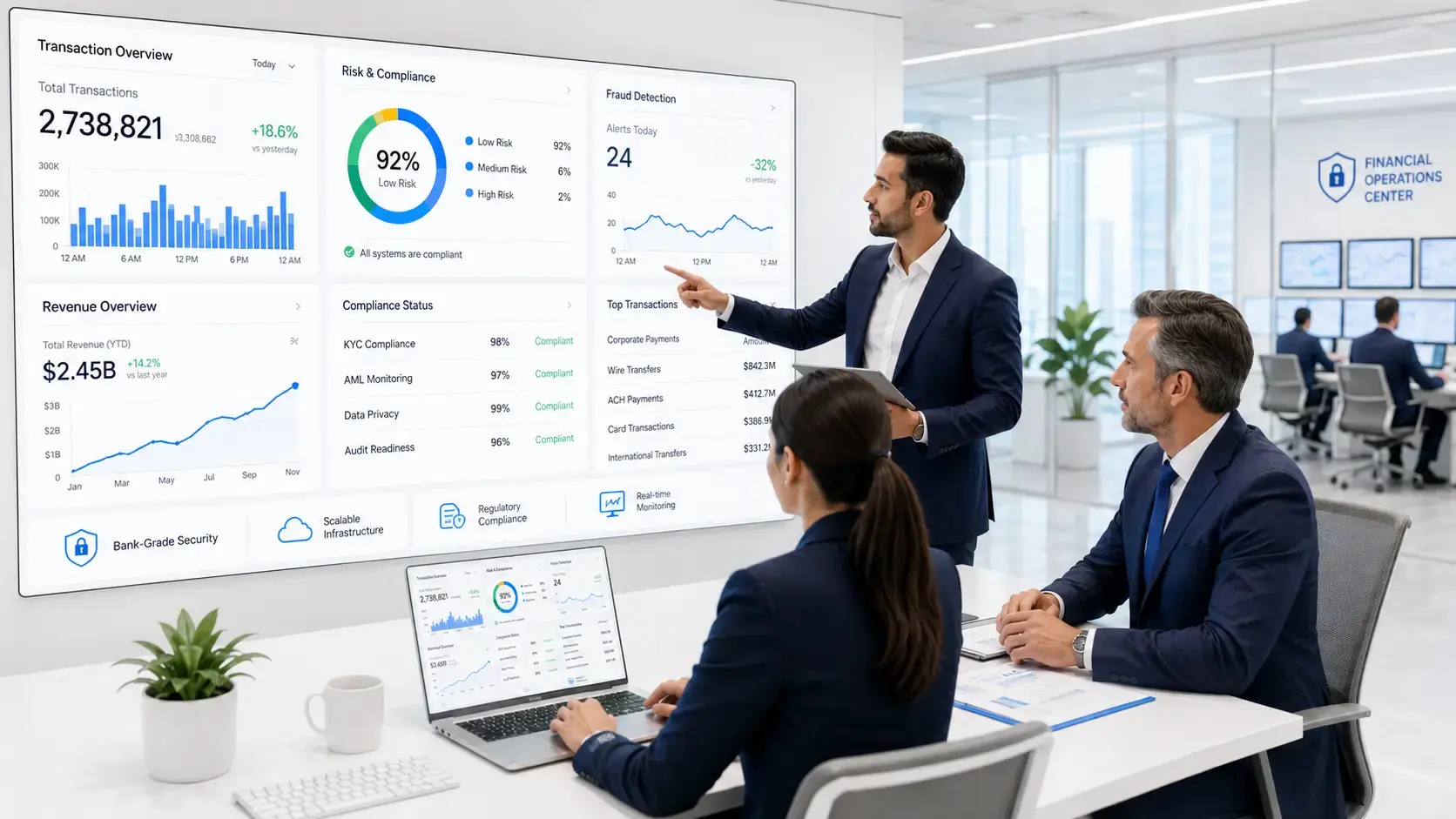
Tech.us builds and operates the shared foundation that connects AI across your existing systems while keeping governance and risk under control.

0 +
0 +
0 +

TRUSTED BY ORGANIZATIONS THAT DEPEND ON TECHNOLOGY

WHAT ENTERPRISE AI CHANGES

Make Every New AI Use Case Easier to Launch and Govern

The first AI system is usually the most expensive to establish. Shared data access and operating controls let later use cases reuse what is already in place.

Lower the Cost of Expansion

Reuse connections and controls instead of rebuilding them for every project.

Move Faster From Pilot to Production

Start new use cases with proven foundations already available.

Reduce Governance Risk

Keep ownership and approvals visible as the number of AI systems grows.

Give Leadership a Clear Portfolio View

Know what AI is running, who owns it, and whether it is operating as expected.

WHERE ENTERPRISE AI APPLIES

Start Where the Work Crosses Departments

The strongest opportunities usually sit where work depends on multiple teams, systems, or decisions.

Operations and Supply Chain

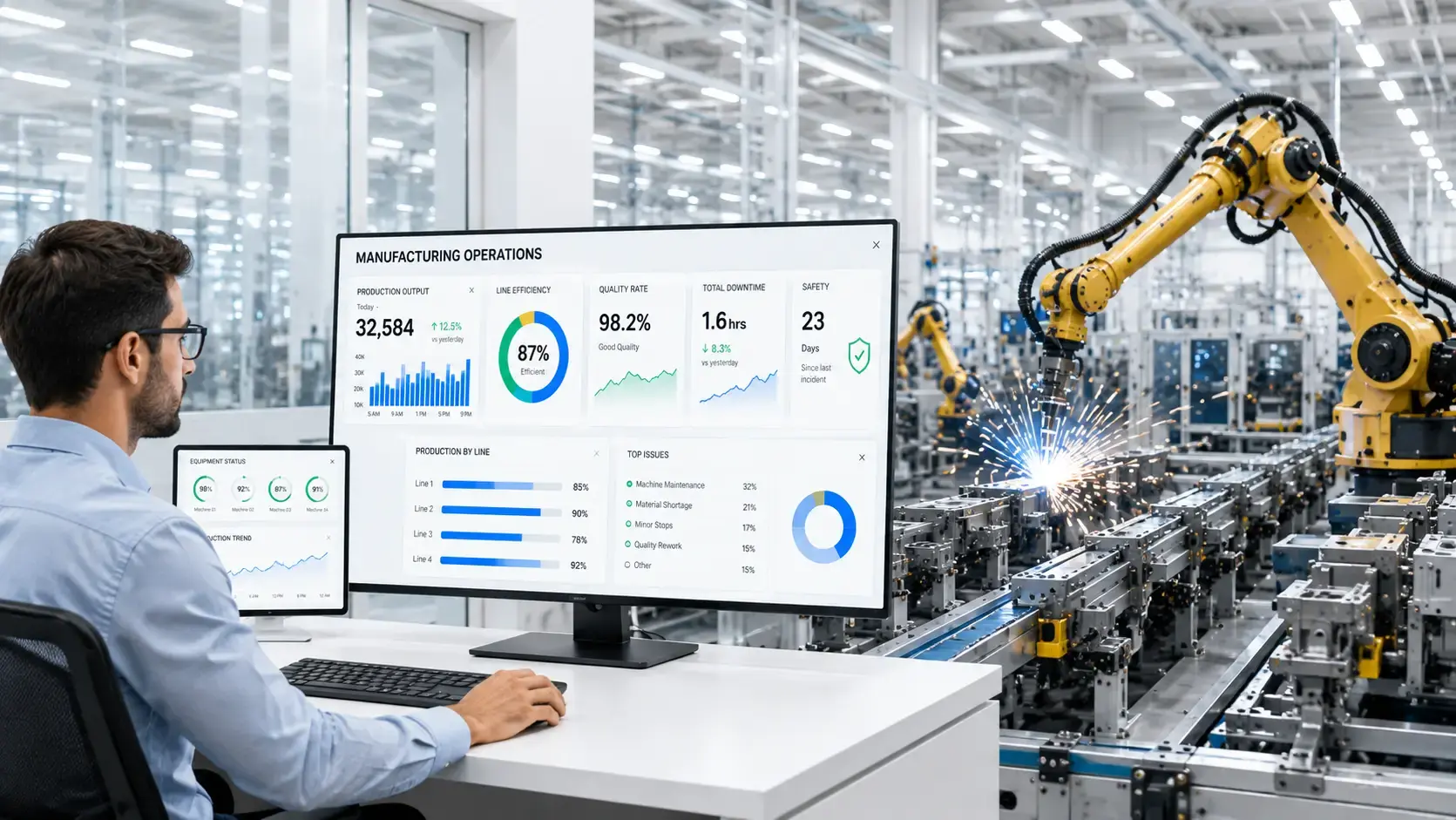
Forecast demand, monitor supplier and inventory conditions, identify exceptions early, and prepare or trigger the next required action across planning, procurement, and fulfillment systems.

Finance, Risk, and Compliance

Support forecasting, anomaly and fraud detection, document review, reconciliation, and control testing, with the traceability and approval steps the function already requires.

Customer Service and Support

Retrieve account and case context, draft responses, recommend or execute approved actions, and route complex cases to the right person with the history already assembled.

Document-Heavy Processes

Classify, extract, compare, summarize, and route information across contracts, claims, invoices, policies, drawings, and correspondence that currently move through people.

Enterprise Knowledge

Give employees grounded answers across approved documents, applications, and records, with permissions enforced and sources visible so people can verify what they are told.

IT and Security Operations

Monitor systems, triage and investigate incidents, maintain documentation, detect unusual activity, and execute approved remediation inside defined boundaries.

ENTERPRISE AI SERVICES

Build the Foundation That Makes Enterprise AI Easier to Scale

We bring strategy, data, integration, governance, and operations together so each new AI use case is easier to launch and manage across the business.

Enterprise AI Strategy and Portfolio Planning

We assess where AI can improve decisions and processes across the organization, then sequence the work by value, feasibility, data readiness, and risk. The output is a prioritized portfolio with owners, success measures, and a defensible order of execution.

Data Foundations for AI

We build the pipelines, access patterns, quality controls, and lineage required to make enterprise data usable by AI systems. That includes connecting sources across departments so models work from a complete picture rather than one function's records.

Enterprise Systems Integration

We connect AI to the ERP, CRM, data platforms, document repositories, and custom applications your teams already use. AI capability is added inside the existing stack rather than requiring a replacement program to justify it.

Custom AI and Machine Learning Development

We build and deploy models for forecasting, classification, detection, recommendation, computer vision, and language tasks using your data and the criteria that matter to the decision.

Generative AI and Enterprise Assistants

We build retrieval-based assistants, knowledge systems, and document workflows grounded in approved sources, with citations, permissions, and evaluation designed into the system.

Intelligent Process Automation

We combine AI with workflow automation and, where the process justifies it, agentic execution, so multi-step work can move forward with people involved at the decisions that carry consequence.

AI Governance and Operating Model

We establish the inventory, approval paths, risk tiering, documentation, review cadence, and ownership model that let an organization account for every AI system it runs. Governance is designed to keep pace with delivery rather than block it.

Security, Identity, and Access Design

We design how AI systems authenticate, what each user and service is permitted to reach, how data moves, and what is logged and retained, based on your architecture and the sensitivity of the use case.

AI Operations and Monitoring

We deploy, version, observe, and maintain AI systems with repeatable pipelines for testing, release, monitoring, retraining, rollback, and incident response across the portfolio rather than one system at a time.

Adoption and Enablement

We design how AI output appears in the workflow, what people are expected to do with it, and where review or override remains necessary, then support the teams who have to use it every day.

SELECTED WORK

Work That Solves Real Business Problems

See how Tech.us turns complex challenges into practical solutions designed to deliver measurable business value.

View All Case Studies

AI-Powered Takeoffs From Complex Construction Drawings

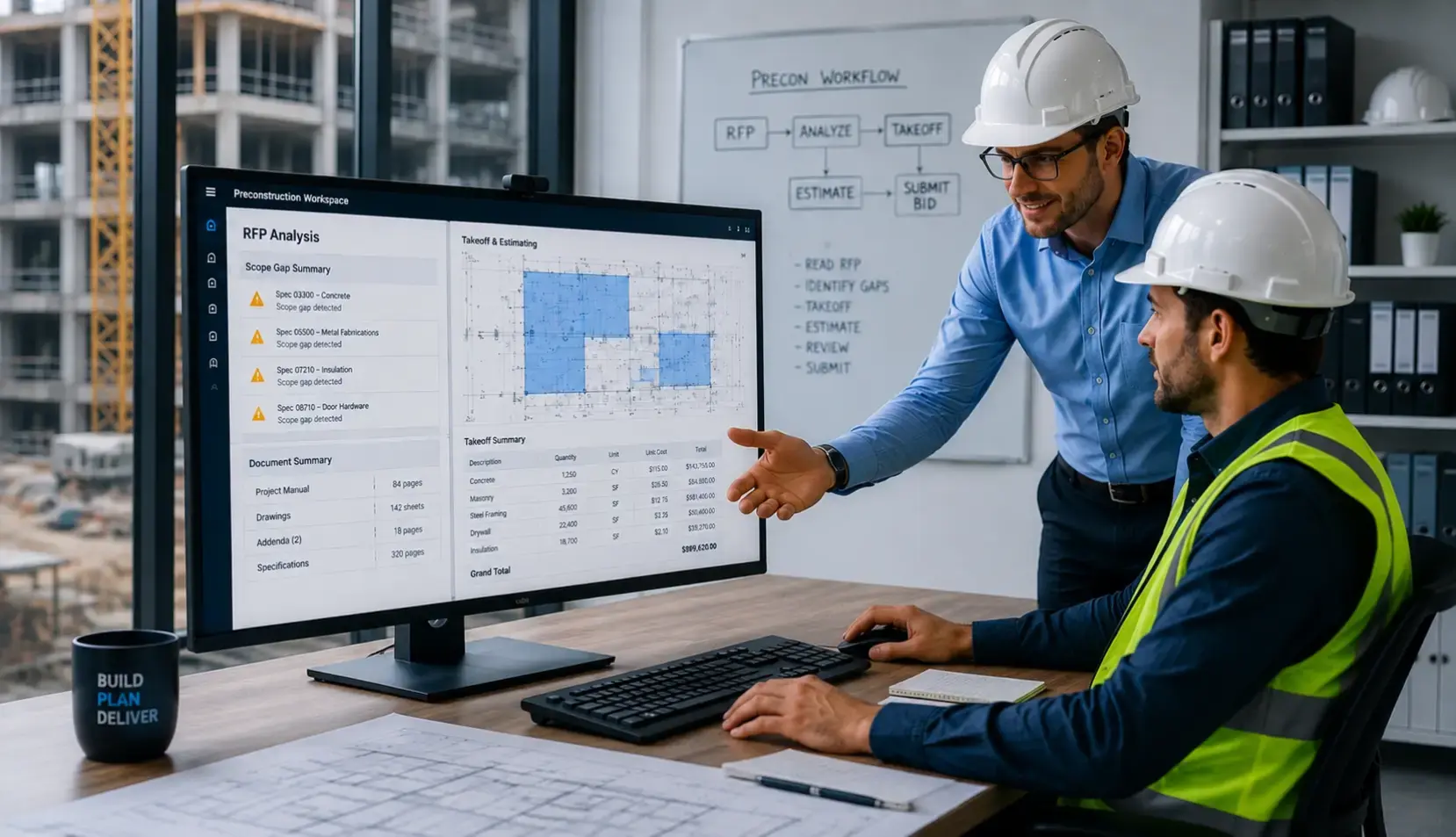
A precast concrete manufacturer partnered with Tech.us to bring AI into the estimating workflow. The system uses OCR, computer vision, and generative AI to identify, extract, and visualize structures, pipes, and components from complex construction drawings.

Read the Case Study
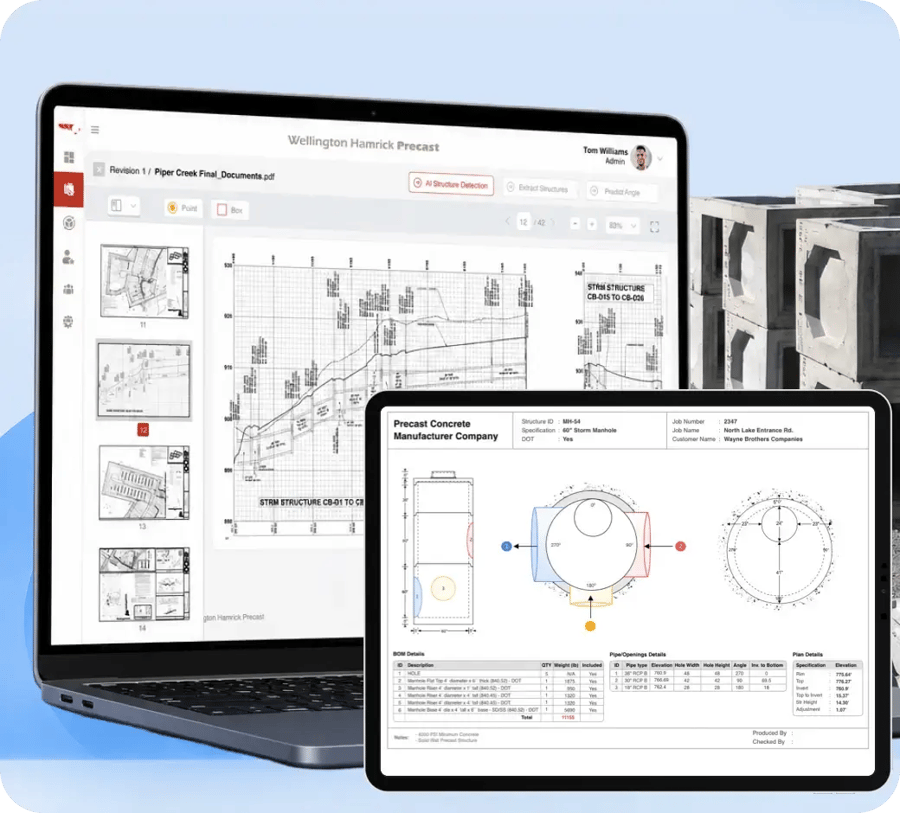

Wellington Hamrick Precast AI takeoff automation tool shown on laptop and tablet

Mobile Fleet Visibility Built for Field Operations

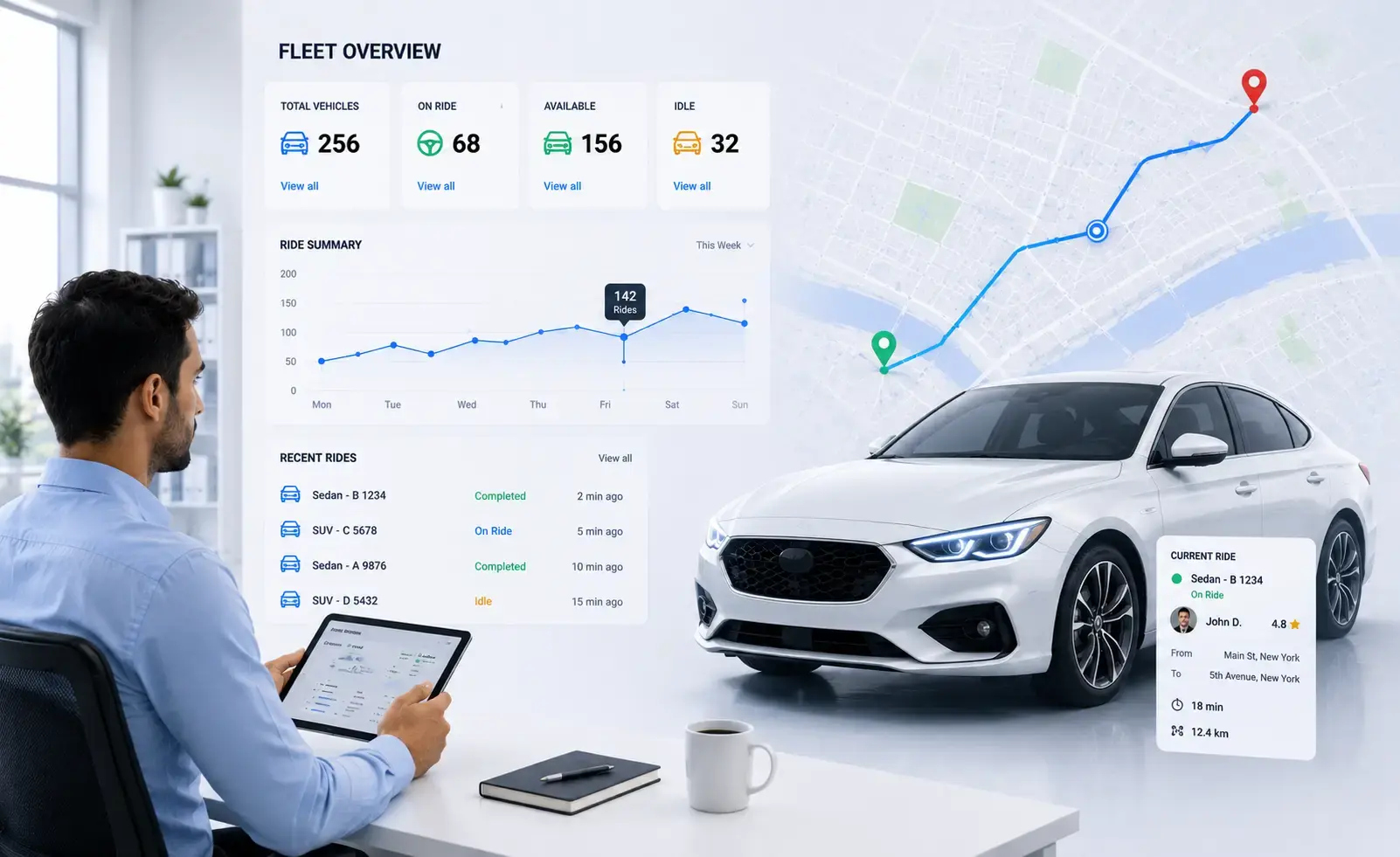
SkyHawk by TELUS needed a streamlined mobile experience for its Connect Anywhere platform. Tech.us built the core experience around real-time asset tracking, fleet activity, secure configuration, and map-based operational visibility.

Read the Case Study
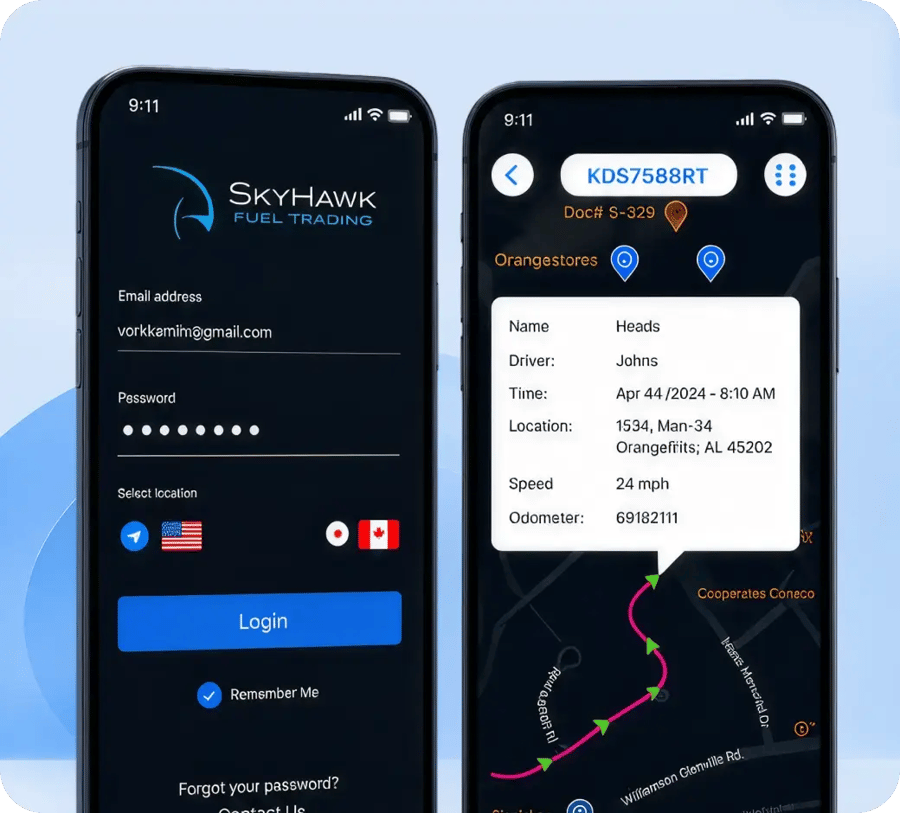

SkyHawk by TELUS mobile app screens showing fleet tracking and login

Personalized Financial Technology Built to Scale

Tech.us helped bring Wealth Mastery to life as a digital platform that puts personalized financial planning tools directly in users' hands while supporting a large and growing audience.

Read the Case Study
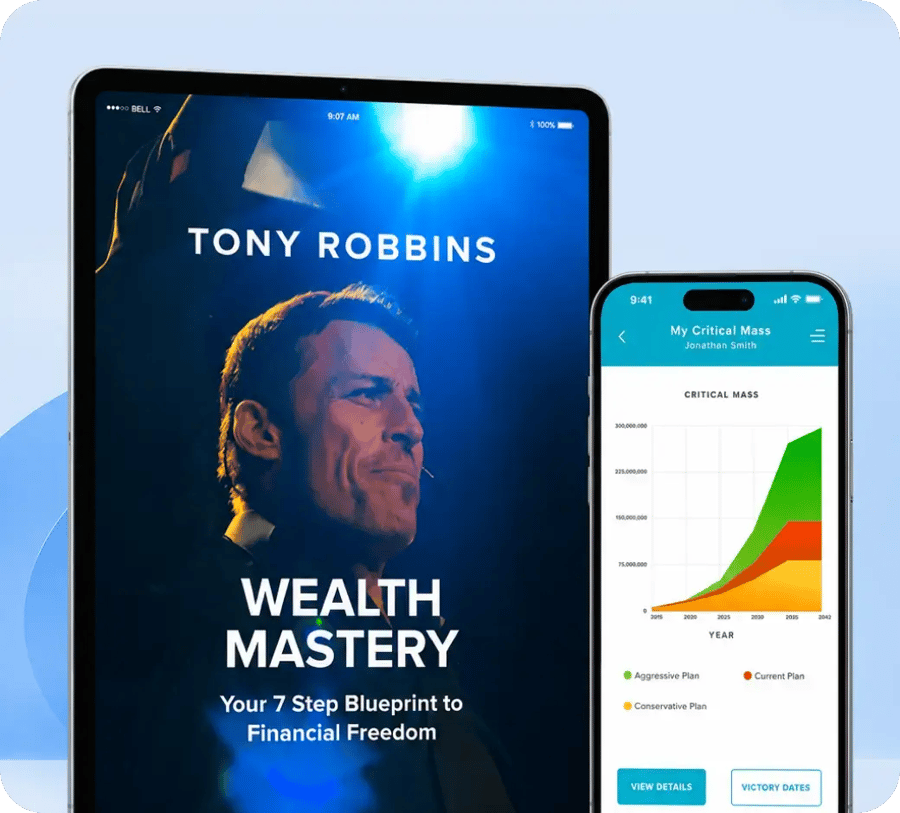
Tony Robbins Wealth Mastery app shown on tablet and phone

ECONOMICS OF SCALE

Make the Next AI Use Case Cost Less Than the First

Enterprise AI becomes more valuable when each implementation builds on the last instead of starting from zero.

Reuse What You Already Built

Carry forward data connections and controls into the next use case.

Reduce Duplicate Engineering

Avoid solving the same integration and governance problems separately across teams.

Spend More on Business Value

Shift investment away from rebuilding foundations and toward the use cases that create measurable outcomes.

WHY TECH.US FOR ENTERPRISE AI

Built for Enterprise AI That Can Scale With Control

We combine engineering depth with practical governance so AI can expand across your business without creating unnecessary complexity, risk, or dependence.

We Build the Systems and the Layer Around Them

Enterprise AI depends on software, data, integration, identity, security, user experience, evaluation, and operations. Tech.us can engineer the systems and the operating capability rather than delivering one and describing the other.

We Work With the Stack You Already Run

Replacing working enterprise platforms to adopt AI is rarely justified. We integrate with the applications, data platforms, and infrastructure already in place and design around their real constraints.

We Design Compliance Around Your Requirements

We build to the regulatory and internal control requirements that apply to your organization and industry, including how data is handled, who can access it, what is logged, and what evidence the business needs to produce.

We Require Human Review of AI-Generated Code

Tech.us requires human review of AI-generated code before it is accepted into a client system. AI can accelerate engineering; it does not replace engineering accountability.

We Stay Model and Platform Neutral

We select models, cloud services, and tools based on the use case, data, performance, security, deployment constraints, and long-term maintainability, and we design architecture that reduces unnecessary dependence on any one of them.

We Stay Involved After Launch

Models, data, integrations, regulations, and business requirements change. Tech.us can monitor, evaluate, maintain, and improve the portfolio as those conditions move.

why-choose-techus

HOW WE SCALE ENTERPRISE AI

Prove Value First, Then Build for Scale

We start with the use cases most likely to deliver measurable value, then build the shared foundations that make each additional AI initiative easier to launch and govern.

1

Map the Portfolio

 We identify candidate use cases across functions, assess value, feasibility, data availability, and risk, then agree on a sequence and the measures that will determine whether each one worked.

2

Assess Data, Systems, and Access

We evaluate where the required information lives, its quality and history, how systems can be integrated, what permissions apply, and what preparing the data will actually cost.

3

Build the First System End to End

We deliver one use case into production with its integration, controls, evaluation, and monitoring complete, so the organization sees a working result rather than a proof of concept that cannot be extended.

4

Establish the Operating Layer

We put the inventory, governance, identity model, evaluation approach, and operating practices in place, shaped by what the first implementation revealed rather than by a template.

5

Expand Across Functions

We apply the same foundations to the next use cases, reusing data connections, integration patterns, and controls so each addition costs less to deliver and govern than the one before it.

6

Operate, Review, and Improve

We monitor the portfolio, review performance and usage, retire or revise systems when evidence supports it, and adjust as models, data, regulations, and business requirements change.

AI PORTFOLIO CONTROL

Know What AI Is Running Across the Business

As adoption grows, leadership needs more than individual project updates. We make the AI portfolio visible and accountable.

One View of What Is Running

Track every production system with a clear purpose and owner.

Access That Follows Existing Permissions

AI should not give users access to information they could not already reach.

Problems Visible Earlier

Monitor performance and usage so emerging issues do not wait for users to report them.

Clear Accountability

Every system has an owner responsible for review and change.

INDUSTRY EXPERIENCE

AI Built Around the Decisions That Matter in Your Industry

What is worth automating first, and what must stay under human control, differs sharply by industry. We account for the systems, regulations, and workflows people already depend on.

Explore All Industries

ENTERPRISE AI TECHNOLOGY

The Stack Follows the Operating Requirement

Our teams work across machine learning, generative AI, agentic systems, data engineering, cloud AI platforms, integration, evaluation, security, and MLOps. We select models, platforms, and tools around performance, interpretability, security, deployment constraints, integration fit, operating cost, and long-term maintainability rather than a preferred vendor.

Agentic AI & Orchestration

Agentic AI Agentic AI
AI Agents AI Agents
Multi-Agent Systems Multi-Agent Systems
Agentic Workflow Automation Agentic Workflow Automation
Model Context Protocol (MCP) Model Context Protocol (MCP)
Agent-to-Agent Protocol (A2A) Agent-to-Agent Protocol (A2A)
Agent Memory and Reasoning Agent Memory and Reasoning

FAQ

Questions Buyers Ask About Enterprise AI

Enterprise AI is the use of AI across multiple functions of an organization, supported by shared data foundations, integrations, security controls, governance, and operating practices. It is distinguished from a single AI project by scope and oversight rather than by the sophistication of the models involved.

A single project delivers one system for one team. Enterprise AI addresses what happens when several systems run at once, including how they access data, how permissions are enforced, how performance is evaluated, who owns each one, and how the organization accounts for all of them.

Pilots are usually built without the integration, data access, permissions, ownership, and operating practices that production across a business requires. The pilot proves the model can work. Scaling requires the surrounding system, which is a different body of work.

Not entirely. Waiting for a complete data foundation is a common reason programs stall. We assess what the first use cases actually require, prepare that data, and build the wider foundation alongside implementations that justify it.

No. We integrate with the ERP, CRM, data platforms, document systems, and custom applications already in place through APIs and integration layers. Replacement is only worth considering when a system cannot support the requirement at all.

Whether we use a commercial model, an open-source one, or build a custom model for your domain, the data boundary is defined first. Where data is stored, processed, transmitted, logged, and retained is designed around your requirements rather than a vendor default.

Yes. We design and build to the regulatory and internal control requirements that apply to your organization, including access control, audit logging, retention, documentation, and the evidence your teams need to produce during review.

Through an inventory of what is running, defined ownership, risk tiering, approval paths, access controls, logging, evaluation criteria, and a review cadence. The intent is to make expansion accountable rather than to slow it down.

Choose a decision or process with recurring volume, accessible data, a measurable outcome, a clear business owner, and consequences that can be bounded by rules or human review. High-value work that no one owns tends to stall regardless of technical feasibility.

Timing depends on data readiness, integration complexity, security and compliance requirements, and how much of the operating layer already exists. A first use case can reach production well before the wider capability is complete, and we define milestones after assessing the actual work.

Investment depends on scope, the condition of the data, the systems requiring integration, security and governance requirements, deployment, and ongoing operations. Tech.us defines the recommended approach, team, deliverables, phases, and commercial structure before development begins.

Yes. Tech.us can assess, integrate, monitor, maintain, govern, or improve existing AI systems and bring them into a consistent operating model alongside new work.

Ready to Move AI Beyond One Team?

Bring us the use cases you are weighing and the systems they would have to reach. We will help assess what is worth building first, what it depends on, and how to expand it without losing control of what you are running.

Schedule an Enterprise AI Opportunity Call

Portfolio view · Data and systems readiness · Governance model · Practical next step