Define What the Data Needs to Support
Connect analytics priorities to business processes and the decisions people need to make with the resulting information.
Tech.us helps organizations decide how data should be collected, cleaned, governed, structured, and presented so analytics can support real business decisions.
We connect business requirements with data management, architecture, visualization, modernization, and cloud choices to define how information should move and be used.
Projects Delivered
Years of Engineering
Industries Served
TRUSTED BY INDUSTRY LEADERS


CONSULTING OUTCOMES
Better analytics depends on decisions made earlier about data quality, structure, access, architecture, and governance.
Connect analytics priorities to business processes and the decisions people need to make with the resulting information.
Identify incomplete, inconsistent, duplicated, or inaccurate information before it affects analysis and reporting.
Plan how information from different systems and environments should be brought together into a more usable data foundation.
Define how data should be stored, accessed, and moved across cloud, on-premise, or hybrid environments.
Establish governance, access, security, and standardization requirements around sensitive and shared information.
Plan dashboards, reports, graphs, and other visualization methods around how stakeholders need to interpret the data.
OUR SERVICES
Tech.us supports decisions across the data lifecycle, from establishing a strategy and improving data quality to selecting architecture, modernizing infrastructure, and defining how information should be presented.
Develop a data strategy around business processes, existing technology, available data, and the analytical requirements the organization needs to support.
Collect and consolidate data from cloud platforms, local servers, and other sources while identifying inconsistencies, incomplete records, errors, and duplication that can affect data quality.
Improve how data moves across the organization by bringing fragmented information into central repositories or data lakes and introducing tools suited to different data volumes and velocities.
Define how organizational data should be standardized, accessed, protected, and used while accounting for applicable data-governance and regulatory requirements.
Select appropriate visualization tools and plan dashboards, reports, graphs, and interfaces that make complex information easier to interpret.
Use historical and current information to examine market conditions, competitors, customer segments, preferences, and other factors relevant to marketing and product decisions.
Plan the movement and consolidation of data into cloud platforms when cloud infrastructure is appropriate for the organization's analytics requirements.
Design how data should be managed and accessed across cloud, on-premise, or hybrid environments based on the organization's data and analytics requirements.
SELECTED WORK
Explore selected projects where Tech.us has turned complex requirements into practical technology designed around business needs.
View All Case Studies

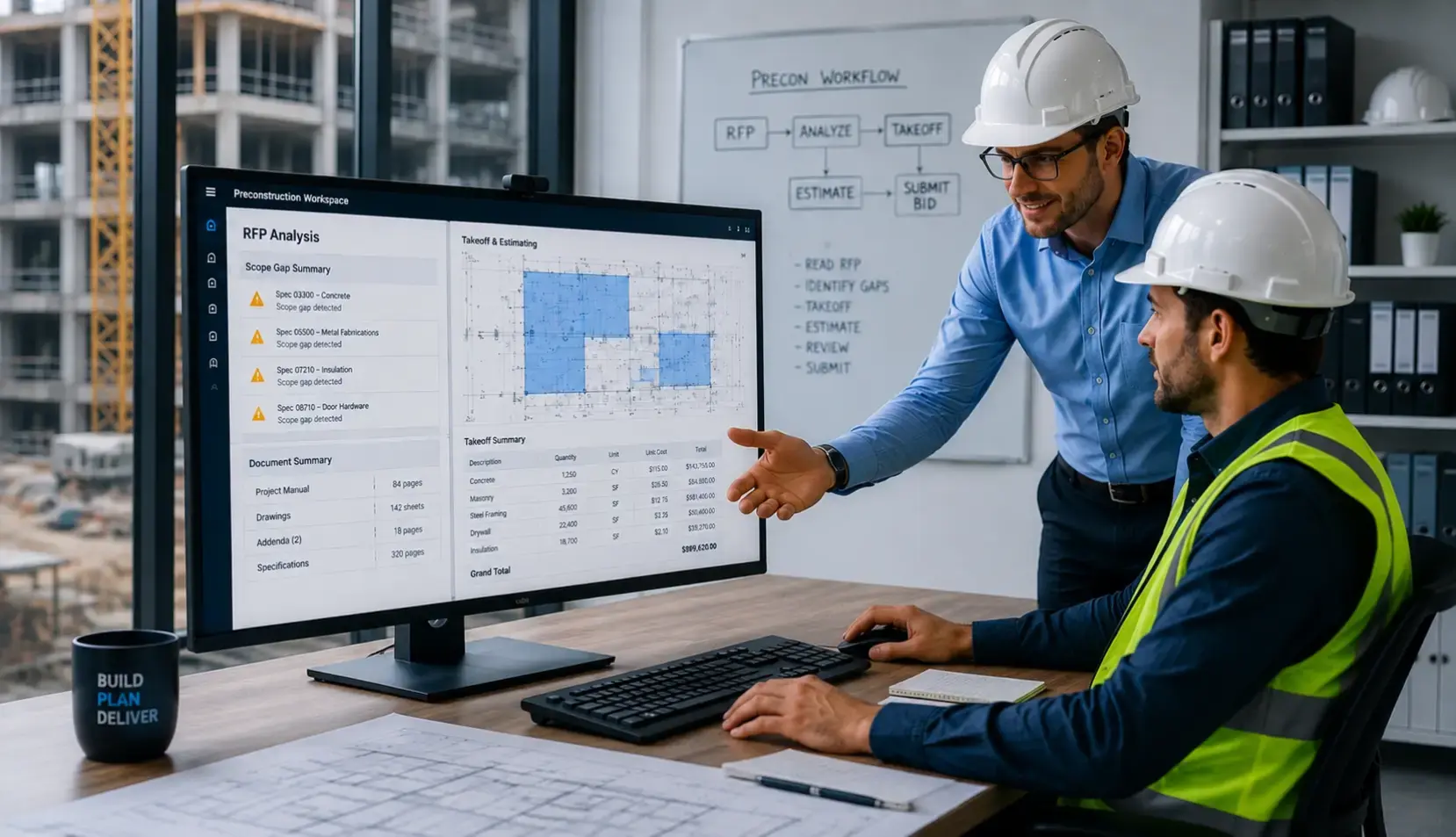
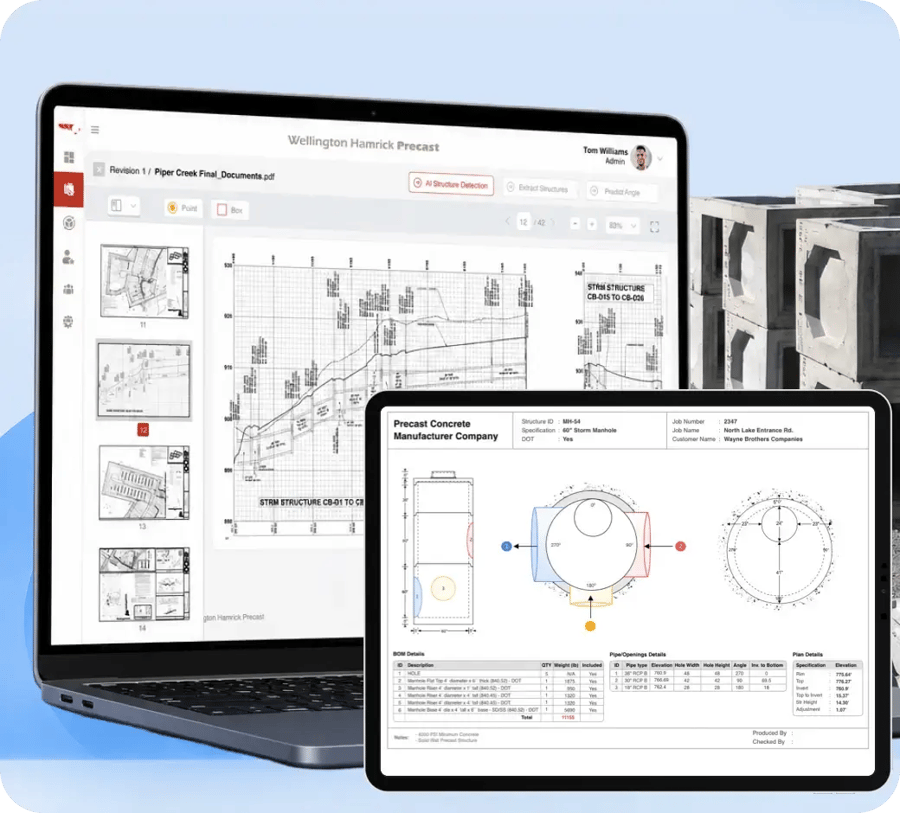
A precast concrete manufacturer partnered with Tech.us to bring AI into the estimating workflow. The system uses OCR, computer vision, and generative AI to identify, extract, and visualize structures, pipes, and components from complex construction drawings.
Read the Case Study

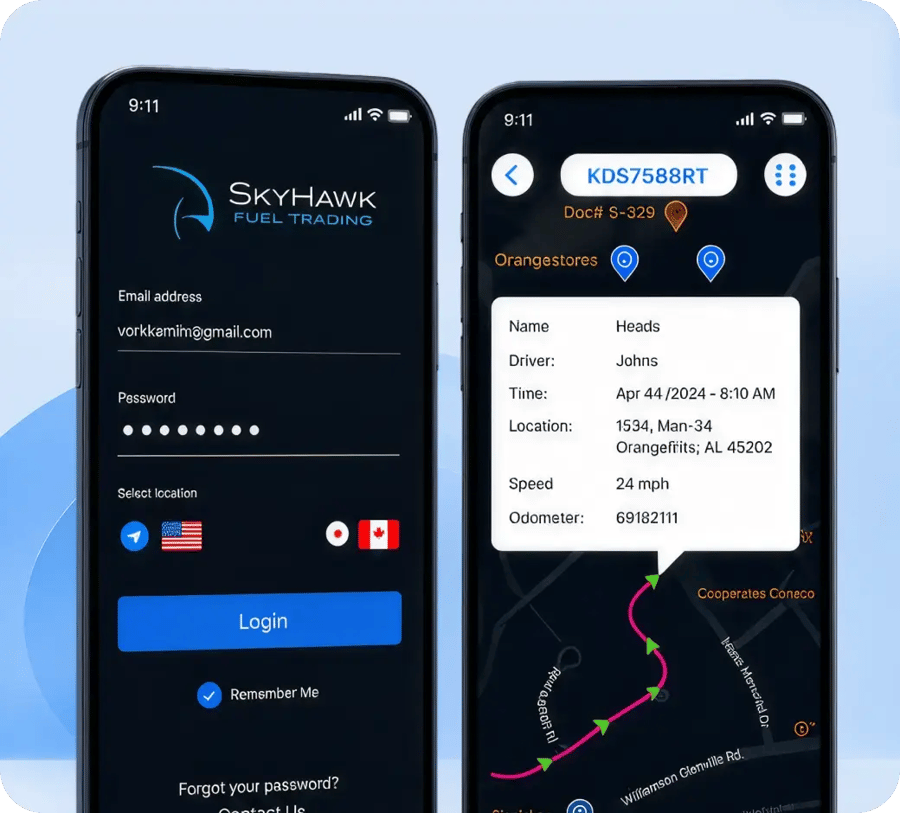
SkyHawk by TELUS needed a streamlined mobile experience for its Connect Anywhere platform. Tech.us built the core experience around real-time asset tracking, fleet activity, secure configuration, and map-based operational visibility.
Read the Case Study

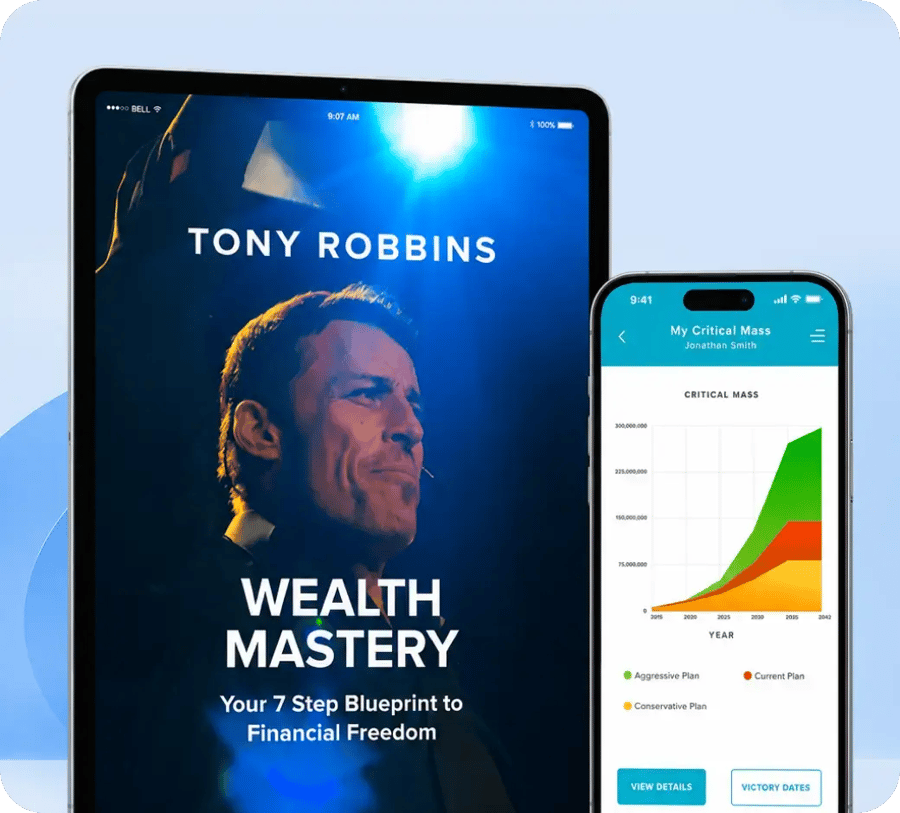
Tech.us helped bring Wealth Mastery to life as a digital platform that puts personalized financial planning tools directly in users' hands while supporting a large and growing audience.
Read the Case Study
WHY TECH.US
Tech.us works across the decisions that influence whether analytics can produce useful, understandable results, from data strategy and quality to architecture, governance, platforms, and visualization.
Define the data approach around existing business processes, objectives, and technology rather than beginning with a predefined analytics tool.
Address data consolidation, management, modernization, governance, architecture, analysis, and visualization within the same consulting engagement.
Review inconsistencies, incomplete records, errors, and duplication instead of assuming the available data is already ready for analysis.
Plan data architecture and integration across cloud, on-premise, and hybrid sources rather than treating every environment the same way.
Consider access controls, standardization, security, and data-governance requirements while defining how information should become more widely usable.
Support the practical work behind the strategy, including data platforms, integration, cloud migration, architecture, dashboards, and visualization interfaces.

HOW WE WORK
The engagement starts with the business requirement and then works backward to the data, architecture, tools, and resources needed to address it.
Review the business objectives, existing data environment, current processes, and what the organization needs analytics to support.
Define the expected investment based on the consulting scope, technology requirements, and resources involved.
Create a roadmap covering the data strategy, required changes, technology considerations, and implementation priorities.
Carry out the agreed consulting and implementation work and present the resulting data environment, analytics capability, or visualization approach.
CONSULTING FOCUS
A consulting engagement should clarify how data needs to work across the organization before new dashboards, platforms, or analytics capabilities are added.
Identify the data sources relevant to the business questions and decisions the organization wants to support.
Review quality, consistency, duplication, completeness, and other issues that could weaken analytical results.
Determine whether central repositories, data lakes, cloud platforms, or other architecture choices fit the environment.
Plan how information should flow between cloud systems, local infrastructure, applications, and analytics platforms.
Define appropriate access controls, governance requirements, and security measures around shared and sensitive information.
Choose dashboards, reports, graphs, or other interfaces based on how stakeholders need to consume and understand the data.
Review how your data is collected, managed, governed, and presented before adding more analytics tools or reporting layers.
Talk To our Expert →DATA VALUE
Data consulting is most useful when it improves the conditions under which analysis and decision-making happen.
Refining and consolidating data can reduce the inconsistencies and duplication that weaken analytical results.
Bringing information into central repositories or integrated environments can reduce the effort required to work across disconnected sources.
A defined architecture can make it easier to determine where information lives and how approved users should access it.
Cloud migration and architecture decisions can be planned around the organization's data volumes, access requirements, and analytical workloads.
Historical and current data can be structured to support analysis of market conditions, competitors, customer preferences, and segmentation.
Where the technology and data environment allow it, analytics can be designed to provide more current information for time-sensitive decisions.
INDUSTRY EXPERIENCE
The right data approach depends on what information an industry produces, how it is used, and which operational or regulatory requirements shape access and analysis.
Explore All Industries

Healthcare
Structure clinical and operational data so healthcare organizations can improve how information is managed, analyzed, and used while accounting for sensitive-data requirements.
Explore Healthcare→
Fintech
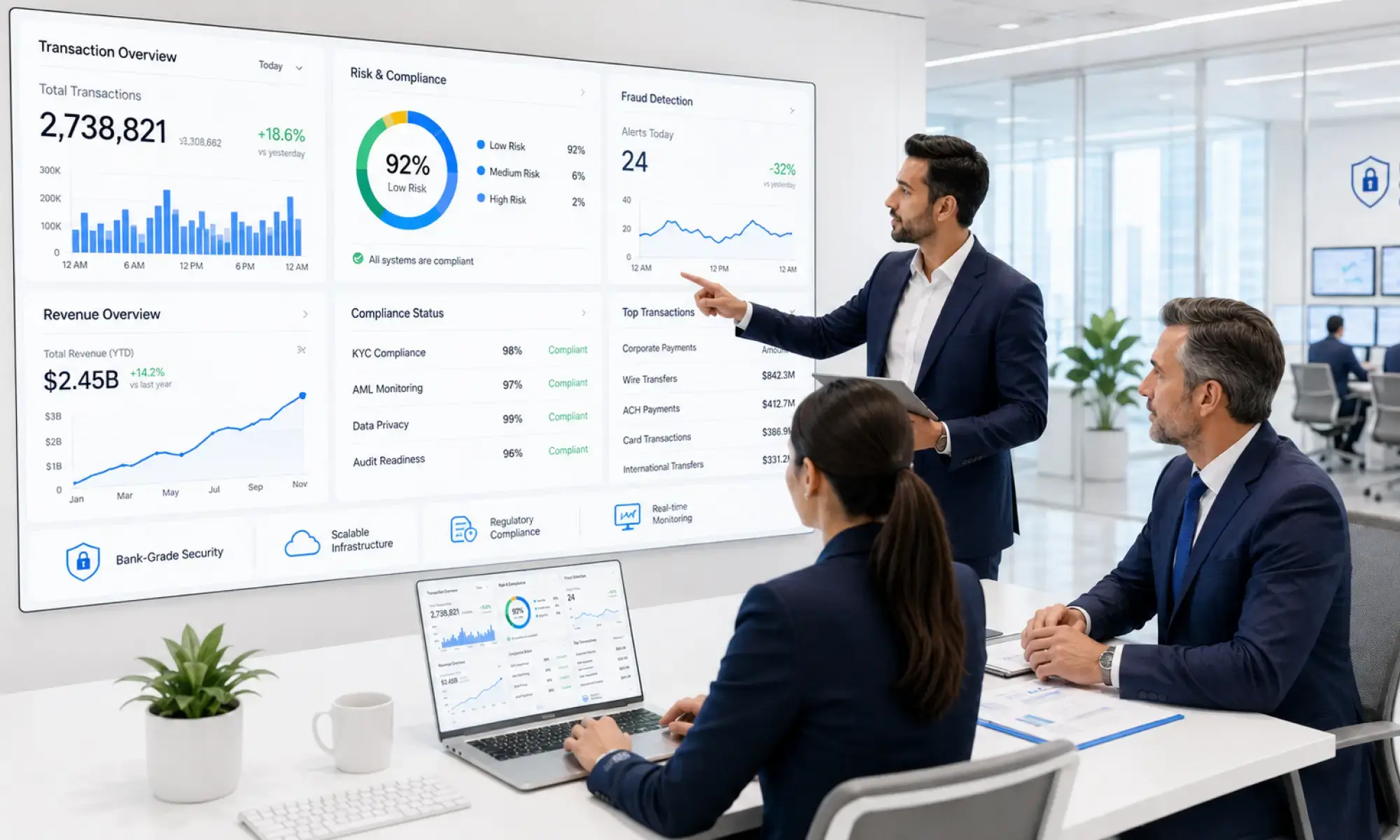
Design data environments that support financial analysis, risk assessment, operational reporting, and requirements surrounding sensitive financial information.
Explore Fintech→
Retail
Develop analytics frameworks around customer behavior, sales performance, inventory, and supply-chain information.
Explore Retail→
Manufacturing
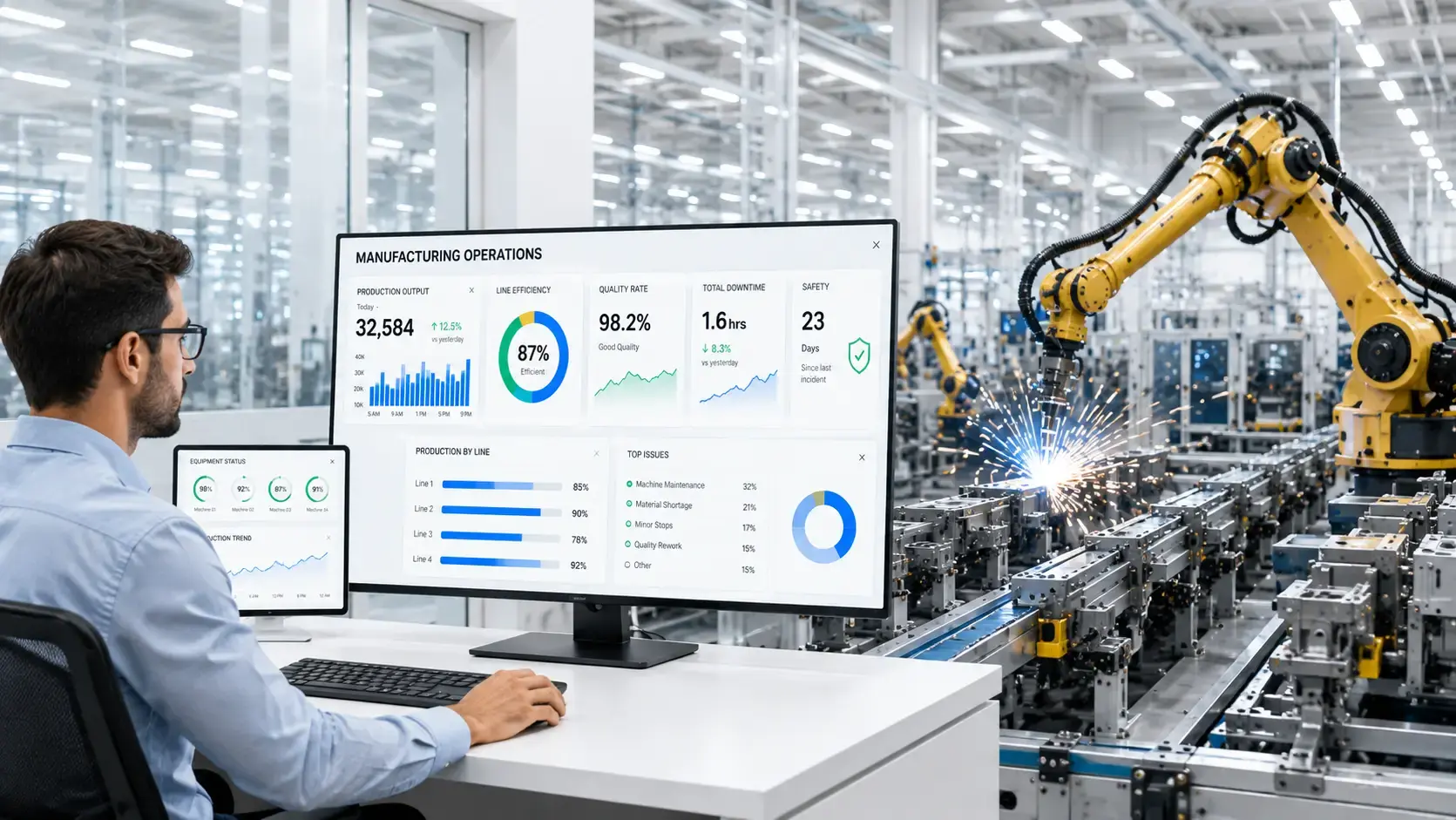
Structure production and operational data to improve visibility into performance, inefficiencies, and information needed for planning.
Explore Manufacturing→
Real Estate
Develop data strategies around market information, property performance, and portfolio analysis to support planning and investment decisions.
Explore Real Estate→
Construction
Establish analytics frameworks around project performance, cost information, and operational risks across the project lifecycle.
Explore Construction→
TECH STACK
Data analytics consulting can involve databases, cloud infrastructure, analytical tools, applications, visualization layers, and AI/ML technologies.
Tech.us works across these areas so technology decisions can be made around the data sources, architecture, analytical requirements, and user experience involved.
Agentic AI & Orchestration
Agentic AI
AI Agents
Multi-Agent Systems
Agentic Workflow Automation
Model Context Protocol (MCP)
Agent-to-Agent Protocol (A2A)
Agent Memory and Reasoning
Generative AI & Foundation Models
Large Language Models
GPT
Claude
Gemini
Llama
Generative AI
Multimodal Foundation Models
Diffusion Models
Small Language Models
Model Fine-Tuning
Prompt & Context Engineering
Machine Learning & Deep Learning
Machine Learning
Deep Learning
Predictive Analytics
Recommendation Systems
Anomaly Detection
Time-Series Analysis
Data & AI Platforms
AI-Ready Data Platforms
Data Lakes and Lakehouse
Data Engineering
AI Frameworks & Libraries
PyTorch
TensorFlow
Scikit-learn
Hugging Face Transformers
LangChain
LangGraph
MLOps, LLMOps & AgentOps
MLOps
LLMOps
AgentOps
Model Deployment and Serving
Agent Deployment
Model and Agent Observability
Prompt and Response Tracing
AI Cost Optimization
AI Evaluation, Safety & Governance
LLM Evaluations
Agent Evaluations
RAG Evaluations
AI Guardrails
Prompt-Injection Protection
Red Teaming
Responsible AI
AI Governance
Cloud AI Technologies
Google Cloud
Vertex AI
Gemini Models
Agent Studio
Vertex AI Agent Builder
Agent Development Kit
Vertex AI Vector Search
Google Cloud Document AI
Google Cloud Vision AI
Microsoft Azure
Microsoft Foundry
Microsoft Copilot Studio
Microsoft Agent Framework
Azure AI Document Intelligence
Azure AI Speech and Vision
Microsoft Fabric
Microsoft Purview
Language, Vision, Speech & Document AI
NLP, NLU and NLG
STT, TTS and ASR
Conversational AI
Document Intelligence
Computer Vision
RAG, Search & Knowledge Systems
Enterprise RAG
Agentic RAG
Multimodal RAG
Enterprise Search
Semantic & Hybrid Search
Vector Databases
Knowledge Graphs
Reranking and Retrieval Optimization
RECOGNITION
Explore the awards and industry recognition associated with Tech.us.
FAQ
Data analytics consulting helps organizations determine how data should be collected, managed, structured, governed, analyzed, and presented so it can better support business requirements and decision-making.
Tech.us provides data strategy, data management, data modernization, data governance, data visualization, market analysis, cloud-based data analytics, and data architecture consulting.
Yes. The source specifically describes consolidating information from different systems into unified data platforms, central repositories, or data lakes to reduce isolated datasets.
Data modernization focuses on improving how data is stored, moved, accessed, and managed. It can include centralizing data, introducing data lakes, updating data-management tools, and moving appropriate workloads to cloud environments.
Yes. The source specifically supports data architecture across cloud, on-premise, and hybrid environments.
Yes. The source states that Tech.us can use technologies that support real-time analysis where the data environment and business requirement call for more current information.
The source describes security measures including encryption for data in transit and at rest, multi-factor authentication, and access controls when working with sensitive information.
Cloud-based data analytics consulting helps organizations determine whether data and analytics workloads should move to cloud platforms and how data from different sources should be consolidated and managed there.
The process begins by understanding the business requirements, followed by estimating the required investment, developing a roadmap, and delivering the agreed consulting or implementation work.
Define the architecture, governance, and analytics approach needed to make business data more useful and dependable.
Talk to Our Expert →We value your privacy
By continuing to use this website, you agree to our Privacy Policy.
If you decline, your information won’t be tracked when you visit this website. A single cookie will be used in your browser to remember your preference not to be tracked.
Necessary cookies keep the site running and are always on. Turn the others on or off to control how Tech.us uses them.
Required for the site to function. Cannot be disabled.
Help us measure traffic and see how visitors use the site so we can improve it. All information is aggregated.
Used to deliver and personalize ads, measure campaign performance, and share data with advertising partners (including Retention.com and RB2B).
For residents of California and other states with similar rights. Turning this on opts you out of the sale or sharing of your personal information for targeted advertising (this also disables Advertising cookies).
Learn more in our Cookie Policy and Privacy Policy. You can change these settings at any time.