
Reduce Review Time
Extract the information people need without requiring them to read every page.
TRUSTED BY ORGANIZATIONS THAT DEPEND ON TECHNOLOGY







Selected Work
See how we help organizations solve important problems with solutions built for real-world use.
View All Case Studies
A precast concrete manufacturer partnered with Tech.us to bring AI into the estimating workflow. The system uses OCR, computer vision, and generative AI to identify, extract, and visualize structures, pipes, and components from complex construction drawings.
Read the Case Study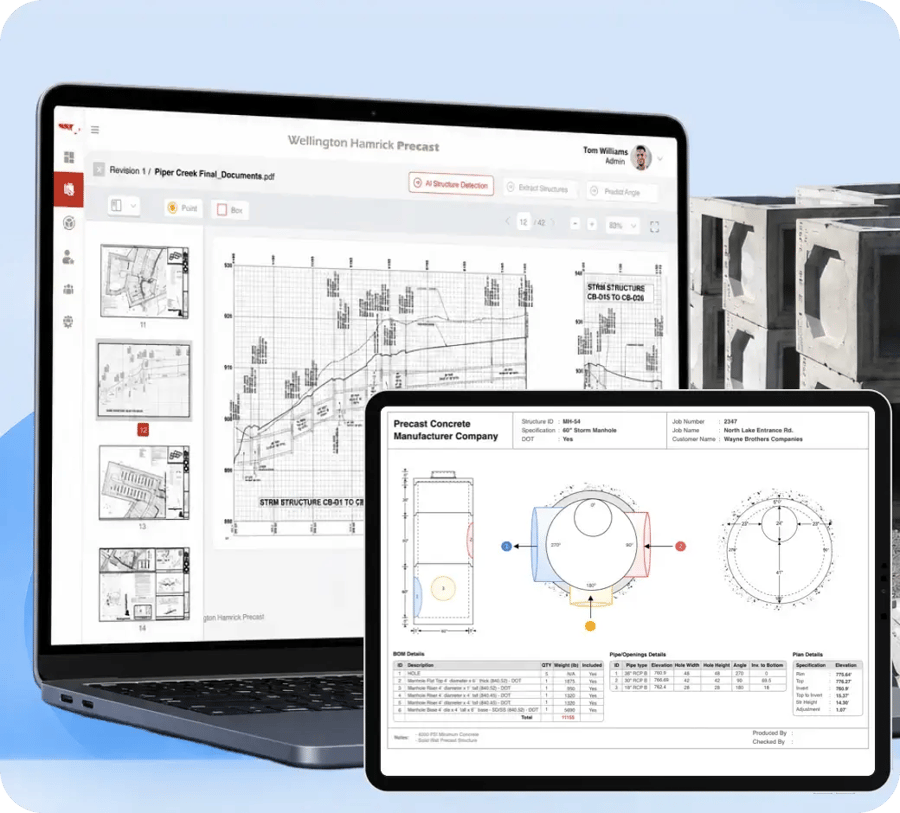

SkyHawk by TELUS needed a streamlined mobile experience for its Connect Anywhere platform. Tech.us built the core experience around real-time asset tracking, fleet activity, secure configuration, and map-based operational visibility.
Read the Case Study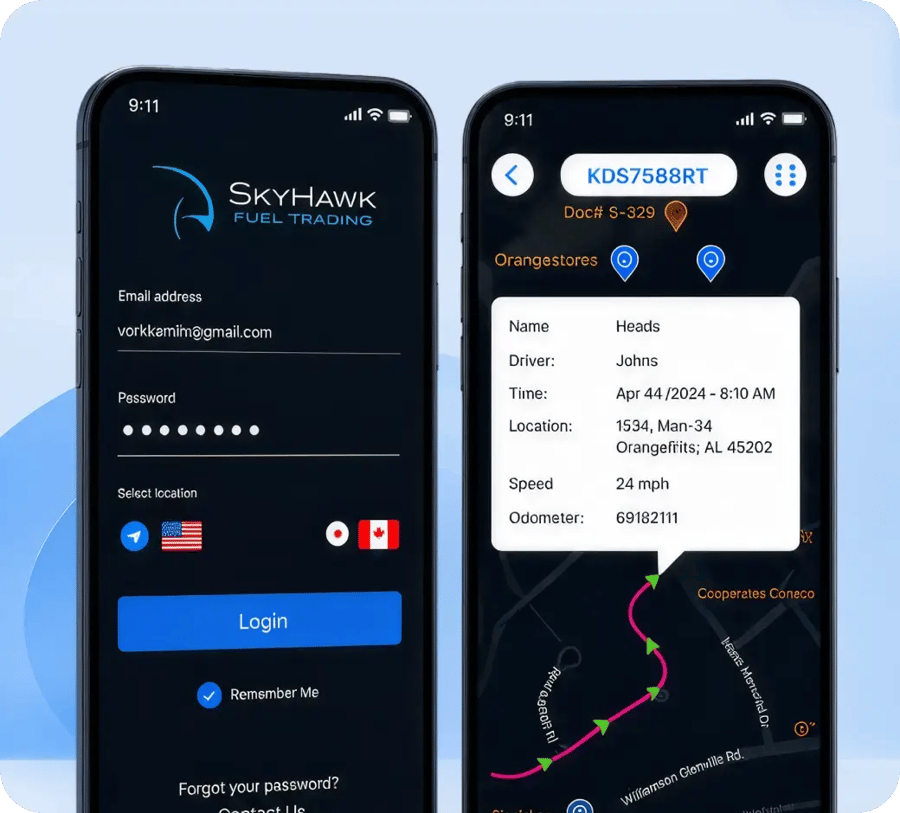

Tech.us helped bring Wealth Mastery to life as a digital platform that puts personalized financial planning tools directly in users' hands while supporting a large and growing audience.
Read the Case Study
WHY TECH.US FOR NLP
We focus on the parts that determine whether an NLP system can be trusted in production, from how the task is defined to how performance is measured and maintained.
Most of the accuracy in a language system is decided in the definition and the labels. Tech.us treats that as engineering work rather than a preliminary step to move through quickly.
Annotation guidelines, annotator training, agreement measurement, and adjudication are capabilities we operate rather than assumptions we make about your team's availability.
Per-category results and reviewed errors are part of what we hand over, including the categories where performance is not yet good enough to run unsupervised.
A fine-tuned smaller model frequently beats a large one on repetitive domain extraction, at lower cost and lower latency. We benchmark rather than default upward.
Code produced with AI assistance is reviewed by an engineer before it reaches a client system. Speed of authorship does not change who is accountable for what runs.
Business text carries personal and confidential information incidentally, often in places nobody catalogued. We identify what is present, define what is redacted before processing, and establish what is retained in training corpora and logs, based on your requirements.

INDUSTRY EXPERIENCE
We bring practical experience across sectors with different operational, regulatory, and technology demands.
Explore All Industries Healthcare
Clinical language is dense with abbreviation, negation, and shorthand that varies by author and department, and it requires careful handling of statements about what was ruled out as well as what was found.
Explore Healthcare
Healthcare
Clinical language is dense with abbreviation, negation, and shorthand that varies by author and department, and it requires careful handling of statements about what was ruled out as well as what was found.
Explore Healthcare
 Finance and Insurance
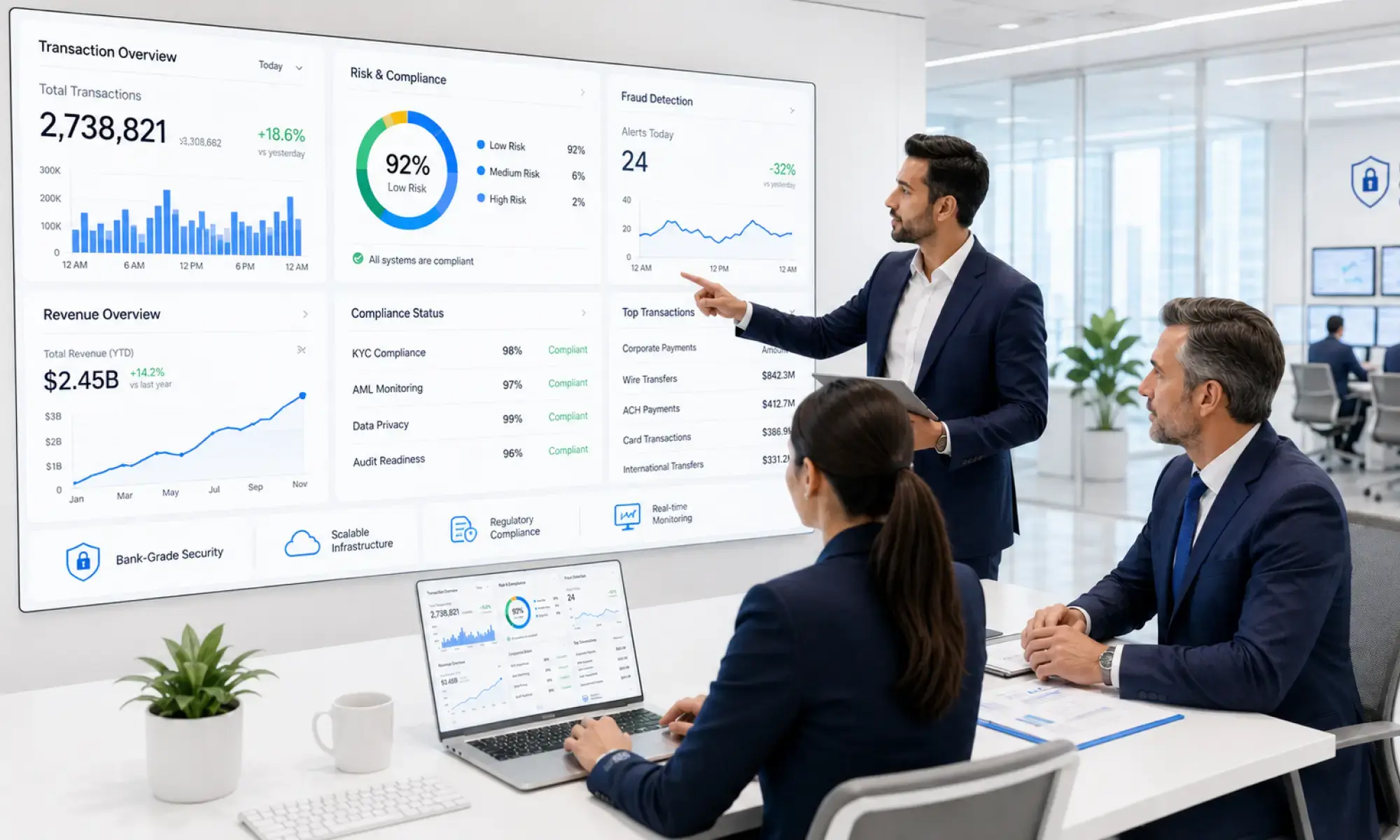
Filings, policies, claims correspondence, and transaction narratives use precise terminology where a misread qualifier changes an obligation, and where extraction has to be traceable for review.
Explore Financial Services and Insurance
Finance and Insurance
Filings, policies, claims correspondence, and transaction narratives use precise terminology where a misread qualifier changes an obligation, and where extraction has to be traceable for review.
Explore Financial Services and Insurance
 Automotive
 text often uses inconsistent shorthand and fault descriptions, where NLP helps interpret service language and surface recurring issues across large document volumes.
Explore Automotive
Automotive
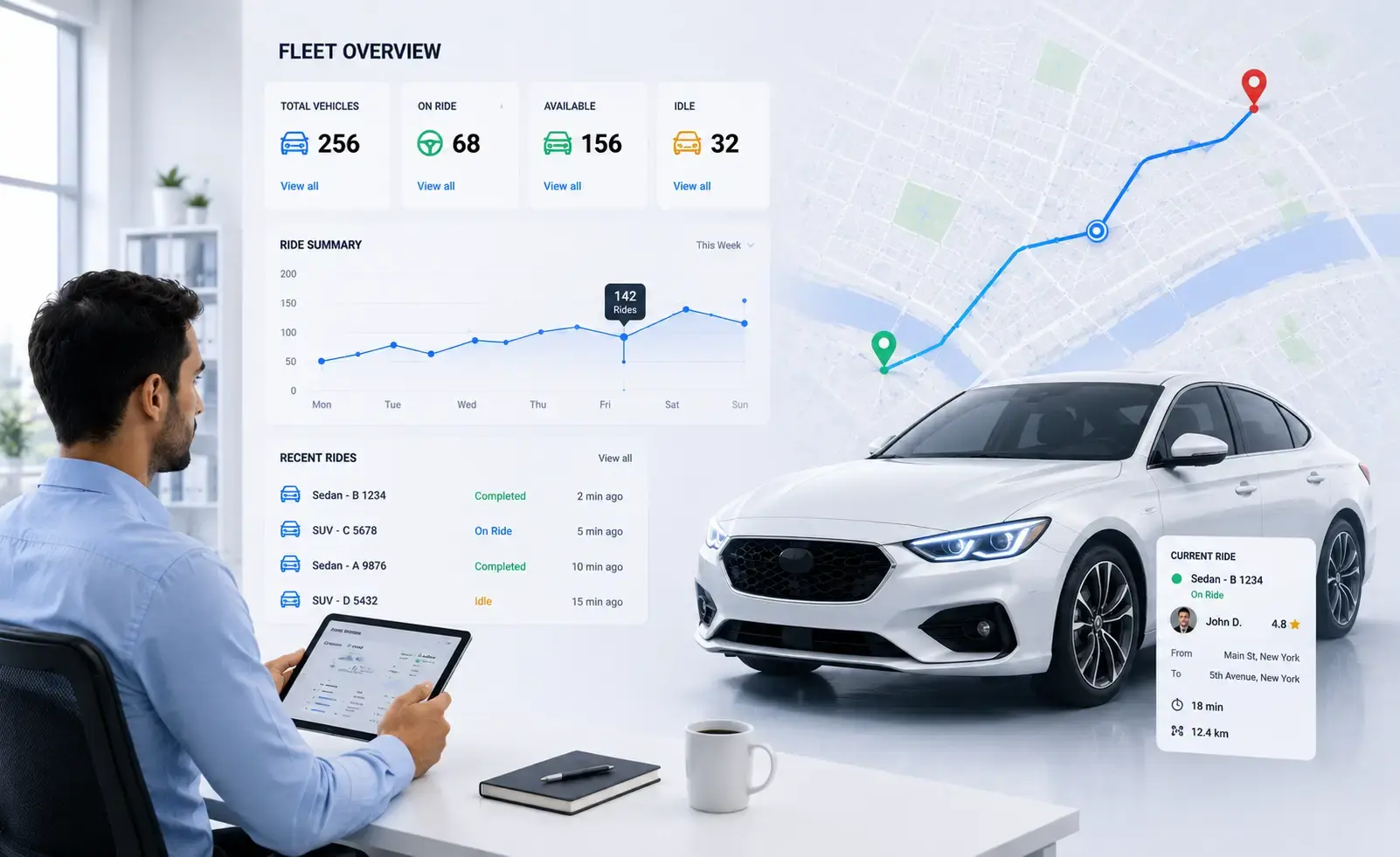
Automotive text often uses inconsistent shorthand and fault descriptions, where NLP helps interpret service language and surface recurring issues across large document volumes.
Explore Automotive
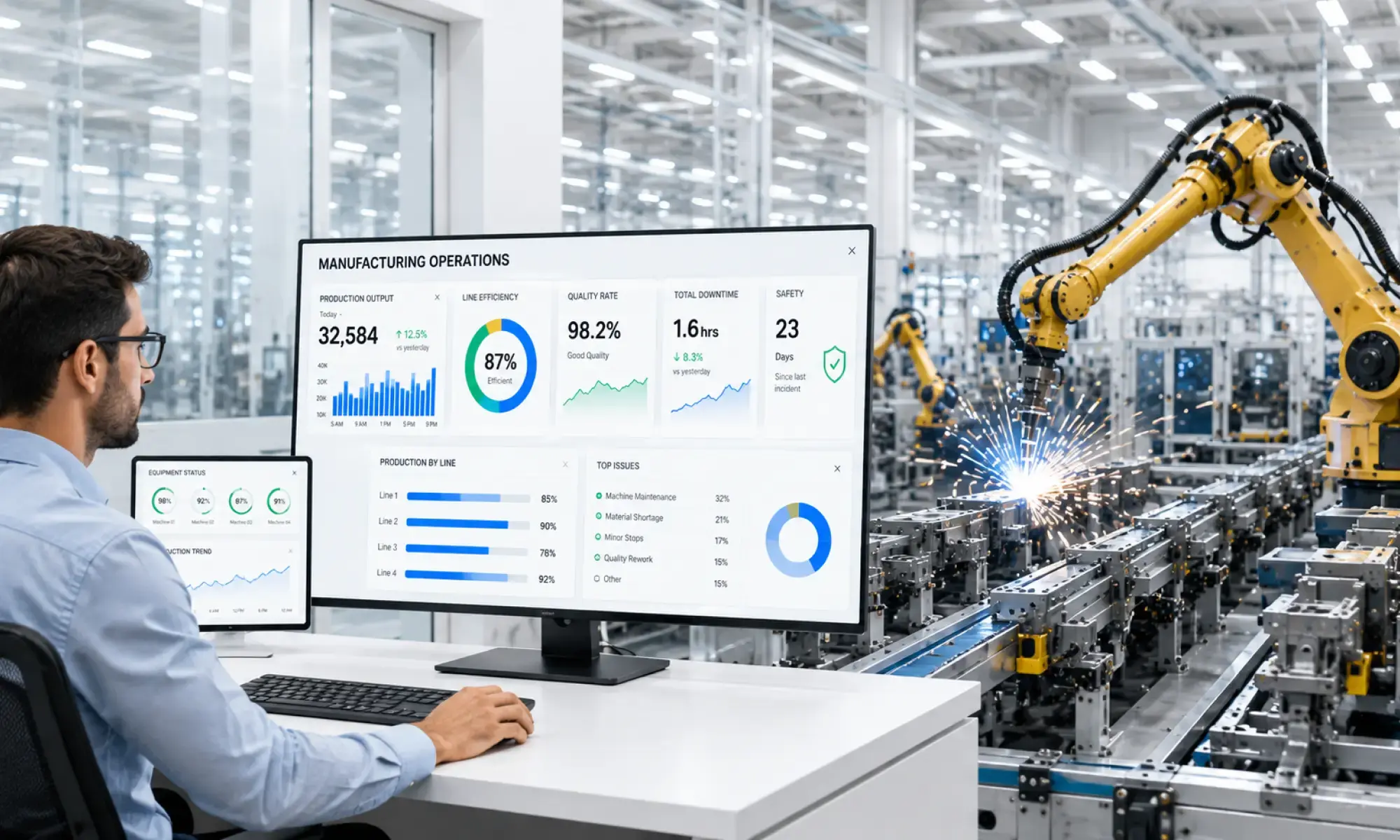 Manufacturing
Maintenance logs, defect reports, and technical documentation are written in compressed internal shorthand that changes between plants and rarely appears in any external corpus.
Explore Manufacturing
Manufacturing
Maintenance logs, defect reports, and technical documentation are written in compressed internal shorthand that changes between plants and rarely appears in any external corpus.
Explore Manufacturing
 Retail and E-Commerce
Reviews, tickets, and search queries arrive in high volume, informal register, and mixed languages, where the value comes from aggregate patterns rather than individual readings.
Explore Retail and E-Commerce
Retail and E-Commerce
Reviews, tickets, and search queries arrive in high volume, informal register, and mixed languages, where the value comes from aggregate patterns rather than individual readings.
Explore Retail and E-Commerce
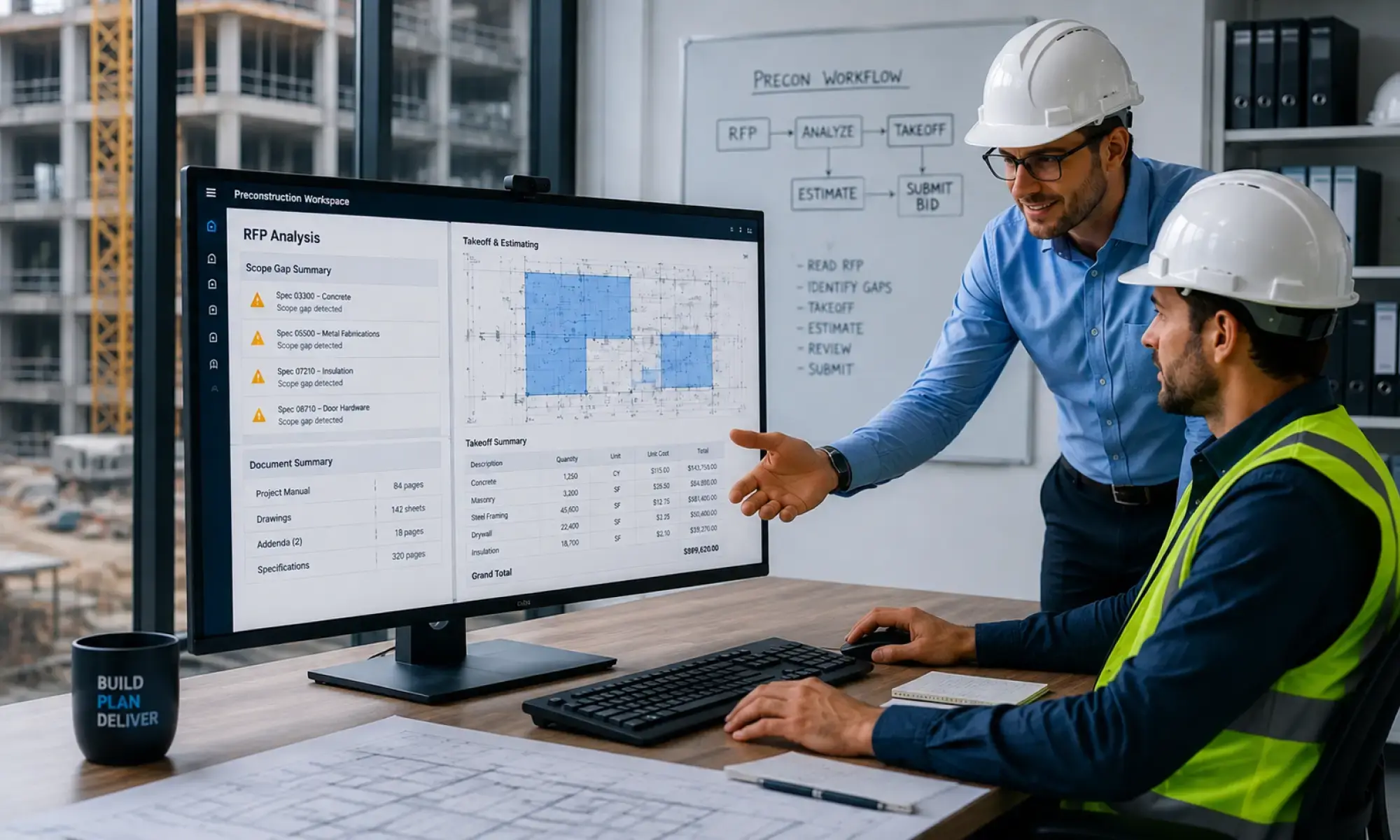 Construction
Specifications, submittals, and bid documents bury requirements inside numbered structures and references, where locating an obligation depends on reading position as much as wording.
Explore Construction
Construction
Specifications, submittals, and bid documents bury requirements inside numbered structures and references, where locating an obligation depends on reading position as much as wording.
Explore Construction
NLP TECHNOLOGY
We work across transformer and encoder model families, fine-tuning and parameter-efficient training, embedding and vector retrieval, sequence labeling and classification frameworks, layout-aware document models, speech recognition and diarization, annotation tooling, and the evaluation and monitoring services that keep a language system measurable in production.
Selection follows accuracy on your task, inference cost at your volume, latency, explainability requirements, language coverage, hosting and deployment constraints, and whether your team can maintain what we hand over.
Agentic AI & Orchestration
 Agentic AI
 AI Agents
 Multi-Agent Systems
 Agentic Workflow Automation
 Model Context Protocol (MCP)
 Agent-to-Agent Protocol (A2A)
 Agent Memory and Reasoning
Generative AI & Foundation Models
 Large Language Models
 GPT
GPT
 Claude
 Gemini
 Llama
Llama
 Generative AI
 Multimodal Foundation Models
 Diffusion Models
 Small Language Models
 Model Fine-Tuning
 Prompt & Context Engineering
Machine Learning & Deep Learning
 Machine Learning
 Deep Learning
 Predictive Analytics
 Recommendation Systems
 Anomaly Detection
 Time-Series Analysis
Data & AI Platforms
 AI-Ready Data Platforms
 Data Lakes and Lakehouse
 Data Engineering
AI Frameworks & Libraries
 PyTorch
 TensorFlow
 Scikit-learn
 Hugging Face Transformers
 LangChain
 LangGraph
MLOps, LLMOps & AgentOps
 MLOps
MLOps
 LLMOps
 AgentOps
 Model Deployment and Serving
 Agent Deployment
 Model and Agent Observability
 Prompt and Response Tracing
 AI Cost Optimization
AI Evaluation, Safety & Governance
 LLM Evaluations
Agent Evaluations
LLM Evaluations
Agent Evaluations
 RAG Evaluations
 AI Guardrails
 Prompt-Injection Protection
 Red Teaming
 Responsible AI
 AI Governance
Cloud AI Technologies
Google Cloud
 Vertex AI
Gemini Models
Vertex AI
Gemini Models
 Agent Studio
 Vertex AI Agent Builder
 Agent Development Kit
 Vertex AI Vector Search
 Google Cloud Document AI
 Google Cloud Vision AI
Microsoft Azure
 Microsoft Foundry
 Microsoft Copilot Studio
 Microsoft Agent Framework
 Azure AI Document Intelligence
 Azure AI Speech and Vision
 Microsoft Fabric
 Microsoft Purview
Language, Vision, Speech & Document AI
 NLP, NLU and NLG
STT, TTS and ASR
NLP, NLU and NLG
STT, TTS and ASR
 Conversational AI
 Document Intelligence
 Computer Vision
RAG, Search & Knowledge Systems
 Enterprise RAG
 Agentic RAG
 Multimodal RAG
 Enterprise Search
 Semantic & Hybrid Search
 Vector Databases
 Knowledge Graphs
 Reranking and Retrieval Optimization