Reduce the Cost of Keeping Old Systems Running
Modernize outdated platforms that require increasing effort just to maintain existing functionality.
Tech.us helps organizations modernize legacy environments that remain essential but no longer provide the flexibility required by the business.
We improve the systems holding back progress and create a stronger foundation for future enhancements, integrations, and operational needs.
Projects Delivered
Years of Engineering
Industries Served
TRUSTED BY ORGANIZATIONS THAT DEPEND ON TECHNOLOGY



WHAT LEGACY MODERNIZATION CHANGES
Legacy systems often continue running critical processes long after the technology behind them becomes difficult to support. Modernization helps organizations reduce limitations while protecting the value built into existing systems.
Modernize outdated platforms that require increasing effort just to maintain existing functionality.
Address fragile dependencies and aging components that create operational risks.
Create a technology foundation that allows teams to respond faster when requirements evolve.
Enable legacy environments to work with newer applications and platforms instead of operating in isolation.
OUR SERVICES
We help organizations evaluate, transform, and extend aging technology environments through modernization approaches that match their operational goals.
Understand where outdated systems create the most business impact. We analyze the current environment to identify technical constraints, dependencies, and modernization opportunities.
Help organizations move beyond rigid mainframe environments while preserving the business processes that still depend on them.
Improve outdated system structures that limit flexibility and future development. We help create architectures that are easier to extend and integrate.
Replace outdated technology components that create performance, support, or security challenges with a foundation better suited for current requirements.
Connect legacy systems with modern applications and platforms so information can move more effectively across the organization.
Prepare legacy environments for cloud adoption where it improves scalability, accessibility, and operational flexibility.
Improve how legacy systems are developed, tested, secured, and delivered by introducing stronger engineering and release practices.
Bring visibility across a portfolio of legacy systems to help prioritize investments, reduce risk, and plan modernization efforts effectively.
Selected Work
See how Tech.us turns complex business needs into practical solutions designed for real-world use.
View All Case Studies

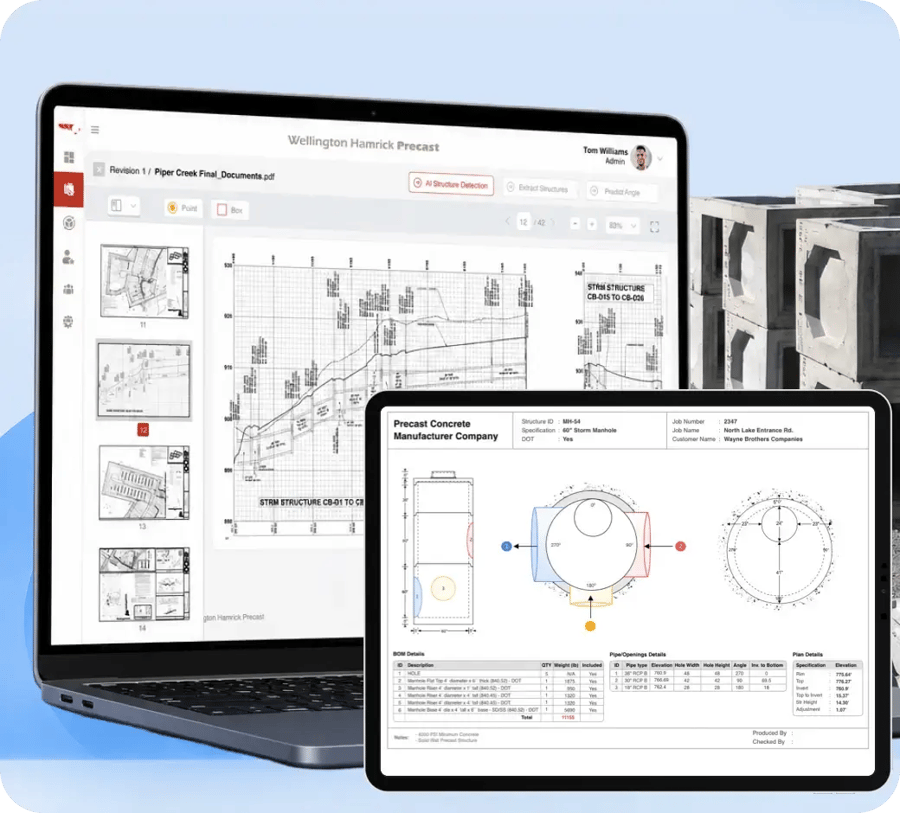
A precast concrete manufacturer partnered with Tech.us to bring AI into the estimating workflow. The system uses OCR, computer vision, and generative AI to identify, extract, and visualize structures, pipes, and components from complex construction drawings.
Read the Case Study

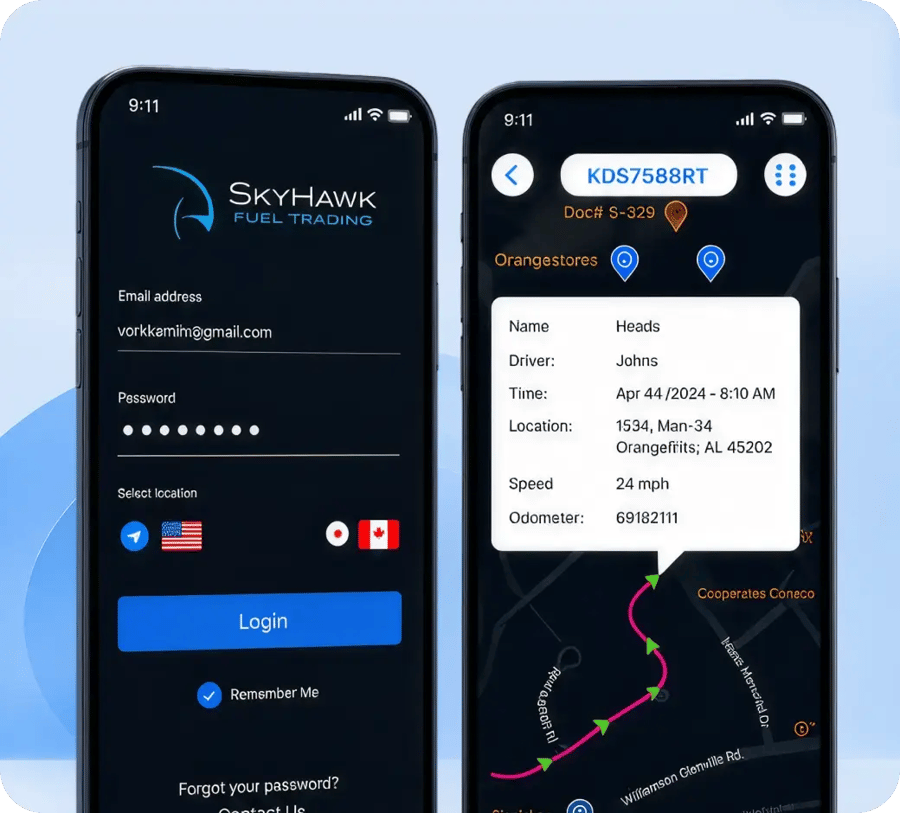
SkyHawk by TELUS needed a streamlined mobile experience for its Connect Anywhere platform. Tech.us built the core experience around real-time asset tracking, fleet activity, secure configuration, and map-based operational visibility.
Read the Case Study

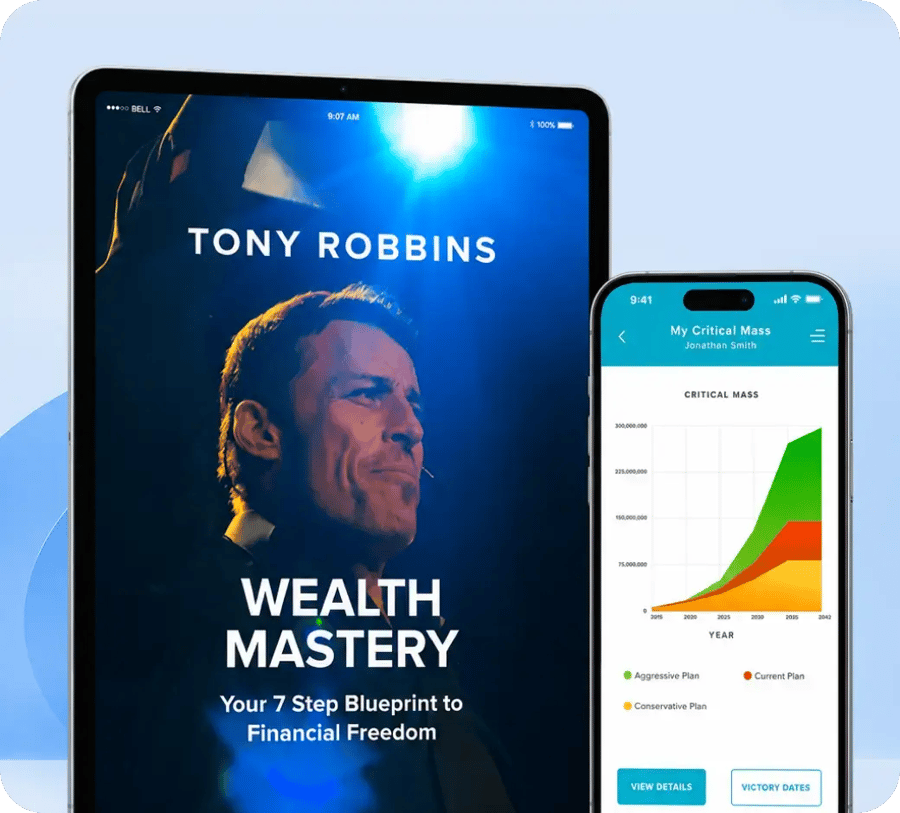
Tech.us helped bring Wealth Mastery to life as a digital platform that puts personalized financial planning tools directly in users' hands while supporting a large and growing audience.
Read the Case Study
WHY TECH.US FOR LEGACY MODERNIZATION
Legacy modernization is not only a technology decision. It is about protecting operations while creating a better foundation for the future.
Every legacy system carries business rules, dependencies, and processes that need to be understood before changes begin.
Not every outdated component requires immediate replacement. We focus modernization efforts where they create the strongest operational value.
Critical systems cannot always be replaced quickly. We plan modernization around keeping essential operations running.
A clear assessment and roadmap help teams understand what needs to change before committing significant resources.
Modernization does not always mean removing everything old. We help existing systems work better with newer technology.
Modernization creates an ongoing capability. We continue helping organizations improve systems as business requirements evolve.

HOW WE MODERNIZE LEGACY SYSTEMS
We approach legacy modernization through structured evaluation and controlled transformation so organizations can improve critical systems without unnecessary disruption.
We understand the existing systems, dependencies, technology constraints, and operational requirements that shape modernization decisions.
We determine which areas create the highest risk or business limitation and define where improvements should begin.
We define the target architecture and modernization approach based on the organization’s goals, timelines, and operational needs.
We introduce improvements in manageable stages so teams can validate progress while maintaining business continuity.
We verify system behavior, integrations, performance, and reliability before expanded adoption.
Modernized systems become easier to enhance as new business needs emerge.
Legacy Modernization Strategy
Modernization decisions should be based on business value, not simply the age of the technology.
Important business processes and system capabilities can often continue while targeted improvements address limitations.
Outdated components, difficult integrations, and maintenance challenges can be addressed where they create operational impact.
Some systems have reached a point where replacement creates more value than continued investment.
Understand where modernization can reduce operational challenges and create a practical path toward a more adaptable technology environment.
Discuss Your Legacy Modernization Needs →WAYS TO WORK WITH TECH.US
Legacy environments are rarely transformed all at once. We help organizations begin where modernization can create the most meaningful improvement.
Identify modernization opportunities and understand the effort required before making major technology decisions.
Address specific challenges such as outdated architecture, integration limitations, or infrastructure constraints.
Modernize multiple systems through a structured approach that balances business priorities, technical needs, and long-term goals.
INDUSTRY EXPERIENCE
We adapt our approach to the operational requirements and technology realities of each industry we serve.
Explore All Industries

Healthcare
Modernize systems that support healthcare operations while maintaining reliability, accessibility, and secure information handling.
Explore Healthcare→
Financial Services and Insurance
Improve legacy environments where reliability, security, and established business processes are critical to daily operations.
Explore Financial Services and Insurance→
Retail and E-Commerce
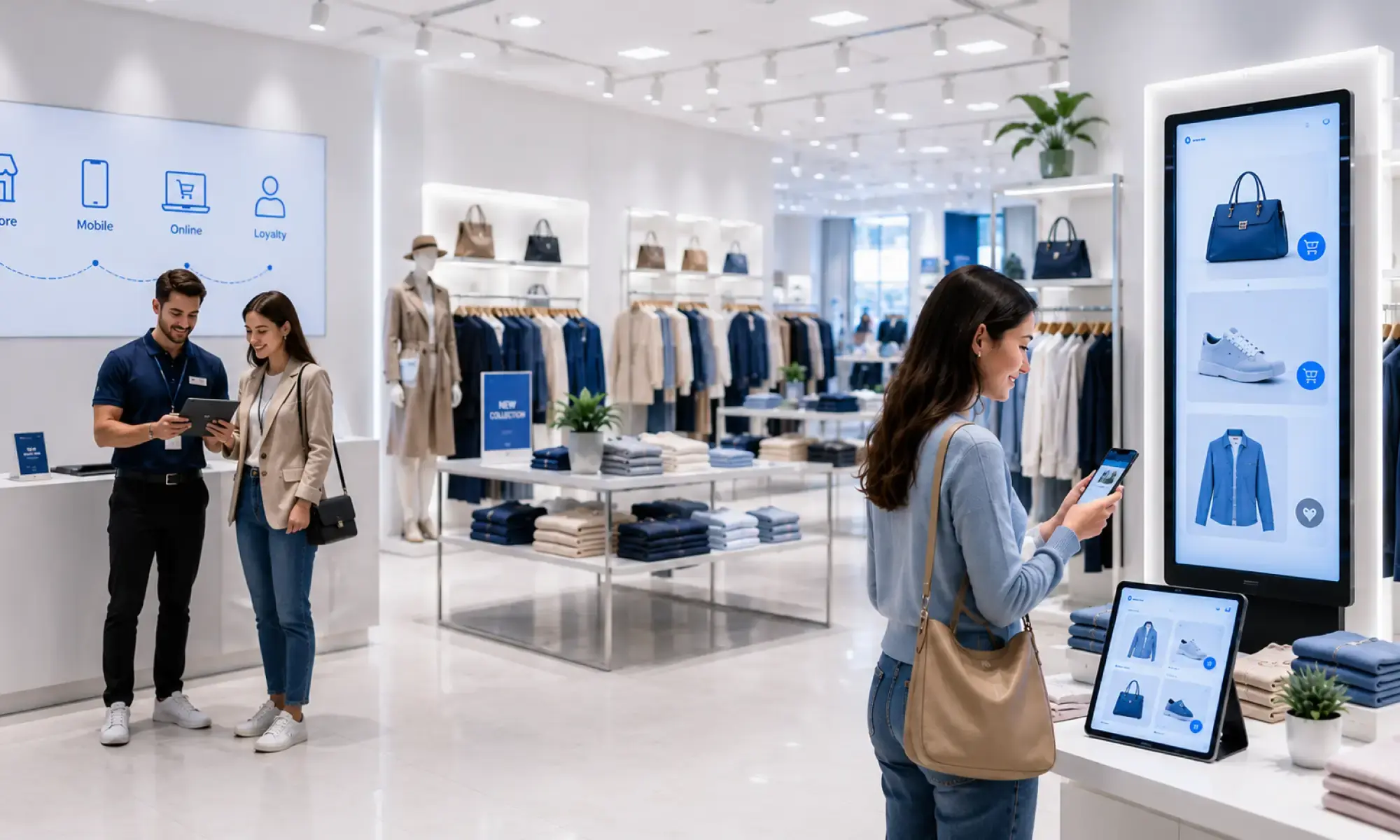
Modernize systems supporting customer experiences, transactions, and operational workflows that need to evolve with changing expectations.
Explore Retail and E-Commerce→
Manufacturing
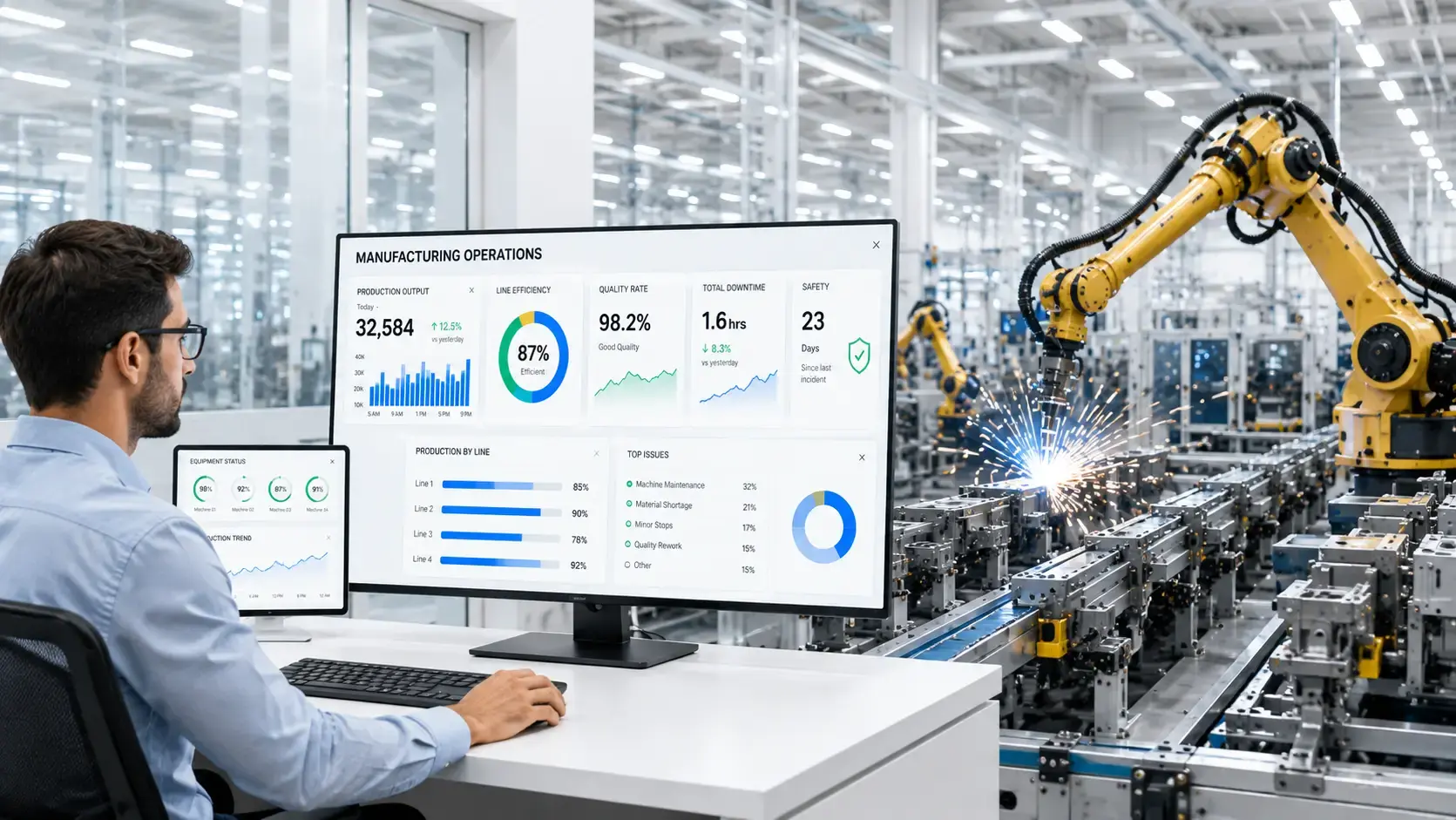
Transform aging technology environments that support production, operations, and connected business processes.
Explore Manufacturing→
Construction
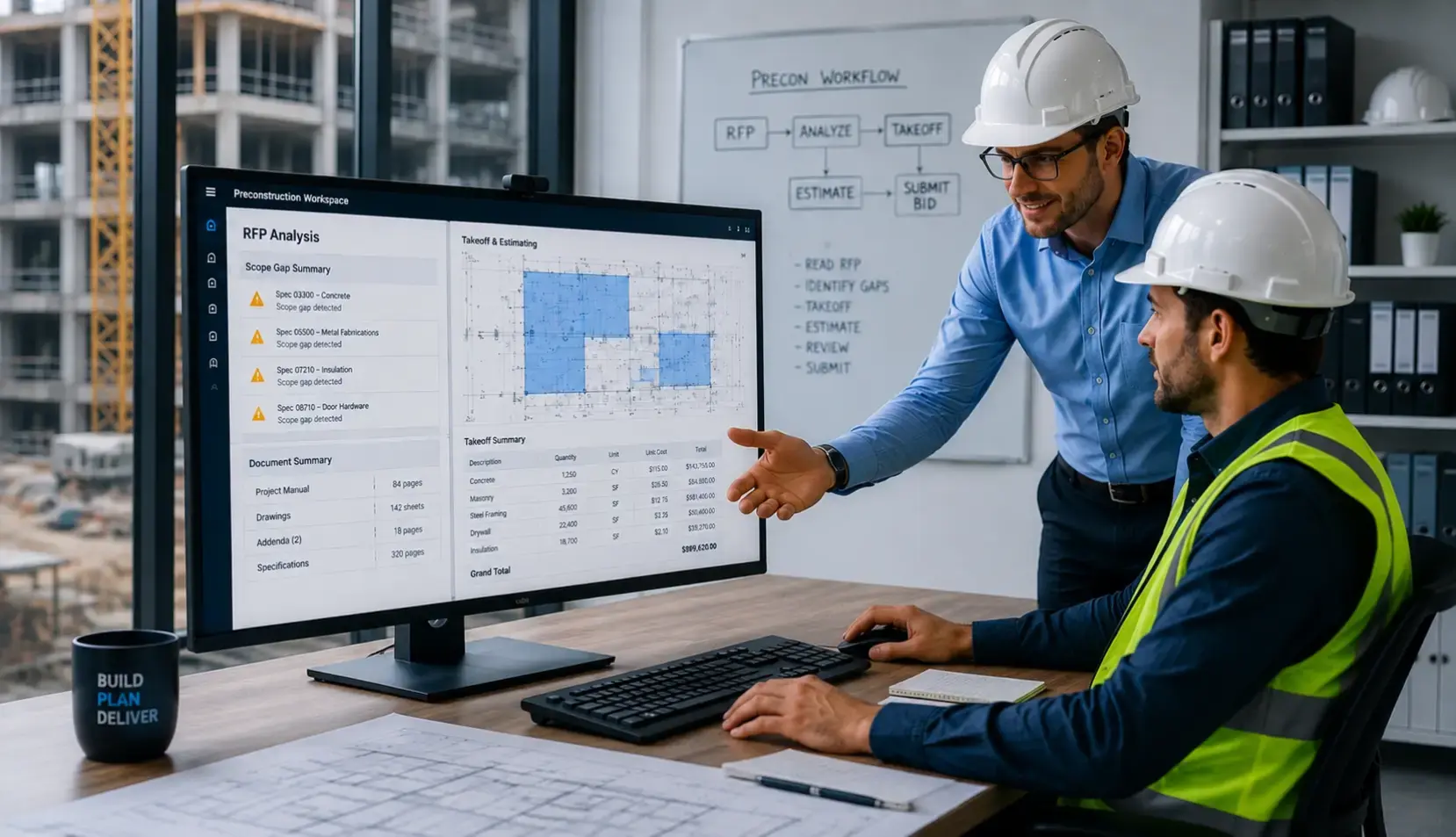
Modernize systems that manage project information, collaboration, and operational workflows across teams.
Explore Construction→
Transportation and Logistics
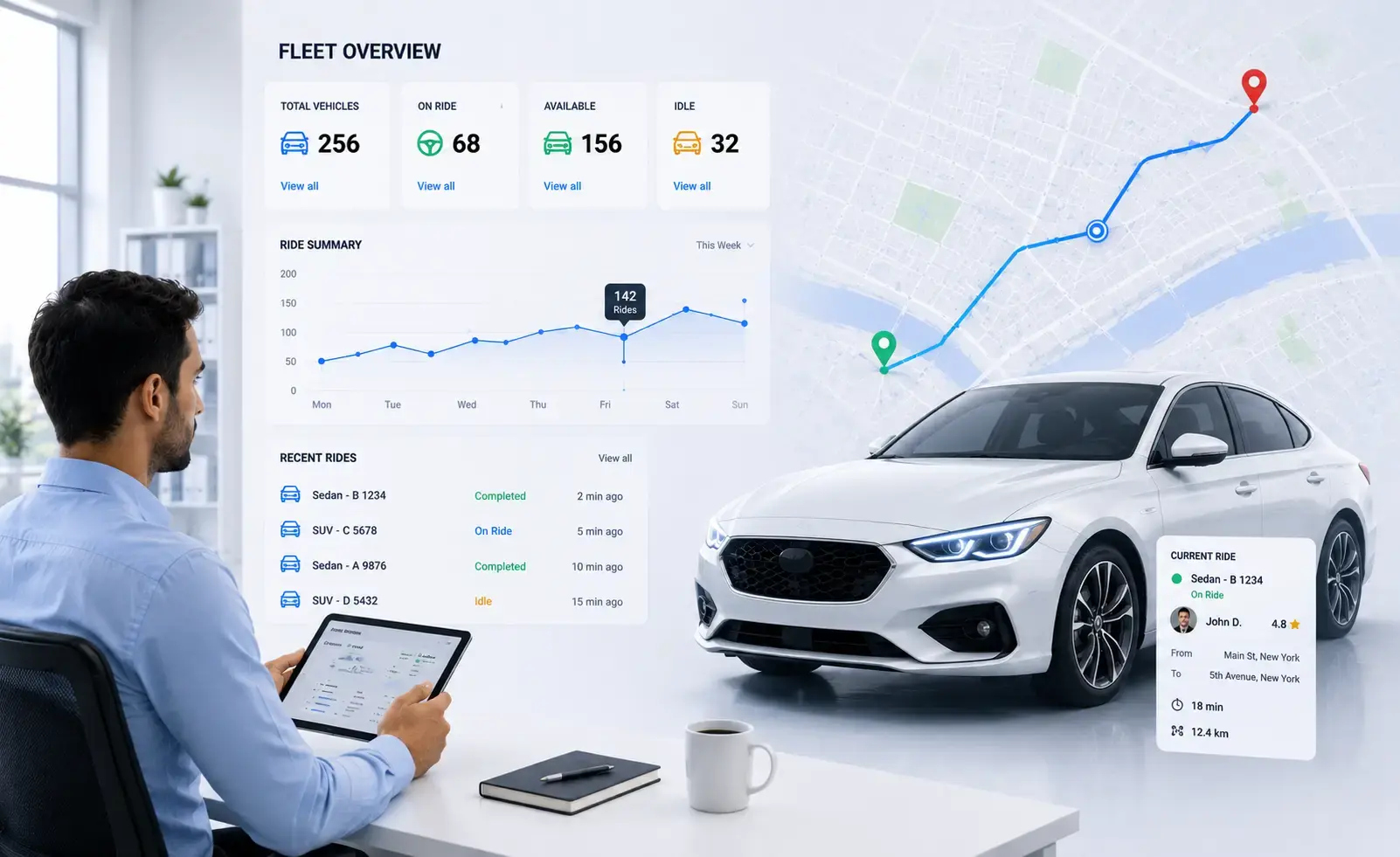
Improve legacy platforms that support movement, tracking, scheduling, and operational coordination.
Explore Transportation and Logistics→
TECH STACK
We work across modern application frameworks, cloud platforms, databases, integration technologies, and delivery practices needed to evolve legacy environments.
Technology choices are based on the existing system, modernization goals, and the future operating model.
Agentic AI & Orchestration
Agentic AI
AI Agents
Multi-Agent Systems
Agentic Workflow Automation
Model Context Protocol (MCP)
Agent-to-Agent Protocol (A2A)
Agent Memory and Reasoning
Generative AI & Foundation Models
Large Language Models
GPT
Claude
Gemini
Llama
Generative AI
Multimodal Foundation Models
Diffusion Models
Small Language Models
Model Fine-Tuning
Prompt & Context Engineering
Machine Learning & Deep Learning
Machine Learning
Deep Learning
Predictive Analytics
Recommendation Systems
Anomaly Detection
Time-Series Analysis
Data & AI Platforms
AI-Ready Data Platforms
Data Lakes and Lakehouse
Data Engineering
AI Frameworks & Libraries
PyTorch
TensorFlow
Scikit-learn
Hugging Face Transformers
LangChain
LangGraph
MLOps, LLMOps & AgentOps
MLOps
LLMOps
AgentOps
Model Deployment and Serving
Agent Deployment
Model and Agent Observability
Prompt and Response Tracing
AI Cost Optimization
AI Evaluation, Safety & Governance
LLM Evaluations
Agent Evaluations
RAG Evaluations
AI Guardrails
Prompt-Injection Protection
Red Teaming
Responsible AI
AI Governance
Cloud AI Technologies
Google Cloud
Vertex AI
Gemini Models
Agent Studio
Vertex AI Agent Builder
Agent Development Kit
Vertex AI Vector Search
Google Cloud Document AI
Google Cloud Vision AI
Microsoft Azure
Microsoft Foundry
Microsoft Copilot Studio
Microsoft Agent Framework
Azure AI Document Intelligence
Azure AI Speech and Vision
Microsoft Fabric
Microsoft Purview
Language, Vision, Speech & Document AI
NLP, NLU and NLG
STT, TTS and ASR
Conversational AI
Document Intelligence
Computer Vision
RAG, Search & Knowledge Systems
Enterprise RAG
Agentic RAG
Multimodal RAG
Enterprise Search
Semantic & Hybrid Search
Vector Databases
Knowledge Graphs
Reranking and Retrieval Optimization
RECOGNITION
Tech.us has been recognized by industry platforms for its technology expertise and delivery capabilities.
FREQUENTLY ASKED QUESTIONS
Legacy system modernization is the process of improving older technology environments so they can better support current business needs.
It may involve updating architecture, infrastructure, integrations, or technology components while preserving valuable business capabilities.
Organizations often modernize when older systems become expensive to maintain, difficult to integrate, or unable to support new requirements.
Modernization helps reduce limitations while extending the value of existing technology investments.
No. Modernization does not always mean replacement.
Many organizations improve legacy environments through targeted changes that address the areas creating the most business impact.
The starting point depends on business impact, operational risk, technical limitations, and future requirements.
An assessment helps identify which areas should be addressed first.
Yes. Integration modernization can help older systems exchange information with newer applications and platforms.
This allows organizations to improve capabilities without immediately removing every existing system.
The timeline depends on the size of the environment, complexity of dependencies, and the modernization approach selected.
A focused improvement effort will differ significantly from a broader enterprise transformation.
Modernization is planned around business continuity. Controlled phases, validation, and transition planning help reduce operational impact.
Yes. Tech.us can continue supporting modernized environments through ongoing improvements, maintenance, and future technology initiatives.
Work with our team to identify modernization opportunities that reduce operational friction and create a more adaptable technology foundation.
Start Your Legacy Modernization Journey →We value your privacy
By continuing to use this website, you agree to our Privacy Policy.
If you decline, your information won’t be tracked when you visit this website. A single cookie will be used in your browser to remember your preference not to be tracked.
Necessary cookies keep the site running and are always on. Turn the others on or off to control how Tech.us uses them.
Required for the site to function. Cannot be disabled.
Help us measure traffic and see how visitors use the site so we can improve it. All information is aggregated.
Used to deliver and personalize ads, measure campaign performance, and share data with advertising partners (including Retention.com and RB2B).
For residents of California and other states with similar rights. Turning this on opts you out of the sale or sharing of your personal information for targeted advertising (this also disables Advertising cookies).
Learn more in our Cookie Policy and Privacy Policy. You can change these settings at any time.