blog-img

POPULAR POSTS

  • 01

    How To Improve Document Processing Accuracy Using Document AI

  • 02

    11 Proven Benefits of AI Chatbots for Businesses in 2025

  • 03

    The Guide to Chatbot Development & What to Seek while Hiring a Company

  • 04

    What Digital Transformation Means for Businesses in 2026

  • 05

    Top 10 Companies Offering Software Modernization Consulting Services in 2026

What is Legacy System Modernization? The Complete Guide for Business Leaders

Written by: Tech.us Category: Software Modernization Legacy System Modernization

tech.us-recognized-by-mobile-app-daily

Why are Legacy Systems Becoming a Strategic Risk for Modern Businesses?


Many companies still run their core operations on software that was built years ago. These systems once powered innovation, but today, they often slow it down.


Let’s assume your business wants to launch new digital services. Customers now expect faster apps with impeccable experiences, but your core system still runs on aging infrastructure. With that, it becomes difficult to integrate new tools, as a result, every change feels risky.


This is the reality many organizations face with enterprise legacy systems.


Legacy applications were never designed for modern expectations, which includes cloud platforms, real-time analytics, or AI-driven insights. They were built in a different era. As a result, businesses often struggle with issues such as:


  • Rising maintenance costs for outdated legacy infrastructure
  • Difficulty integrating modern tools through API integration
  • Limited flexibility due to monolithic architecture
  • Security vulnerabilities caused by unsupported technologies
  • Slower product launches that reduce business agility

Can a company truly innovate while relying on outdated systems?


This is where legacy system modernization becomes essential. It is no longer just an IT improvement. It is a core part of an IT modernization strategy and long-term growth.
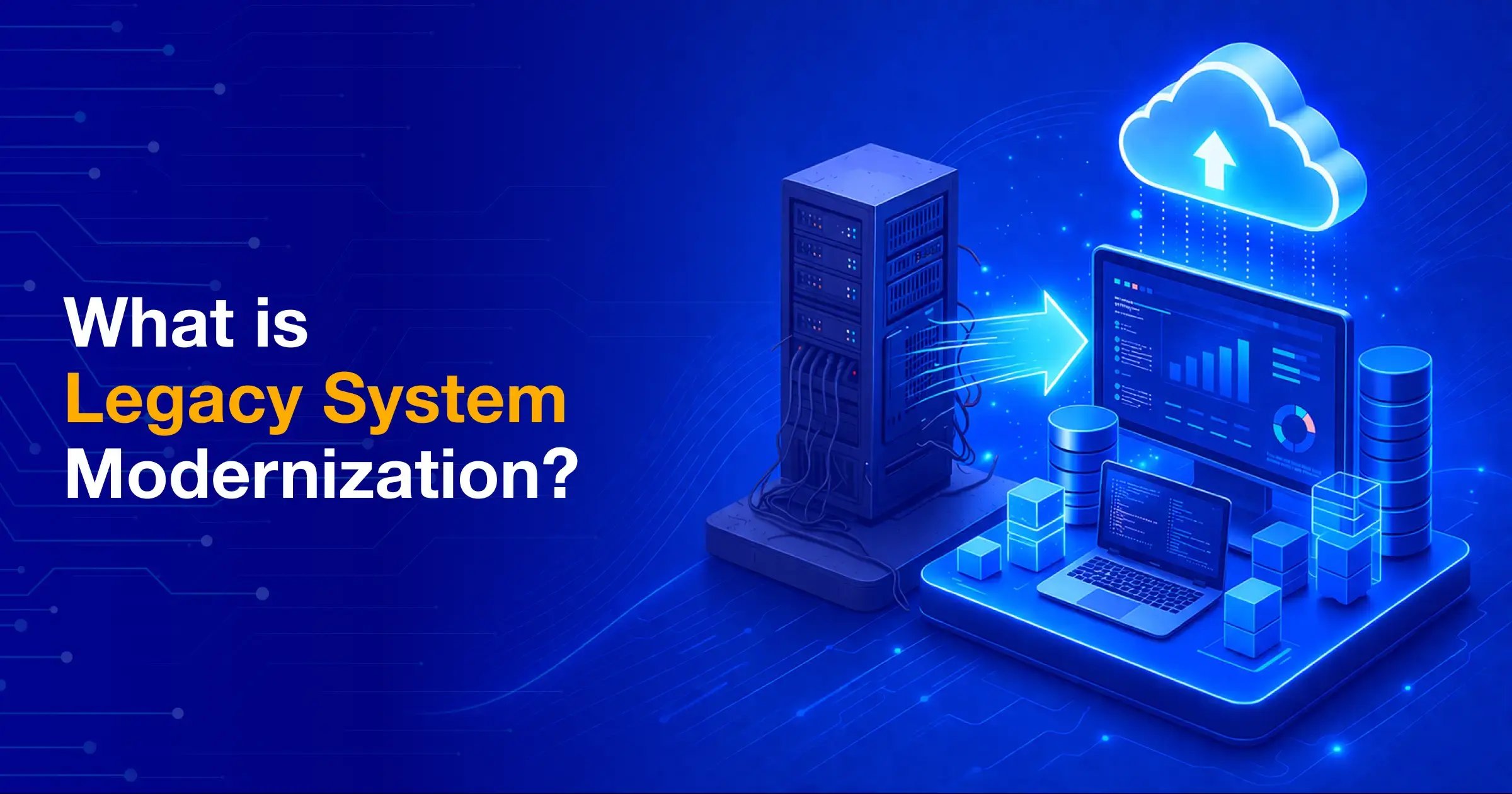

Legacy system modernization refers to upgrading or transforming outdated software and infrastructure. Sometimes, it also involves replacing the old one. This essentially improves the performance of an organization from all aspects, be it security, system scalability, or capacity to integrate with modern technologies.


In practical terms, businesses generally modernize legacy systems to reduce technical debt and unlock innovation. Modern platforms support faster development cycles, which allow companies to scale and respond to market changes more quickly.


Understanding Legacy Applications


Before we talk about legacy system modernization, we need to understand the problem clearly. What exactly is a legacy system? Why do businesses continue to rely on it? And how does it affect growth?


Let us break it down.


What is a Legacy System?


A legacy system is an application or software platform that has been running for many years. It still supports important business operations. But the technology behind it has become outdated.


You may wonder. If the system still works, why call it a problem?


Because these systems were built for a different era of technology. They were not designed for modern expectations like cloud modernization or advanced API integration.


A simple definition can help here.


Legacy system modernization refers to the process of upgrading or transforming outdated enterprise software so it can integrate with modern technologies and support long-term business growth.


Legacy systems are still common across industries. Many organizations rely on them for their core processes.


Some typical examples include:


These systems often run critical workflows. Payroll, supply chains, inventory management, or customer records may all depend on them. So companies hesitate to replace them.


But over time, these systems create a different problem. They slowly accumulate technical debt.


What are the Common Characteristics of Legacy Systems?


You can usually recognize a legacy application by looking at a few technical and operational patterns.

Most enterprise legacy systems share several common traits.


  • Built using outdated programming languages or frameworks
  • Rigid monolithic architecture that makes changes difficult
  • Limited system scalability when demand grows
  • High maintenance and infrastructure costs
  • Difficult or fragile API integration with modern platforms
  • Increasing security vulnerabilities
  • Poor or missing documentation

Here is a simple comparison that many executives find useful.


Feature

Legacy Systems

Modern Systems

Architecture

Monolithic architecture

Microservices or cloud-native architecture

Scalability

Limited scalability

Elastic system scalability

Integration

Difficult API integration

API-first platforms

Infrastructure

On-premise legacy infrastructure

Cloud-based infrastructure

Innovation Speed

Slow release cycles

Rapid development and deployment


Why Businesses still Depend on Legacy Applications


If legacy systems create so many problems, why do companies keep them?


This is a fair question., and the truth is simple. These systems often sit at the center of critical business operations. Replacing them feels risky.


Several factors explain why businesses continue to rely on legacy applications:


  • Core operations depend on them every day
  • Migration risks seem high for mission-critical systems
  • Skilled developers for older technologies are becoming rare
  • Modernization projects require significant planning and investment
  • Leadership worries about operational disruption

Another factor plays a major role. Technical debt.


Over the years, companies keep patching and extending old systems instead of replacing them. Small updates accumulate and dependencies grow. Eventually the system becomes extremely complex.


At that point, change feels almost impossible.


How Legacy Systems Affect Business Growth


The real impact of legacy systems becomes visible when companies try to innovate. This is when leaders begin to see the cost of outdated legacy infrastructure.


Legacy systems often lead to:


  • Slower product development cycles
  • Rising IT maintenance costs
  • Limited ability to experiment with new technologies
  • Security risks from outdated software components
  • Poor digital experiences for customers

And this is exactly why legacy application modernization becomes a strategic conversation inside the boardroom.


Why Legacy System Modernization is Important Today


A decade ago, many companies could run comfortably on older systems. Technology moved slower. Customer expectations were lower.


Today things are very different.


Businesses depend on cloud platforms, data analytics, mobile apps, and AI-driven insights. Every new initiative needs flexible and scalable technology. But many organizations still rely on aging legacy infrastructure.

What happens when teams try to innovate on outdated systems?


Integrations fail. Data stays locked in old databases. Scaling becomes expensive. Innovation slows down.

This is why legacy system modernization has become a priority. Businesses modernize legacy systems to reduce technical debt, support digital transformation, and enable faster innovation.


Several factors are pushing companies toward enterprise system modernization:


  • Rapid adoption of cloud modernization
  • Growing demand for AI and advanced analytics
  • Increasing need for API integration
  • Shift from monolithic architecture to cloud-native architecture
  • Competitive pressure to improve business agility

Organizations typically modernize legacy applications when existing systems begin to limit growth and innovation.


What are the Benefits of Modernizing Legacy Systems?

tech.us-recognized-by-mobile-app-daily

When leaders start exploring legacy system modernization, one question appears quickly. Is the effort really worth it?


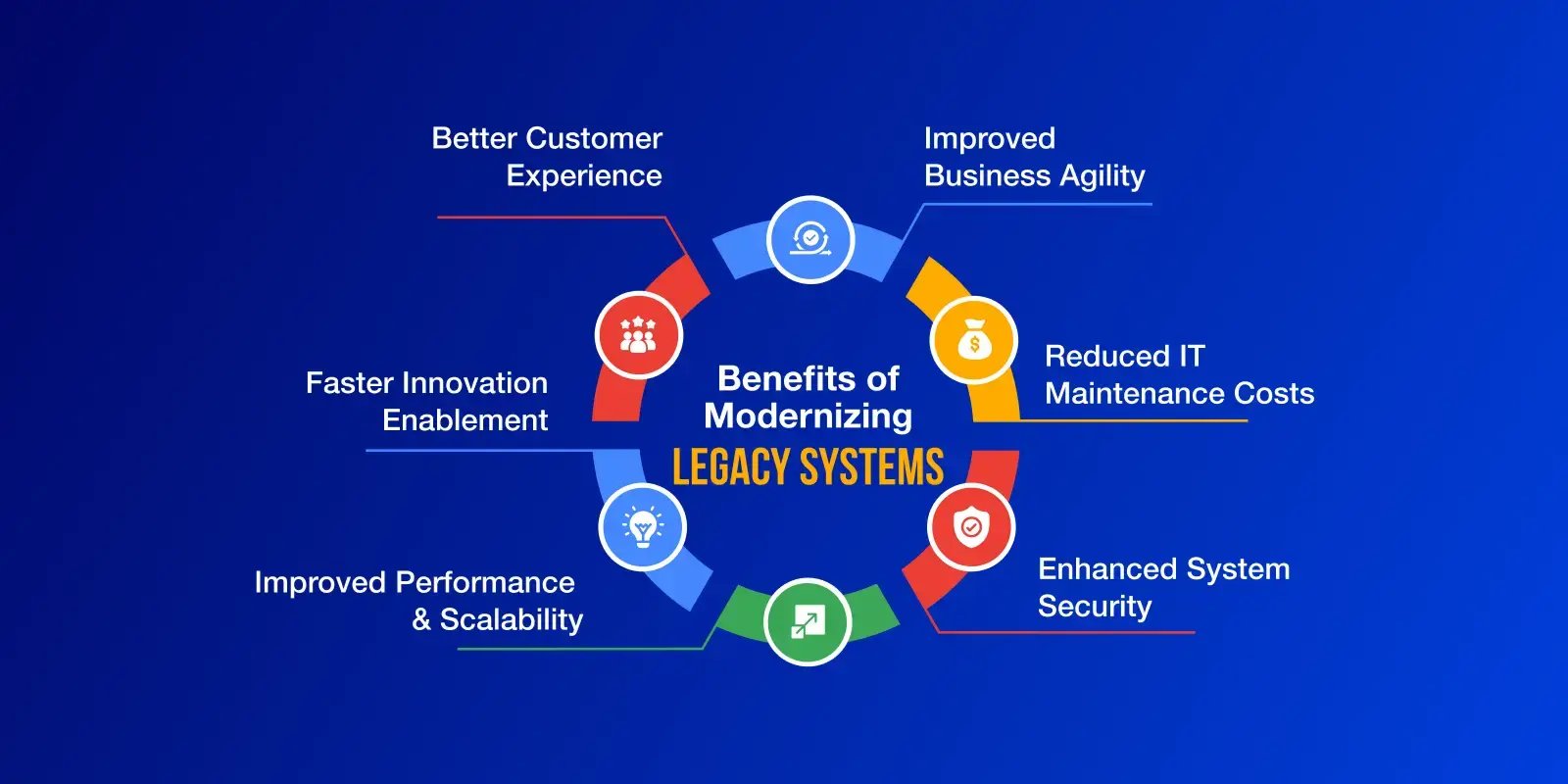
The answer becomes clear once organizations see the practical impact. Modernizing legacy systems improves agility, reduces costs, strengthens security, and unlocks innovation. These benefits directly support long-term enterprise digital transformation.


Let us look at the most important advantages in detail.


How Does Legacy Modernization Improve Business Agility?


Many legacy systems slow down change. Even a small update can take weeks. Development teams often hesitate to release new features because the underlying monolithic architecture makes every change risky.


Now imagine a different scenario. Your teams can deploy updates quickly. New services can be integrated through simple API integration. Product teams experiment and launch features faster.


This is what improved business agility looks like.


Modern systems support faster development cycles and flexible architectures. Instead of being stuck with rigid platforms, organizations gain the freedom to evolve continuously.


Ask yourself a simple question. How fast can your business respond to market changes today?


Key capabilities that enable agility include:


  • Cloud-based environments that support faster deployments
  • Modular architectures that reduce system dependencies
  • Continuous integration and delivery pipelines
  • Easier API integration across internal and external platforms
  • Support for microservices migration from older monolithic systems

Legacy modernization helps organizations respond faster to market opportunities. It removes technical barriers that slow down innovation.


How Does Modernization Reduce IT Maintenance Costs?


Many organizations spend a large portion of their IT budgets maintaining outdated systems. Hardware requires constant upgrades. Old software demands specialized expertise. Even small system failures become expensive.


This is a classic case of growing technical debt.


Older enterprise legacy systems often depend on technologies that fewer engineers understand today. As experienced developers retire or move on, maintaining these systems becomes even more difficult.


Modernization changes the cost structure dramatically.


By adopting cloud modernization and modern development platforms, organizations move away from expensive legacy infrastructure.


Cost reductions often come from:


  • Eliminating outdated hardware maintenance
  • Reducing dependency on rare legacy technology skills
  • Moving workloads to scalable cloud environments
  • Automating system monitoring and maintenance
  • Simplifying infrastructure management through modern IT modernization strategy

Here is a quick comparison.


Cost Factor

Legacy Systems

Modernized Systems

Infrastructure

Expensive on-premise hardware

Cloud-based infrastructure

Maintenance

High operational costs

Automated maintenance

Talent

Specialized legacy expertise required

Widely available modern skills


Modernization shifts spending from maintenance to innovation.


Can Legacy Modernization Improve System Security?


Security risks increase as systems age. Older platforms often run unsupported software. Security patches may no longer be available. Compliance requirements become harder to meet. This creates serious risk for companies managing sensitive data.


But modern architectures address these issues directly. When organizations modernize legacy systems, they can adopt advanced security frameworks that support modern threat protection.


Security improvements often include:


  • Implementation of zero trust security models
  • Continuous security monitoring and automated alerts
  • Automated patching and vulnerability management
  • Strong identity and access management systems
  • Secure cloud-native architecture environments

Legacy application modernization strengthens security posture and helps organizations meet modern compliance standards.


How Modernization Improves System Performance and Scalability


Many legacy applications were built long before modern cloud computing existed. That is why system scalability becomes a challenge.


Modern architectures solve this problem through flexible infrastructure and distributed design. Organizations that modernize legacy applications often move toward cloud platforms and microservices-based architectures.


Performance improvements usually come from:


  • Cloud platforms that support automatic scaling
  • Containerized workloads for efficient deployment
  • Distributed services enabled through microservices migration
  • Improved data processing pipelines
  • Faster system response through optimized infrastructure

Modernization enables systems to scale dynamically without costly infrastructure upgrades.


How Does Legacy Modernization Enable Innovation?


Innovation requires flexible technology. Teams must experiment, build prototypes, and integrate new capabilities quickly. Legacy systems make this difficult.


Many organizations struggle to adopt modern technologies like artificial intelligence services or advanced analytics because their underlying systems cannot support them.


This is why enterprise architecture modernization becomes critical.


When organizations modernize legacy systems, they create a technology environment that supports experimentation and innovation.


Modern platforms enable teams to explore technologies such as:


Here is an important observation.


Organizations typically modernize legacy applications when innovation initiatives start failing because the existing systems cannot support them.


Modernization removes technical barriers and creates a foundation for innovation-driven growth.


How Does Modernization Improve Customer Experience?


Customer expectations have changed dramatically. Users expect fast applications, real-time updates, and seamless digital services.


Legacy systems struggle to deliver these experiences.


Slow response times, delayed data updates, and fragmented systems often lead to frustrating customer interactions.


Modern platforms improve the situation significantly.


With modern architectures and scalable infrastructure, companies can deliver faster and more reliable digital services.


Customer experience improvements often include:


  • Real-time service delivery across platforms
  • Faster application performance
  • Personalized digital experiences driven by data
  • Seamless integration between mobile, web, and backend systems
  • Reliable services supported by modern cloud-native architecture

Legacy system modernization helps organizations deliver faster, smarter, and more reliable digital experiences that meet modern customer expectations.


Where could modernization make the biggest impact in your business?

Work with Tech.us to identify which systems are limiting performance and where to start modernizing.


What are the Different Approaches to Legacy System Modernization?

tech.us-recognized-by-mobile-app-daily

Once leaders understand the value of legacy system modernization, the next question appears quickly. How should modernization actually happen?


There is no single path. Different applications require different strategies. Some systems can move to the cloud with minimal changes. Others need deeper transformation through application refactoring or system reengineering.


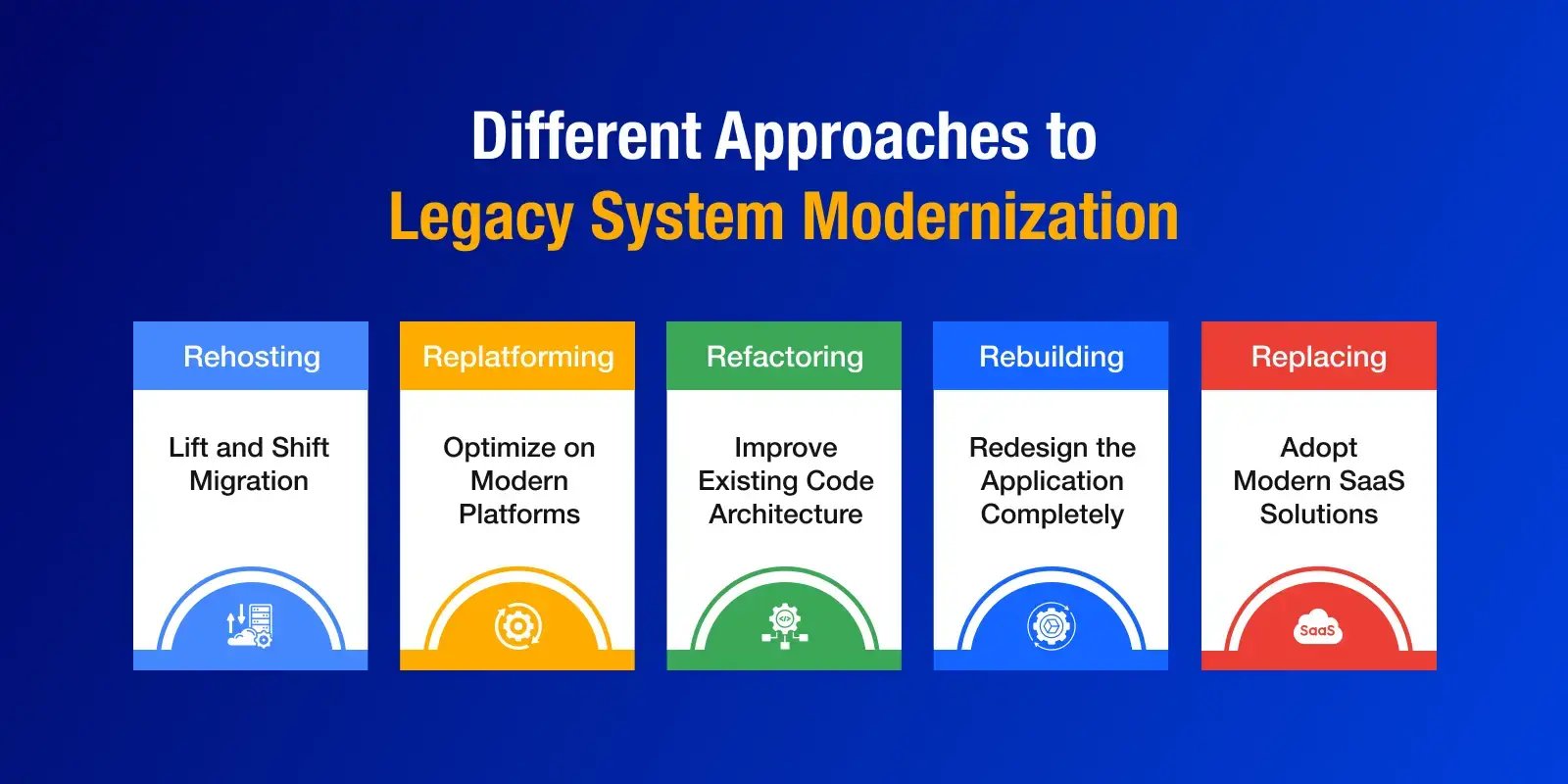
The most common legacy application modernization strategies include rehosting, replatforming, refactoring, rebuilding, and replacing. Each approach solves a different problem.


Let us break them down in simple terms.


Rehosting (Lift and Shift)


Rehosting is often the fastest legacy system migration approach. The idea is simple. Move the existing application to the cloud with minimal code changes. The system works mostly the same way, but it runs on modern cloud infrastructure.


Why do companies choose this approach? Speed and lower risk.


Organizations that want quick cloud modernization often start here. The application continues to function while infrastructure becomes more scalable.


Key features of rehosting:


  • Moves applications from on-premise legacy infrastructure to cloud environments
  • Requires minimal code modification
  • Helps reduce hardware maintenance costs

Rehosting is ideal for companies that want a fast first step in their legacy modernization roadmap without redesigning the entire system.


Replatforming


Replatforming goes one step further than rehosting. The application still moves to thecloud, but teams make small improvements during migration.


Think of it as a light upgrade during the move.


Organizations may update databases, introduce containers, or improve system performance while keeping the core application structure intact.


This approach supports gradual enterprise system modernization.


Key features of replatforming:


  • Improves application performance during cloud migration
  • Enables technologies like containerization and managed databases
  • Reduces operational complexity without full redesign

Replatforming helps organizations gain cloud benefits while making practical improvements to older systems.


Refactoring


Refactoring involves changing the internal code structure of the application. The goal is to improve flexibility, performance, and scalability.


Many companies choose this path when they want to break apart large applications built with monolithic architecture.


This often leads to microservices migration.


The system keeps its core functionality. But the architecture becomes much more modern and flexible.


Key features of refactoring:


  • Improves system flexibility through application refactoring
  • Supports transition from monolithic systems to microservices
  • Enables easier API integration with modern services

Refactoring prepares legacy applications for long-term innovation and modern development practices.


Rebuilding


Sometimes legacy applications become too complex to fix. The code may be outdated. Documentation may be missing. Maintaining the system becomes extremely difficult.


In these cases, rebuilding becomes the best option.


The application is recreated from scratch using modern technologies and cloud-native architecture.


This approach takes more time and planning. But it provides the cleanest long-term solution.


Key features of rebuilding:


  • Creates a completely new application architecture
  • Eliminates accumulated technical debt
  • Supports modern platforms, automation, and cloud environments

Rebuilding is ideal when legacy systems have reached the end of their useful life.


Replacing


Sometimes modernization does not require rebuilding software at all. Instead, organizations replace legacy applications with modern SaaS platforms.


For example, an old CRM system may be replaced with a cloud-based platform.


This strategy helps companies adopt proven solutions instead of maintaining custom software.


Many organizations choose this approach during enterprise digital transformation initiatives.


Key features of replacing:


  • Replaces outdated applications with modern SaaS platforms
  • Reduces internal development and maintenance effort
  • Enables faster adoption of modern features and updates

Replacing legacy systems allows businesses to quickly adopt modern capabilities without rebuilding software internally.


How Should Businesses Approach Legacy Modernization?


Many modernization projects fail for one simple reason. Companies jump straight into technology decisions.


They start discussing cloud platforms, tools, and frameworks. But they skip the groundwork.


Successful legacy system modernization begins with clarity. What systems exist today? Which ones matter most? What business outcome are you trying to achieve?


Think of modernization as a structured journey. Each step builds the foundation for the next.


Let us walk through the practical approach experienced teams follow.


Step 1: How Do You Evaluate Your Existing Legacy Systems?


Start with visibility. Many organizations actually do not know how many legacy applications they run.

Some systems sit quietly in the background. Yet they support critical workflows.


Before designing a legacy modernization strategy, create a clear inventory of your applications. Look at business impact, technical health, and dependencies.


Ask yourself simple questions. Which systems generate revenue? Which ones cause constant maintenance issues?


This evaluation reveals where technical debt is slowing your organization down.


Action items to start immediately:


  • Build a complete inventory of all enterprise legacy systems across departments
  • Identify applications that are critical for daily business operations
  • Measure maintenance costs and technical complexity for each system

Step 2: How Do You Define Modernization Goals?


Modernization without clear goals often leads to wasted investment.


So pause and ask a practical question. What problem are you actually trying to solve?


Some companies want faster product development. Others want to reduce infrastructure costs. Many organizations want to enable cloud modernization and support enterprise digital transformation initiatives.


Your modernization goals should connect directly with business outcomes.


Once leadership agrees on these goals, the entire IT modernization strategy becomes clearer.


Action items for defining modernization goals:


  • Align modernization goals with broader digital transformation priorities
  • Identify business outcomes such as improved system scalability or faster product releases
  • Prioritize systems that block innovation or increase operational risk

Step 3: Which Modernization Strategy Should You Choose?


Here is an important insight. Every application does not need the same modernization approach.


Some systems only need legacy system migration to the cloud. Others require deeper changes through application refactoring or full system reengineering.


The smartest approach is to match the modernization strategy to the system's role and complexity.


Ask practical questions. Does the application still deliver value? Can it evolve? Or is it better replaced entirely?


This step shapes your legacy modernization roadmap.


Action items for selecting the right strategy:


  • Categorize applications by complexity, business value, and technical risk
  • Evaluate modernization options such as rehosting, replatforming, or refactoring
  • Identify systems that may need replacement instead of modernization

Step 4: How Do You Plan a Phased Migration Strategy?


One of the biggest mistakes companies make is attempting a massive modernization project all at once.

That approach creates unnecessary risk.


Successful teams move step by step. They modernize one application or system layer at a time. This phased approach allows teams to learn, adjust, and improve as the project progresses.


It also keeps business operations stable during the transition.


Gradual transformation is often the safest path for modernizing legacy applications.


Action items for planning phased modernization:


  • Break the modernization roadmap into smaller transformation phases
  • Start with non-critical systems to test modernization frameworks
  • Gradually expand modernization efforts across high-value applications

Step 5: How Do You Ensure Minimal Business Disruption?


Modernization should never interrupt core business operations.


This is why experienced teams design modernization programs carefully. They run new environments alongside existing systems. They validate performance before switching traffic.


Testing becomes critical during this phase.


Organizations typically modernize legacy applications while ensuring that daily operations continue without disruption.


The goal is simple. Transform technology while protecting business continuity.


Action items to minimize operational risk:


  • Run legacy and modern systems in parallel during migration
  • Conduct extensive performance and security testing before deployment
  • Introduce staged rollouts instead of full system replacements

Legacy Modernization vs Digital Transformation


Are They the Same?


Many leaders use these two terms interchangeably. Legacy system modernization and digital transformation often appear in the same conversations. But they are not the same thing.


Think of it this way. Modernization focuses on fixing the technology foundation. Digital transformation focuses on reinventing how the business operates.


The difference becomes clearer in this comparison.


Aspect

Legacy Modernization

Digital Transformation

Primary Focus

Upgrading or replacing outdated systems

Reinventing how the business operates

Scope

Technology infrastructure and applications

Entire organization including processes, culture, and strategy

Key Objective

Improve performance, security, and system scalability

Create new digital capabilities and business models

Technology Changes

Cloud migration, application refactoring, microservices migration

AI adoption, automation, advanced analytics

Business Impact

Reduces technical debt and improves IT efficiency

Enables new products, services, and customer experiences

Role in Strategy

Part of an IT modernization strategy

Core driver of enterprise digital transformation


When Should Businesses Modernize Their Legacy Systems?


Many companies keep running legacy applications for years. After all, the system still works. Orders are processed. Data is stored. Reports are generated. So the big question becomes simple. If the system works, why change it?


The answer usually appears when the business tries to grow.


Organizations typically modernize legacy applications when their current systems begin to limit innovation, scalability, and operational efficiency. In many cases, modernization becomes a key step in a broader enterprise digital transformation initiative.


Here are some clear signals that it may be time to start modernizing legacy systems:


  • Maintenance costs keep rising as older legacy infrastructure requires constant fixes and specialized expertise
  • Scaling the system becomes difficult, limiting long-term system scalability as user demand grows
  • Integration challenges appear when connecting with modern tools, platforms, or services through API integration
  • Security vulnerabilities increase because older platforms no longer receive updates or patches
  • Digital transformation initiatives slow down because outdated systems cannot support modern technologies like cloud or AI

FAQs


What is legacy system modernization?


Legacy system modernization is simply about upgrading an existing application or infrastructure. It is also called software modernization as it upgrades your existing software or replace it with a new one.


Why do companies modernize legacy systems?


Some of the key reasons for companies to modernize legacy systems are:


  • Reduced technical debt
  • Improved system scalability
  • Strengthened security
  • Digital transformation

What are some examples of legacy systems?


Examples include:


How long does legacy modernization take?


The timeline to modernize legacy systems highly varies based on several factors including:


  • System complexity
  • Data migration needs
  • Integration dependencies
  • Modernization approach
Top 5 Business Benefits of Enterprise Mobile App Development

Top 5 Business Benefits of Enterprise Mobile App...

NEWSLETTER


RECENT POSTS


blog-img

What is Legacy System Modernization? The Complete Guide for Business...

blog-img

Top 5 Business Benefits of Enterprise Mobile App Development

blog-img

Human-in-the-Loop Data Annotation: Why It Matters for AI Accuracy

blog-img

7 Reasons Why Custom Enterprise Mobile Apps are a Game-Changer for Your...

blog-img

Why Data Annotation is Critical for Building Enterprise AI Applications