
Find Where Value Is Being Lost
Identify revenue leakage, inefficient processes, and areas where performance is falling short.
TRUSTED BY ORGANIZATIONS THAT DEPEND ON TECHNOLOGY







Selected Work
See how we uncover insights that help organizations solve complex problems and make better decisions with their data.
View All Case Studies
A precast concrete manufacturer partnered with Tech.us to bring AI into the estimating workflow. The system uses OCR, computer vision, and generative AI to identify, extract, and visualize structures, pipes, and components from complex construction drawings.
Read the Case Study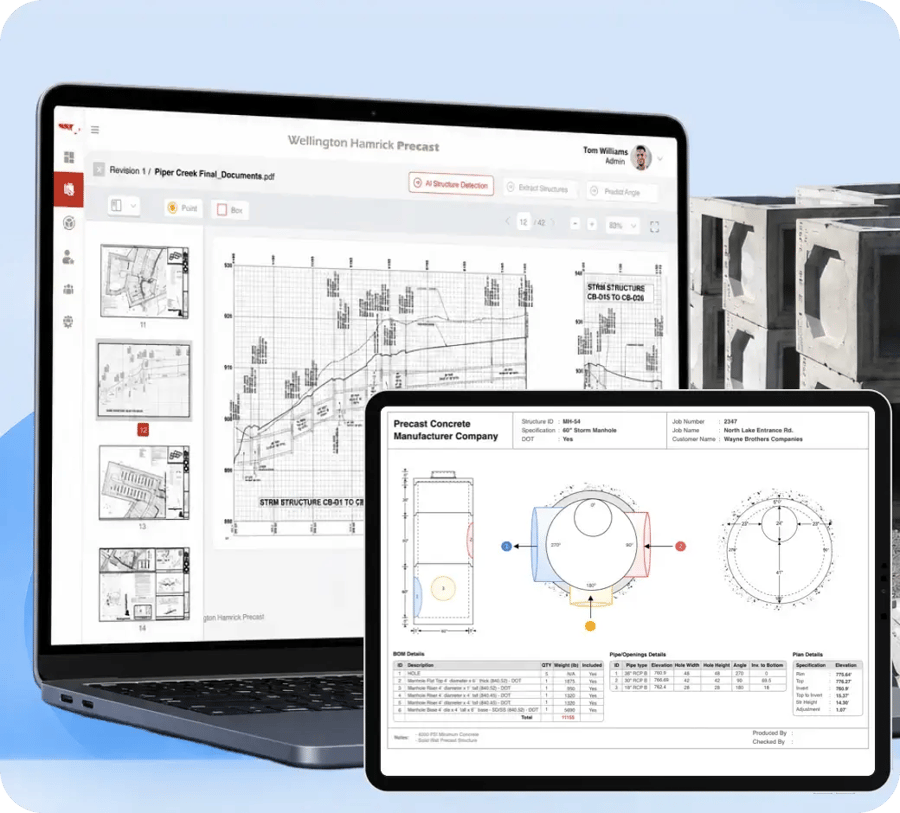

SkyHawk by TELUS needed a streamlined mobile experience for its Connect Anywhere platform. Tech.us built the core experience around real-time asset tracking, fleet activity, secure configuration, and map-based operational visibility.
Read the Case Study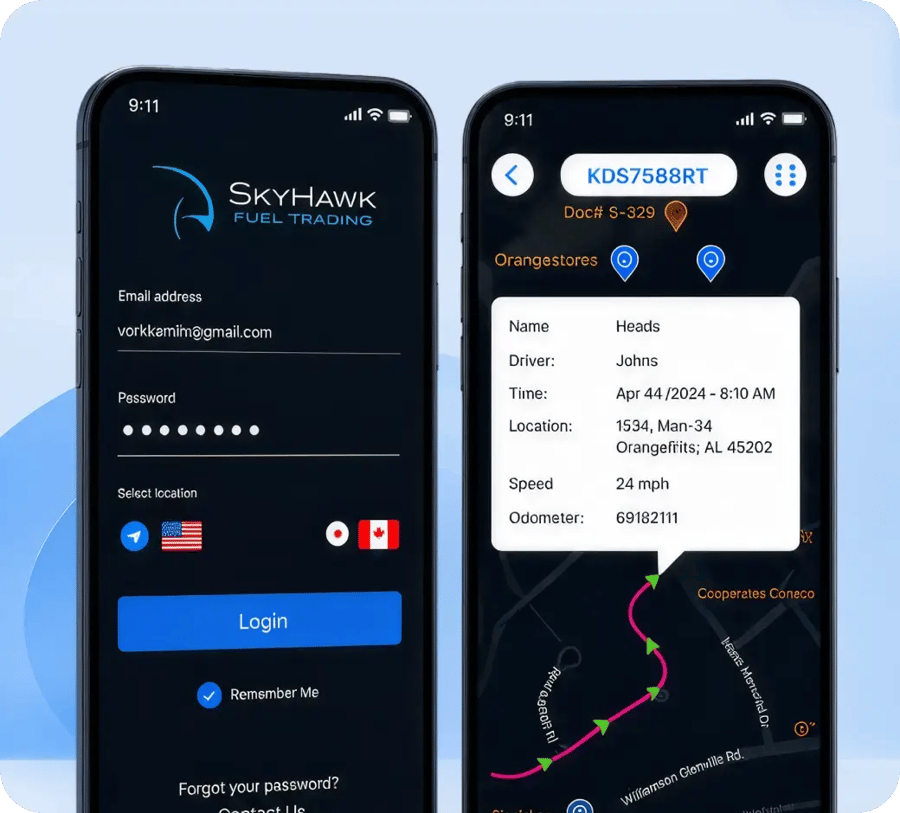

Tech.us helped bring Wealth Mastery to life as a digital platform that puts personalized financial planning tools directly in users' hands while supporting a large and growing audience.
Read the Case Study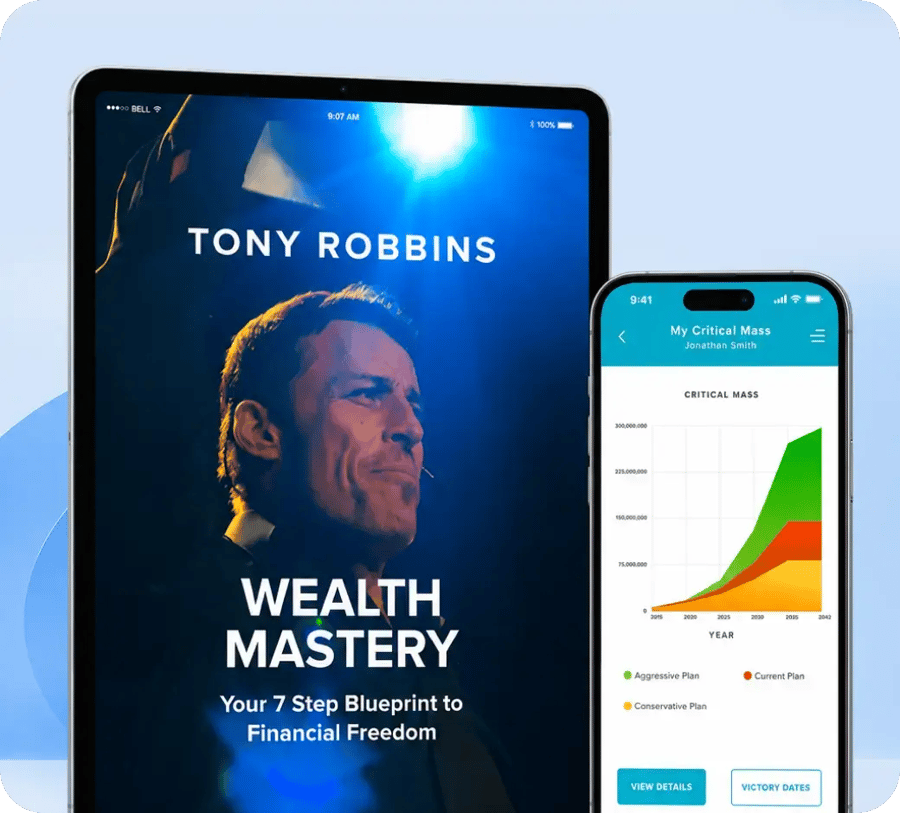
WHY TECH.US FOR DATA MINING
We validate patterns before they become recommendations, giving your team insights that are reproducible, explainable, and tied to real business decisions.
Candidates are validated against data that played no part in generating them, so a finding reaching you has already survived the check most analysis skips.
Limitations are part of the deliverable, including where a result is suggestive rather than established and where causation was not demonstrated.
Extraction scope, access, disclosure control, and retention are engineered as part of the work rather than assumed to be someone else's responsibility.
You receive the code, the data version, and the documentation, so findings can be checked and rerun without us.
Where a finding becomes a recurring decision, Tech.us can build and operate the production version rather than handing over a notebook.
Code written with AI assistance passes human review before it reaches a client system. Faster authorship does not move accountability.

INDUSTRY EXPERIENCE
Different industries have different challenges. We focus data mining around the decisions that create the most value in each sector.
Explore All Industries Healthcare
Patterns across clinical, operational, and claims data, where small-group results carry re-identification risk and findings affecting care require particular caution.
Explore Healthcare
Healthcare
Patterns across clinical, operational, and claims data, where small-group results carry re-identification risk and findings affecting care require particular caution.
Explore Healthcare
 Financial Services and Insurance
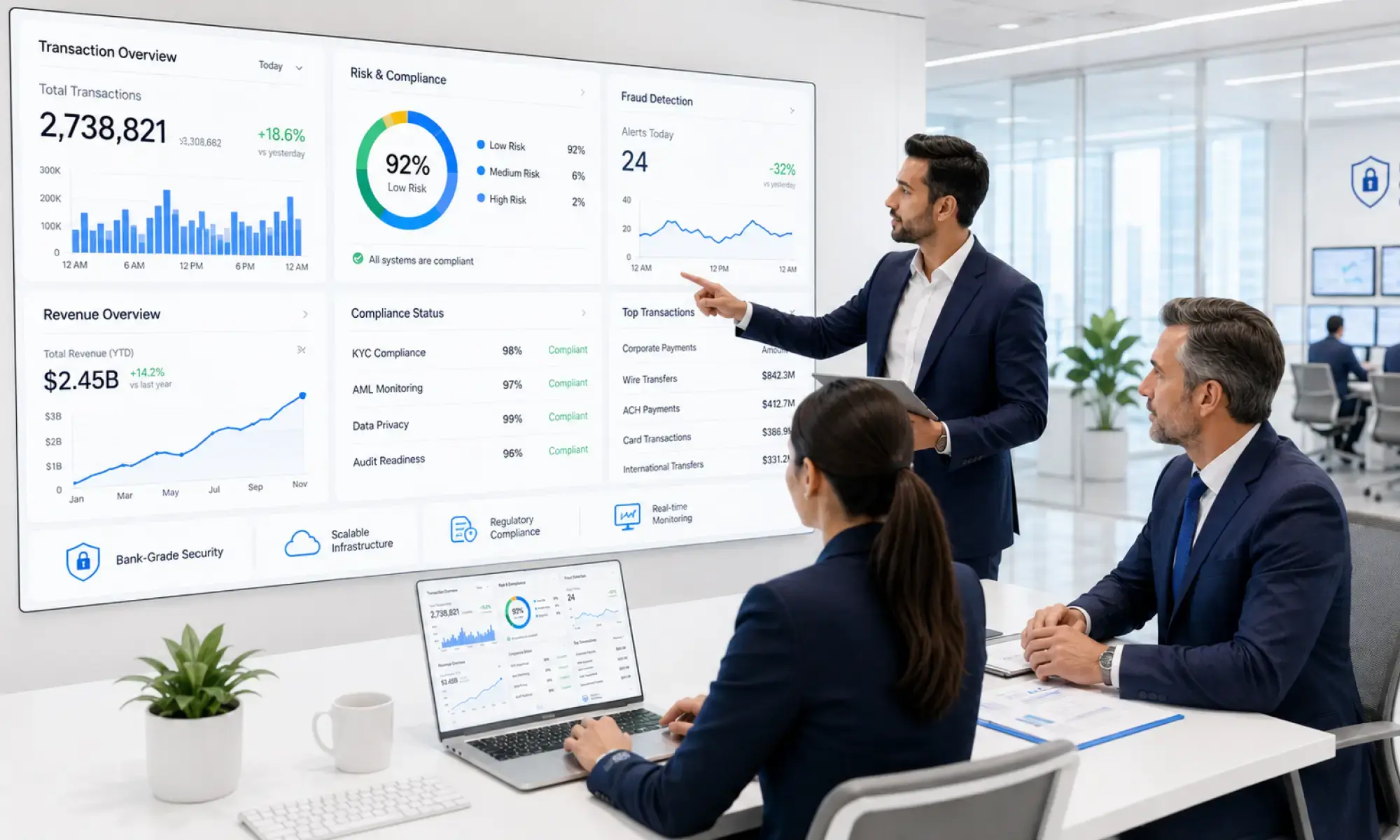
Risk, fraud, pricing, and behavior analysis where models influencing decisions about people carry proxy and fairness implications that have to be examined.
Explore Financial Services and Insurance
Financial Services and Insurance
Risk, fraud, pricing, and behavior analysis where models influencing decisions about people carry proxy and fairness implications that have to be examined.
Explore Financial Services and Insurance
 Manufacturing
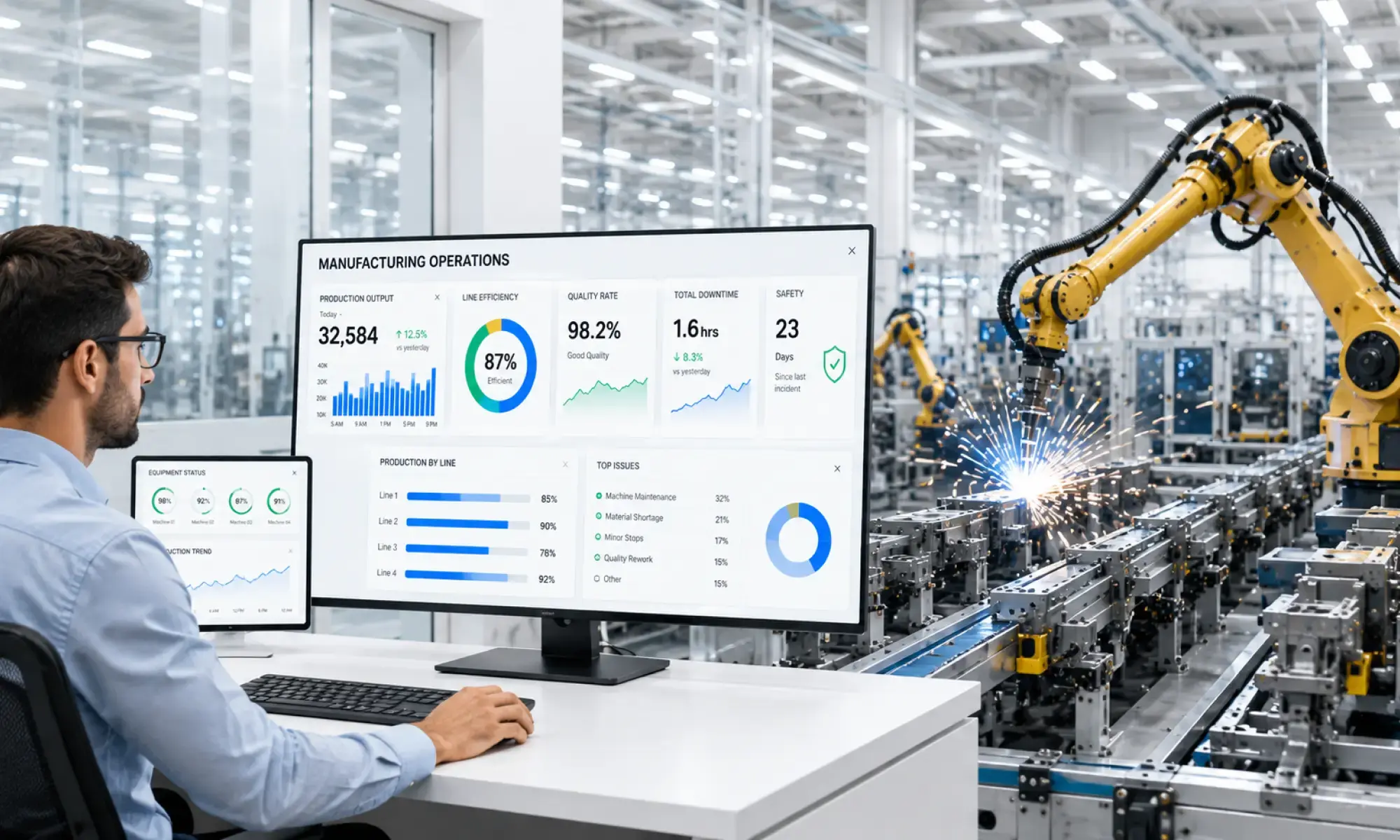
Failure precursors, quality drivers, and yield analysis across machine, sensor, and inspection data that was rarely designed to be joined.
Explore Manufacturing
Manufacturing
Failure precursors, quality drivers, and yield analysis across machine, sensor, and inspection data that was rarely designed to be joined.
Explore Manufacturing
 Retail and E-Commerce
Basket associations, demand shifts, and behavioral segments, where seasonality and promotions produce apparent patterns that vanish outside the period sampled.
Explore Retail and E-Commerce
Retail and E-Commerce
Basket associations, demand shifts, and behavioral segments, where seasonality and promotions produce apparent patterns that vanish outside the period sampled.
Explore Retail and E-Commerce
 Transportation and Logistics
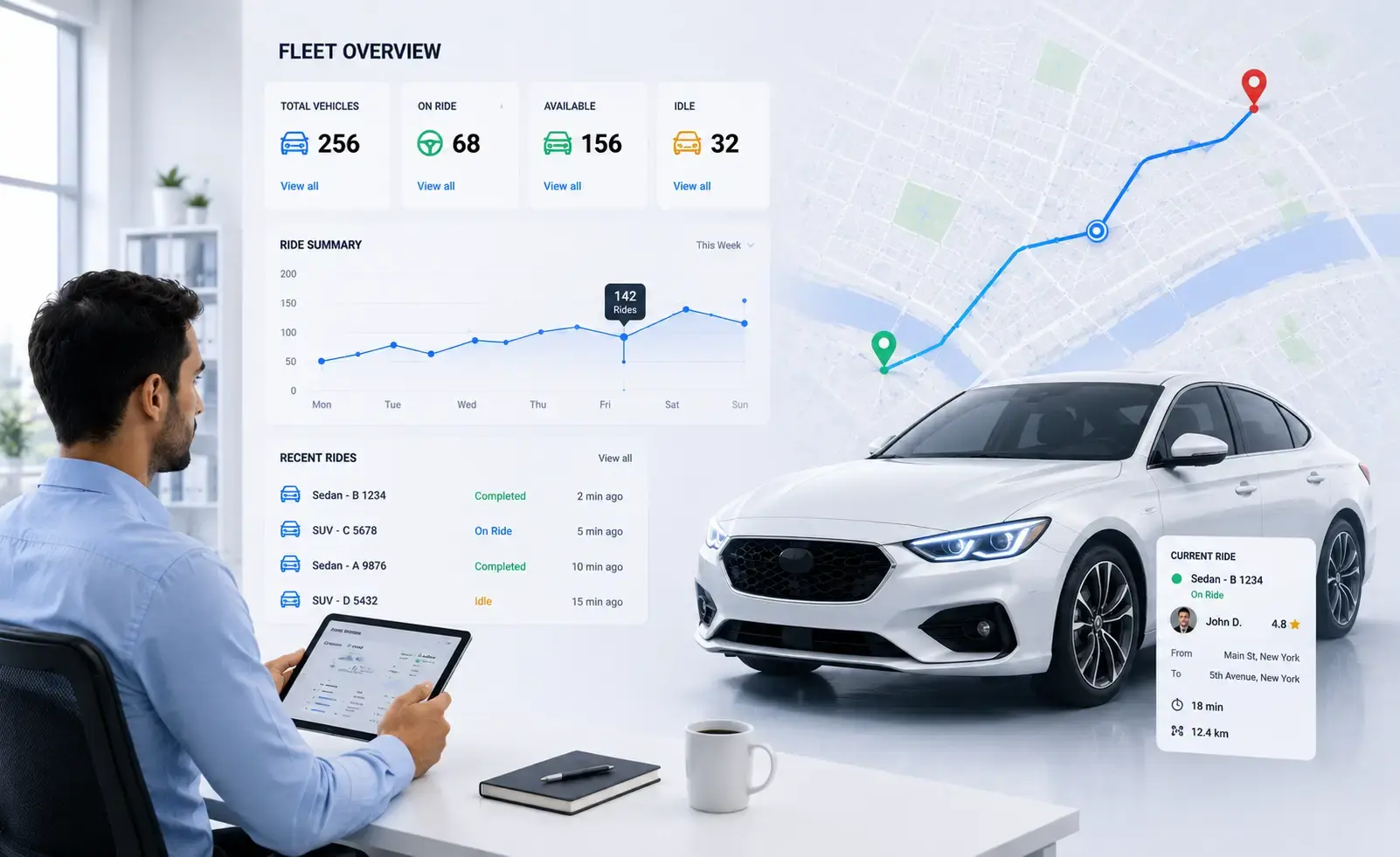
Cost drivers, delay causes, and exception patterns across operational, telematics, and documentation data.
Explore Transportation & Logistics
Transportation and Logistics
Cost drivers, delay causes, and exception patterns across operational, telematics, and documentation data.
Explore Transportation & Logistics
 Construction
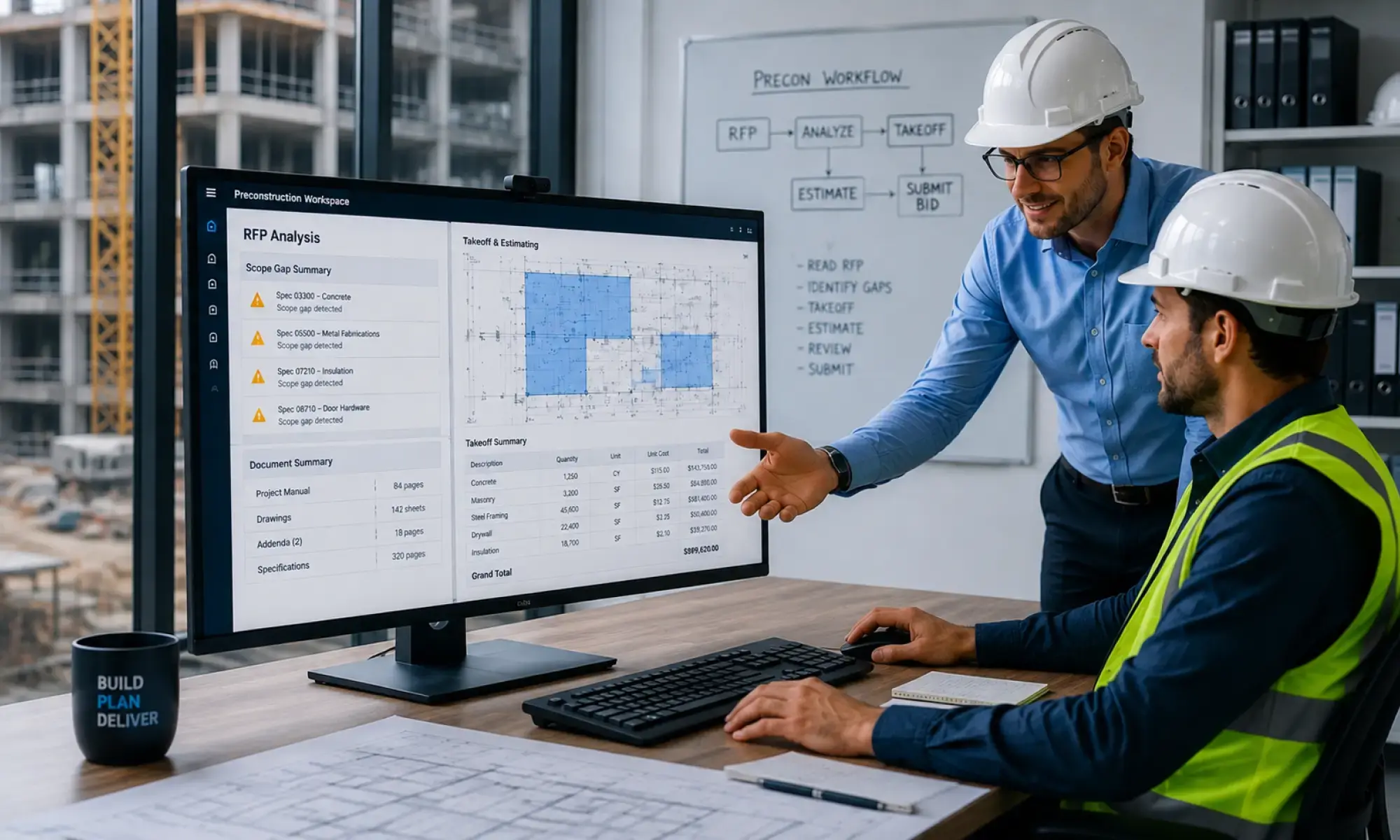
Estimating accuracy, delay precursors, and performance variation across projects, where each project is different enough to make comparison the hard part.
Explore Construction
Construction
Estimating accuracy, delay precursors, and performance variation across projects, where each project is different enough to make comparison the hard part.
Explore Construction
DATA MINING TECHNOLOGY
We work across data warehouses and lakehouses, distributed processing, statistical and machine learning libraries, notebook and pipeline environments, text mining tooling, and visualization platforms, on major clouds and on-premise infrastructure.
Selection follows data volume, where the data is permitted to be processed, the statistical methods the question requires, integration with your existing platform, and what your team can maintain afterwards.
Agentic AI & Orchestration
 Agentic AI
 AI Agents
 Multi-Agent Systems
 Agentic Workflow Automation
 Model Context Protocol (MCP)
 Agent-to-Agent Protocol (A2A)
 Agent Memory and Reasoning
Generative AI & Foundation Models
 Large Language Models
 GPT
GPT
 Claude
 Gemini
 Llama
Llama
 Generative AI
 Multimodal Foundation Models
 Diffusion Models
 Small Language Models
 Model Fine-Tuning
 Prompt & Context Engineering
Machine Learning & Deep Learning
 Machine Learning
 Deep Learning
 Predictive Analytics
 Recommendation Systems
 Anomaly Detection
 Time-Series Analysis
Data & AI Platforms
 AI-Ready Data Platforms
 Data Lakes and Lakehouse
 Data Engineering
AI Frameworks & Libraries
 PyTorch
 TensorFlow
 Scikit-learn
 Hugging Face Transformers
 LangChain
 LangGraph
MLOps, LLMOps & AgentOps
 MLOps
MLOps
 LLMOps
 AgentOps
 Model Deployment and Serving
 Agent Deployment
 Model and Agent Observability
 Prompt and Response Tracing
 AI Cost Optimization
AI Evaluation, Safety & Governance
 LLM Evaluations
Agent Evaluations
LLM Evaluations
Agent Evaluations
 RAG Evaluations
 AI Guardrails
 Prompt-Injection Protection
 Red Teaming
 Responsible AI
 AI Governance
Cloud AI Technologies
Google Cloud
 Vertex AI
Gemini Models
Vertex AI
Gemini Models
 Agent Studio
 Vertex AI Agent Builder
 Agent Development Kit
 Vertex AI Vector Search
 Google Cloud Document AI
 Google Cloud Vision AI
Microsoft Azure
 Microsoft Foundry
 Microsoft Copilot Studio
 Microsoft Agent Framework
 Azure AI Document Intelligence
 Azure AI Speech and Vision
 Microsoft Fabric
 Microsoft Purview
Language, Vision, Speech & Document AI
 NLP, NLU and NLG
STT, TTS and ASR
NLP, NLU and NLG
STT, TTS and ASR
 Conversational AI
 Document Intelligence
 Computer Vision
RAG, Search & Knowledge Systems
 Enterprise RAG
 Multimodal RAG
 Enterprise Search
 Semantic & Hybrid Search
 Vector Databases
 Knowledge Graphs
 Reranking and Retrieval Optimization
