
Catch Problems Before the Business Does
See when model behavior starts changing before lost revenue or customer issues become the first warning.
TRUSTED BY ORGANIZATIONS THAT DEPEND ON TECHNOLOGY







SELECTED WORK
See how we turn complex business challenges into practical solutions built for real-world use.
View All Case Studies
A precast concrete manufacturer partnered with Tech.us to bring AI into the estimating workflow. The system uses OCR, computer vision, and generative AI to identify, extract, and visualize structures, pipes, and components from complex construction drawings.
Read the Case Study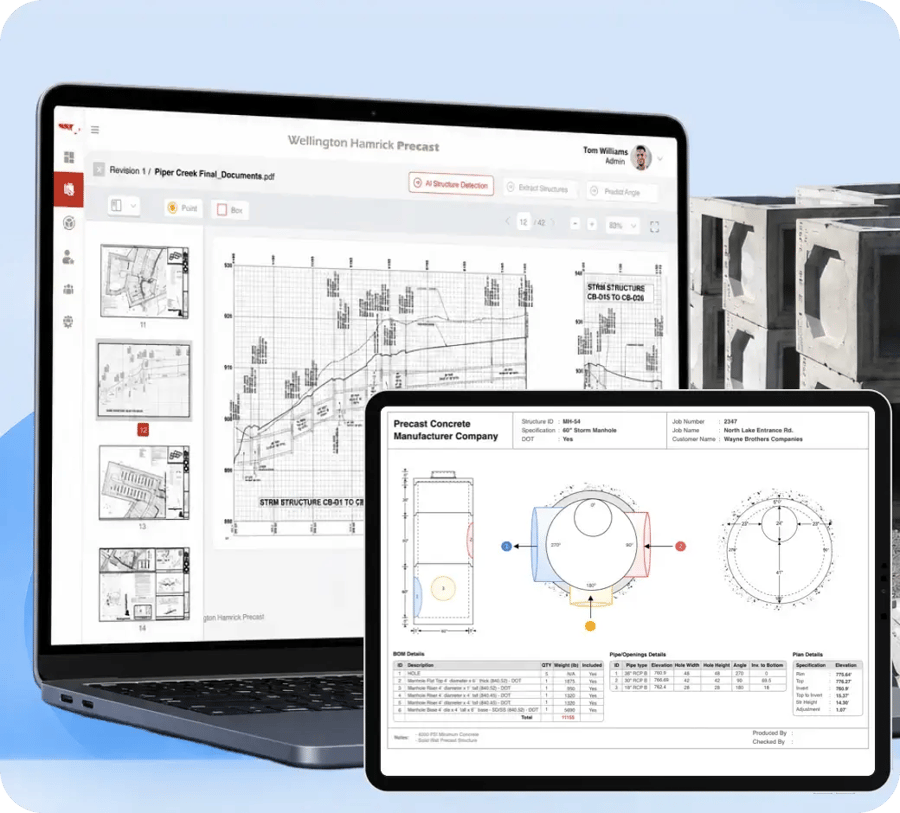

SkyHawk by TELUS needed a streamlined mobile experience for its Connect Anywhere platform. Tech.us built the core experience around real-time asset tracking, fleet activity, secure configuration, and map-based operational visibility.
Read the Case Study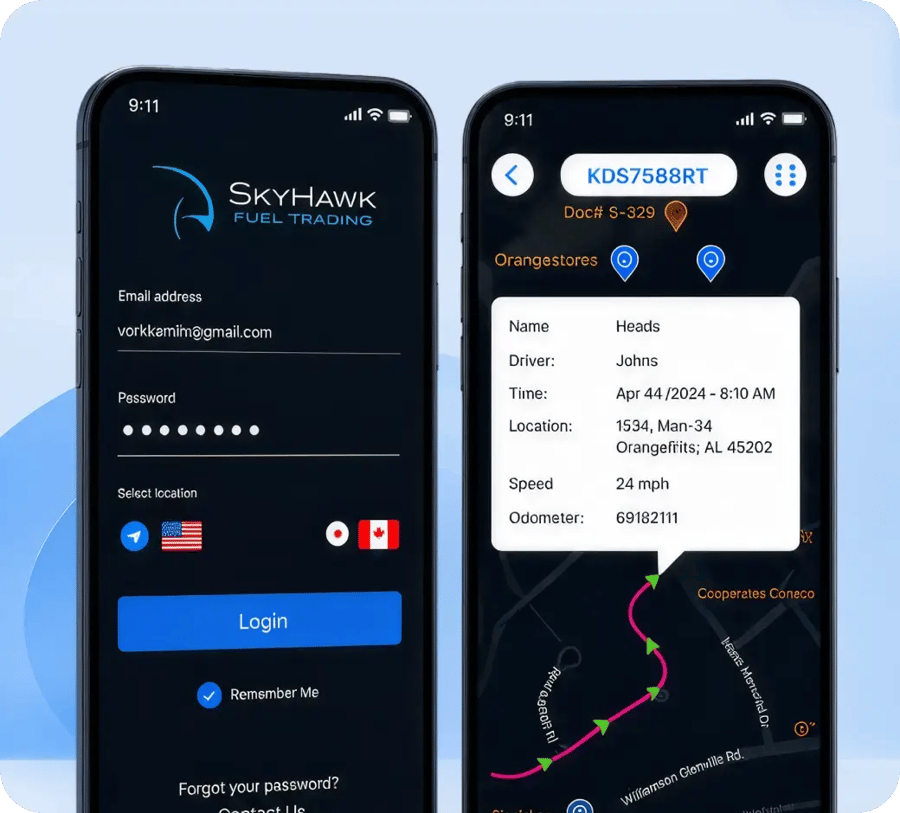

Tech.us helped bring Wealth Mastery to life as a digital platform that puts personalized financial planning tools directly in users' hands while supporting a large and growing audience.
Read the Case Study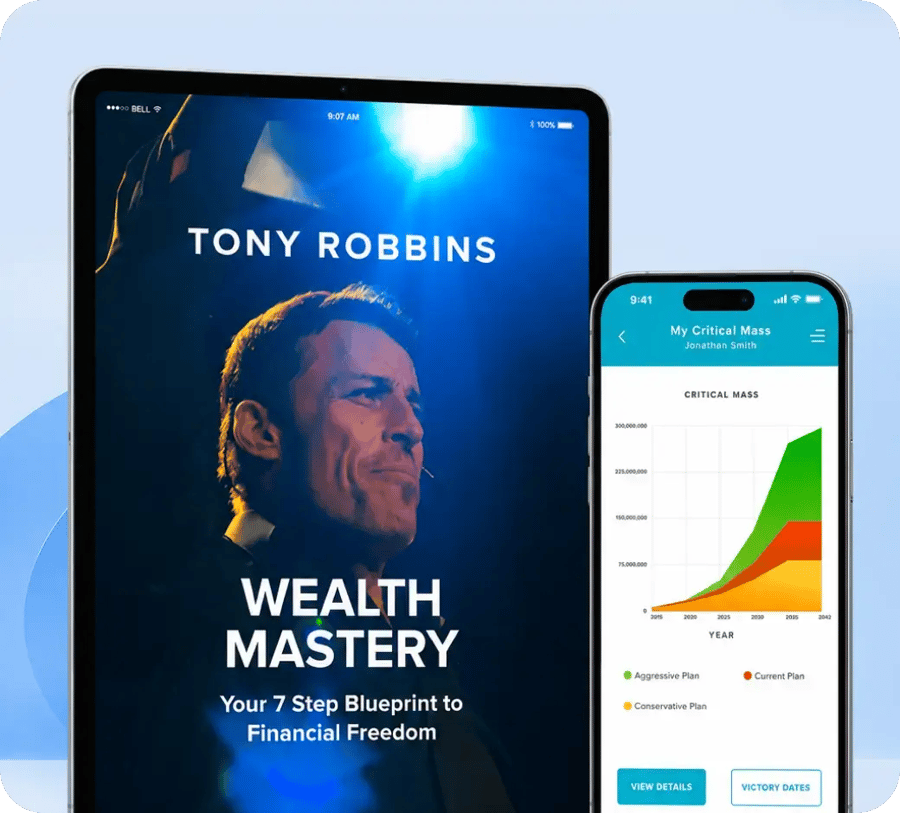
WHY TECH.US
We design for long-term reliability so teams can respond quickly when performance starts to change.
Skew detection, lineage, and per-segment evaluation exist because the damaging problems do not raise errors.
We build on the cloud, orchestration, and tooling you already run, since a migration is rarely the fastest route to a working pipeline.
Every promotion passes the same checks with a named approver, which is slower than automatic deployment and considerably cheaper than an undiagnosable regression.
Artifact provenance, registry permissions, secret handling, and what accumulates in feature stores and logs are engineering decisions we make during the build.
Code written with AI assistance goes through human review before it reaches a client system. Authorship speed does not move accountability.
Documentation, runbooks, and lineage are deliverables, because a platform only your vendor can operate is a dependency rather than a capability.

INDUSTRY EXPERIENCE
We adapt our approach to the operating realities and accountability requirements of each industry.
Explore All Industries Healthcare
Model documentation, approval history, and traceability of any output influencing care or coverage, with access to clinical data scoped and recorded.
Explore Healthcare
Healthcare
Model documentation, approval history, and traceability of any output influencing care or coverage, with access to clinical data scoped and recorded.
Explore Healthcare
 Financial Services and Insurance
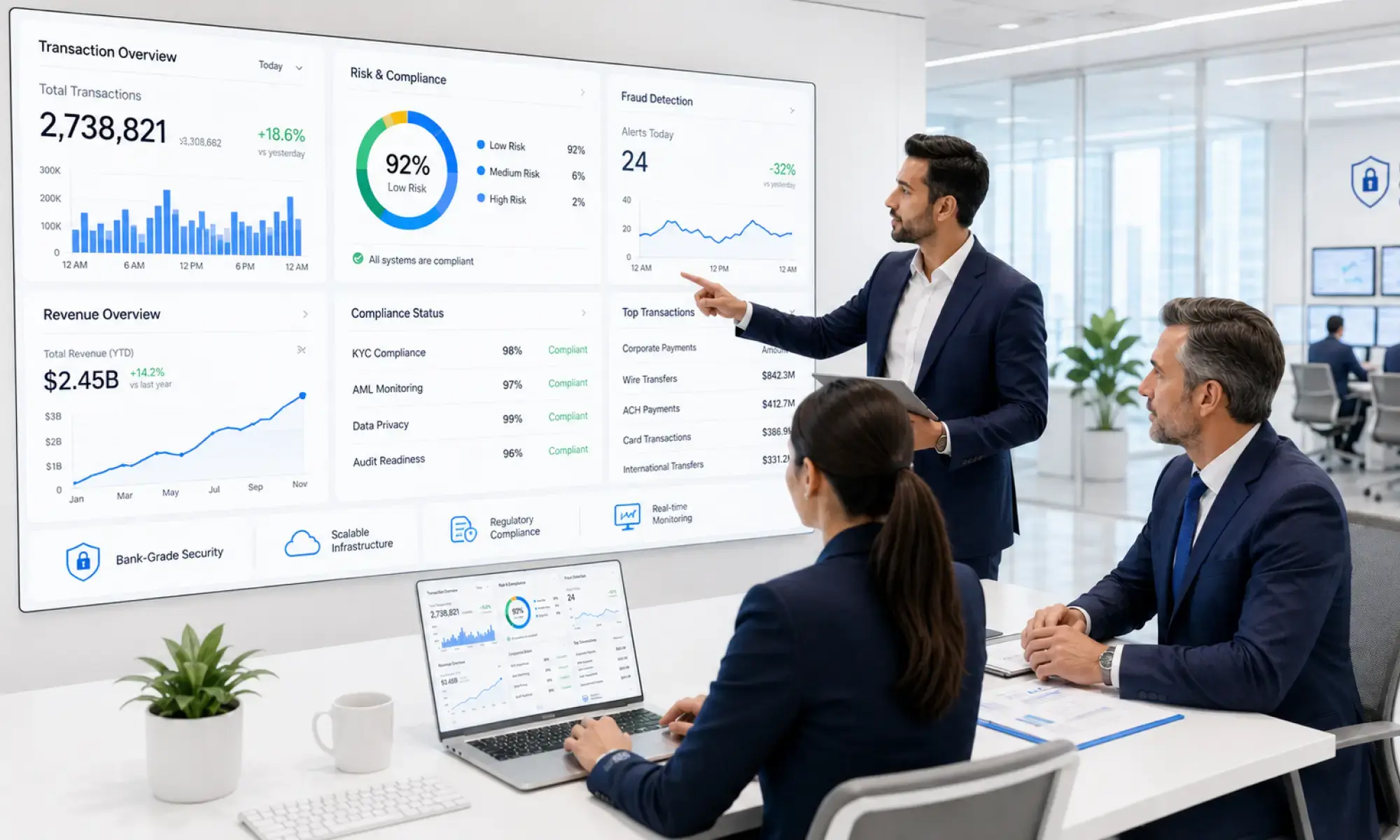
Reproducibility for models affecting credit, pricing, claims, or risk, with segment-level performance and evidence of how a decision was produced.
Explore Financial Services and Insurance
Financial Services and Insurance
Reproducibility for models affecting credit, pricing, claims, or risk, with segment-level performance and evidence of how a decision was produced.
Explore Financial Services and Insurance
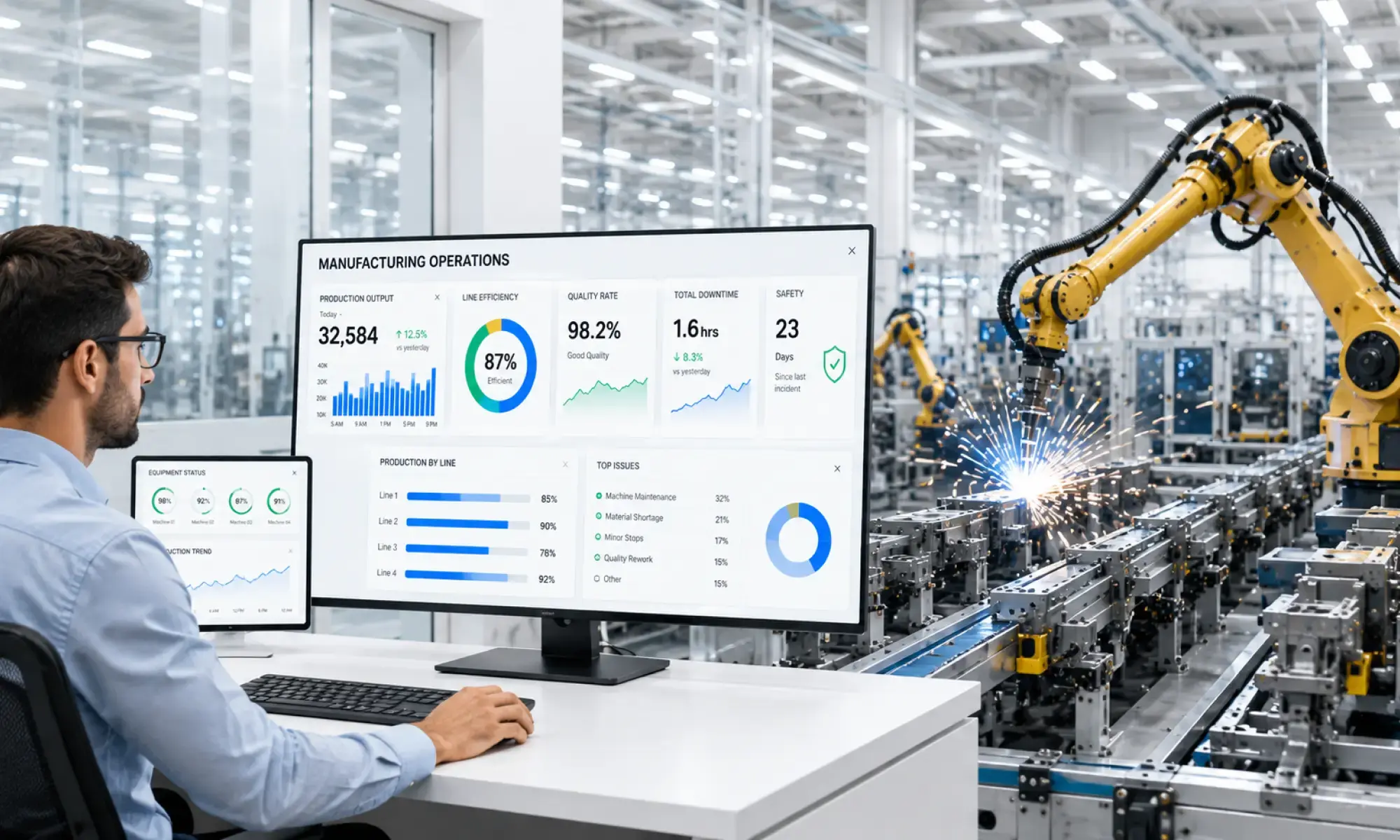 Manufacturing
Deployment across plants, lines, and edge environments where connectivity varies and one model version cannot be assumed everywhere.
Explore Manufacturing
Manufacturing
Deployment across plants, lines, and edge environments where connectivity varies and one model version cannot be assumed everywhere.
Explore Manufacturing
 Retail and E-Commerce
Frequent retraining against seasonal and promotional shifts, where feedback loops between recommendation and behavior distort the training data.
Explore Retail and E-Commerce
Retail and E-Commerce
Frequent retraining against seasonal and promotional shifts, where feedback loops between recommendation and behavior distort the training data.
Explore Retail and E-Commerce
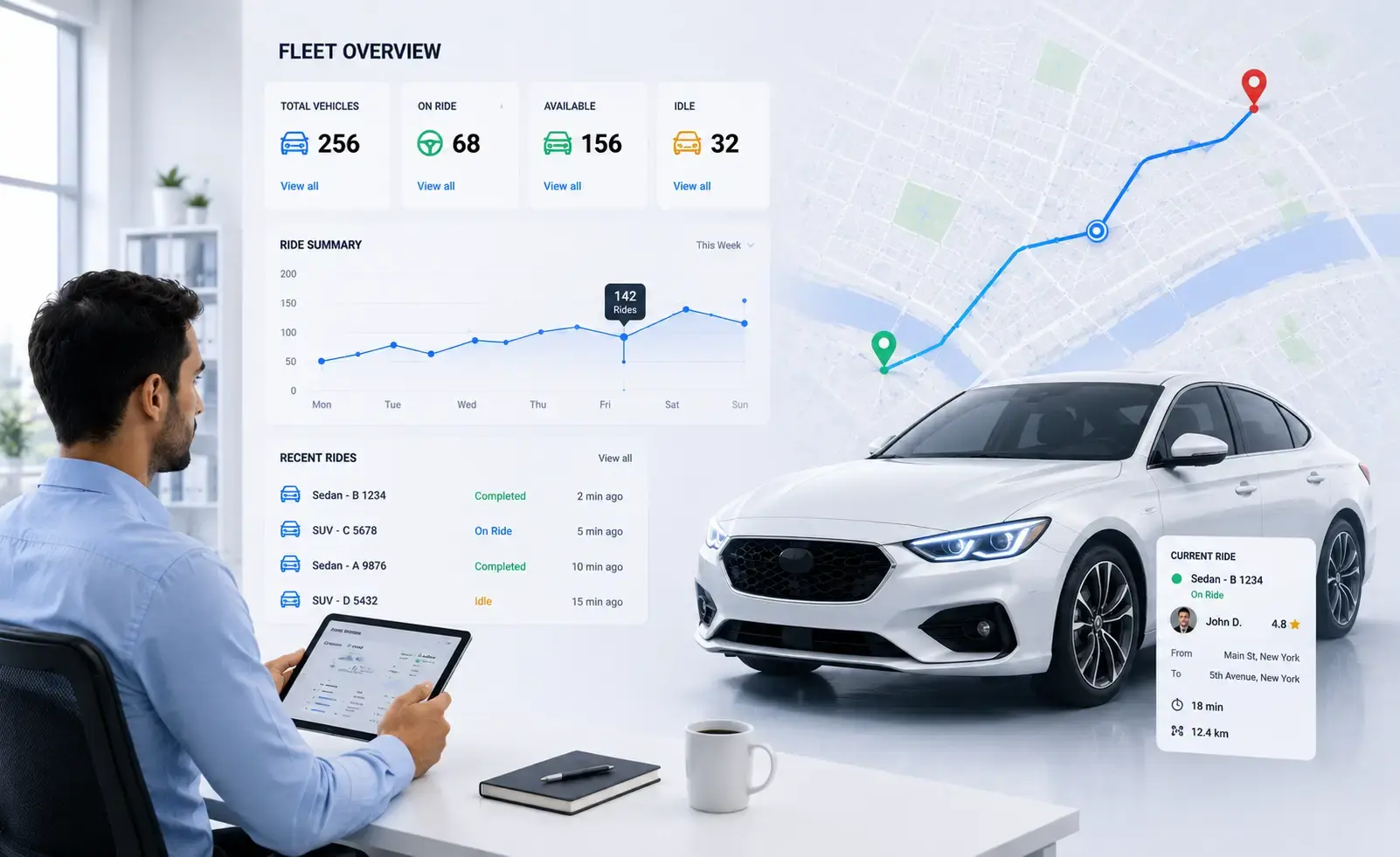 Automotive
Versioning and validation across models running in vehicles and connected systems, where release and reversion are constrained by the deployment target.
Explore Automotive
Automotive
Versioning and validation across models running in vehicles and connected systems, where release and reversion are constrained by the deployment target.
Explore Automotive
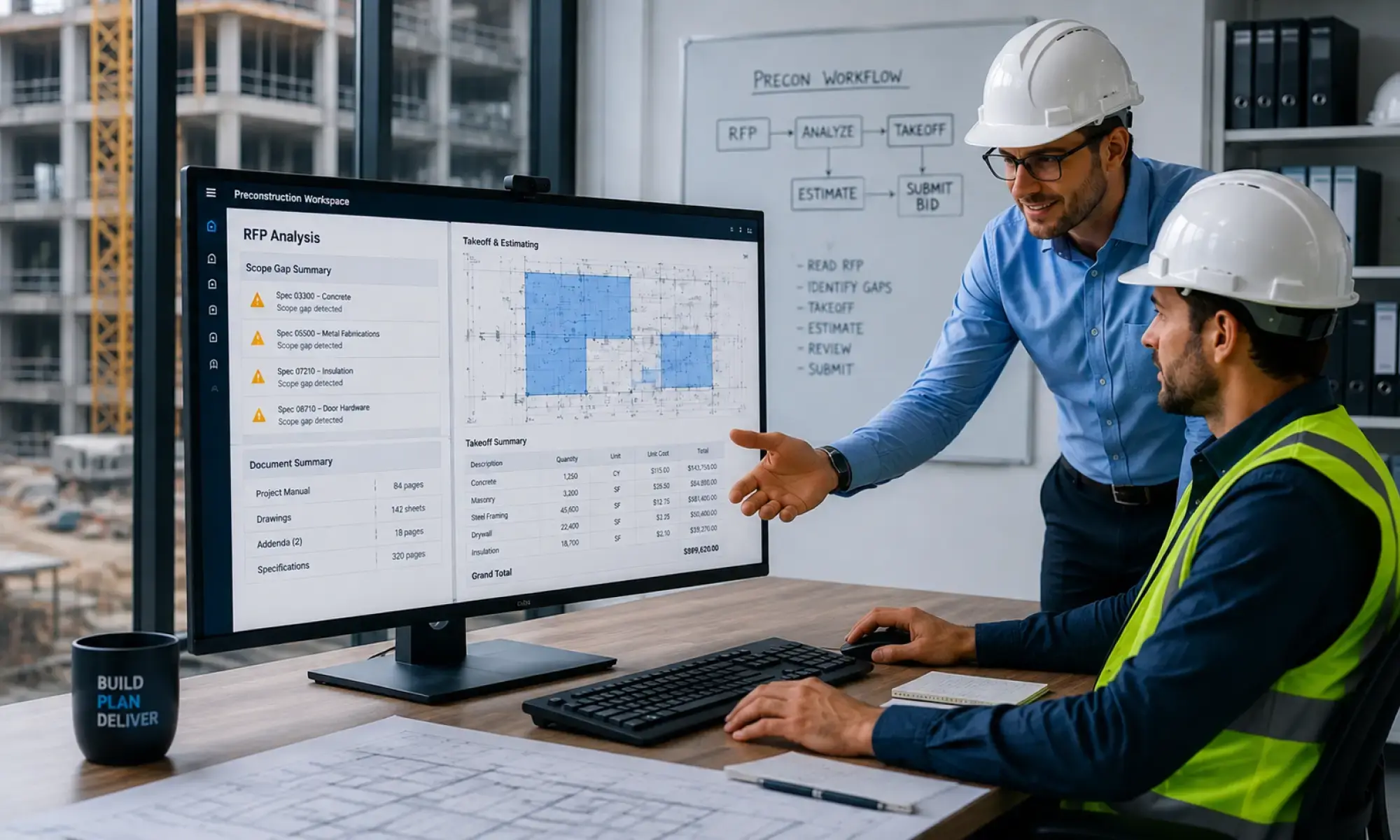 Construction
Models spanning projects, sites, and document sources, where inputs differ enough between projects to require per-context evaluation.
Explore Construction
Construction
Models spanning projects, sites, and document sources, where inputs differ enough between projects to require per-context evaluation.
Explore Construction
MLOPS TECHNOLOGY
We work across orchestration, experiment tracking, feature stores, model registries, containerization, serving frameworks, data versioning, and monitoring and observability tooling on major cloud platforms and on-premise infrastructure.
Selection follows your existing stack, deployment target, latency and volume requirements, where data is permitted to be processed, and what your team can operate without us.
Agentic AI & Orchestration
 Agentic AI
 AI Agents
 Multi-Agent Systems
 Agentic Workflow Automation
 Model Context Protocol (MCP)
 Agent-to-Agent Protocol (A2A)
 Agent Memory and Reasoning
Generative AI & Foundation Models
 Large Language Models
 GPT
GPT
 Claude
 Gemini
 Llama
Llama
 Generative AI
 Multimodal Foundation Models
 Diffusion Models
 Small Language Models
 Model Fine-Tuning
 Prompt & Context Engineering
Machine Learning & Deep Learning
 Machine Learning
 Deep Learning
 Predictive Analytics
 Recommendation Systems
 Anomaly Detection
 Time-Series Analysis
Data & AI Platforms
 AI-Ready Data Platforms
 Data Lakes and Lakehouse
 Data Engineering
AI Frameworks & Libraries
 PyTorch
 TensorFlow
 Scikit-learn
 Hugging Face Transformers
 LangChain
 LangGraph
MLOps, LLMOps & AgentOps
 MLOps
MLOps
 LLMOps
 AgentOps
 Model Deployment and Serving
 Agent Deployment
 Model and Agent Observability
 Prompt and Response Tracing
 AI Cost Optimization
AI Evaluation, Safety & Governance
 LLM Evaluations
Agent Evaluations
LLM Evaluations
Agent Evaluations
 RAG Evaluations
 AI Guardrails
 Prompt-Injection Protection
 Red Teaming
 Responsible AI
 AI Governance
Cloud AI Technologies
Google Cloud
 Vertex AI
Gemini Models
Vertex AI
Gemini Models
 Agent Studio
 Vertex AI Agent Builder
 Agent Development Kit
 Vertex AI Vector Search
 Google Cloud Document AI
 Google Cloud Vision AI
Microsoft Azure
 Microsoft Foundry
 Microsoft Copilot Studio
 Microsoft Agent Framework
 Azure AI Document Intelligence
 Azure AI Speech and Vision
 Microsoft Fabric
 Microsoft Purview
Language, Vision, Speech & Document AI
 NLP, NLU and NLG
STT, TTS and ASR
NLP, NLU and NLG
STT, TTS and ASR
 Conversational AI
 Document Intelligence
 Computer Vision
RAG, Search & Knowledge Systems
 Enterprise RAG
 Multimodal RAG
 Enterprise Search
 Semantic & Hybrid Search
 Vector Databases
 Knowledge Graphs
 Reranking and Retrieval Optimization