Move More Than Applications
Plan the transition of workloads, data, applications, networks, and other infrastructure components into cloud environments.
Tech.us helps organizations move, manage, and improve enterprise technology across cloud environments, including applications, data, infrastructure, security, analytics, and recovery.
We assess existing IT requirements and help define how cloud resources should support different workloads, operating needs, and infrastructure priorities across the organization.
Projects Delivered
Years of Engineering
Industries Served
TRUSTED BY INDUSTRY LEADERS


ENTERPRISE OUTCOMES
Enterprise cloud adoption affects more than where an application is hosted. It changes how infrastructure, data, access, capacity, and ongoing operations are managed across the organization.
Plan the transition of workloads, data, applications, networks, and other infrastructure components into cloud environments.
Increase or reduce cloud resources as workload and operational requirements change instead of depending entirely on fixed physical capacity.
Shift appropriate computing and storage requirements away from infrastructure that the organization must purchase and maintain directly.
Give people in different locations access to shared cloud-based applications, information, and resources.
Apply encryption, identity and access controls, multi-factor authentication, threat detection, and other safeguards around enterprise cloud resources.
Prepare backup and recovery approaches for important applications and data before operational disruption occurs.
OUR SERVICES
Tech.us supports the wider enterprise cloud environment, from deciding what should change to migrating workloads, protecting infrastructure, managing cloud operations, and improving how applications and data are delivered.
Move workloads, data, and applications from existing infrastructure to cloud platforms through an assessed migration plan. Where needed, applications can be rehosted or refactored to work effectively in the new environment.
Assess the current IT environment, business requirements, and technical constraints to determine where enterprise cloud services can support modernization.
Organize structured and unstructured data from different sources, support cloud-based data warehousing and analytics, and present information through interfaces designed for business use.
Plan backup and recovery for cloud-hosted applications and data so critical resources can be restored following cyber incidents or other disruptions.
Protect cloud platforms, networks, data, and applications through measures such as encryption, identity and access management, multi-factor authentication, and threat detection.
Support cloud environments after deployment through monitoring, maintenance, troubleshooting, resource optimization, and management of cloud-based networks and applications.
Use CI/CD practices to connect software development and operations, reduce deployment bottlenecks, and create a more consistent path for releasing cloud-based applications.
SELECTED WORK
Explore selected projects where Tech.us has turned complex requirements into practical technology designed around business needs.
View All Case Studies

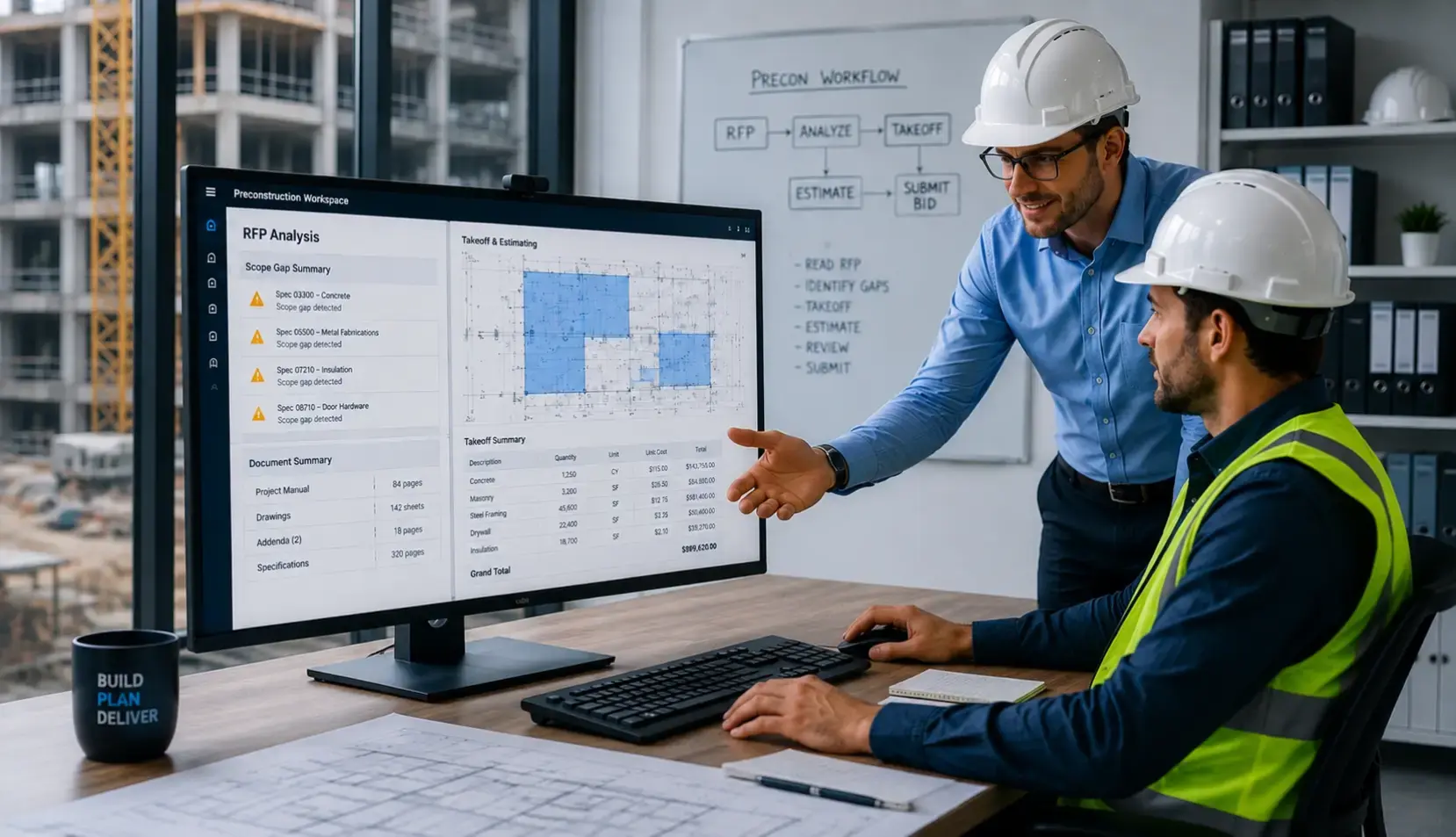
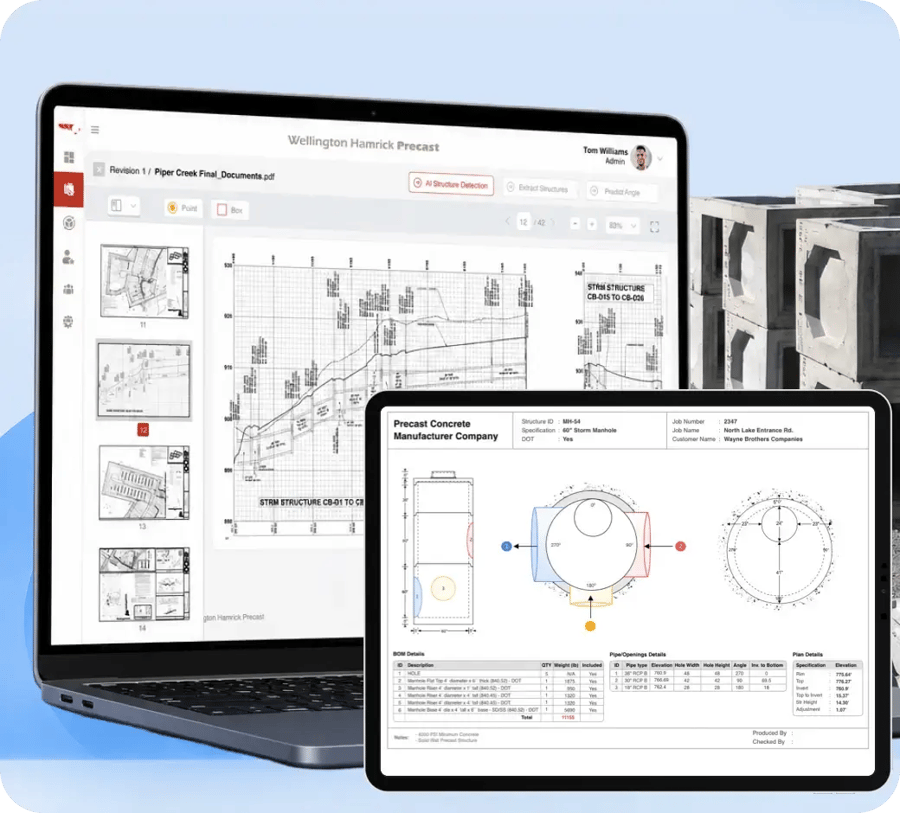
A precast concrete manufacturer partnered with Tech.us to bring AI into the estimating workflow. The system uses OCR, computer vision, and generative AI to identify, extract, and visualize structures, pipes, and components from complex construction drawings.
Read the Case Study

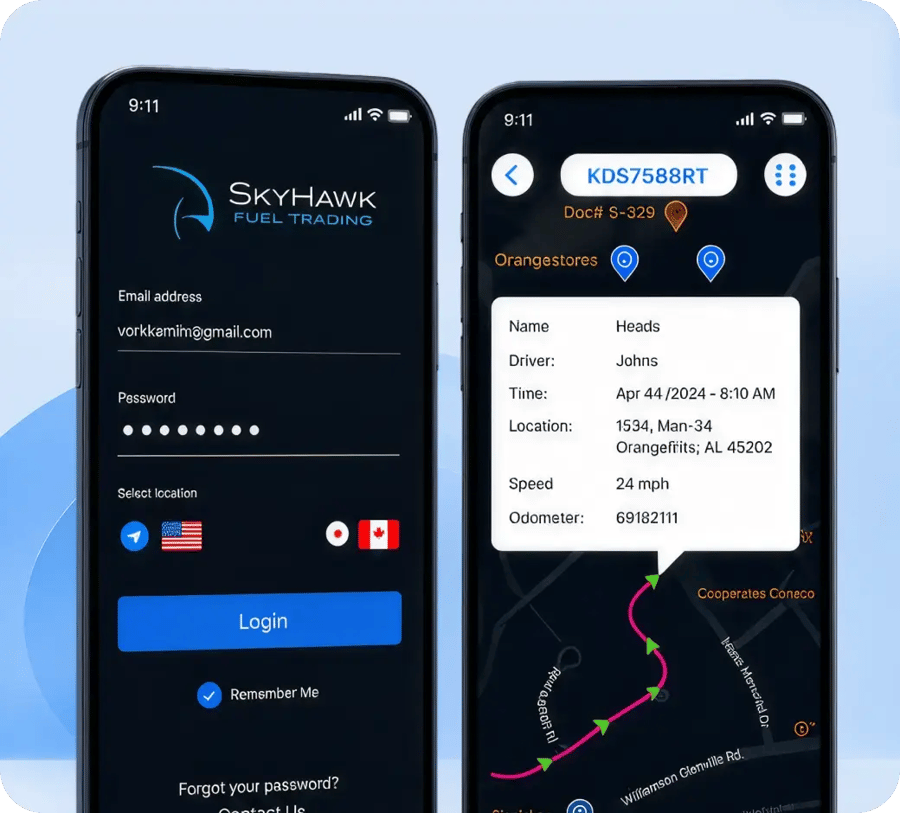
SkyHawk by TELUS needed a streamlined mobile experience for its Connect Anywhere platform. Tech.us built the core experience around real-time asset tracking, fleet activity, secure configuration, and map-based operational visibility.
Read the Case Study

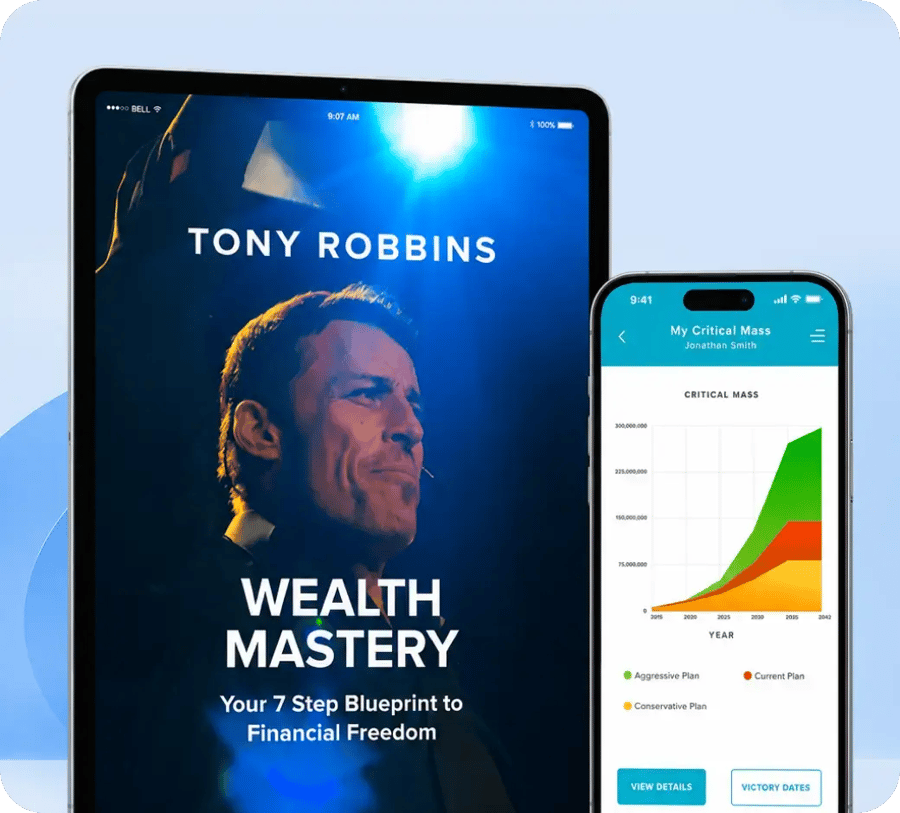
Tech.us helped bring Wealth Mastery to life as a digital platform that puts personalized financial planning tools directly in users' hands while supporting a large and growing audience.
Read the Case Study
WHY TECH.US
Tech.us supports enterprise cloud initiatives across migration, security, analytics, DevOps, disaster recovery, and ongoing cloud management, giving organizations broader support as their cloud environment develops.
Work with one technology partner across cloud migration, consulting, security, analytics, disaster recovery, DevOps, and managed cloud services.
Start with an assessment of your existing environment, business requirements, and technical needs before defining the migration or cloud approach.
Move workloads and applications to the cloud while addressing compatibility through rehosting or refactoring when required.
Apply encryption, identity and access management, multi-factor authentication, and threat detection across cloud infrastructure, applications, and data.
Continue with monitoring, troubleshooting, maintenance, and cloud resource optimization after the initial migration is complete.
Work across major cloud and DevOps technologies so the enterprise environment is not limited to a single platform or narrowly defined technology stack.

HOW WE WORK
Enterprise cloud work starts with understanding the current environment before resources, migration activities, or implementation priorities are defined.
Review business objectives, existing infrastructure, technical requirements, and the problems the cloud initiative needs to address.
Outline the expected investment and resource requirements for the proposed enterprise cloud work.
Develop a roadmap covering the relevant cloud services, migration requirements, priorities, and implementation sequence.
Carry out the agreed work and review the resulting environment against the requirements established during planning.
ENTERPRISE FIT
Enterprise cloud becomes relevant when infrastructure decisions begin affecting operations, distributed access, capacity planning, application delivery, and the organization's ability to use data effectively.
Physical servers, storage, and related systems may require increasing capital and operational effort as requirements grow.
Workloads may require more capacity during some periods and less during others, making fixed infrastructure less efficient.
Cloud-based access can support organizations where applications, data, and resources need to be available to distributed users.
Existing systems may require rehosting, refactoring, or infrastructure changes before they can operate effectively in the cloud.
Cloud-based warehousing and analytics can help bring information from different sources together for reporting and analysis.
Cloud resources can provide part of the computing foundation needed for initiatives involving automation, large-scale data processing, and AI workloads.
Review where cloud can improve the way applications, data, infrastructure, and operations are managed across the organization.
Talk To Our Cloud Expert →CLOUD MODELS
Not every workload needs to operate in the same environment. Enterprise cloud can involve public, private, hybrid, or multiple cloud platforms depending on organizational requirements.
Use public cloud platforms for workloads and infrastructure requirements suited to provider-managed cloud resources.
Use private cloud environments where organizational requirements call for infrastructure dedicated to the enterprise.
Combine public and private cloud environments when applications, data, or workloads have different infrastructure requirements.
Use more than one cloud provider when the organization needs flexibility across platforms or wants to reduce dependence on a single provider.
CLOUD OPERATIONS
Enterprise cloud adoption continues after migration. Infrastructure still needs to be monitored, secured, maintained, adjusted, and connected to the way software is delivered.
Track cloud-based networks and applications so operational issues can be identified and addressed.
Review cloud usage and change capacity when business activity or workload requirements change.
Keep identity, authentication, encryption, and other safeguards aligned with how cloud resources are being used.
Use CI/CD pipelines to reduce friction between application development, deployment, and cloud operations.
Maintain backup and recovery considerations for applications and data that are important to business operations.
Address troubleshooting, application maintenance, infrastructure changes, and other ongoing operational requirements after deployment.
INDUSTRY EXPERIENCE
Industry requirements influence what moves to the cloud, how information is accessed, how systems connect, and which security and availability considerations matter most.
Explore All Industries

Healthcare
Support cloud environments that centralize healthcare information while accounting for controlled access, availability, and regulatory requirements.
Explore Healthcare→
Fintech
Build cloud environments around high-volume financial systems where transaction performance, security, and regulatory requirements need to be considered together.
Explore Fintech→
Retail
Connect customer, sales, inventory, and operational information while supporting infrastructure that can respond to changes in digital demand.
Explore Retail→
Manufacturing
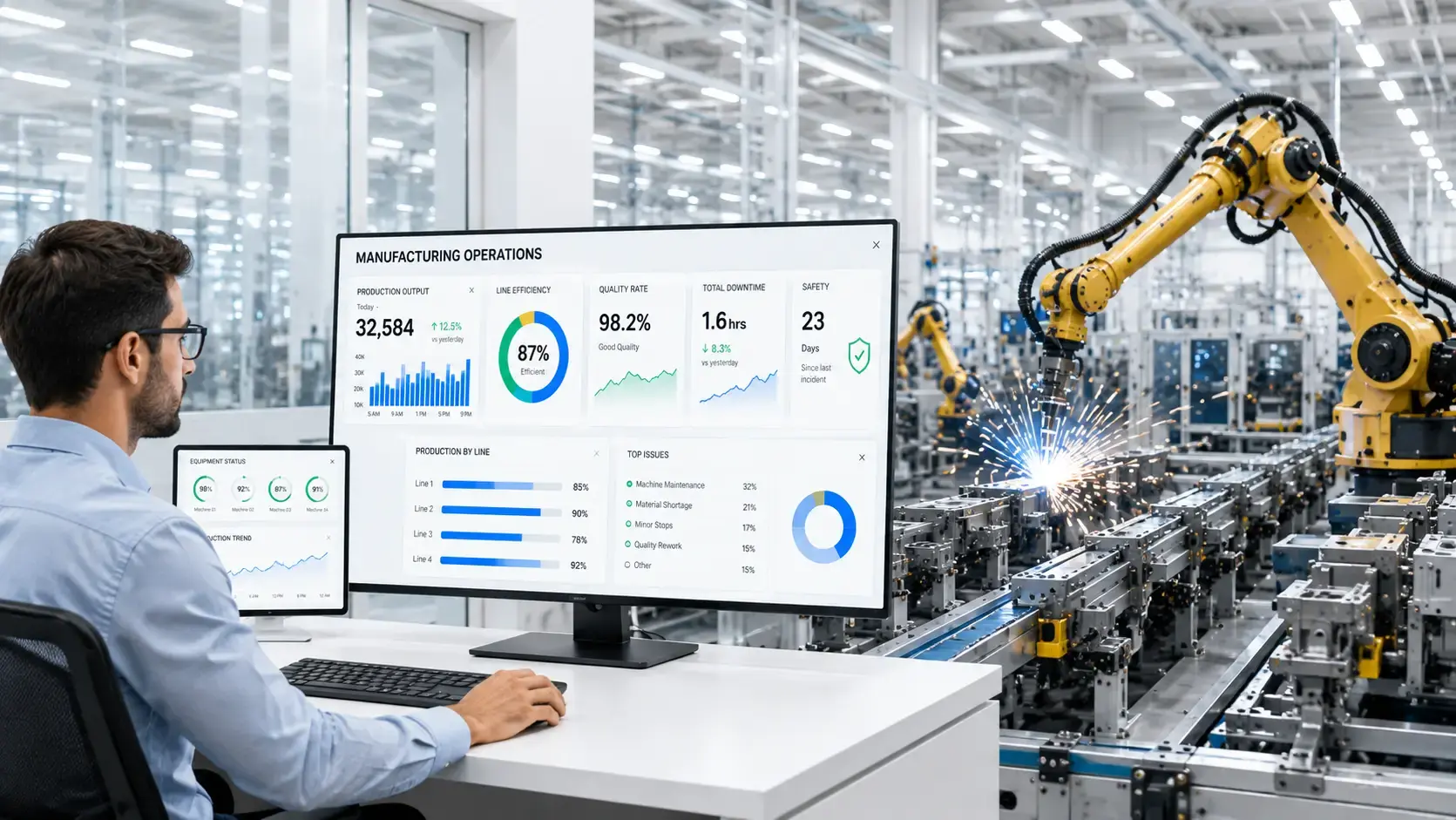
Bring production and operational systems into cloud environments that improve information access and connectivity across manufacturing operations.
Explore Manufacturing→
Real Estate
Centralize property and operational information and improve access to data across real estate workflows.
Explore Real Estate→
Construction
Support project information, distributed collaboration, and secure access across office, field, and project locations.
Explore Construction→
TECH STACK
Tech.us works across cloud, DevOps, application, and database technologies to support migration, deployment, integration, and ongoing cloud operations.
The technology mix is selected around the systems, workloads, data, and infrastructure involved in the enterprise environment.
Agentic AI & Orchestration
Agentic AI
AI Agents
Multi-Agent Systems
Agentic Workflow Automation
Model Context Protocol (MCP)
Agent-to-Agent Protocol (A2A)
Agent Memory and Reasoning
Generative AI & Foundation Models
Large Language Models
GPT
Claude
Gemini
Llama
Generative AI
Multimodal Foundation Models
Diffusion Models
Small Language Models
Model Fine-Tuning
Prompt & Context Engineering
Machine Learning & Deep Learning
Machine Learning
Deep Learning
Predictive Analytics
Recommendation Systems
Anomaly Detection
Time-Series Analysis
Data & AI Platforms
AI-Ready Data Platforms
Data Lakes and Lakehouse
Data Engineering
AI Frameworks & Libraries
PyTorch
TensorFlow
Scikit-learn
Hugging Face Transformers
LangChain
LangGraph
MLOps, LLMOps & AgentOps
MLOps
LLMOps
AgentOps
Model Deployment and Serving
Agent Deployment
Model and Agent Observability
Prompt and Response Tracing
AI Cost Optimization
AI Evaluation, Safety & Governance
LLM Evaluations
Agent Evaluations
RAG Evaluations
AI Guardrails
Prompt-Injection Protection
Red Teaming
Responsible AI
AI Governance
Cloud AI Technologies
Google Cloud
Vertex AI
Gemini Models
Agent Studio
Vertex AI Agent Builder
Agent Development Kit
Vertex AI Vector Search
Google Cloud Document AI
Google Cloud Vision AI
Microsoft Azure
Microsoft Foundry
Microsoft Copilot Studio
Microsoft Agent Framework
Azure AI Document Intelligence
Azure AI Speech and Vision
Microsoft Fabric
Microsoft Purview
Language, Vision, Speech & Document AI
NLP, NLU and NLG
STT, TTS and ASR
Conversational AI
Document Intelligence
Computer Vision
RAG, Search & Knowledge Systems
Enterprise RAG
Agentic RAG
Multimodal RAG
Enterprise Search
Semantic & Hybrid Search
Vector Databases
Knowledge Graphs
Reranking and Retrieval Optimization
RECOGNITION
Explore the awards and industry recognition associated with Tech.us.
FAQ
Enterprise cloud services help organizations use cloud infrastructure across a broader IT environment. This can include migrating applications, data, networks, and workloads as well as managing security, analytics, recovery, DevOps, and ongoing cloud operations.
Tech.us provides enterprise cloud migration, cloud consulting, cloud data analytics, disaster recovery, enterprise cloud security, managed enterprise cloud, and cloud-based DevOps services.
Enterprise cloud migration involves moving organizational workloads and digital resources from existing infrastructure into cloud environments. The source specifically includes data, applications, networks, and servers within enterprise migration.
Yes. Tech.us supports migrating existing applications and evaluates their compatibility and performance after the move. Applications may be rehosted or refactored when required.
Organizations can use public cloud, private cloud, hybrid cloud, or multi-cloud approaches depending on their requirements.
A hybrid cloud approach uses both public and private cloud environments, allowing different workloads or data requirements to operate in different parts of the infrastructure.
A multi-cloud environment uses services from more than one cloud provider. The source identifies reduced vendor dependence and greater flexibility for applications and data as reasons an organization may consider this approach.
Tech.us uses security measures that include encryption for data at rest and in transit, identity and access management, multi-factor authentication, firewalls, and threat detection.
Yes. Tech.us provides disaster recovery services that include planning how cloud applications and data are backed up, recovered, and restored following disruptive events.
Cloud-based DevOps uses continuous integration and deployment practices to connect software development and operations and reduce bottlenecks in how cloud applications are built and released.
Yes. Tech.us supports cloud-based data warehousing, organization of structured and unstructured information, analytics, and data visualization.
Plan migration, operations, security, and cloud resources around how your organization needs its technology to work.
Talk to Our Cloud Expert →We value your privacy
By continuing to use this website, you agree to our Privacy Policy.
If you decline, your information won’t be tracked when you visit this website. A single cookie will be used in your browser to remember your preference not to be tracked.
Necessary cookies keep the site running and are always on. Turn the others on or off to control how Tech.us uses them.
Required for the site to function. Cannot be disabled.
Help us measure traffic and see how visitors use the site so we can improve it. All information is aggregated.
Used to deliver and personalize ads, measure campaign performance, and share data with advertising partners (including Retention.com and RB2B).
For residents of California and other states with similar rights. Turning this on opts you out of the sale or sharing of your personal information for targeted advertising (this also disables Advertising cookies).
Learn more in our Cookie Policy and Privacy Policy. You can change these settings at any time.