
HIPAA COMPLIANCE SERVICES

Build Stronger HIPAA Security Readiness Into Your Technology

Tech.us helps organizations assess risks, strengthen safeguards, and improve the security practices surrounding systems that create, receive, maintain, or transmit ePHI.
Address technical controls, access, policies, workforce awareness, and audit preparation as part of a more structured security approach.

0 +
0 +
0 +

TRUSTED BY INDUSTRY LEADERS

HIPAA SECURITY OUTCOMES

Turn Compliance Requirements Into Clear Security Priorities

HIPAA security work becomes more manageable when organizations understand where ePHI exists, how it is accessed, where vulnerabilities remain, and which safeguards need attention.

Identify Risks to ePHI

Assess systems and applications that handle sensitive health information to surface vulnerabilities and areas requiring further review.

Reduce Unauthorized Access

Strengthen authentication and access controls around systems and information that should only be available to authorized users.

Address Security Gaps

Review existing safeguards and identify weaknesses across software, networks, information systems, and data handling practices.

Improve Audit Readiness

Support audit trails, internal reviews, documentation, and preparation activities so relevant security information is easier to demonstrate and assess.

Strengthen Workforce Awareness

Help staff and business stakeholders understand security practices and their responsibilities when handling sensitive health information.

Maintain Ongoing Oversight

Continue evaluating security measures, changing risks, and areas that may require additional remediation over time.

OUR SERVICES

HIPAA Compliance Support Across Data, Systems, and Security Practices

Our services address the technical and operational areas involved in protecting ePHI and improving an organization’s HIPAA security readiness.

Securing ePHI

Assess how sensitive health information is handled across the environment, identify areas of exposure, and establish an action plan for addressing security gaps and vulnerabilities.

Sensitive Data Encryption

Implement encryption measures for sensitive information in transit and at rest based on the security needs of the environment.

Application and System Security Evaluation

Review applications, networks, and information systems for security weaknesses that could affect sensitive health information and recommend appropriate remediation.

HIPAA-Oriented Software Development

Build and test software with security measures such as access control, authentication, and transmission protection incorporated into the development process.

Security Policies and Procedures

Develop policies and procedures around data security, user access, and handling of sensitive information, supported by controls such as Role-Based Access Control and Multi-Factor Authentication where appropriate.

HIPAA Security Awareness

Provide training and guidance that helps staff and relevant business stakeholders understand security responsibilities and practices related to sensitive health information.

Security Risk Analysis

Evaluate systems that create, receive, maintain, or transmit ePHI to identify vulnerabilities, review existing safeguards, and prioritize security risks that require attention.

Compliance and Audit Support

Support internal security reviews, audit trail practices, documentation review, and preparation activities related to OCR audits.

Selected Work

Technology Solutions Built Around Complex Requirements

Explore selected Tech.us projects that show how demanding operational and technology requirements are translated into practical, dependable solutions.

View All Case Studies

AI-Powered Takeoffs From Complex Construction Drawings

A precast concrete manufacturer partnered with Tech.us to bring AI into the estimating workflow. The system uses OCR, computer vision, and generative AI to identify, extract, and visualize structures, pipes, and components from complex construction drawings.

Read the Case Study
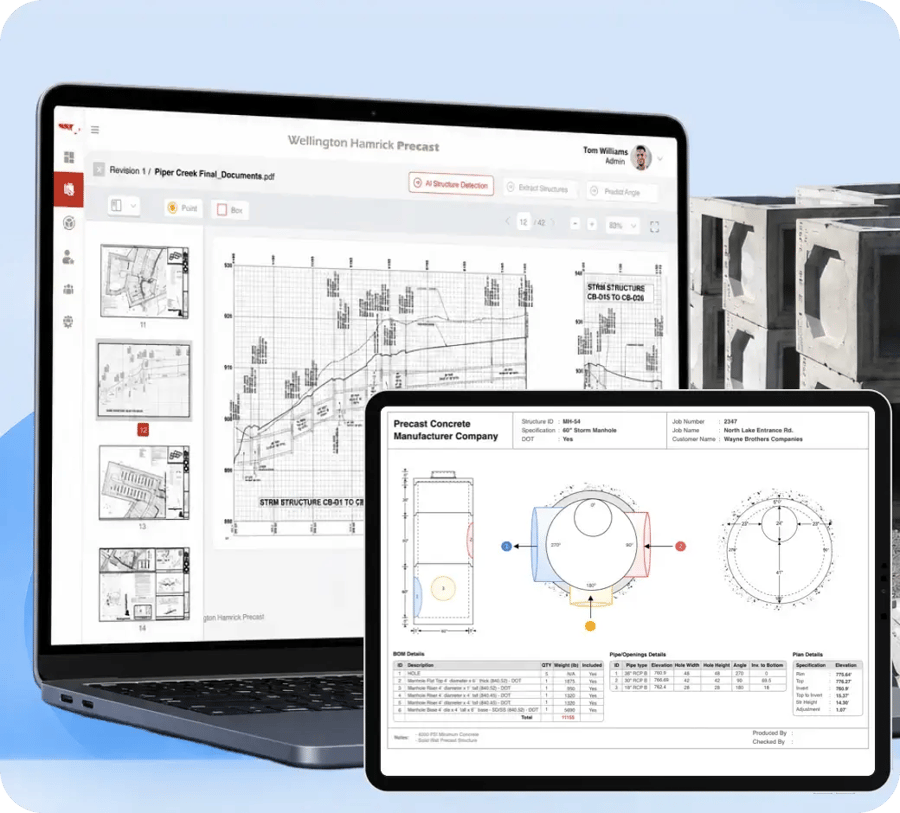

Wellington Hamrick Precast AI takeoff automation tool shown on laptop and tablet

Mobile Fleet Visibility Built for Field Operations

SkyHawk by TELUS needed a streamlined mobile experience for its Connect Anywhere platform. Tech.us built the core experience around real-time asset tracking, fleet activity, secure configuration, and map-based operational visibility.

Read the Case Study
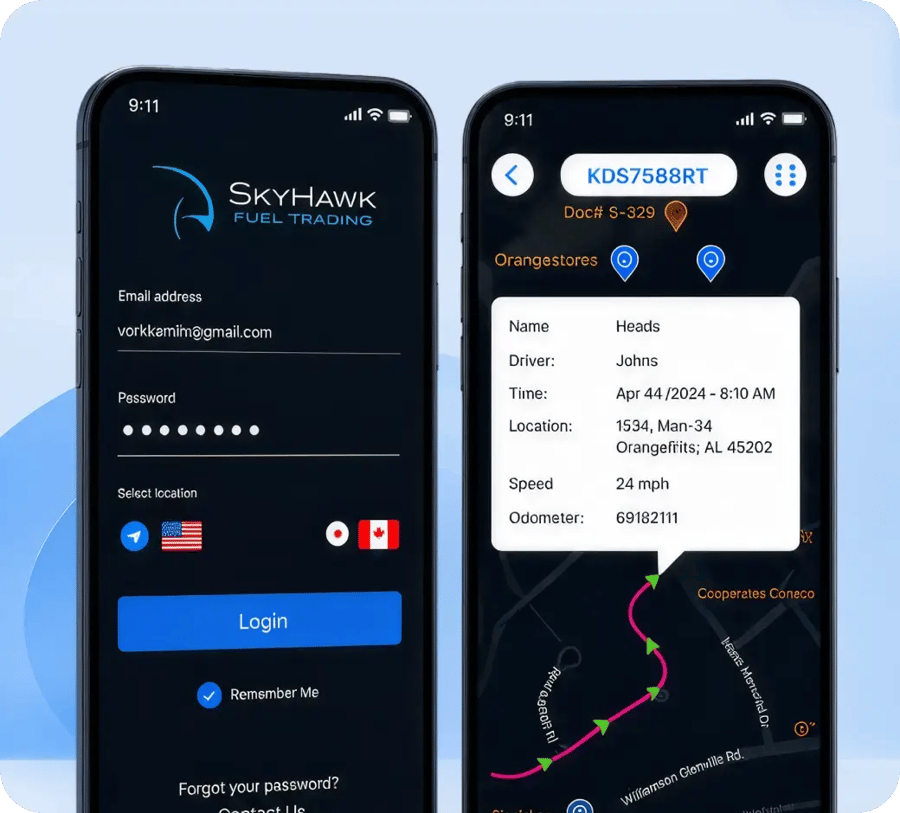

SkyHawk by TELUS mobile app screens showing fleet tracking and login

Personalized Financial Technology Built to Scale

Tech.us helped bring Wealth Mastery to life as a digital platform that puts personalized financial planning tools directly in users' hands while supporting a large and growing audience.

Read the Case Study

Tony Robbins Wealth Mastery app shown on tablet and phone

WHY TECH.US FOR HIPAA COMPLIANCE

Connect HIPAA Security Requirements to the Systems That Handle the Data

HIPAA security is not only a documentation exercise. The safeguards need to work across the applications, access patterns, infrastructure, and processes involved in handling sensitive health information.

Start With the Information Environment

We assess where sensitive health information is handled and the systems involved before defining the security work that follows.

Connect Risk Analysis to Remediation

Identifying a vulnerability is only useful when it leads to a clear decision about the security measures that should be reviewed or strengthened.

Address Software as Part of Compliance

Applications that handle ePHI need security considerations built into their architecture, access patterns, authentication, testing, and data transmission.

Bring Access Under Better Control

Role-based permissions, authentication measures, and related access practices help limit sensitive information to appropriate users.

Include Policies and People

Security measures work alongside documented procedures and workforce awareness, especially where employees and business stakeholders interact with sensitive information.

Support Ongoing Review

HIPAA security requires continued attention as systems, risks, users, and operating environments change.

why-choose-techus

HOW WE WORK

Move From HIPAA Security Risks to Actionable Safeguards

Our approach begins with the systems and information in scope and progresses toward remediation, documentation, and continued review.

1

Understand the ePHI Environment

Identify the applications, systems, information flows, and access points involved in creating, receiving, maintaining, or transmitting ePHI.

2

Assess Risks and Existing Safeguards

Review vulnerabilities, current security measures, and areas where sensitive information may face greater exposure.

3

Prioritize Security Gaps

Determine which weaknesses and compliance concerns require attention and establish an action plan around the identified risks.

4

Implement Appropriate Measures

Strengthen relevant areas such as application security, access control, authentication, encryption, transmission security, and audit logging.


5

Build Supporting Policies and Awareness

Document relevant security procedures and help staff understand the practices associated with handling sensitive health information.

6

Review and Prepare

Support internal reviews, audit trails, documentation checks, and continued evaluation as the environment changes.


HIPAA SECURITY RULE

Build Security Around the Safeguards HIPAA Requires

The HIPAA Security Rule focuses on protecting electronic protected health information through administrative, physical, and technical safeguards.

Administrative Safeguards

Security management includes assessing risk, establishing policies and procedures, assigning appropriate responsibilities, managing workforce access, and supporting security awareness.

Physical Safeguards

Organizations also need appropriate controls around facilities, workstations, devices, and electronic media that can provide access to ePHI.

Technical Safeguards

Technology controls address areas such as access, auditability, integrity, authentication, and protection of ePHI transmitted across electronic networks.

Turn HIPAA Security Gaps Into a Clear Action Plan

Review where ePHI is handled, identify weaknesses, and determine which security measures, policies, and documentation need attention.

Talk To Our Expert

SECURITY CONTROLS

Strengthen the Controls Around Sensitive Health Information

Different environments require different security decisions. Our work can include controls and practices that support the protection, access, and oversight of ePHI.

Access Control

Limit sensitive information to authorized users based on appropriate access requirements.

Role-Based Access

Align permissions with user responsibilities rather than providing broader access than necessary.

Authentication

Strengthen the process used to verify people seeking access to systems that handle ePHI.

Multi-Factor Authentication

Add an additional authentication layer where it is appropriate to the organization’s security approach.

Encryption

Apply encryption measures to sensitive information based on the risks, systems, and transmission methods involved.

Audit Trails

Maintain records of relevant user and system activity so access and security events can be reviewed.

Transmission Security

Protect sensitive information against unauthorized access while it moves across electronic networks.

Ongoing Monitoring

Maintain visibility into relevant security activity and identify changing vulnerabilities or compliance gaps that require review.

SOFTWARE AND HIPAA SECURITY

Build Security Into Applications That Handle ePHI

Software can become a significant part of HIPAA security when it stores, processes, or transmits sensitive health information.

Application Security Review

Evaluate application code and logic for security weaknesses that could expose sensitive information or create avoidable vulnerabilities.

Access and Authentication

Design how users authenticate and what information or functionality they are permitted to access.

Secure Data Transmission

Consider how sensitive health information moves between applications, services, users, and connected systems.

Testing and QA

Include security-focused testing as part of software quality assurance when applications are developed or modified for environments handling sensitive health information.

Auditability

Support the ability to record relevant activity within systems that contain or use ePHI.

HIPAA READINESS

Keep Compliance Work From Becoming a One-Time Exercise

Systems, users, applications, and risks change over time. HIPAA security practices need to be reviewed as those conditions change.

ORGANIZATIONS WE SUPPORT

HIPAA Security Needs Vary by Role and Data Handling

HIPAA applicability depends on an organization’s role and how it creates, receives, maintains, or transmits protected health information. Our source experience for this service spans several healthcare-related environments.
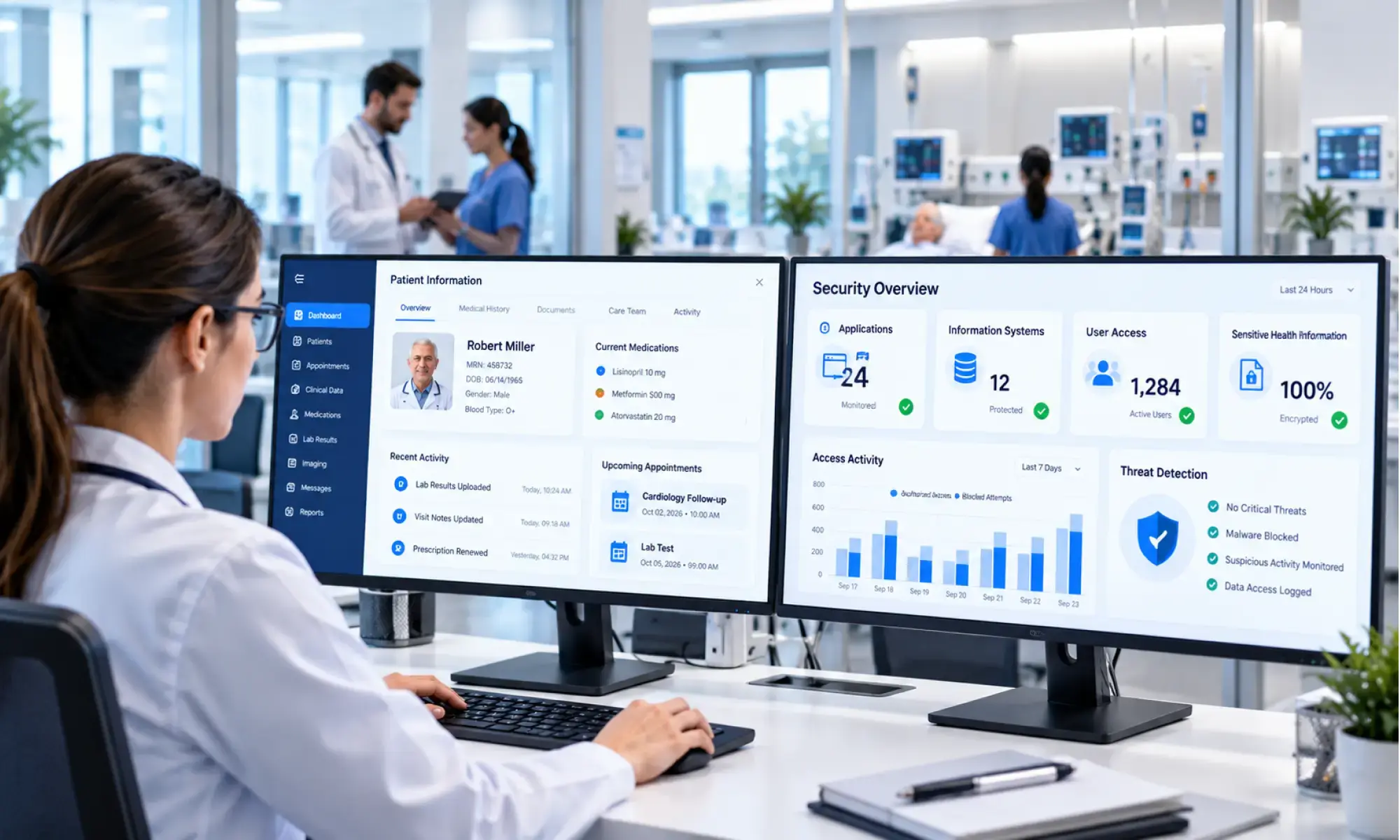
ind-healthcare-companies

Healthcare Companies

Support security measures around healthcare applications, information systems, user access, and sensitive health information.

ind-healthcare-software-product-companies

Healthcare Software Product Companies

Address security within software products that may process, store, or transmit sensitive healthcare information.
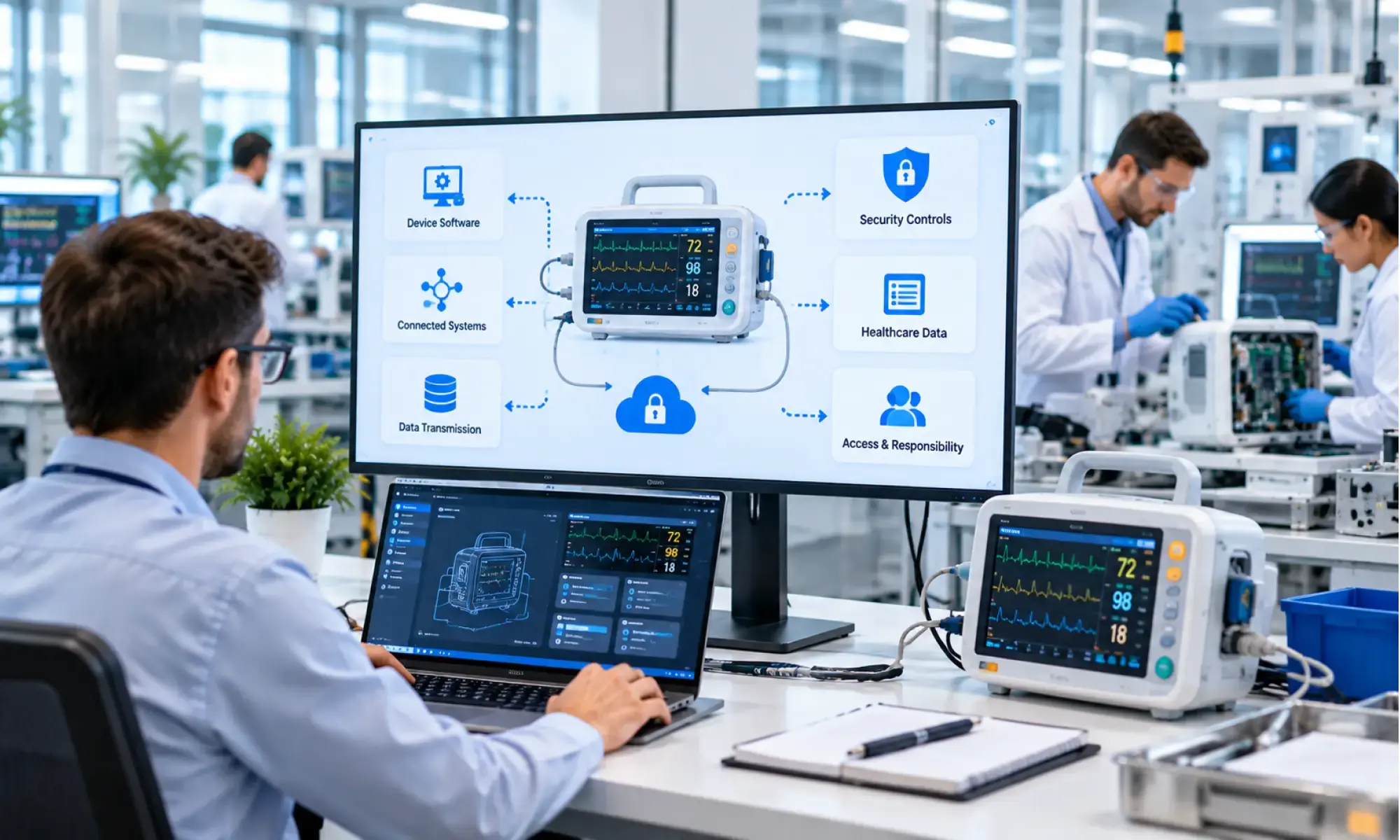
ind-medical-equipment-manufacturers

Medical Equipment Manufacturers

Review software, connected systems, and information flows where healthcare data and security responsibilities intersect.

ind-pharmaceutical-companies

Pharmaceutical Companies

Support security practices around systems and information environments where HIPAA-related responsibilities may apply.

TECH STACK

Security and Engineering Capabilities for HIPAA-Oriented Environments

The technology used depends on the systems being assessed or developed. Our HIPAA-related work can incorporate wide range of capabilities.

Agentic AI & Orchestration

Agentic AI Agentic AI
AI Agents AI Agents
Multi-Agent Systems Multi-Agent Systems
Agentic Workflow Automation Agentic Workflow Automation
Model Context Protocol (MCP) Model Context Protocol (MCP)
Agent-to-Agent Protocol (A2A) Agent-to-Agent Protocol (A2A)
Agent Memory and Reasoning Agent Memory and Reasoning

RECOGNITION

Recognized for Technology Excellence

Explore the awards and industry recognition associated with Tech.us.

Mobile App Daily — Top Web Development Company
DesignRush — Top AI Development Company
Mobile App Daily — Top AI Company
TechReviewer — Top Mobile App Developers
TechReviewer Award

FAQ

HIPAA Compliance Services Questions

HIPAA compliance involves meeting applicable requirements under the Health Insurance Portability and Accountability Act and its implementing rules. From a cybersecurity perspective, the HIPAA Security Rule focuses on protecting electronic protected health information through appropriate administrative, physical, and technical safeguards.

ePHI is protected health information that is created, received, maintained, or transmitted electronically. The HIPAA Security Rule specifically addresses protection of this electronic information.

The Security Rule applies to covered entities and business associates that handle ePHI. Whether an organization falls into one of those categories depends on its role and activities involving protected health information.

Tech.us supports security risk analysis, ePHI protection, encryption, application and system security evaluation, HIPAA-oriented software development, policies and procedures, workforce awareness, audit trails, internal reviews, and audit preparation.

A risk analysis examines potential risks and vulnerabilities that could affect the confidentiality, integrity, or availability of ePHI. It provides a basis for deciding which security measures should be implemented or strengthened.

HIPAA compliance is specific to each organization and depends on its systems, policies, procedures, workforce practices, risks, and implementation of applicable requirements. Tech.us can support the technical and operational work involved in assessing risks, strengthening safeguards, documenting practices, and preparing for review.

Yes. Our services include application security evaluation, software development, access control, authentication, transmission security, and testing for systems that handle sensitive health information.

Yes. The source service includes internal security reviews, audit trail implementation, mock-audit preparation, and document review to help organizations prepare relevant security information for assessment.

No. Security risks, systems, and operating environments change. HIPAA security management therefore requires continued evaluation and appropriate updates to safeguards and supporting practices.

There is no single implementation timeline. The effort depends on the organization’s existing environment, systems that handle ePHI, identified risks, current safeguards, documentation, and the remediation work required.

Make HIPAA Security Readiness Easier to Act On

Identify risks to ePHI, strengthen safeguards, and improve the controls and practices that support HIPAA security readiness.

Talk to Our HIPAA Security Team