2. Biometrics
The capability of AI in identifying human input makes it an excellent addition to the biometrics industry. With biometrics, humans and machines can have better natural connections. Interactions related to the recognition of image, speech, touch, and body language are the most common examples.
The most trusted form of biometric authentication nowadays is facial recognition. Combined with artificial intelligence, this technology can be used more accurately and precisely in 2021. One example of AI in biometrics is the DeepFace program created by Facebook, which makes it easy to tag family and friends in an image.

3. Cybersecurity
In the coming years, knowledge is going to become even more accessible than it is today. Digital data will have a higher risk of being exposed and compromised by hacking and phishing attempts.
This year, AI will play a major role in handling such attacks. Artificial intelligence combined with emerging technologies will provide the cybersecurity department with the support they need to fight off malicious activities.
Improved cybersecurity measures with the help of AI means cybercrimes can be deterred drastically. AI-enabled frameworks, for instance, can detect suspicious digital transactions or activities to hinder criminal trends.

4. Machine Learning

5. Robotic Process Automation
To enhance business processes and minimize costs, more companies are looking towards a dynamic technology practice known as robotic process automation (RPA).
The aim of RPA is to provide an automated solution to business processes that are governed by organized inputs and business logic. Examples of RPA solutions can be as simple as generating an automated email response, to putting out hundreds of commands.
According to one study, 53% of enterprises have already started incorporating RPA into their processes.

6. Quantum AI
To handle quantum bits in supercomputers, more and more enterprises will begin to use quantum supremacy in 2021. Due to quantum processing, these advanced computers can solve problems faster compared to standard models. Additionally, they contribute to interpreting data and forecasting unique trends.
The AI in quantum computers can help multiple organizations identify problems and predict relevant solutions.

7. Customer Interaction
AI will begin to drive more campaigning activities in real-time this year. By using artificial intelligence, companies can manage their interactions with customers on every channel.
Besides improving customer engagement using AI software, you will start seeing more marketing activities occurring in real-time throughout all platforms. Furthermore, businesses will start using AI to increase their customer retention rates.

8. Edge Computing
Edge AI is when artificial intelligence techniques are applied to the Internet of Things (IoT) gateways, endpoints, and other devices at its point of use. In other words, edge computing provides the data and the processing near the point of interaction.
Today, Edge computing AI is a rapidly expanding phenomenon that powers devices such as smartphones, smart speakers, automotive sensors, security cameras, and more.

9. AI-Optimized Hardware
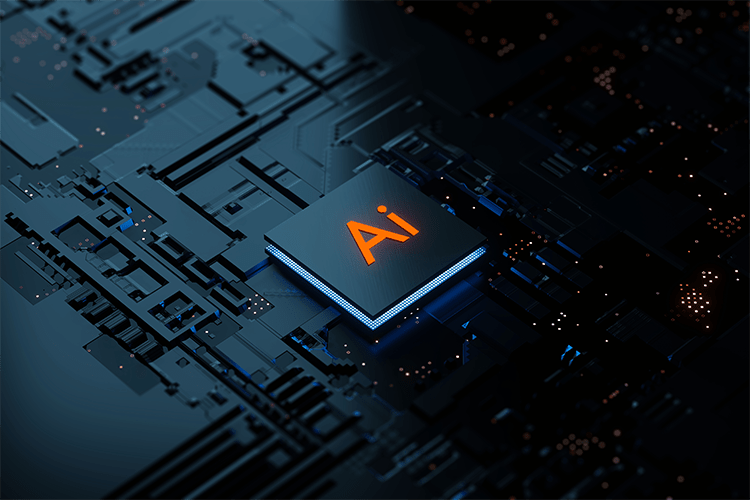
Several types of devices are being made to perform AI-oriented tasks that result in improved processing and graphical output. For example, an AI-optimized silicon chip could one day be inserted into any portable device.
Companies such as Intel, Nvidia, and Google are investing greatly in AI-optimized hardware to enhance their next-generation applications.
10. Virtual Agents
Virtual agents are trained systems that can interact effectively with human beings. At this time, smart agents, known as chatbots, are being integrated increasingly into websites and mobile applications.
Some popular brands that are developing virtual agents include Apple, Amazon, Google, and IBM.

11. Content Creation
Companies like CBS, USA Today, and Hearts are beginning to use artificial intelligence to generate their content. Automated insights tools can use natural language processing to create new stories.
Some examples of content that could be created by AI are videos, blogs, and ads.

12. Marketing Automation
Marketing automation using artificial intelligence could increase engagement and improve company performance. It uses software that automates processes such as data integration, client segmentation, and campaign management.
One example of this technology in use is AdextAI. The platform operates on Facebook, YouTube, and Google ads and incorporates artificial intelligence to enhance ad performance.

Conclusion
After learning about the artificial intelligence technologies that will be in demand this year, it’s clear that AI offers numerous possibilities in shaping our future.
Modern society has already benefited from the technology significantly. This result is one of the main reasons that businesses are now more AI-oriented – to provide their customers with better services.