AI INTEGRATION SERVICES

Make AI Work With the Systems Your Business Already Runs On

Tech.us connects AI to the applications, data, and workflows already inside your business.
Our AI integration services are built around one goal: make AI useful inside real operations without forcing you to replace the technology that already works.

1,500 +
26 +
30 +

Trusted by organizations that depend on technology

WHAT AI INTEGRATION CHANGES

Move AI From a Separate Tool Into the Business Process

AI creates more value when it can work with the information and software already behind the task.

Reduce Manual Movement Between Systems

Stop making people copy information from one application into another before AI can help.

Use Business Data at the Right Moment

Give AI access to the information needed for the task instead of relying on isolated prompts.

Keep Existing Software Useful

Add AI capabilities around current applications where replacement would create more cost than value.

Make AI Output Lead Somewhere

Connect the result back to the workflow so an answer can become a useful next step.

AI INTEGRATION SERVICES

Connect AI Where It Can Improve the Way Work Gets Done

We design AI integration solutions around the systems already supporting your business. The right integration connects a model to company data. It also allows AI to move a task between systems with the right controls in place.

Generative AI Integration

Connect generative AI to existing applications so users can draft, summarize, analyze, or work with business information without moving to a separate tool.

Agentic AI Integrations

Connect AI agents to the systems they need to complete defined parts of a workflow. We control what they can access and where human approval remains necessary.

AI Data Integration

Give AI reliable access to the business information required for the task. Our AI data integration services connect the right sources while respecting existing access rules.

AI ERP Integration Services

Add AI capabilities around ERP workflows without replacing the system that already manages the underlying business process.

AI Chatbot Integration

Connect AI chat experiences to internal knowledge or business applications so the conversation can use information that is relevant to the user.

AI Business Integration

Bring AI into existing business processes where it can reduce manual effort or improve how information moves through the organization.

AI CRM Integration Services

Connect AI to CRM data and workflows so sales or service teams can use existing customer context without moving between disconnected tools.

Embedded Workflow Automation

Place AI inside a defined workflow so selected steps can be prepared or completed with less manual intervention.

BEFORE YOU INTEGRATE

Find Out What AI Actually Needs Access To

A good integration starts by defining the job before opening connections between systems. Our AI-Enabled Integration Assessment identifies where AI can create value and what needs to be connected for that to happen.

Identify the Workflow

We define the process the integration is expected to improve.

Map the Systems Involved

We establish which applications hold the information or actions required for that process.

Define the Required Access

We determine what AI needs to read and what it may be allowed to change.

Check the Integration Path

We review available APIs or other supported interfaces before deciding how the connection should be built.

Set the Boundaries

We establish where AI can act and where responsibility should remain with a person.

Selected Work

Technology Built Around Real Business Needs

See how Tech.us turns complex requirements into working software across different industries and business functions.

View All Case Studies

AI-Powered Takeoffs From Complex Construction Drawings

A precast concrete manufacturer partnered with Tech.us to bring AI into the estimating workflow. The system uses OCR, computer vision, and generative AI to identify, extract, and visualize structures, pipes, and components from complex construction drawings.

Read the Case Study
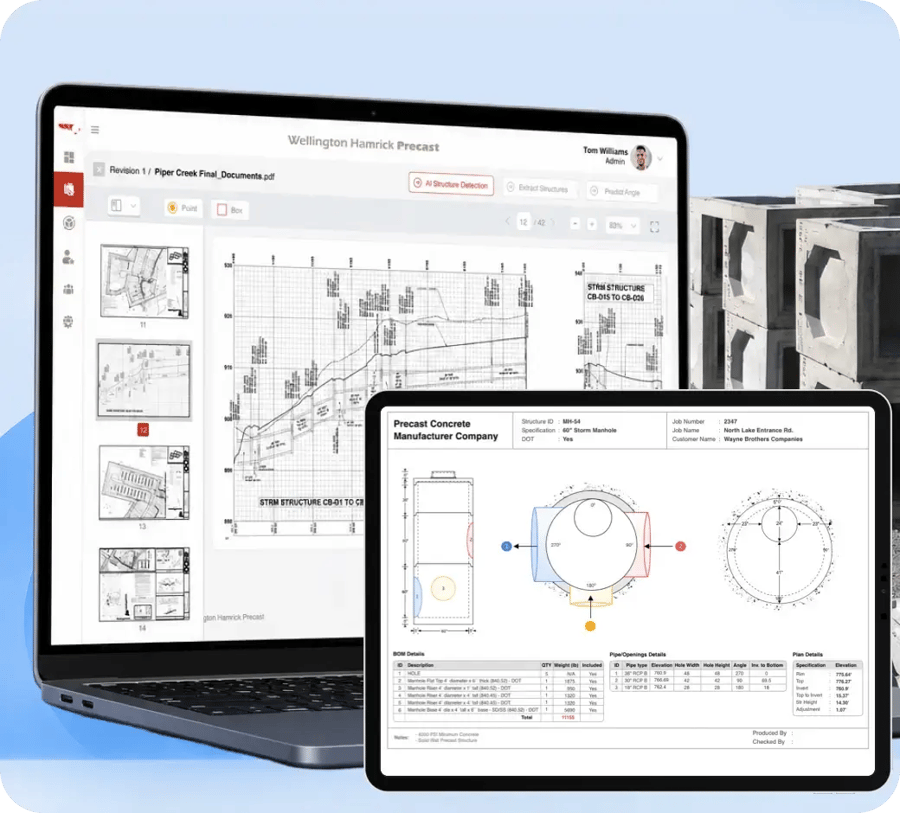

Wellington Hamrick Precast AI takeoff automation tool shown on laptop and tablet

Mobile Fleet Visibility Built for Field Operations

SkyHawk by TELUS needed a streamlined mobile experience for its Connect Anywhere platform. Tech.us built the core experience around real-time asset tracking, fleet activity, secure configuration, and map-based operational visibility.

Read the Case Study
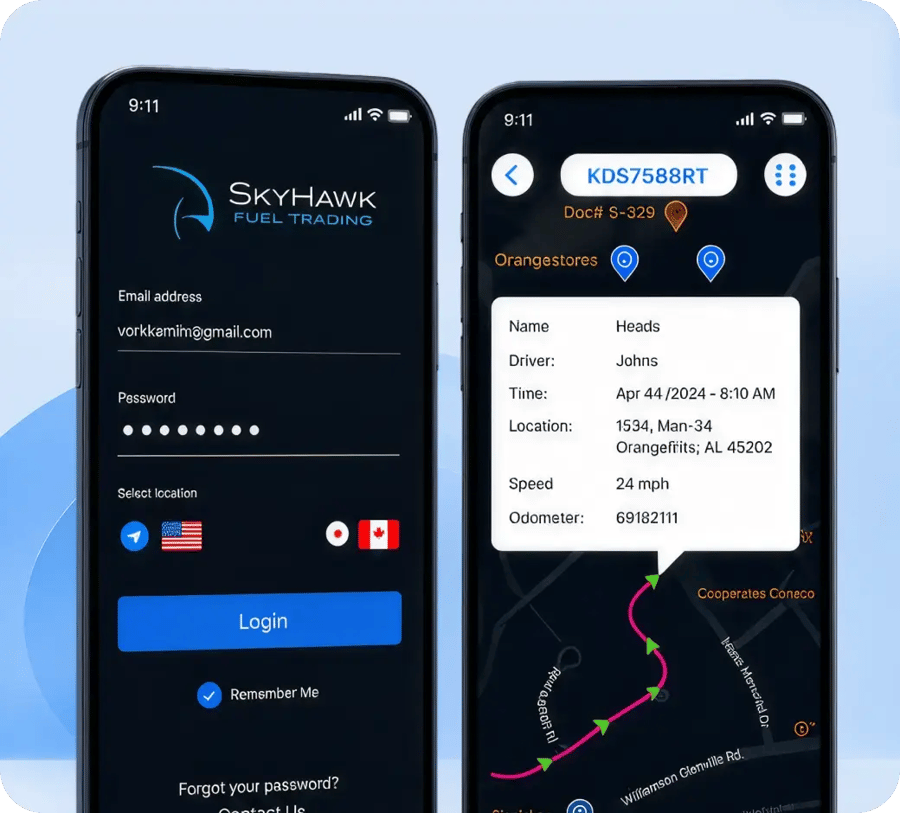

SkyHawk by TELUS mobile app screens showing fleet tracking and login

Personalized Financial Technology Built to Scale

Tech.us helped bring Wealth Mastery to life as a digital platform that puts personalized financial planning tools directly in users' hands while supporting a large and growing audience.

Read the Case Study
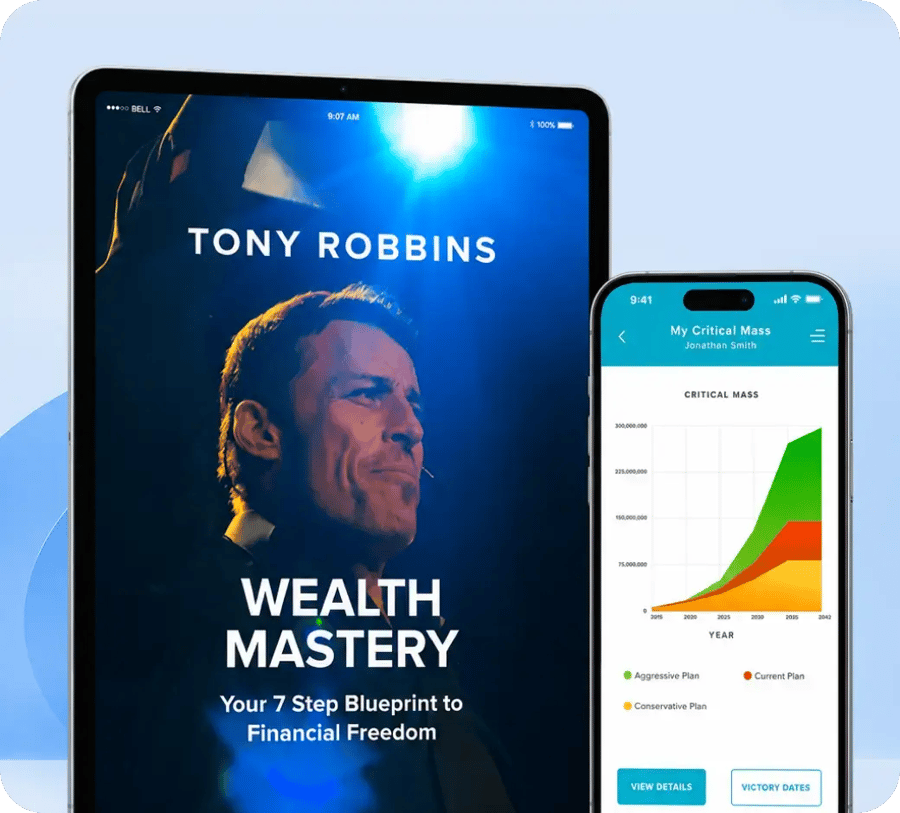
Tony Robbins Wealth Mastery app shown on tablet and phone

WHY TECH.US FOR AI INTEGRATION

We Work With the Systems You Have, Not the Architecture We Wish You Had

AI integration rarely starts with a clean technology environment. Existing systems have years of business logic behind them. We design around that reality.

We Understand the Existing System First

Before adding AI, we identify how the current application fits into the business process.

We Do Not Force Unnecessary Replacement

If the existing system can support the use case, we build around it rather than turning AI adoption into a larger modernization project.

We Give AI Only the Access It Needs

The integration is designed around a defined role rather than giving AI broad access across the business.

We Keep Business Logic Where It Belongs

AI does not need to replace every rule already working inside your software.

We Design the Failure Path Too

If an AI call fails or produces an unusable result, the workflow still needs a safe way to continue.

We Test the Integration as a Process

We test what happens before the AI step and what happens after it, not only the model response itself.

why-choose-techus

Connect AI to the Systems Where the Business Already Works

If AI currently sits outside the process, the next opportunity may be integration rather than another standalone tool.

Discuss Your Integration Opportunity

HOW WE INTEGRATE AI

Start With the Business Process. Connect Only What It Needs.

The integration path follows the workflow instead of starting with a preferred model or platform.

1

Define the Business Outcome

We establish what should become faster or easier once the integration is in place.

2

Map the Current Workflow

We identify how the task moves through the business today.

3

Locate the Required Data

We determine where the AI needs to get the information required for its role.

4

Define System Actions

We establish whether AI only needs to read information or whether the workflow also requires it to update a system.

5

Build the Connection

We integrate the AI capability with the approved applications through the most practical interface available.

6

Test the Full Flow

We test the process using realistic business scenarios before production use.

7

Monitor What Happens After Launch

We track where the integration fails or produces unnecessary friction so the workflow can be improved.

INTEGRATION CONTROL

Decide What AI Can Reach Before You Decide What It Can Do

Access should be determined by the workflow rather than by what the model is technically capable of using.

Read Access

Allow AI to retrieve the information needed to understand the task.

Write Access

Permit updates only where the workflow has a clear reason for AI to change business data.

User-Level Permissions

Keep the integration aligned with what the person using the system is already allowed to access.

Approval Steps

Require a person to review actions that carry higher business impact.

Auditability

Keep enough information about AI activity to understand what happened when a workflow needs review.

CONNECTING AI TO DATA

Better AI Starts With Better Access to Business Context

Many integration problems are really data access problems. The model may be capable of handling the task, but it cannot produce a useful result if the information stays trapped inside disconnected systems.

Connect Relevant Sources

Bring in only the information the AI actually needs for the use case.

Preserve Existing Ownership

The original business system remains the source of truth instead of creating unnecessary copies.

Keep Data Current

Where possible, retrieve information when the workflow needs it rather than relying on stale exports.

Control Sensitive Information

Define which information can reach the AI layer and under what conditions.

ENTERPRISE SYSTEM INTEGRATION

Add AI Without Pulling Apart the Software Around It

AI system integration services are most useful when the business already depends on software that cannot simply be replaced.

We connect AI around those systems so new capabilities can be introduced without rewriting the entire environment.

This can include internal business applications or existing SaaS platforms. It can also include older systems where the integration path needs additional engineering before AI can be introduced safely.

TECH STACK

Use the Technology That Fits the Integration

The best integration stack depends on the software already in place and what AI needs to do inside it.

We work with commercial and open models. We integrate through APIs and MCP where appropriate. We also work with cloud infrastructure and enterprise applications without forcing every integration into the same technical pattern.

Agentic AI & Orchestration

Agentic AI Agentic AI
AI Agents AI Agents
Multi-Agent Systems Multi-Agent Systems
Agentic Workflow Automation Agentic Workflow Automation
Model Context Protocol (MCP) Model Context Protocol (MCP)
Agent-to-Agent Protocol (A2A) Agent-to-Agent Protocol (A2A)
Agent Memory and Reasoning Agent Memory and Reasoning

FAQ

Questions Buyers Ask About AI Integration Services

AI integration solutions are technical implementations that connect AI to the systems already used by the business. The exact solution depends on the workflow and the level of access AI needs.

An AI integration company evaluates where AI fits into an existing process and then builds the connections required for the AI capability to work with current software. The work may include application integration or data access. It may also include workflow changes where AI needs to participate in the process.

AI development focuses on building the AI capability itself. AI system integration services focus on making that capability work with the applications and processes already inside the organization.

AI data integration connects AI applications to the information they need to perform a task. The integration may retrieve information from a database or business application while maintaining the access controls required by the organization. 

Yes. AI can connect to existing ERP and CRM workflows when those systems provide a practical integration path, allowing AI to work with current business data without replacing the platforms already in use.

An AI-Enabled Integration Assessment examines the workflow and the systems behind it before development begins. It identifies what AI needs to access and where integration gaps may prevent the use case from working as expected.

Usually not. Many AI use cases can be integrated with existing software if the required data and system actions are accessible through a practical interface.

Sometimes. The first question is whether the legacy system provides a reliable way to access the information or functions required for the use case. Where it does not, an additional integration layer may be needed.

We work backward from the business task. If a system does not provide information or an action required by the workflow, there is usually no reason to connect it.

Only when the workflow supports it. Low-risk updates may be suitable for automation, while higher-impact actions may need review before they are executed.

Connect AI to the Work Behind the Workflow

Give AI access to the systems and business context it needs to produce something useful.

Discuss Your AI Integration

Existing systems · Business data · Workflow integration · Controlled access