AI PILOT TO PRODUCTION

Get Your AI Pilot Ready for Real Business Use

A successful pilot proves the idea can work. Tech.us helps turn that proof into a production system that can handle real users, real data, and the conditions the business will put around it.
Our AI pilot to production consulting focuses on what is still missing around the working pilot so you can move forward without rebuilding what already works.

1,500 +
26 +
30 +

TRUSTED BY ORGANIZATIONS THAT DEPEND ON TECHNOLOGY

WHEN THE PILOT BECOMES A PRODUCT

Production Changes What the System Has to Prove

AI pilots are usually built to answer one question: can the idea work? Production introduces a different set of requirements.

Real Inputs Replace Demo Inputs

The system has to work with the data users actually provide, including the cases that were not part of the original demonstration.

Other Systems Become Part of the Result

A production workflow may depend on APIs, internal applications, identity controls, or business data that the pilot never had to manage.

Failure Needs a Defined Path

The system needs to know what happens when a model response is weak, an integration fails, or the available information is not enough.

Someone Has to Own It After Launch

Production requires clear responsibility for performance and the decisions that follow when something changes.

AI PILOT TO PRODUCTION SERVICES

Keep What the Pilot Proved. Engineer What Production Still Needs.

We assess the existing build first, then strengthen the areas that prevent it from operating reliably inside the business.

AI Pilot Production Readiness Assessment

Review the current pilot against the workflow it will need to support in production. We identify what is already usable and what still needs engineering before real users can depend on it.

Production Architecture Readiness

Strengthen the architecture around the working AI capability so it can handle production traffic, failures, configuration changes, and external dependencies more predictably.

Data & Retrieval Production Readiness

Replace pilot-only data paths with reliable production access. For RAG systems, this includes checking retrieval behavior against real source material and user permissions.

Enterprise Integration

Connect the AI system to the business applications needed to complete the workflow. We design failure handling around those connections instead of assuming every external system will always respond correctly.

AI Evaluation & Release Gates

Create repeatable evaluations that determine whether a version is ready to ship. Release decisions are based on defined behavior rather than a successful demonstration.

Security & Governance Controls

Add the access rules and approval points required when the pilot begins working with production information or influencing business actions.

MLOps & AI Release Engineering

Put versioning and controlled deployment around model or application changes so teams can release improvements without losing track of what is running.

Production Deployment & Rollout

Move from a controlled pilot environment into production through a rollout that limits unnecessary risk while real usage begins.

Monitoring, Stabilization & Handover

Monitor the first production period and resolve recurring issues. We also establish the operational knowledge needed for the team that will own the system afterward.

Selected Work

Technology Built for Real Operating Conditions

See how Tech.us turns business requirements into working systems across industries and operating environments.

View All Case Studies

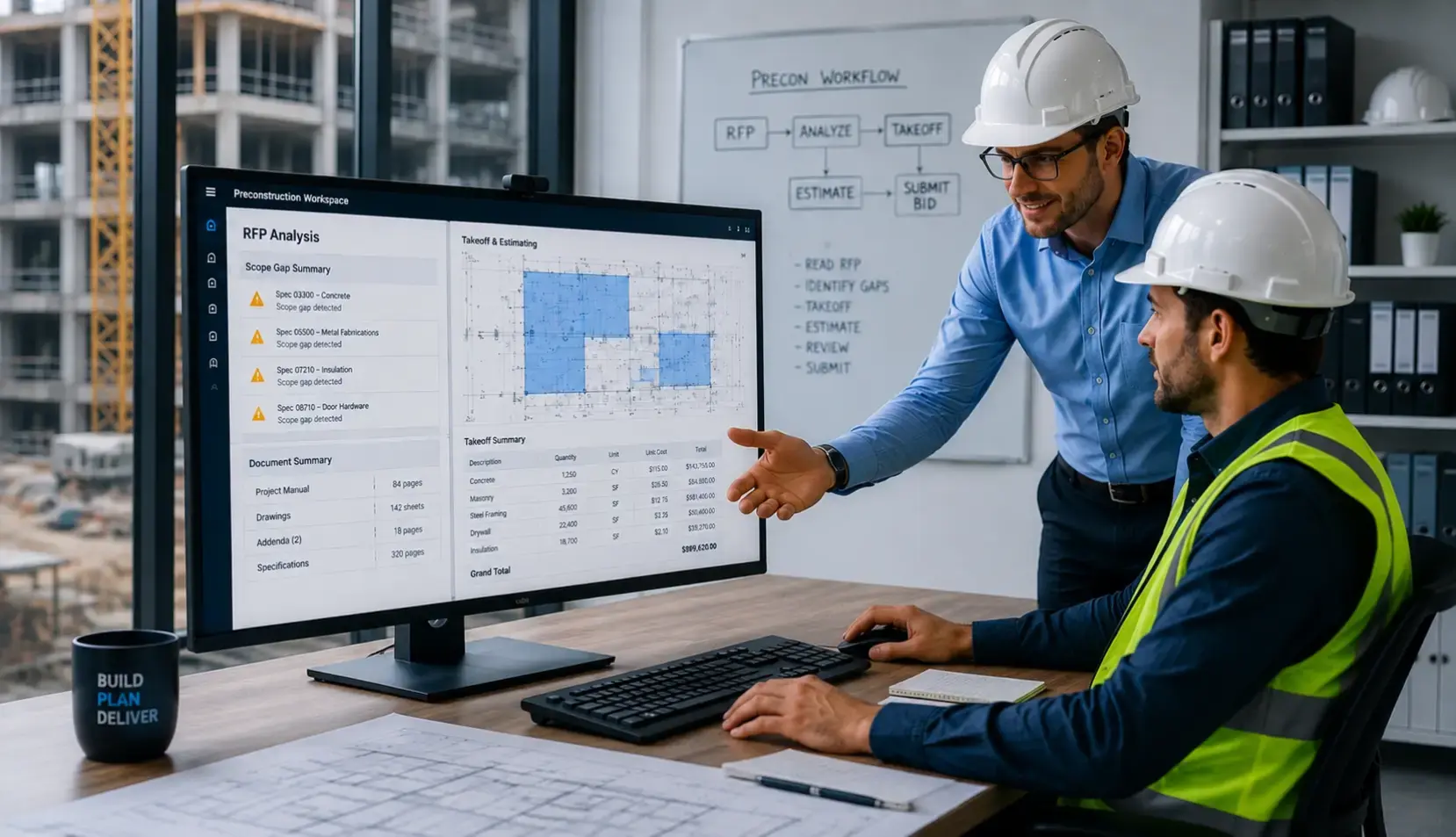
AI-Powered Takeoffs From Complex Construction Drawings

A precast concrete manufacturer partnered with Tech.us to bring AI into the estimating workflow. The system uses OCR, computer vision, and generative AI to identify, extract, and visualize structures, pipes, and components from complex construction drawings.

Read the Case Study
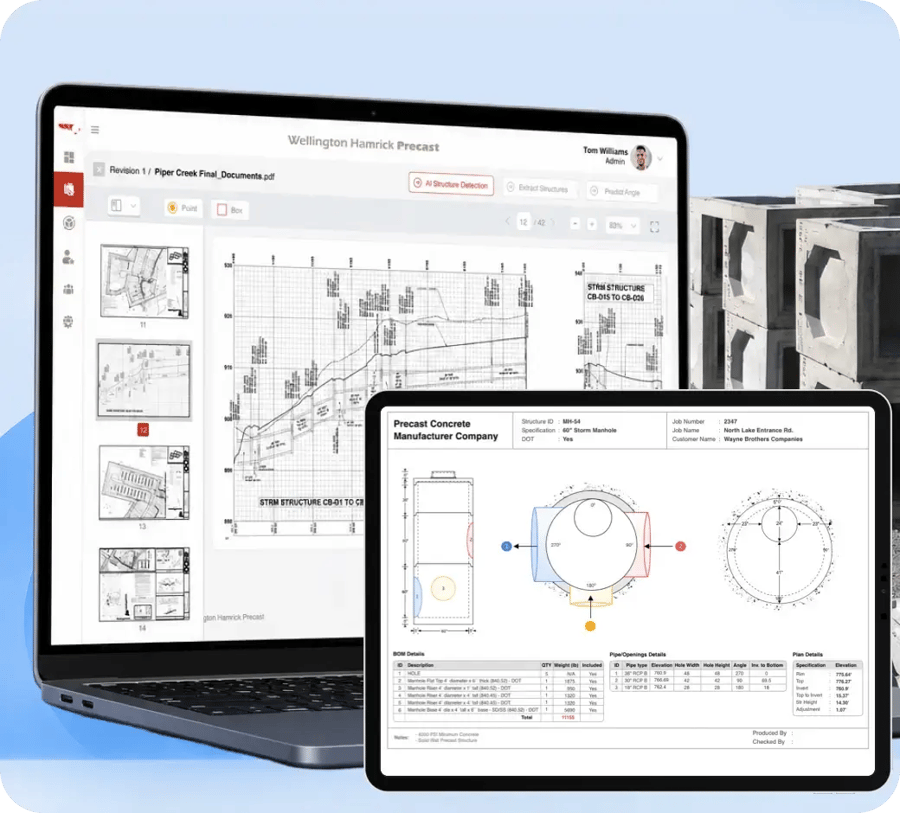

Wellington Hamrick Precast AI takeoff automation tool shown on laptop and tablet

Mobile Fleet Visibility Built for Field Operations

SkyHawk by TELUS needed a streamlined mobile experience for its Connect Anywhere platform. Tech.us built the core experience around real-time asset tracking, fleet activity, secure configuration, and map-based operational visibility.

Read the Case Study
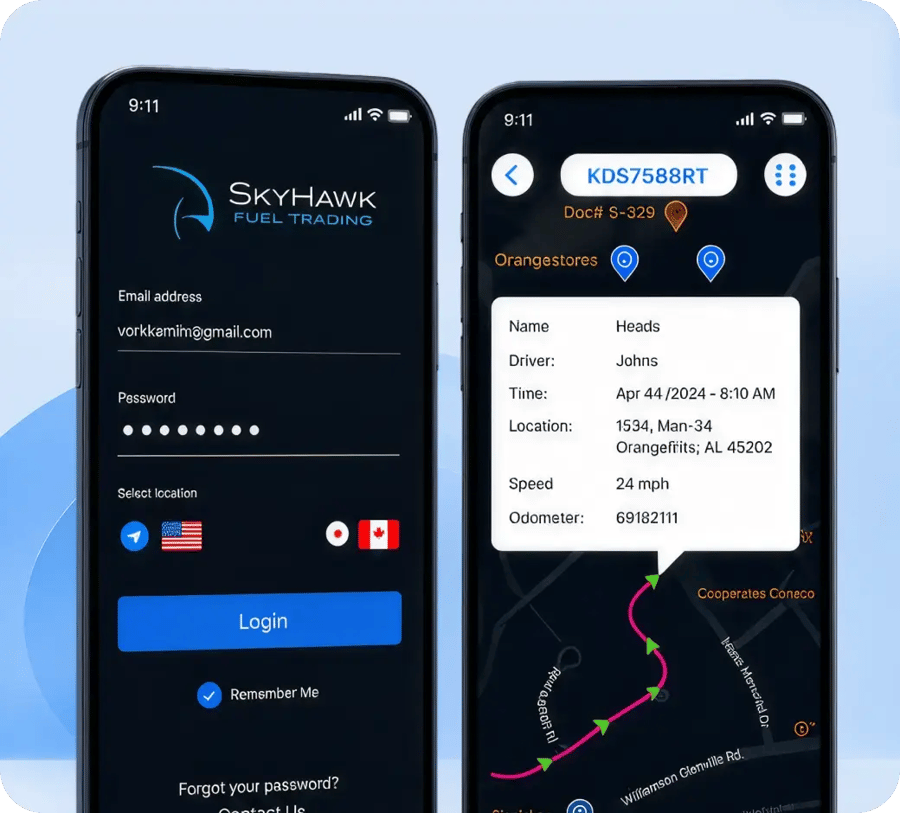

SkyHawk by TELUS mobile app screens showing fleet tracking and login

Personalized Financial Technology Built to Scale

Tech.us helped bring Wealth Mastery to life as a digital platform that puts personalized financial planning tools directly in users' hands while supporting a large and growing audience.

Read the Case Study

Tony Robbins Wealth Mastery app shown on tablet and phone

WHY TECH.US FOR PILOT TO PRODUCTION

We Do Not Treat Production as a Bigger Version of the Demo

Scaling AI from pilot to production means engineering for conditions the original pilot was never asked to handle.

We Audit Before We Rebuild

A working component should not be replaced simply because the surrounding system needs more engineering.

We Define Production Success First

We establish what the system needs to achieve in the real workflow before deciding what should change.

We Test the Weak Paths Too

Expected behavior matters, but production reliability also depends on what happens when data is incomplete or another system fails.

We Connect the Full Workflow

A model can perform well while the end-to-end process still fails. We test what happens before and after the AI step.

We Keep Release Decisions Measurable

Changes should have a clear reason to ship and a clear way to determine whether they improved the system.

We Plan for Ownership After Launch

The team operating the system needs enough visibility and documentation to manage it after the production project ends.

why-choose-techus

AI PILOT TO PRODUCTION ROADMAP

Give a Successful Pilot a Clear Path to Production

An enterprise AI pilot to production roadmap turns the gap between demonstration and deployment into a defined sequence of engineering decisions.

1

Define the Production Workflow

Specify who will use the system and what should happen when it succeeds.

2

Audit the Existing Pilot

Identify which parts can move forward and which were designed only for the pilot environment.

3

Close the Production Gaps

Build the missing integrations and operating controls required by the real workflow.

4

Establish Release Criteria

Define the evaluations the system must pass before production use begins.

5

Deploy in Controlled Stages

Introduce the system to real usage without making the first production release an all-or-nothing event.

6

Stabilize and Transfer Ownership

Resolve early production issues and make sure the operating team knows how to respond when behavior changes.

A Working Pilot May Be Closer to Production Than You Think

Find out what can stay, what needs hardening, and what is actually blocking the release before starting another build.

Talk To Our AI Expert

SUCCESS METRICS

Measure Whether the Production System Improves the Workflow

AI pilot success metrics and KPIs should connect model behavior to the business process the pilot was created to improve.

Task Success

Measure whether the system completes the intended job under realistic conditions.

Review Rate

Track how often a person needs to intervene before the result can be used.

Workflow Time

Measure whether the production process becomes faster from start to finish.

Quality Threshold

Define the level of performance the business needs before increasing usage.

Cost Per Successful Task

Understand what it costs to produce a result the workflow can actually use.

Adoption

Check whether intended users continue using the system once it becomes part of normal work.

Production Readiness

Check the System Around the Model Before You Scale It

An Enterprise AI production readiness checklist should test more than model quality.

Real Data

Can the system work with the information it will actually receive in production?

Real Integrations

Can connected applications fail without breaking the entire workflow?

Defined Evaluation

Is there a repeatable way to decide whether the current version is good enough to release?

Access Control

Can the system reach only the information and actions appropriate for its role?

Exception Handling

Does the workflow have a clear path when AI cannot complete the task reliably?

Operational Ownership

Does someone know what to monitor and what to do when production behavior changes?

PRODUCTION RELEASES

Make Every AI Change Earn Its Way Into Production

Best practices for AI production deployment depend on knowing what changed and whether the new version still meets the release standard.

Version Important Changes

Keep prompts, models, retrieval settings, and workflow configuration tied to identifiable releases.

Run Evaluations Before Release

Use the same core test set against new versions so improvements can be compared with the current system.

Roll Out Gradually

Increase exposure after the new version shows acceptable behavior under real conditions.

Keep a Rollback Path

Know which previous configuration can be restored if a release creates an unexpected problem.

MLOPS & OPERATIONS

Build a Release Process That Does Not Depend on One-Time Handoffs

The MLOps steps from pilot to production should make future changes easier to test and operate, not only help with the first deployment.

Reproducible Environments

Keep production configuration separate from experimental settings.

Version Control

Track the components that influence AI behavior so a production result can be connected to a known release.

Automated Evaluation

Run repeatable tests before deployment instead of relying on manual spot checks.

Monitoring

Watch production quality and operating behavior after release.

Controlled Updates

Move model and application changes through a defined release process rather than editing production directly.

GOVERNANCE FOR PRODUCTION AI SYSTEMS

Put Stronger Controls Around the Decisions That Matter More

Production governance should reflect what the AI system can influence inside the business.

Named Ownership

Assign responsibility for the use case after the project moves beyond experimentation.

Human Review Points

Keep important decisions with people where the consequence of an incorrect AI result requires it.

Data Boundaries

Define which production information the system may use.

Action Controls

Limit what agents or AI workflows can change without approval.

Review Triggers

Decide which model or workflow changes require another governance review.

COMMON PRODUCTION GAPS

Fix the Reasons AI Pilots Stall Before Adding More Features

Common pitfalls moving AI to production are often outside the original model or prompt.

The Pilot Lives Outside the Workflow

Users still need to move between the AI and the business system where the actual task happens.

Evaluation Was Never Defined

The pilot looks promising, but nobody has established the threshold required to approve a release.

Real Data Behaves Differently

Production inputs contain variation that the curated pilot dataset did not expose.

Failure Paths Are Missing

The happy path works, but the system has no reliable response when an integration or model step fails.

Ownership Ends With the Pilot

The project has sponsors during experimentation but no team responsible for operating it after launch.

TECH STACK

Keep the Production Stack Focused on What the Pilot Still Needs

We work with the existing AI architecture where it makes sense, then add the infrastructure required to evaluate, deploy, and operate it reliably.

Agentic AI & Orchestration

Agentic AI Agentic AI
AI Agents AI Agents
Multi-Agent Systems Multi-Agent Systems
Agentic Workflow Automation Agentic Workflow Automation
Model Context Protocol (MCP) Model Context Protocol (MCP)
Agent-to-Agent Protocol (A2A) Agent-to-Agent Protocol (A2A)
Agent Memory and Reasoning Agent Memory and Reasoning

FAQ

Questions Buyers Ask About Moving AI Pilots to Production

Start by defining what production success means for the real workflow. Audit the existing pilot against that requirement, then close the gaps around data and integration. Establish repeatable release criteria before moving into a controlled deployment.

How to scale AI pilot projects depends less on making the original demo larger and more on making the surrounding system repeatable. The production version needs reliable data access and a clear operating owner before usage expands.

AI pilot to production consulting helps determine why a working pilot is not yet ready for real business use and defines the engineering path required to close that gap. The engagement should lead to a practical production roadmap rather than another proof of concept.

Common pitfalls moving AI to production include testing only ideal inputs and leaving the pilot outside the existing workflow. Teams can also stall when production ownership or release criteria were never defined.

Best practices for AI production deployment include using defined release gates and deploying changes through controlled stages. Teams should also monitor production behavior closely enough to identify when a new version performs differently from the one it replaced.

AI pilot success metrics and KPIs should measure whether the system improves the business workflow, not only whether the model produces good output. Useful measures can include task success and the amount of human review required.

Governance for production AI systems should define ownership and access boundaries. It should also establish when human approval is required and which changes are significant enough to trigger another review.

Not necessarily. A production-readiness review should first determine which parts of the existing pilot are already sound. The goal is to keep useful work and strengthen what production still requires.

Make the Pilot Ready for the Workflow It Was Built For

Close the gaps around integration, reliability, and ownership so the system can support real users.

Talk To Our AI Expert

Production readiness · Evaluation · Integration · Operational handover