Make Better Implementation Decisions
Identify which AI opportunities your organization can pursue with its current capabilities and which require additional preparation.
Our AI readiness assessment services identify which initiatives your organization can support today and what needs to be in place for more advanced implementations.
Establish realistic priorities backed by an informed understanding of your business and technology environment.
Projects Delivered
Years of Engineering
Industries Served
TRUSTED BY ORGANIZATIONS THAT DEPEND ON TECHNOLOGY



THE VALUE OF AI READINESS ASSESSMENT
AI readiness reflects an organization's ability to introduce artificial intelligence into its operations and sustain its performance over time. An assessment reveals the conditions that could influence the success of an AI initiative.
Identify which AI opportunities your organization can pursue with its current capabilities and which require additional preparation.
Uncover data limitations, application dependencies and organizational requirements that could affect implementation timelines or costs.
Understand what AI can reasonably achieve within your existing environment before committing to performance targets.
Determine which improvements to data, infrastructure and business processes would create the strongest foundation for AI adoption.
OUR SERVICES
We assess the business and technical conditions that determine whether your organization can introduce AI effectively. Each assessment is shaped around your intended use cases and the environment in which AI will operate.
Evaluate whether your business processes and objectives provide a suitable foundation for AI adoption. We examine workflow characteristics, operational challenges and measurable performance requirements to identify viable AI opportunities.
Assess readiness across business units, technology environments and organizational functions. Our enterprise-level AI readiness assessment services identify shared dependencies and determine where coordinated preparation is required before wider implementation.
Examine the availability, quality, accessibility and relevance of information needed for AI. Our data readiness assessment identifies gaps in data coverage, ownership and processing requirements that could affect model performance.
Evaluate existing applications, computing resources and integration capabilities against proposed AI requirements. We identify infrastructure limitations and determine what additional technical capabilities may be necessary to support implementation.
Determine whether your organization is prepared to introduce language models, intelligent assistants and generative AI applications. We examine knowledge accessibility, model deployment options, evaluation requirements and potential information security risks.
Review existing policies, accountability structures and risk management practices. We identify the governance requirements that need to be established before AI influences business information, decisions or operational activities.
Evaluate employee preparedness, leadership alignment and the skills available to support AI initiatives. We identify changes to responsibilities, training requirements and working practices that may influence adoption.
Assess your organization's ability to maintain AI capabilities after deployment. We examine monitoring practices, technical ownership, exception handling and the resources available to manage ongoing application performance.
Evaluate the financial conditions surrounding potential AI initiatives, including anticipated engineering costs and ongoing operating requirements. We establish the information needed to determine whether implementation is economically viable.
SELECTED WORK
Discover how Tech.us addresses complex business challenges through software engineering and AI development.
View All Case Studies

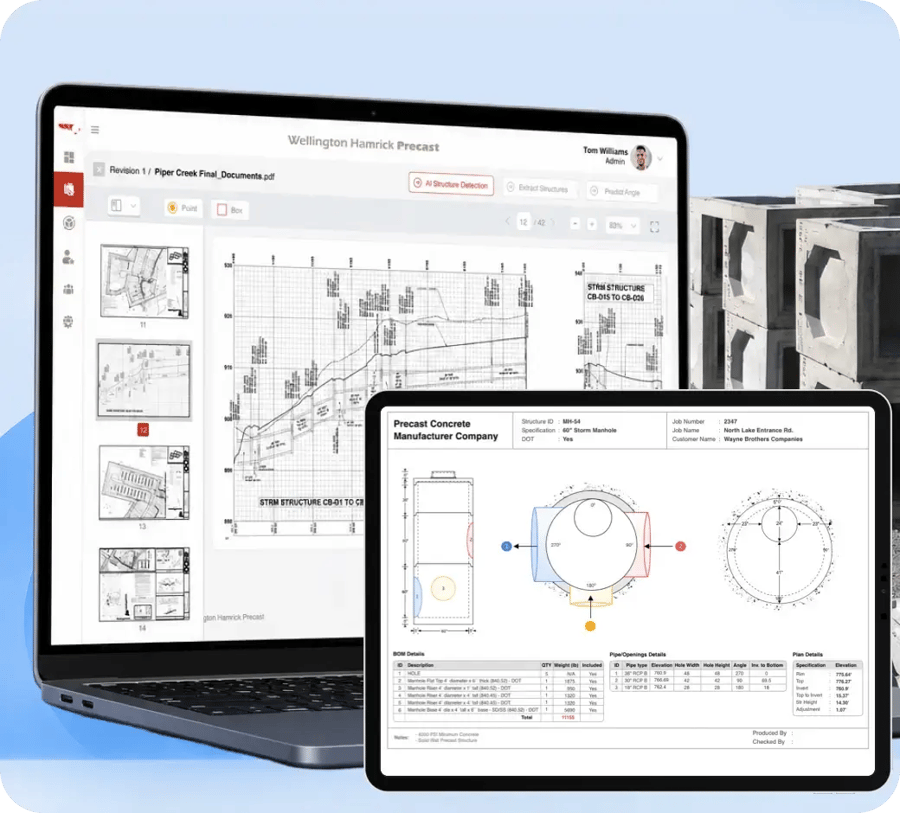
A precast concrete manufacturer partnered with Tech.us to bring AI into the estimating workflow. The system uses OCR, computer vision, and generative AI to identify, extract, and visualize structures, pipes, and components from complex construction drawings.
Read the Case Study

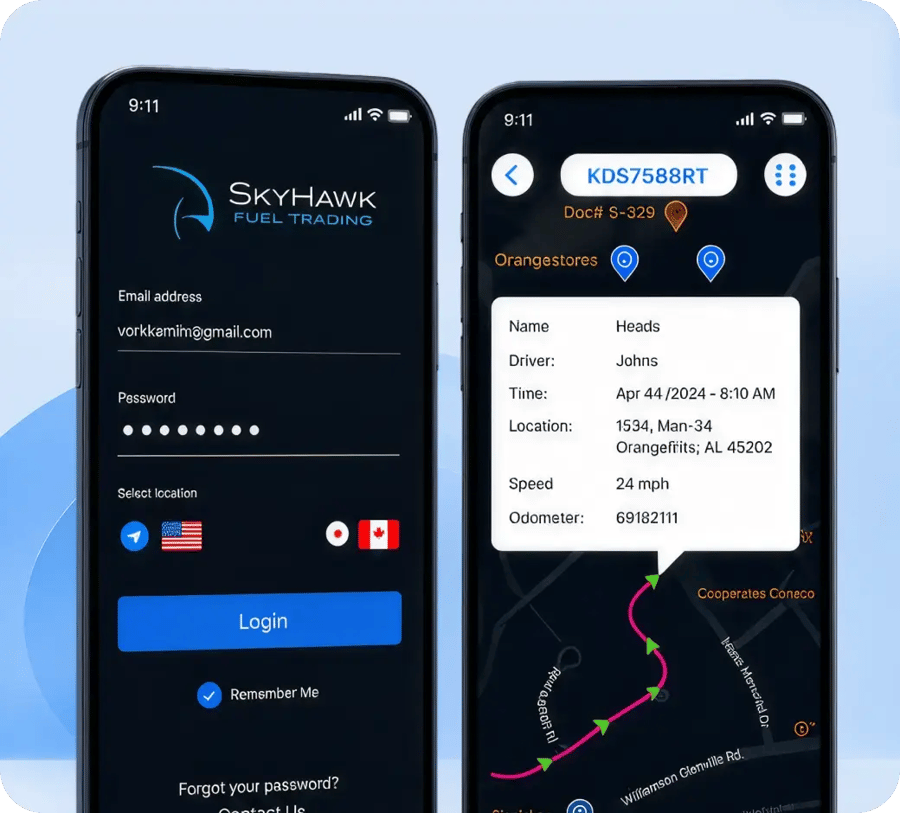
SkyHawk by TELUS needed a streamlined mobile experience for its Connect Anywhere platform. Tech.us built the core experience around real-time asset tracking, fleet activity, secure configuration, and map-based operational visibility.
Read the Case Study

Tech.us helped bring Wealth Mastery to life as a digital platform that puts personalized financial planning tools directly in users' hands while supporting a large and growing audience.
Read the Case Study

WHY TECH.US
An effective assessment should reveal what your organization needs to do next. Our software and AI engineering experience enables us to evaluate readiness against the practical requirements of building and operating technology.
We examine the conditions required for specific AI applications rather than assigning a general readiness rating without business context.
Having extensive business data does not necessarily make an organization AI-ready. We evaluate whether that information is suitable and accessible for its intended purpose.
Our engineering experience helps us identify how proposed AI capabilities could interact with established applications and infrastructure.
We distinguish issues that prevent implementation from those that can be addressed during subsequent development stages.
Our assessments account for the people, processes and technical resources required to maintain AI capabilities throughout their operational lifecycle.
We translate identified readiness gaps into defined technical and organizational actions that can guide future implementation work.

HOW WE WORK
Our AI readiness evaluation process combines stakeholder discussions with technical assessment and evidence-based analysis to establish a practical view of organizational preparedness.
Identify the business outcomes your organization wants to achieve and the AI initiatives being considered. Establish the scope and expectations of the assessment.
Review relevant applications, information sources, business processes and infrastructure to understand the conditions in which AI would operate.
Engage business leaders and technical stakeholders to assess available expertise, operational responsibilities and preparedness for AI-related changes.
Document limitations across assessment areas. Determine which gaps present immediate implementation barriers and which require longer-term improvement.
Evaluate assessment findings against defined criteria to create a structured view of organizational preparedness and use-case feasibility.
Prioritize recommended actions according to business importance and implementation dependencies. Establish the milestones required to prepare the organization for its proposed AI initiatives.
Understand which capabilities your business already has and what needs to change before introducing AI into critical operations.
Talk To Our AI Expert →AI Readiness Assessment Framework
Our proposed AI readiness assessment framework evaluates the capabilities that influence successful implementation. Each dimension is assessed in relation to the organization's intended AI applications.
Are the business objectives clearly defined?
Evaluate use-case suitability, operational requirements and the availability of measurable success criteria.
Can AI access information suitable for its intended purpose?
Assess data quality, completeness, accessibility and ownership.
Can existing applications and infrastructure support the proposed AI capabilities?
Evaluate integration requirements, computing resources and deployment constraints.
Does the organization have appropriate controls over AI usage?
Examine accountability, information security and risk management requirements.
Are employees and leadership prepared for changes to established working practices?
Assess skills, responsibilities and organizational alignment.
Can the organization support AI after deployment?
Evaluate performance monitoring, maintenance responsibilities and procedures for managing exceptions.
Are the resources required for implementation and ongoing operation understood?
Examine anticipated costs, budget availability and expected business benefits.
AI Maturity Model Assessment
An AI maturity assessment helps identify how far an organization has progressed in developing the capabilities required for AI adoption. We evaluate maturity across individual readiness dimensions rather than assuming every department operates at the same level.
Level 1
AI objectives remain undefined, with limited preparation across business and technology functions.
Level 2
Potential AI opportunities have been identified, but important data, infrastructure or organizational requirements remain unresolved.
Level 3
Selected AI initiatives have defined objectives and foundational capabilities. Further preparation is required for dependable implementation.
Level 4
The necessary capabilities are established for defined AI use cases, with appropriate ownership and operational requirements in place.
Level 5
AI capabilities are managed through established practices, with ongoing evaluation and coordinated expansion across suitable business functions.
Enterprise AI Readiness Checklist
Our enterprise AI readiness checklist helps identify areas requiring closer investigation. Assessment questions are adapted to the organization's business objectives and proposed AI capabilities.
AI Adoption Readiness Survey
Technical readiness does not automatically translate into organizational adoption. Stakeholder interviews and an AI adoption readiness survey can reveal differences in expectations, confidence and preparedness across departments.
Do business leaders share a clear understanding of why AI is being introduced and what it should achieve?
Do employees understand how proposed AI capabilities could affect their work and responsibilities?
Do teams have the knowledge and support required to use AI effectively within their roles?
Are existing procedures ready to accommodate AI-assisted activities and changes to established responsibilities?
Are training resources, communication channels and feedback mechanisms available to support adoption?
Survey responses can be measured using a five-point agreement scale, supported by interviews and qualitative feedback.
ENTERPRISE AI READINESS
Our AI readiness assessment services for large enterprises address the dependencies created by multiple business units, distributed information sources and shared technology environments.
Identify differences in AI preparedness across business functions and determine where department-specific improvements are needed.
Assess how information moves between applications and departments. Identify data access limitations that could affect cross-functional AI initiatives.
Determine whether existing infrastructure and integration services can support multiple AI applications without unnecessary duplication.
Evaluate whether existing governance practices can accommodate AI initiatives with different risk profiles and operational requirements.
Identify improvements that need to be addressed collectively rather than through independent departmental initiatives.
Establish which business functions are ready to proceed and which depend on broader organizational or technical improvements.
ASSESSMENT DELIVERABLES
Our assessments provide structured findings that business leaders and technology teams can use to make decisions about implementation priorities and organizational preparation.
A documented evaluation of your current capabilities, identified limitations and readiness conditions across the agreed assessment areas.
A dimension-level view of AI preparedness, supported by assessment evidence and explanations of the assigned maturity levels.
A comparison of proposed AI use cases according to business value, current readiness and implementation requirements.
A prioritized record of identified limitations, including their potential impact, recommended corrective actions and relevant dependencies.
A defined set of infrastructure, data and governance requirements that need to be considered during implementation planning.
A practical sequence of recommended actions, preparation milestones and responsibilities required to move selected AI initiatives forward.
WAYS TO WORK WITH TECH.US
Our AI readiness assessments can address an individual initiative or provide a broader evaluation of enterprise capabilities.
Determine whether your business is prepared to implement a specific AI application by evaluating its technical and operational prerequisites.
Assess organizational preparedness across departments and shared technology environments. Establish priorities for coordinated AI adoption.
Move from assessment findings into defined improvement activities with engineering support for addressing identified technical and data-related gaps.
INDUSTRY EXPERIENCE
Different industries have distinct information requirements, operating conditions and governance obligations. We assess preparedness within the context of the intended business application.
Explore All Industries

Healthcare
Evaluate clinical and administrative data accessibility, healthcare system interoperability and sensitive information controls before introducing AI capabilities.
Explore Healthcare→
Construction
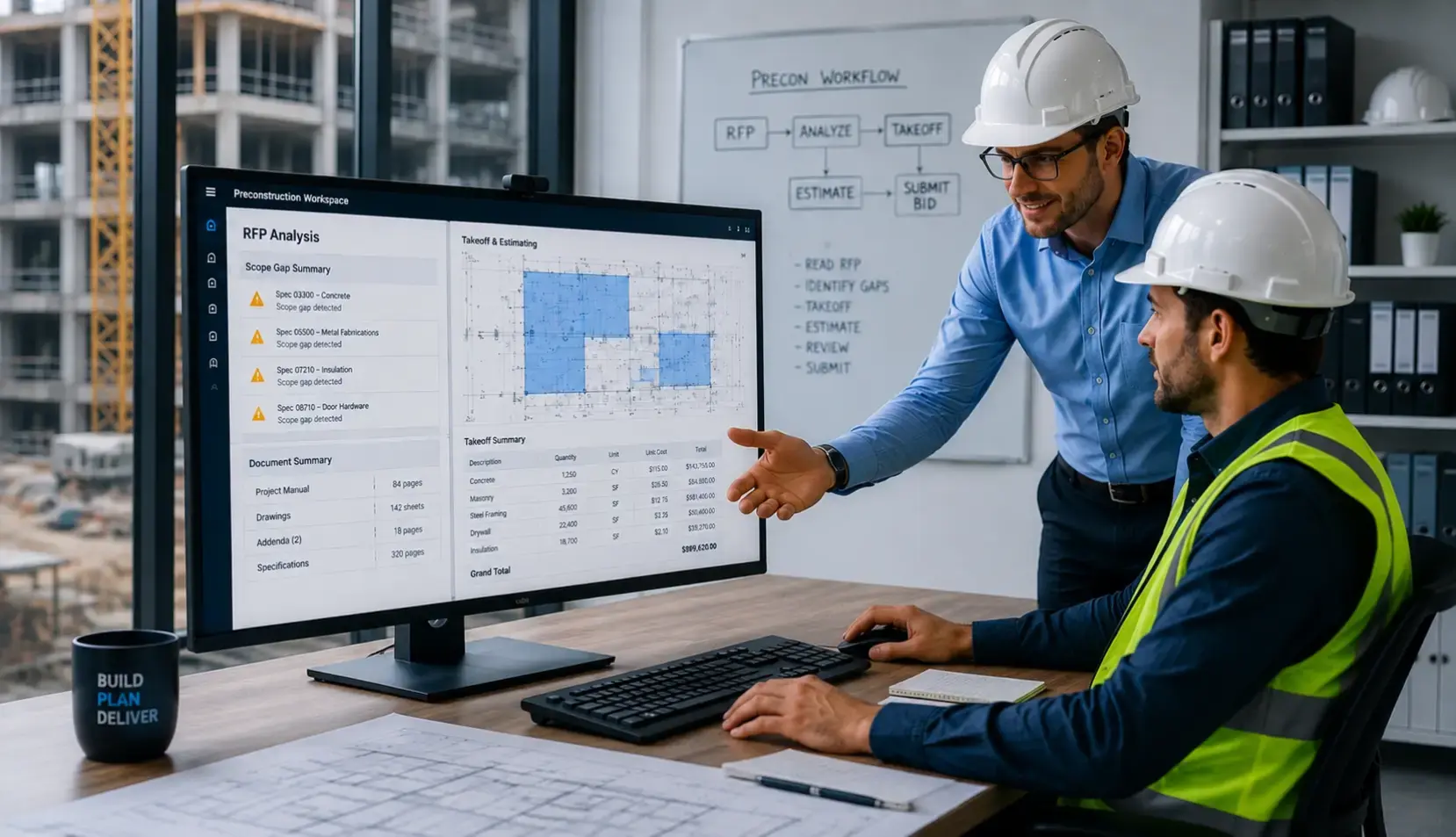
Assess the availability of project documentation, estimating data and historical records alongside the integration capabilities of existing construction software.
Explore Construction→
Finance
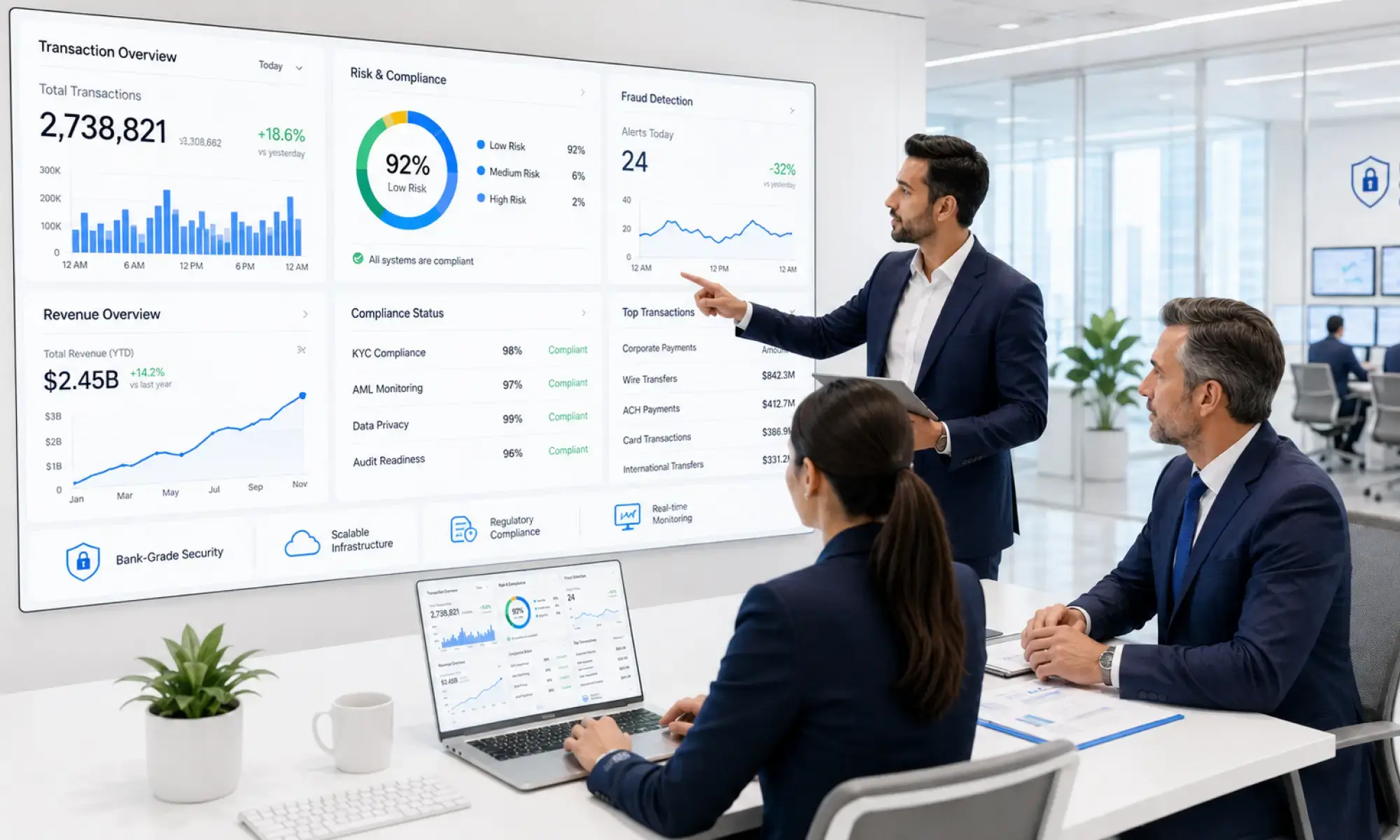
Our AI readiness assessment for finance evaluates financial data quality, decision traceability and governance requirements surrounding proposed AI applications.
Explore Finance→
Manufacturing
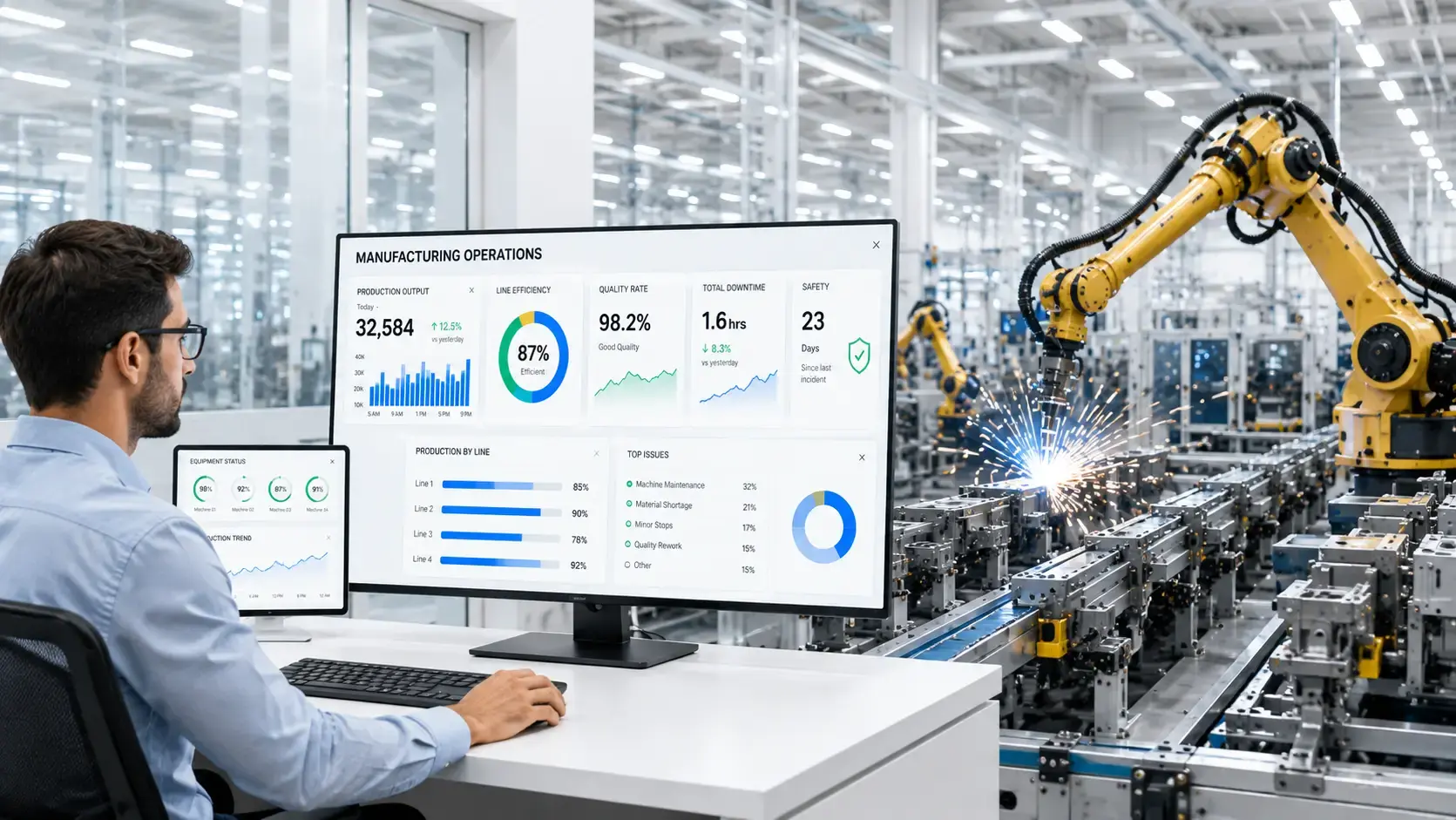
Examine production information, equipment data and operational infrastructure to determine readiness for AI-assisted manufacturing activities.
Explore Manufacturing→
Real Estate
Assess property information quality, document accessibility and application connectivity before introducing AI into property management and transaction workflows.
Explore Real Estate→
Retail & Ecommerce
Evaluate AI readiness for retail through product data quality, inventory visibility, customer information accessibility and commerce platform integration capabilities.
Explore Retail & Ecommerce →
TECH STACK
We select assessment and diagnostic technologies according to the organization's infrastructure, data environment and proposed AI implementation requirements.
Agentic AI & Orchestration
Agentic AI
AI Agents
Multi-Agent Systems
Agentic Workflow Automation
Model Context Protocol (MCP)
Agent-to-Agent Protocol (A2A)
Agent Memory and Reasoning
Generative AI & Foundation Models
Large Language Models
GPT
Claude
Gemini
Llama
Generative AI
Multimodal Foundation Models
Diffusion Models
Small Language Models
Model Fine-Tuning
Prompt & Context Engineering
Machine Learning & Deep Learning
Machine Learning
Deep Learning
Predictive Analytics
Recommendation Systems
Anomaly Detection
Time-Series Analysis
Data & AI Platforms
AI-Ready Data Platforms
Data Lakes and Lakehouse
Data Engineering
AI Frameworks & Libraries
PyTorch
TensorFlow
Scikit-learn
Hugging Face Transformers
LangChain
LangGraph
MLOps, LLMOps & AgentOps
MLOps
LLMOps
AgentOps
Model Deployment and Serving
Agent Deployment
Model and Agent Observability
Prompt and Response Tracing
AI Cost Optimization
AI Evaluation, Safety & Governance
LLM Evaluations
Agent Evaluations
RAG Evaluations
AI Guardrails
Prompt-Injection Protection
Red Teaming
Responsible AI
AI Governance
Cloud AI Technologies
Google Cloud
Vertex AI
Gemini Models
Agent Studio
Vertex AI Agent Builder
Agent Development Kit
Vertex AI Vector Search
Google Cloud Document AI
Google Cloud Vision AI
Microsoft Azure
Microsoft Foundry
Microsoft Copilot Studio
Microsoft Agent Framework
Azure AI Document Intelligence
Azure AI Speech and Vision
Microsoft Fabric
Microsoft Purview
Language, Vision, Speech & Document AI
NLP, NLU and NLG
STT, TTS and ASR
Conversational AI
Document Intelligence
Computer Vision
RAG, Search & Knowledge Systems
Enterprise RAG
Agentic RAG
Multimodal RAG
Enterprise Search
Semantic & Hybrid Search
Vector Databases
Knowledge Graphs
Reranking and Retrieval Optimization
FAQ
AI readiness is an organization's ability to implement, operate and benefit from AI based on its data, technology, business processes and organizational capabilities.
Evaluate business objectives, data suitability, infrastructure, governance, employee preparedness, operational capabilities and financial requirements against defined assessment criteria.
Review employee skills, existing workflows, leadership alignment and available technology through stakeholder interviews, readiness surveys and practical use-case assessments.
AI readiness measures preparedness for a proposed implementation. AI maturity evaluates how extensively an organization has developed and institutionalized its AI capabilities.
A generative AI assessment evaluates knowledge accessibility, model suitability, infrastructure, information security, response evaluation and organizational preparedness.
Assessment software can standardize questionnaires and scoring. Consulting adds business context, technical investigation and recommendations specific to the organization's implementation requirements.
Assess their technical expertise, assessment methodology, understanding of enterprise systems and ability to translate findings into actionable preparation plans.
The duration depends on organizational size, assessment scope, stakeholder availability and the complexity of existing data and technology environments.
Understand your organization's capabilities, address the gaps that matter and establish a clear foundation for your future AI initiatives.
Talk To Our AI Expert →