Data Arrives Where It Should
Build repeatable flows instead of moving files or rebuilding extracts every time someone needs information.
Tech.us creates reliable data pipelines and structures that make information easier to use across reporting, applications, and AI.
Reduce repeated cleanup and give new initiatives a stronger starting point.
Projects Delivered
Years of Engineering
Industries Served
Trusted by organizations that depend on technology



WHAT DATA ENGINEERING CHANGES
Create a shared data foundation so teams stop rebuilding the same information for every new need.
Build repeatable flows instead of moving files or rebuilding extracts every time someone needs information.
Create a reliable path between source systems and the applications that depend on their data.
Resolve quality problems earlier so analysts spend less time repairing datasets before they can use them.
A well-built data foundation makes it easier to support new analytics or AI use cases without starting the plumbing again.
DATA ENGINEERING SERVICES
Design the data infrastructure that keeps information moving reliably across the business.
Build pipelines that move data reliably from source systems to the places where it is needed. Design for reruns and source changes instead of assuming every load will succeed the first time.
Create ETL or ELT workflows that prepare source data for downstream use. Choose the processing approach based on where transformation belongs in your architecture.
Build a warehouse around the questions the business needs to answer. Organize data so reporting teams do not need to reconstruct business logic for every dashboard.
Create a data lake or lakehouse when the business needs to retain large volumes of data without giving up structure where it matters.
Connect data across business applications so information can move without repeated exports or manual reconciliation. Our data integration engineering services are designed around the systems that already own the data.
Build event-driven pipelines when the business cannot wait for the next scheduled batch. We use platforms such as Kafka where real-time data movement fits the use case.
Put checks close to the pipeline so missing or invalid data is found before it reaches reports or applications.
See whether important data arrived and whether a pipeline behaved as expected. Give teams a faster way to find where a data problem started.
Move data between platforms without treating migration as a simple copy exercise. Preserve the meaning of the data while dealing with differences between the old system and the new one.
Selected Work
See how Tech.us turns complex requirements into working systems across industries and business functions.
View All Case Studies

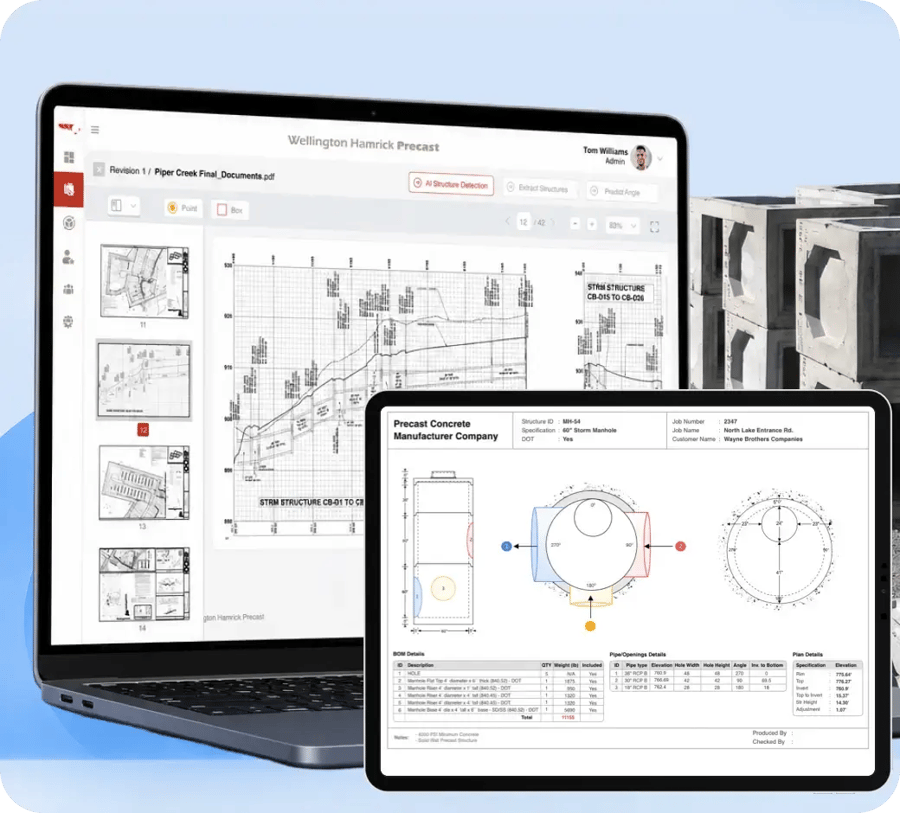
A precast concrete manufacturer partnered with Tech.us to bring AI into the estimating workflow. The system uses OCR, computer vision, and generative AI to identify, extract, and visualize structures, pipes, and components from complex construction drawings.
Read the Case Study

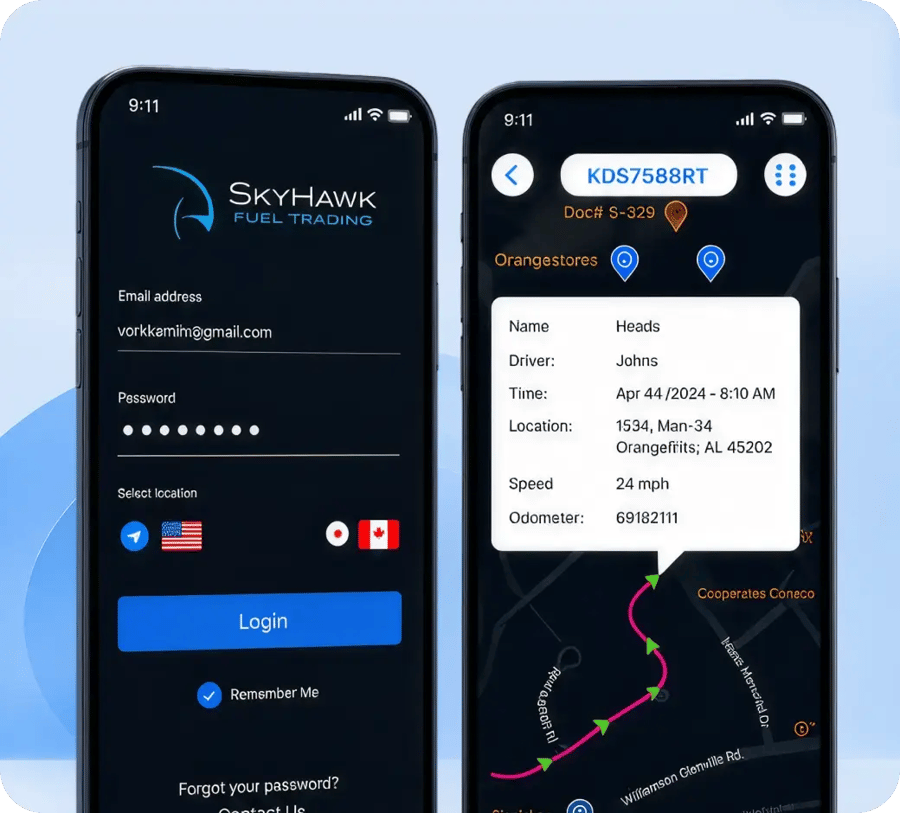
SkyHawk by TELUS needed a streamlined mobile experience for its Connect Anywhere platform. Tech.us built the core experience around real-time asset tracking, fleet activity, secure configuration, and map-based operational visibility.
Read the Case Study

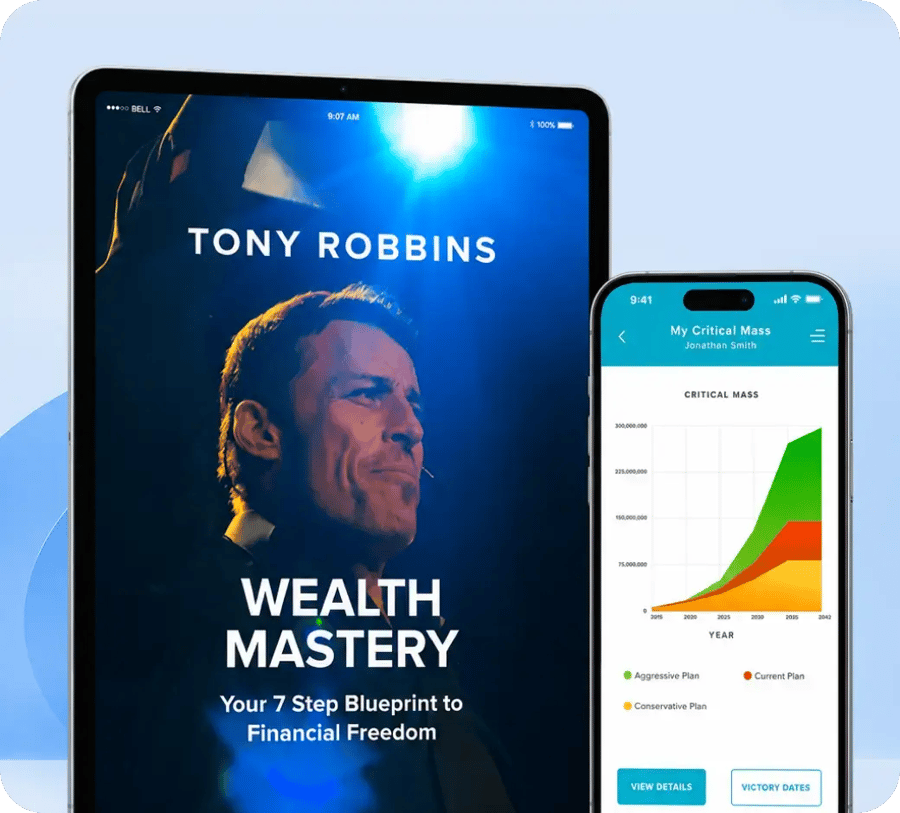
Tech.us helped bring Wealth Mastery to life as a digital platform that puts personalized financial planning tools directly in users' hands while supporting a large and growing audience.
Read the Case Study
WHY TECH.US FOR DATA ENGINEERING
Design around real source systems and real downstream use, not an idealized architecture.
Before designing the target platform, we understand where the data originates and how those systems actually behave.
A technically correct pipeline is not enough. We look at how the resulting data is used downstream and what breaks when it arrives late or changes shape.
Pipelines need a clear way to rerun or recover without creating duplicate data.
Important transformations should not become buried rules that only one engineer understands.
Source systems evolve. A strong data engineering solution should make those changes easier to absorb without rebuilding every downstream dependency.
Our data engineering experts work with production systems, not isolated notebooks. That changes how we approach testing and maintainability.

DATA ENGINEERING ROADMAP
Create a practical path from today’s data gaps to a more reliable target architecture.
Map where important data originates and where teams currently compensate for missing connections.
Identify which reports or applications depend on each important data flow.
Separate problems that create real business friction from technical debt that can wait.
Define how data should move once the unnecessary handoffs are removed.
Turn the findings into a data engineering roadmap that can be delivered in useful stages instead of one large platform project.
Identify where teams are compensating for broken flows or inconsistent data, then fix those issues at the source.
Talk To Our AI Expert →HOW WE WORK
Move from source systems to production-ready data without skipping the dependencies in between.
Identify the systems that own the information required downstream.
Determine which reports or applications depend on the data.
Create structures that reflect how the business needs to use the information.
Develop the pipelines and transformations required to move data into the target platform.
Check whether the output is complete and usable before downstream teams depend on it.
Add monitoring and recovery processes so the platform can run without constant manual attention.
Engineering Data Management
Define the structure and ownership needed to keep important business data consistent.
Define how important business entities relate before every downstream team invents its own interpretation.
Set practical ownership around important datasets so teams know who can define or change them.
Create a consistent view of shared entities when the same customer or product appears differently across systems.
Keep enough context around important data to understand where it came from and what happened before it reached the user.
DataOps Services
Put repeatable release and recovery practices around the pipelines the business depends on.
Move data changes through environments without treating production as the first real test.
Run repeatable validation when pipeline logic changes.
Watch important flows for failed runs or unexpected changes.
Give teams a defined way to restore the pipeline when something goes wrong.
CLOUD & ENTERPRISE DATA ENGINEERING
Modernize the parts of the data environment that create the most operational pressure first.
Build or modernize pipelines around cloud data platforms while keeping the migration tied to actual business use.
Connect information across larger application environments where one business process may depend on several systems.
Design data processing for workloads where volume or processing demand has outgrown the current architecture.
Keep recurring pipeline work and platform operations moving when the internal team does not need to own every engineering task.
WAYS TO WORK WITH TECH.US
Bring in the level of data engineering support that fits your project stage and internal capacity.
Use data engineering consulting when the main question is what architecture or delivery path makes sense before a larger build begins.
Bring in engineering support when the roadmap is clear enough to move from architecture into implementation.
Extend delivery capacity when the internal team has more data work than it can reasonably absorb.
Maintain an ongoing engineering capability for recurring pipeline or platform needs without building every role internally.
For organizations looking to hire data engineers because of a specific project, a delivery team can sometimes provide the required data engineering skills without turning the project into a long recruiting cycle.
AI-Ready Data Engineering
Make business data easier for AI systems to use without weakening the reliability of the underlying pipelines.
Prepare reliable data flows for AI systems that need business context from operational sources.
Use AI where it can reduce engineering effort, such as helping teams understand unfamiliar transformations or investigate data issues faster.
Use generative AI as an engineering aid rather than allowing generated pipeline logic to move into production without review.
Use agents for bounded data engineering tasks where the work can be verified before a change affects production.
INDUSTRY EXPERIENCE
Connect the data that matters most in each industry without forcing the same architecture everywhere.
Explore All Industries

Healthcare
Connect operational and administrative data while keeping sensitive information within the access boundaries required by the workflow.
Explore Healthcare→
Construction
Construction data integration can bring project information together when estimating or field systems hold different parts of the same job.
Explore Construction→
Finance
Build reliable data flows for financial reporting and operational analysis where consistency matters more than simply moving data faster.
Explore Finance→
Manufacturing
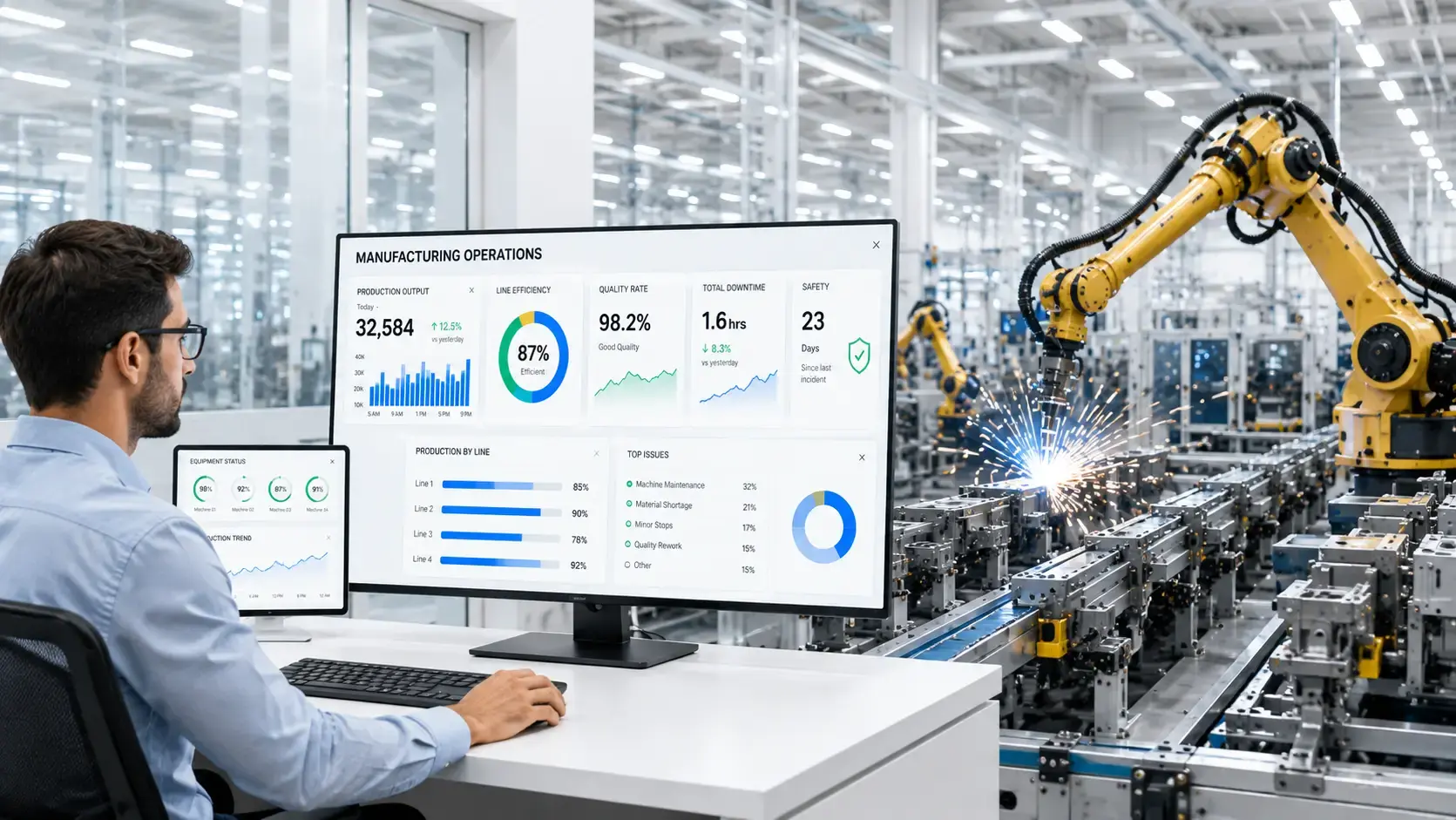
Data engineering for manufacturing often means connecting operational information with enterprise data. IoT data pipelines for manufacturing can add equipment events when the business needs a more current view of production.
Explore Manufacturing→
Real Estate
Connect property or transaction information when important records are spread across multiple systems.
Explore Real Estate→
Retail & Ecommerce
Bring together commerce and operational data so teams can work from a more consistent view of what is happening across the business.
Explore Retail & Ecommerce→
TECH STACK
The right stack depends on the sources you have and the way the resulting data will be used.
Agentic AI & Orchestration
Agentic AI
AI Agents
Multi-Agent Systems
Agentic Workflow Automation
Model Context Protocol (MCP)
Agent-to-Agent Protocol (A2A)
Agent Memory and Reasoning
Generative AI & Foundation Models
Large Language Models
GPT
Claude
Gemini
Llama
Generative AI
Multimodal Foundation Models
Diffusion Models
Small Language Models
Model Fine-Tuning
Prompt & Context Engineering
Machine Learning & Deep Learning
Machine Learning
Deep Learning
Predictive Analytics
Recommendation Systems
Anomaly Detection
Time-Series Analysis
Data & AI Platforms
AI-Ready Data Platforms
Data Lakes and Lakehouse
Data Engineering
AI Frameworks & Libraries
PyTorch
TensorFlow
Scikit-learn
Hugging Face Transformers
LangChain
LangGraph
MLOps, LLMOps & AgentOps
MLOps
LLMOps
AgentOps
Model Deployment and Serving
Agent Deployment
Model and Agent Observability
Prompt and Response Tracing
AI Cost Optimization
AI Evaluation, Safety & Governance
LLM Evaluations
Agent Evaluations
RAG Evaluations
AI Guardrails
Prompt-Injection Protection
Red Teaming
Responsible AI
AI Governance
Cloud AI Technologies
Google Cloud
Vertex AI
Gemini Models
Agent Studio
Vertex AI Agent Builder
Agent Development Kit
Vertex AI Vector Search
Google Cloud Document AI
Google Cloud Vision AI
Microsoft Azure
Microsoft Foundry
Microsoft Copilot Studio
Microsoft Agent Framework
Azure AI Document Intelligence
Azure AI Speech and Vision
Microsoft Fabric
Microsoft Purview
Language, Vision, Speech & Document AI
NLP, NLU and NLG
STT, TTS and ASR
Conversational AI
Document Intelligence
Computer Vision
RAG, Search & Knowledge Systems
Enterprise RAG
Agentic RAG
Multimodal RAG
Enterprise Search
Semantic & Hybrid Search
Vector Databases
Knowledge Graphs
Reranking and Retrieval Optimization
FAQ
Data engineering is the work required to make data usable across a business. It covers how information is collected and moved between systems. It also determines how that data is structured so applications or analytics can depend on it.
Data engineering services can cover pipeline development and ETL / ELT work. They can also include warehouse or lakehouse implementation, data integration, migration, quality management, and the operating controls required to keep those systems reliable.
Data engineering builds the infrastructure that makes reliable data available. Data analytics uses that data to answer business questions. When the engineering layer is weak, analytics teams often spend too much of their time preparing data before they can analyze it.
Data science focuses on extracting insight or building models from data. Data engineering focuses on making that data available in a reliable form. Data science may depend on data engineering when models require information from several production systems.
Data engineering consulting can make sense when the organization needs a defined architecture or specialized delivery capacity for a project. Hiring internally may make more sense when the workload is permanent and the company wants to own the engineering function long term.
Compare data engineering service providers on how they handle production reliability and source-system complexity. Strong data engineering companies should be able to explain how pipelines recover from failure and how changes are tested before downstream users are affected.
Yes. Tech.us is a US-based data engineering services company working with organizations that need consulting or implementation support across the United States. Companies searching for data engineering services in Chicago or other US markets can work with a delivery team without requiring the engineering team to be located in the same city.
Start with the business problems the current platform creates. If the main issues come from missing pipelines or weak data models, targeted engineering may be enough. A broader platform change makes more sense when the existing architecture itself prevents the business from adding the data uses it needs.
Create a data foundation that can support the next report or application without rebuilding the same connections each time.
Discuss Your Data Engineering Needs →Pipelines · Integration · Data quality · Production operations