ENTERPRISE COMPANY BRAIN

Bring the Knowledge of Your Entire Organization Into Every Decision

Tech.us builds an Enterprise Company Brain that connects information across departments and business systems.
Access the relevant history, evidence and organizational context needed to make better-informed business decisions.

1,500 +
26 +
30 +

TRUSTED BY ORGANIZATIONS THAT DEPEND ON TECHNOLOGY

WHAT AN ENTERPRISE COMPANY BRAIN CHANGES

Make Organizational Knowledge Available Beyond the People Who Hold It

Every department holds knowledge that could help another part of the business. An intelligent enterprise knowledge management system makes that information accessible within the right business context.

Retain Knowledge as the Business Changes

Preserve documented project experience and decision history so valuable organizational knowledge remains accessible when responsibilities change.

Find Answers Across Departments

Retrieve relevant information from different business functions without needing to understand how each department organizes its records.

Understand the Context Behind Decisions

Access the discussions and supporting information that explain why a particular business decision was made.

Build on Previous Experience

Bring relevant findings from completed projects and past business activities into current work so each new initiative can benefit from what the organization has already learned.

ENTERPRISE KNOWLEDGE MANAGEMENT SOLUTIONS

Build an Intelligence Layer Around Your Organization's Knowledge

Our enterprise knowledge management solutions help businesses connect distributed information and establish a shared foundation for AI-powered knowledge access.

Enterprise Knowledge Architecture & Consulting

Define how organizational knowledge should be structured and accessed across departments. We assess existing information sources to establish an architecture that reflects how the business operates.

Enterprise Knowledge Management Platform Development

Build a custom enterprise knowledge management platform around your organization's information environment. We design the platform according to knowledge access requirements and the business functions it needs to support.

Enterprise Knowledge Base Development

Create an enterprise knowledge base that brings approved documents and business records into a searchable knowledge environment. We organize information so relevant sources can be identified and maintained over time.

Enterprise Knowledge Search

Enable intelligent search across business applications using the meaning and context of a request rather than relying entirely on keyword matches. Users can retrieve relevant information even when they describe it differently from the original source.

Enterprise Knowledge Graph Development

Establish meaningful relationships between business entities such as projects, customers, products and departments. An enterprise knowledge graph helps AI understand how separate pieces of information relate to each other.

Enterprise AI Knowledge Assistant

Build a company-wide AI assistant for business that answers questions using approved organizational knowledge. The assistant retrieves relevant records according to the user's access permissions and presents answers with supporting sources.

Evidence-Based Retrieval & Verification

Evaluate whether retrieved information provides enough evidence to support an answer. We design retrieval workflows that can search further or acknowledge insufficient information when the available sources do not support a reliable response.

Knowledge Governance & Access Management

Control how enterprise knowledge is accessed across organizational roles. We incorporate existing permission structures and define how sensitive or restricted information should be handled within the knowledge platform.

Enterprise Data & Workflow Orchestration

Connect organizational intelligence to business applications so retrieved knowledge can support ongoing workflows. Where appropriate, AI can use approved system functions to carry information into the next stage of a process.

SELECTED WORK

Technology That Solves Real Business Requirements

Explore how Tech.us has helped organizations address complex business needs through practical technology solutions.

View All Case Studies

AI-Powered Takeoffs From Complex Construction Drawings

A precast concrete manufacturer partnered with Tech.us to bring AI into the estimating workflow. The system uses OCR, computer vision, and generative AI to identify, extract, and visualize structures, pipes, and components from complex construction drawings.

Read the Case Study
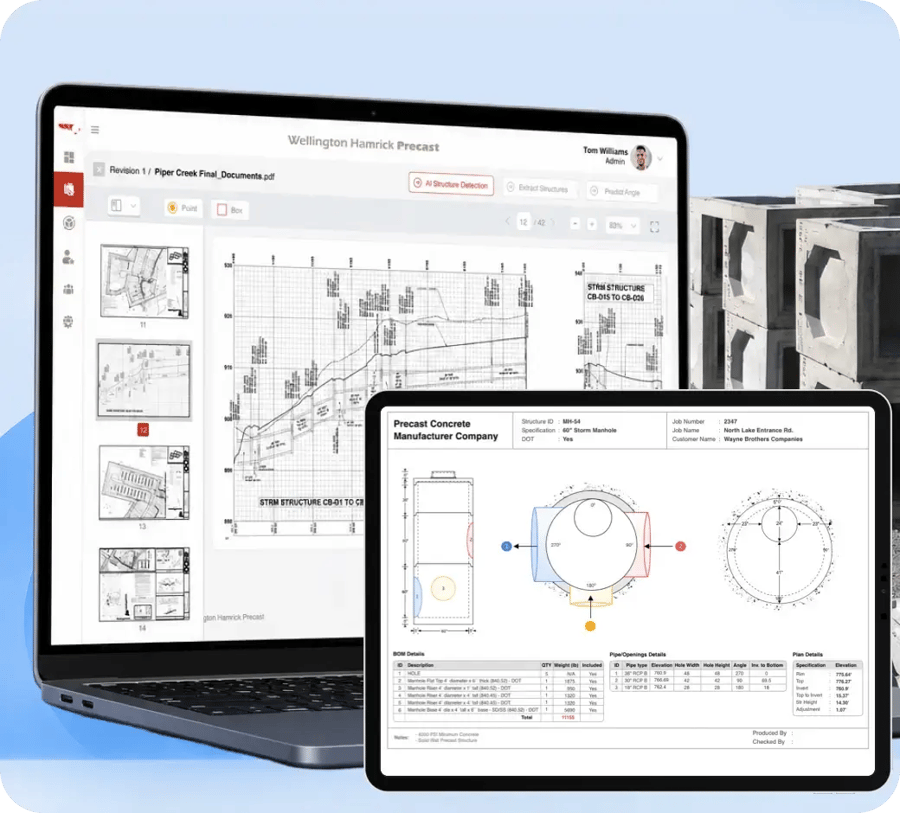

Wellington Hamrick Precast AI takeoff automation tool shown on laptop and tablet

Mobile Fleet Visibility Built for Field Operations

SkyHawk by TELUS needed a streamlined mobile experience for its Connect Anywhere platform. Tech.us built the core experience around real-time asset tracking, fleet activity, secure configuration, and map-based operational visibility.

Read the Case Study
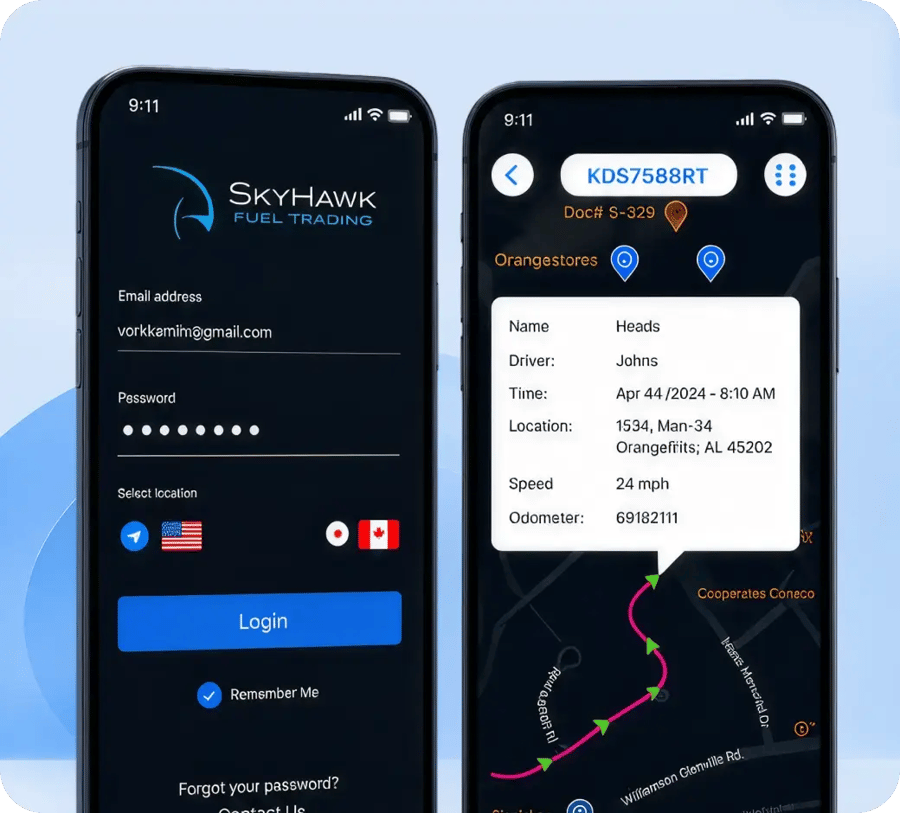

SkyHawk by TELUS mobile app screens showing fleet tracking and login

Personalized Financial Technology Built to Scale

Tech.us helped bring Wealth Mastery to life as a digital platform that puts personalized financial planning tools directly in users' hands while supporting a large and growing audience.

Read the Case Study
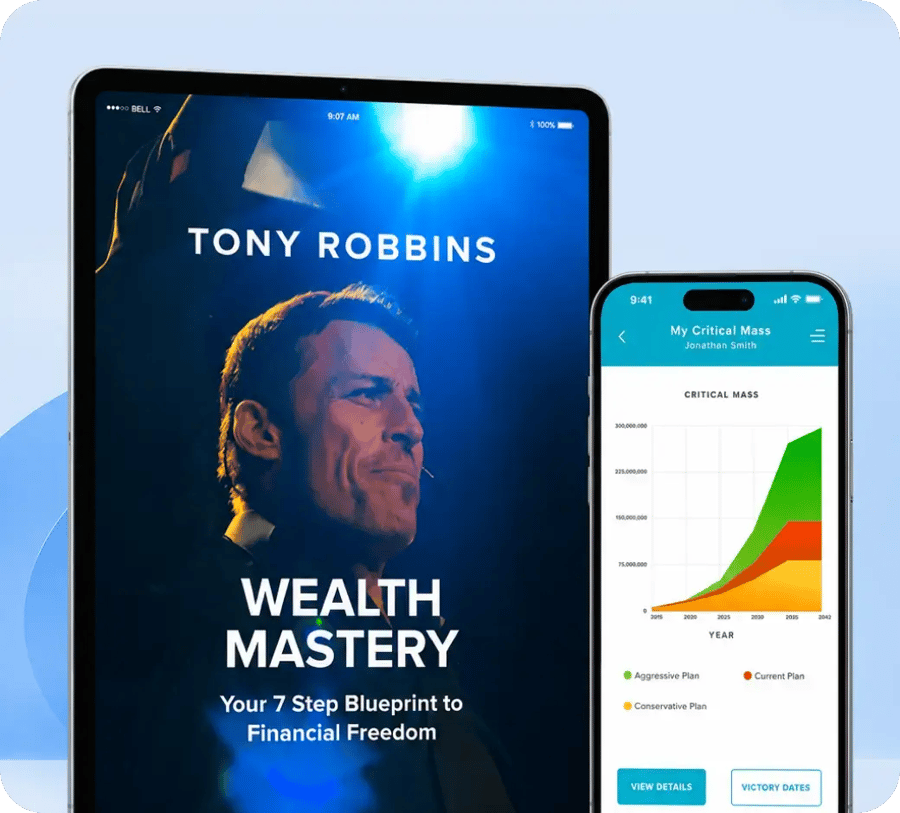
Tony Robbins Wealth Mastery app shown on tablet and phone

WHY TECH.US

We Engineer Around How Knowledge Exists Inside a Business

Building AI solutions for enterprise knowledge management requires an understanding of organizational information beyond document storage and model selection.

We Build Around Your Information Environment

We work with the applications and knowledge repositories already supporting your business rather than assuming everything needs to move into a new platform.

We Prioritize Evidence Over Confident Answers

The system should have enough supporting information to answer a question. We design retrieval around evidence quality rather than how convincing the response sounds.

We Understand Organizational Relationships

Business knowledge often depends on relationships between records. We account for those connections when designing retrieval and knowledge architecture.

We Respect Existing Knowledge Boundaries

Access to AI does not automatically mean access to every company record. We design knowledge retrieval around existing organizational permissions.

We Account for Changing Information

Business policies and project details evolve. We establish ways to keep the knowledge environment aligned with its underlying sources.

We Build for Wider Organizational Use

The architecture can support additional knowledge sources and business functions as the organization expands its use of AI.

why-choose-techus

HOW WE WORK

From Distributed Information to Connected Enterprise Knowledge

We build the knowledge environment in stages, beginning with the sources that hold the most relevant business information.

1

Map the Knowledge Landscape

Identify where organizational information exists and which departments depend on it.

2

Define Knowledge Use Cases

Establish the questions and business activities the Company Brain should support.

3

Design the Knowledge Architecture

Select the appropriate retrieval methods and information structures based on the nature of the available knowledge.

4

Connect Enterprise Sources

Integrate approved business applications and establish how information is indexed or retrieved.

5

Build & Validate the Intelligence Layer

Develop the AI interface and evaluate its answers against real business questions and supporting evidence.

6

Deploy & Expand

Introduce the platform to selected users, evaluate knowledge coverage and extend it to additional business areas as needed.

Your Next Business Insight Could Already Exist Within Your Company

Discover how connecting existing knowledge sources can make valuable business information available across the organization.

Explore Your Company Brain

ENTERPRISE COMPANY BRAIN ARCHITECTURE

One Intelligence Layer Across Multiple Business Systems

The enterprise Company Brain architecture connects existing information sources without necessarily requiring the underlying business applications to be replaced or their data physically centralized.

Enterprise Information Layer

Connect knowledge from platforms such as SharePoint, Confluence, Jira, CRM systems and approved internal communications.

Knowledge Organization Layer

Structure information using document metadata and semantic indexing. Knowledge graphs can establish additional relationships where the use case requires them.

Retrieval Layer

Identify the information most relevant to the user's question across connected and authorized knowledge sources.

Evidence Verification Layer

Check whether the retrieved information supports an answer or whether further retrieval is needed.

Intelligence & Interaction Layer

Provide access to organizational knowledge through AI assistants, enterprise search interfaces or existing business applications.

Workflow Orchestration Layer

Where required, connect knowledge retrieval to approved business actions through APIs and workflow integrations.

Security & Governance Layer

Apply access controls across the architecture and maintain appropriate visibility into how enterprise information is retrieved and used.

EVIDENCE-FIRST ENTERPRISE INTELLIGENCE

Knowing When There Is Enough Information to Answer

Enterprise knowledge search becomes more dependable when the system can distinguish relevant information from information that actually supports an answer.

Tech.us has developed its proprietary Agentic Evidence Search Model (AESM) as an evidence engine for the Company Brain. AESM is designed to evaluate retrieved evidence before a final answer is generated.

Explore Tech.us AI Research

Identify Missing Information

Determine which parts of a question still need supporting evidence.

Evaluate Retrieved Evidence

Check whether the available company records are relevant and sufficient to support the requested information.

Continue Searching When Needed

Retrieve additional information when the initial sources leave important questions unanswered.

Recognize Insufficient Evidence

Identify when the available organizational knowledge cannot support a reliable answer.

BEYOND DOCUMENT SEARCH

Understand How Different Pieces of Business Knowledge Connect

An enterprise knowledge graph can add relationships that traditional enterprise knowledge management software may not capture through document search alone.

People & Expertise

Identify relationships between documented areas of expertise and the people associated with relevant projects or business responsibilities.

Projects & Decisions

Connect project records with earlier discussions, requirements and documented decisions.

Customers & Business History

Bring together relevant customer information from connected systems to provide context for ongoing business activities.

Policies & Processes

Relate company policies to the procedures or business functions they govern.

Products & Dependencies

Understand relationships between product requirements and the systems or operational processes associated with them.

ENTERPRISE DECISION INTELLIGENCE

Bring More Organizational Context Into Business Decisions

Centralized enterprise decision intelligence gives authorized business users a shared way to access relevant knowledge while keeping decision-making responsibility with the appropriate people.

Strategic Planning

Retrieve previous initiatives and documented outcomes when evaluating new business priorities.

Operational Decisions

Bring relevant procedures and historical operational information into the context of current business activities.

Cross-Department Collaboration

Help departments discover information from other business functions that may affect their work.

Customer & Commercial Intelligence

Connect account history with relevant product knowledge and previous customer interactions to provide better commercial context.

Organizational Learning

Make documented lessons from past business activities available when similar situations arise elsewhere in the organization.

KNOWLEDGE-POWERED AUTOMATION

Use Enterprise Knowledge Inside the Workflows That Need It

A Company Brain can extend beyond answering questions by supplying organizational context to AI agents and enterprise cognitive automation solutions.

Context-Aware AI Agents

Give agents access to approved business knowledge so their actions can account for relevant policies and procedures.

Knowledge-Assisted Workflows

Retrieve supporting information automatically when a business process reaches a step that depends on company knowledge.

Intelligent Request Routing

Use knowledge of organizational responsibilities to help direct requests toward the appropriate department or review process.

Decision Preparation

Gather relevant evidence from multiple systems and present it for review before an important business decision is made.

KNOWLEDGE GOVERNANCE

Keep Enterprise Knowledge Accessible Without Losing Control

We incorporate best practices for company knowledge management into the platform architecture so wider knowledge access remains manageable.

Permission-Aware Retrieval

Respect user access restrictions when retrieving information from connected enterprise sources.

Source Traceability

Provide references to the records used in an answer so users can examine the original information.

Knowledge Freshness

Establish synchronization or update processes that reflect changes in underlying company records.

Knowledge Ownership

Define who is responsible for maintaining important knowledge sources within the organization.

Sensitive Information Handling

Apply appropriate controls to restricted business information according to organizational policies and deployment requirements.

Private Deployment Options

Design the deployment around enterprise infrastructure and data-handling requirements, including private environments where appropriate.

TECH STACK

Technology Behind Connected Enterprise Knowledge

We select the technology stack based on information volume and retrieval requirements. Existing enterprise infrastructure and knowledge access policies also influence the architecture.

Agentic AI & Orchestration

Agentic AI Agentic AI
AI Agents AI Agents
Multi-Agent Systems Multi-Agent Systems
Agentic Workflow Automation Agentic Workflow Automation
Model Context Protocol (MCP) Model Context Protocol (MCP)
Agent-to-Agent Protocol (A2A) Agent-to-Agent Protocol (A2A)
Agent Memory and Reasoning Agent Memory and Reasoning

FAQ

Questions About Enterprise Company Brain & Knowledge Management

An Enterprise Company Brain is an AI-powered organizational knowledge layer that connects information across business systems and makes it available through intelligent retrieval. It helps users access company-specific knowledge without having to search each application independently.

Enterprise knowledge management systems help organizations capture and organize business knowledge so it remains available across departments. AI-powered systems extend this capability by retrieving information based on context and connecting it to relevant business activities.

An enterprise knowledge base primarily stores and organizes information for retrieval. A Company Brain can work across multiple knowledge bases and business applications. It can also interpret questions, evaluate supporting evidence and bring relevant knowledge into a workflow.

Enterprise search makes existing knowledge discoverable across information sources. Intelligent enterprise search can also identify contextually relevant records when users do not know the exact document name or terminology used in the original information.

A Company Brain can serve as a shared intelligence layer for enterprise applications without functioning as a traditional operating system. It provides organizational knowledge to AI assistants and connected workflows while the existing business applications continue to perform their core functions.

Businesses should evaluate retrieval quality and source traceability alongside permission management. The best solution for a particular organization also depends on its existing technology environment and how frequently its knowledge changes.

Yes. An enterprise knowledge management platform can be designed to support multiple departments and knowledge domains. Its architecture should account for information volume and different access requirements as organizational adoption expands.

Look for a provider with experience in enterprise integration and AI retrieval engineering. An enterprise knowledge company should also understand information governance and be able to evaluate whether the platform produces answers supported by organizational evidence.

Put the Knowledge Your Business Has Built to Greater Use

Connect years of organizational experience with the questions, decisions and opportunities your business faces today.

Build Your Enterprise Company Brain