Many businesses feel pressure to launch a mobile app. A competitor rolls one out, and suddenly it feels urgent. The logic sounds simple. If they have an app, we need one too. But that thinking often leads to expensive tools that sit unused on customers’ phones.
What matters is the role it plays in the customer journey and in daily operations. If the app does not make life easier, faster, or more valuable, people will not keep it. Downloads mean nothing without real usage.
So what you need to ask is whether your business really needs a mobile app. The better question is when it is appropriate to build an app that actually changes the game.
What Competitive Advantage Really Means in the Digital Era
| Dimension | How an App Contributes |
|---|---|
| Customer Experience | Makes interactions quick, simple, and always accessible |
| Operational Efficiency | Reduces manual tasks and gives teams real time information |
| Revenue Growth | Opens direct sales channels and supports targeted offers |
| Customer Loyalty | Encourages frequent use and builds daily or weekly habits |
- Competitive advantage comes from better outcomes, not just new technology
- A strong app makes customer interactions faster and easier
- Internal teams benefit from instant access to useful data
- Direct communication through apps supports higher sales
- Consistent app use helps build long term customer habits
- Data from app activity supports smarter business decisions
- Real advantage appears when customer and business value improve together
When Customers Expect Mobile First Experiences
Everyday Tasks Happen on Phones
- Users prefer quick actions on mobile screens
- Short sessions happen many times a day
- Convenience shapes brand preference
Reduced Effort Increases Usage
- No need to type URLs again
- Login details stay saved
- Preferences load automatically
Real Time Access Matches Customer Needs
- Alerts arrive instantly
- Status updates appear in real time
- Location based features work smoothly
Small Convenience Wins Build Strong Perception
- One tap replaces many steps
- Saved details reduce typing
- Timely reminders bring users back
When Speed and Convenience Directly Impact Revenue
Faster Buying Leads to More Conversions
- Quick product access
- Simple checkout flow
- Less chance of drop off
Stored Information Supports Repeat Sales
- Saved payment methods
- Stored delivery addresses
- Easy access to order history
Smart Prompts Encourage Extra Purchases
- Reorder reminders
- Personalized product suggestions
- Upgrade prompts inside the app
Convenience Improves Purchase Frequency
- Faster decision making
- Easier access to favorite items
- Smooth experience encourages repeat visits
When Personalization Becomes a Key Differentiator
Apps Understand Individual User Behavior
- Tracks in app actions and feature use
- Learns from browsing and purchase patterns
- Adapts based on repeat behavior
Context Makes Interactions More Relevant
- Location aware suggestions
- Time based content and reminders
- Behavior triggered messages
Personalized Content Improves Engagement
- Custom product or content recommendations
- Personalized home screens
- Curated offers based on interests
Smart Notifications Bring Users Back
- Reminders based on past activity
- Progress updates that encourage action
- Alerts linked to user preferences
When the App Improves Operational Efficiency

Field Teams Get Information on the Go
- Job details available in real time
- Customer information easy to access
- Instant updates from the central system
Less Paperwork and Fewer Manual Errors
- Digital forms replace paper processes
- Data syncs instantly with backend systems
- Fewer errors from repeated data entry
Faster Decisions with Live Data
- Real time performance tracking
- Instant alerts for delays or issues
- Live inventory or resource visibility
Smoother Coordination Across Teams
Operations often involve many moving parts. A mobile app keeps everyone connected. This reduces confusion and improves teamwork across locations.
- Shared updates across departments
- Clear task status visibility
- Faster communication between teams
When the App Builds Habit and Long-Term Loyalty
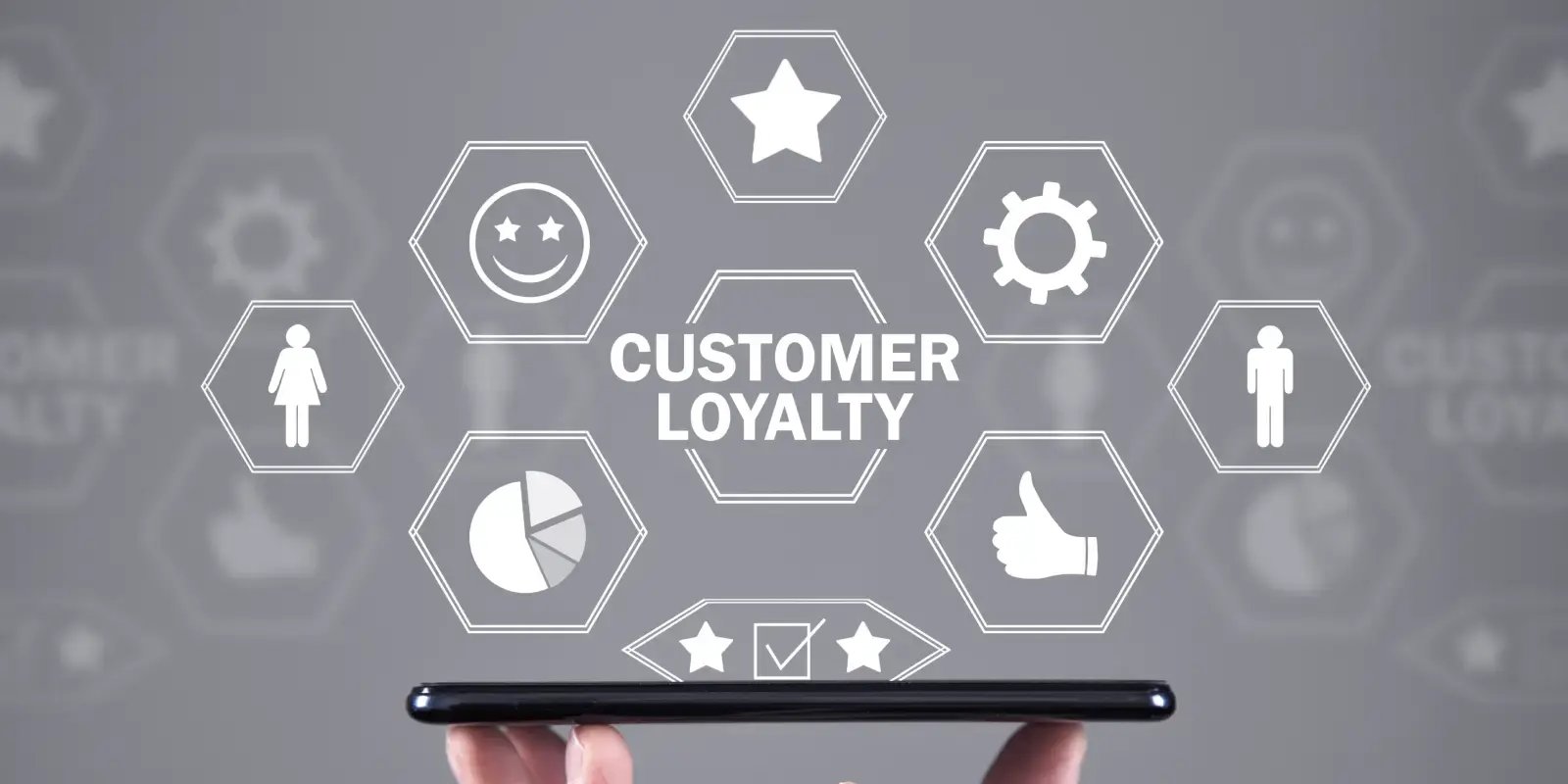
The App Stays Visible in Daily Life
- App icon stays in front of users daily
- Quick access encourages frequent use
- Brand becomes part of normal routines
Regular Engagement Builds Familiarity
- Simple actions become part of habits
- Repeated use increases brand trust
- Familiar flows reduce decision effort
Loyalty Programs Work Better Inside Apps
- Easy access to rewards and points
- Exclusive in app offers
- Progress tracking motivates repeat use
Timely Reminders Bring Users Back
- Reminders based on past activity
- Alerts about rewards or benefits
- Updates that match user interests
When Building a Mobile App Does Not Give You an Advantage
The App Does the Same Thing as the Website
Some businesses launch an app that simply copies their website. There are no extra features and no added convenience. Users see no reason to download or keep it.
- No features beyond the mobile website
- Same steps and same experience
- No clear benefit for the user
Customers Do Not Use Mobile for This Task
- Low demand for mobile interaction
- Tasks are complex and better on larger screens
- Customers prefer phone calls or in person service
The App Is Launched but Not Improved
- Bugs remain unfixed for long periods
- Features do not evolve with user needs
- Performance issues reduce usage
Poor Experience Pushes Users Away
- Long loading times
- Complicated navigation
- Frequent crashes or errors
How to Know If a Mobile App Can Become Your Competitive Advantage
Before investing in an app, it helps to step back and look at how your business actually runs. An app becomes powerful when it supports real customer behavior and real operational needs. If it only exists to follow a trend, it will struggle to deliver results.
Think about how often customers interact with your brand. Look at how quickly they need service. Consider how important repeat engagement and loyalty are to your growth.
Also review how your internal teams work each day. These signals show if a mobile app can move from being a simple digital tool to becoming a true business advantage.
Use this checklist to guide your thinking:
| Question | If Yes, an App May Be a Strong Strategic Move |
|---|---|
| Do customers interact with your business often? | An app supports frequent and easy engagement |
| Is speed important in purchases or service delivery? | An app reduces steps and saves time |
| Can personalized experiences improve results? | An app helps use customer data in smarter ways |
| Do field teams need instant access to information? | An app improves coordination and response time |
| Is long term customer retention a key goal? | An app helps build habits and ongoing loyalty |
- Apps work best when customer interaction is frequent
- Time sensitive services benefit strongly from mobile access
- Personalization becomes easier with app-based data
- Operational teams gain value from real time mobile tools
- Retention focused businesses see stronger long-term impact
To Sum Up
It should remove friction, support faster actions, and help build long term relationships. It should also give your business useful data that improves decisions and performance.
FAQ
No. An app makes sense only when it supports real customer behavior or business operations. If customers interact often, need quick access, or expect mobile convenience, an app can help. Without a clear purpose, it becomes an extra cost with little return.
A mobile app supports loyalty by making engagement easy and frequent.
- Quick access keeps the brand top of mind
- Rewards and offers are easier to manage
- Timely reminders bring users back regularly
A mobile website is good for access. A mobile app is better for ongoing engagement. Apps remember user preferences, store data, and send notifications. This creates a faster and more personal experience, which is hard to achieve through a browser alone.
You can look for practical signals inside your business.
- Customers interact with your service frequently
- Speed and convenience affect buying decisions
- Personalization can improve customer experience
- Teams need real time data outside the office