AGENTOPS SERVICES

Operate AI Agents With Clear Visibility in Production

Tech.us helps teams see how AI agents behave across real workflows and trace problems back to the step that caused them.
Our AgentOps services make it easier to evaluate changes before release, investigate failures faster, and keep production agents under control as they evolve.

1,500 +
26 +
30 +

TRUSTED BY ORGANIZATIONS THAT DEPEND ON TECHNOLOGY

WHEN AGENTS REACH PRODUCTION

Make Agent Behavior Visible Before You Depend on It

See how agents behave in real workflows before small issues become production problems.

See What Happened

Understand which steps the agent took and what happened at each point.

Find Where It Failed

Trace a weak result back to the model call, tool action, or workflow step that caused it.

Test Before You Release

Check important agent behaviors before a new prompt or model change reaches users.

Control High-Risk Actions

Add safeguards where an agent can affect business data or trigger a meaningful action.

AGENTOPS SERVICES

Operate AI Agents With More Visibility and Control

Put the right controls around production agents so teams can see what is happening and act when something changes.

AgentOps Consulting and Assessment

Review how your agents are built and operated today. Identify gaps in monitoring, testing, release control, and production ownership before deciding what AgentOps infrastructure is needed.

AI Agent Observability

See how agents behave across real production tasks. Track what they attempted and where performance begins to break down.

AI Agent Tracing

Follow individual agent runs step by step. Trace model calls and tool interactions so teams can investigate a result without reconstructing it manually.

AI Agent Evaluation and Testing

Build repeatable tests around the behaviors that matter. Evaluate whether changes improve the agent before those changes reach production.

AI Agent Guardrails

Put clear boundaries around what an agent may do. Stop or redirect behavior when the request falls outside the conditions the workflow is designed to support.

AI Agent Security

Reduce unnecessary exposure around agent tools and connected systems. Control what an agent can reach based on the role it performs.

AI Agent Version Control

Track changes to prompts and agent configurations so teams know which version produced a result and can compare behavior across releases.

AI Agent Governance

Define ownership and review requirements for production agents. Make it clear who is responsible when behavior changes or an agent needs intervention.

Managed AgentOps Services

Keep production oversight running after launch. Monitor agent performance and review operational issues without making internal teams own every AgentOps task themselves.

Selected Work

Technology Built for Real Operating Conditions

See how Tech.us turns business requirements into systems that work beyond the prototype stage.

View All Case Studies

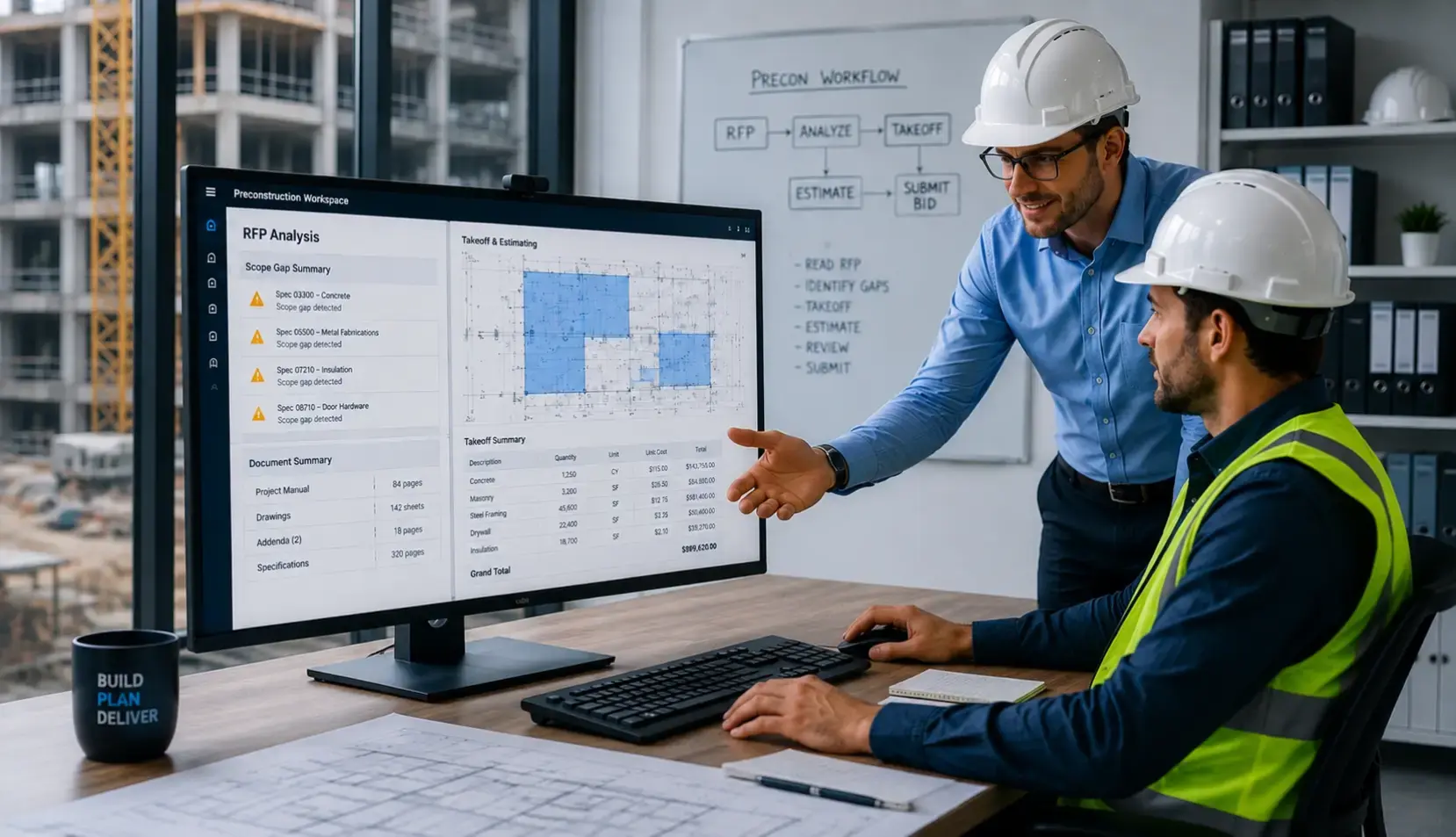
AI-Powered Takeoffs From Complex Construction Drawings

A precast concrete manufacturer partnered with Tech.us to bring AI into the estimating workflow. The system uses OCR, computer vision, and generative AI to identify, extract, and visualize structures, pipes, and components from complex construction drawings.

Read the Case Study
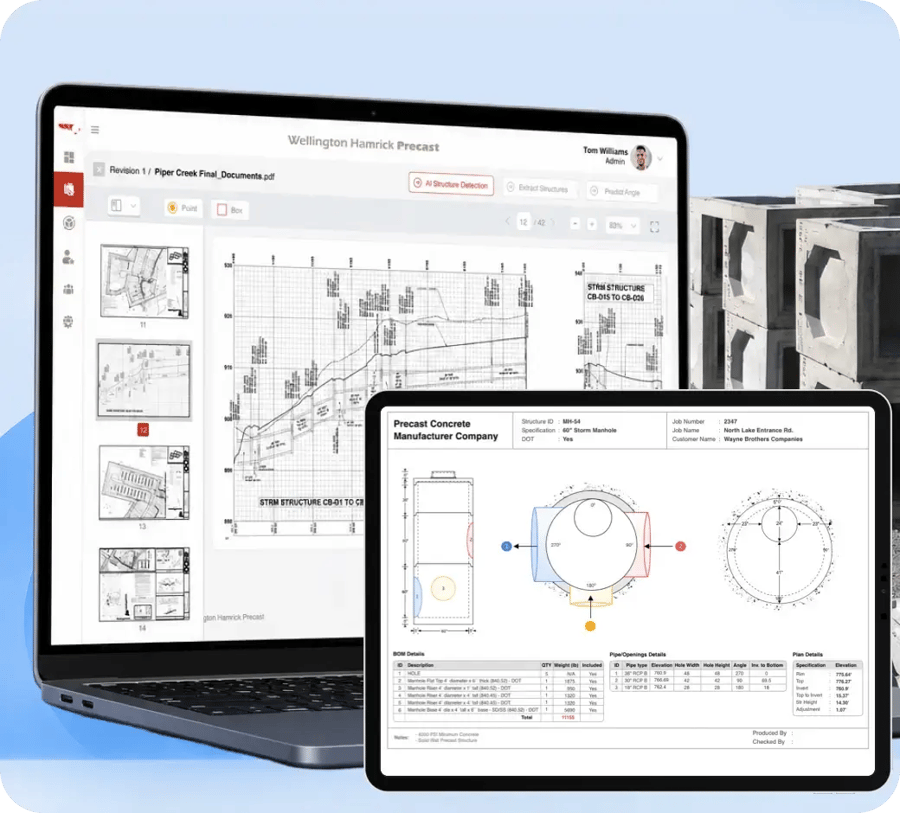

Wellington Hamrick Precast AI takeoff automation tool shown on laptop and tablet

Mobile Fleet Visibility Built for Field Operations

SkyHawk by TELUS needed a streamlined mobile experience for its Connect Anywhere platform. Tech.us built the core experience around real-time asset tracking, fleet activity, secure configuration, and map-based operational visibility.

Read the Case Study
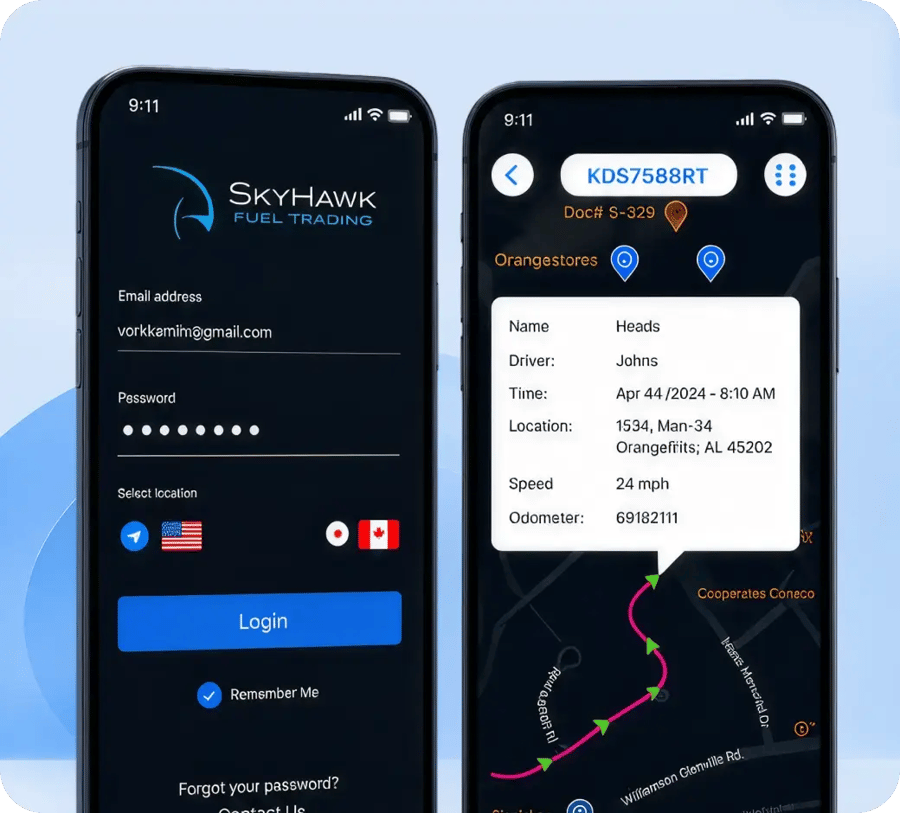

SkyHawk by TELUS mobile app screens showing fleet tracking and login

Personalized Financial Technology Built to Scale

Tech.us helped bring Wealth Mastery to life as a digital platform that puts personalized financial planning tools directly in users' hands while supporting a large and growing audience.

Read the Case Study
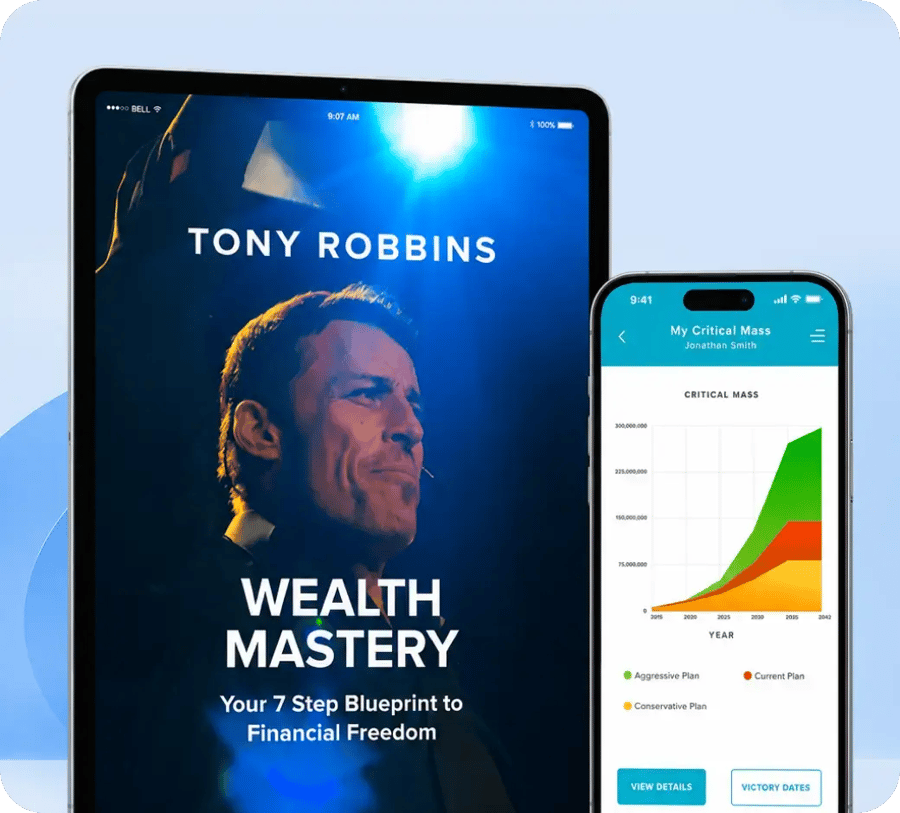
Tony Robbins Wealth Mastery app shown on tablet and phone

WHY TECH.US FOR AGENTOPS

We Treat the Agent as a Running System, Not Just a Model

We Trace the Whole Run

A poor result may come from retrieval or a failed tool call rather than the model itself. We make the full path visible.

We Evaluate Real Behaviors

Agent evaluation should reflect the work the agent is expected to complete, not a generic benchmark that has little connection to the workflow.

We Keep Releases Comparable

Changes are easier to manage when teams can compare the new agent behavior against the version already in production.

We Design for Investigation

When something goes wrong, teams need enough evidence to understand why without replaying the entire workflow from memory.

We Connect Controls to Risk

Not every action needs the same guardrail. Controls should become stricter as the consequence of the action increases.

We Plan for Production Ownership

Someone needs to know when an agent needs attention. We define that operational responsibility before the system becomes difficult to manage.

why-choose-techus

Do Not Let Production Become Your Test Environment

Put repeatable evaluation and release controls around agent changes before they reach real workflows.

Strengthen Your AgentOps

AGENTOPS VS MLOPS VS LLMOPS

Different AI Systems Need Different Operating Controls

AgentOps does not replace MLOps or LLMOps. Each manages a different part of the production AI stack.

MLOps

Best for: Machine learning models

Focuses on the lifecycle of predictive ML systems, from model deployment through monitoring and retraining.

What you manage

  • Model performance
  • Data drift
  • Training pipelines
  • Model releases
  • Retraining

LLMOps

Best for: LLM-powered applications

Focuses on running applications built around language models and keeping their behavior measurable as models or prompts change.

What you manage

  • Prompt versions
  • Model changes
  • Response quality
  • Evaluation
  • Latency and usage

AgentOps

Best for: AI agents that take multi-step actions

Focuses on what happens across the entire agent run, especially when an agent uses tools or makes decisions before completing a task.

What you manage

  • Agent traces
  • Tool calls
  • Task outcomes
  • Guardrails
  • Agent versions
  • Production failures

Where AgentOps Becomes Necessary

If your AI system... Primary operating layer
Predicts or classifies from data MLOps
Generates or analyzes language LLMOps
Plans and takes actions across multiple steps AgentOps
Uses an LLM inside an autonomous workflow LLMOps AgentOps
Combines ML models, LLMs, and agents MLOps LLMOps AgentOps

HOW WE WORK

Build the Operating Layer Around Real Agent Behavior

1

Map the Agent Flow

Identify the decisions and external actions involved in a complete run.

2

Define What Needs to Be Visible

Choose the events that need tracing so failures can be investigated later.

3

Establish Evaluation Cases

Build tests around the situations the agent is expected to handle in production.

4

Add Operational Controls

Introduce guardrails and permissions where the workflow needs stronger boundaries.

5

Connect Release Tracking

Keep prompt changes and configuration updates tied to a known version.

6

Monitor Production Behavior

Use real agent activity to find recurring failures and prioritize what needs improvement.

AI AGENT OBSERVABILITY AND TRACING

See the Path Behind Every Important Agent Result

Make every important agent action easier to trace from the first model call to the final outcome.

Trace Model Decisions

See which model interaction influenced the next step in the workflow.

Follow Tool Calls

Understand which external function was called and what came back.

Inspect Handoffs

Check what context moved between agents or between stages of the same workflow.

Measure Failures by Step

Find where unsuccessful runs cluster instead of treating every failure as one generic agent problem.

AI AGENT EVALUATION

Test the Behaviors That Matter Before Users Find the Problems

Use real scenarios to check whether agent changes improve performance without creating new issues.

Build Cases From Real Work

Evaluate the agent with scenarios that resemble the requests it will actually receive.

Compare Releases

Check whether a new version improves important behaviors without damaging existing ones.

Test Failure Conditions

Include incomplete input and unsupported requests instead of testing only ideal cases.

Review Production Misses

Turn recurring production failures into evaluation cases so the same weakness can be tested before future releases.

RELEASE CONTROL

Know What Changed When Agent Behavior Changes

Track prompts and configuration changes so every release can be compared and understood.

Version the Agent Configuration

Keep important configuration changes tied to an identifiable release.

Track Prompt Changes

Make prompt edits visible instead of treating them as unrecorded production tweaks.

Compare Before and After

Run the same evaluation set against different versions to understand what actually improved.

Roll Back With Context

Know which previous configuration behaved better when a new release introduces a problem.

GOVERNANCE & SECURITY

Put Controls Where Agent Actions Can Affect the Business

Set clear limits around what agents can access, what they can do, and when people need to step in.

Restrict Tool Access

Give each agent access only to the functions its role requires.

Protect Sensitive Context

Limit which data can become available during an agent run.

Require Approval When Needed

Keep higher-impact actions behind a human decision point.

Keep Activity Reviewable

Maintain enough evidence to understand what the agent did when a production event needs investigation.

PRODUCTION OPERATIONS

Know When the Agent Needs Attention

Monitor the signals that show when an agent is stuck, failing, or using more resources than expected.

Failed Runs

See when the agent cannot complete the workflow it was expected to handle.

Repeated Retries

Find loops or recurring attempts that indicate the agent is not progressing.

Tool Errors

Separate failures in connected systems from problems in the agent's reasoning.

Unexpected Behavior

Identify patterns that fall outside the workflow the agent was designed to support.

Cost Changes

Track whether changes in agent behavior are increasing the amount of model usage required to complete the same task.

TECH STACK

Build AgentOps Around the Agents You Already Run

Your AgentOps layer should work with the models and agent frameworks already behind the application.

Agentic AI & Orchestration

Agentic AI Agentic AI
AI Agents AI Agents
Multi-Agent Systems Multi-Agent Systems
Agentic Workflow Automation Agentic Workflow Automation
Model Context Protocol (MCP) Model Context Protocol (MCP)
Agent-to-Agent Protocol (A2A) Agent-to-Agent Protocol (A2A)
Agent Memory and Reasoning Agent Memory and Reasoning

FAQ

Questions Buyers Ask About AgentOps Services

AgentOps services provide the operational practices and tooling needed to manage AI agents in production. They help teams understand what agents are doing and evaluate changes before release. They also provide the controls needed when an agent behaves unexpectedly. 

Traditional monitoring can show whether an application is running. AI agent observability needs to show how an agent moved through a task and where its behavior changed during the run.

AI agent tracing records the important steps inside an agent run. This can include model interactions or external tool activity. The trace helps teams understand how the agent reached a particular result.

Production users create situations that may not appear during development. Those failures can become new evaluation cases so teams can test whether future changes actually solve the problem.

Guardrails should focus on behaviors that create real risk. That may mean preventing unsupported actions or stopping a workflow when required information is missing.

AI agent version control records important changes to the configuration that affects agent behavior. It helps teams identify which version produced a result and compare releases when behavior changes.

Managed AgentOps services are useful when agents are already running in production but the internal team does not want to own continuous monitoring and operational review by itself.

Start with how important the agent's actions are and how difficult failures are to investigate today. If the team cannot reliably explain a production result or compare one release with another, the operating layer likely needs more structure.

Give Your AI Agents Room to Grow Without Losing Control

Build an AgentOps layer that can support more workflows, more releases, and more production activity over time.

Explore Your AgentOps Roadmap

Tracing · Evaluation · Release control · Production oversight