AI IMPLEMENTATION SERVICES

Turn AI Use Cases Into Working Solutions

Tech.us helps organizations turn defined AI use cases into working solutions connected to the systems, data, and workflows they already use.
We handle the implementation and integration needed to move AI from a concept or prototype into reliable day-to-day use.

0 +
0 +
0 +

TRUSTED BY ORGANIZATIONS THAT DEPEND ON TECHNOLOGY

WHAT AI IMPLEMENTATION CHANGES

Turn an AI Use Case Into Something the Business Can Actually Use

A working model is only one part of implementation. The real work is connecting it to the right information, putting it inside the workflow, and making the output useful to the people responsible for what happens next.

Put AI Inside the Workflow

Bring AI into the tools and processes people already use instead of creating another disconnected system.

Reduce Manual Handoffs

Use AI where repeated review, lookup, classification, or routing is slowing work down.

Make Outputs Easier to Act On

Deliver AI results in the context where a person or system can actually use them.

Create a Clear Path to Adoption

Design the implementation around how teams will use the solution after the initial rollout, not just how well it performs in a demo.

OUR SERVICES

Implement AI Around the Systems and Workflows You Already Have

We take an AI use case from technical feasibility into production by addressing the application, data, integration, and operating work around it.

AI Implementation Strategy and Readiness

Define what needs to be in place before development starts. We review the use case, available data, existing systems, ownership, and operating requirements to identify gaps early.

AI Workflow Integration

Embed AI into the point where the work actually happens. That may mean adding intelligence to an existing application or connecting a model to a larger business process.

Generative AI and LLM Implementation

Put language models to work on defined business tasks such as document analysis, information retrieval, content assistance, or internal knowledge access.

AI Agent Implementation

Implement agents that can gather information, use connected tools, or complete approved workflow steps. We define what the agent can do independently and where a person needs to remain involved.

RAG and Enterprise Knowledge Integration

Connect AI to the internal information it needs without relying only on what a model already knows. We design retrieval around the sources employees actually depend on.

Enterprise System Integration

Connect AI with the applications that carry the data or actions required by the use case, including internal APIs, databases, CRM, ERP, or other business systems.

Human Review and Approval Workflows

Build clear review points into AI-assisted processes when the final decision should remain with a person.

AI Deployment, Monitoring, and Optimization

Move the solution into production with visibility into how it performs. We monitor output quality and system behavior so problems can be found after real usage begins.

Selected Work

Technology Built for Real Business Requirements

See how Tech.us turns complex business needs into practical solutions designed for real-world use.

View All Case Studies

AI-Powered Takeoffs From Complex Construction Drawings

A precast concrete manufacturer partnered with Tech.us to bring AI into the estimating workflow. The system uses OCR, computer vision, and generative AI to identify, extract, and visualize structures, pipes, and components from complex construction drawings.

Read the Case Study
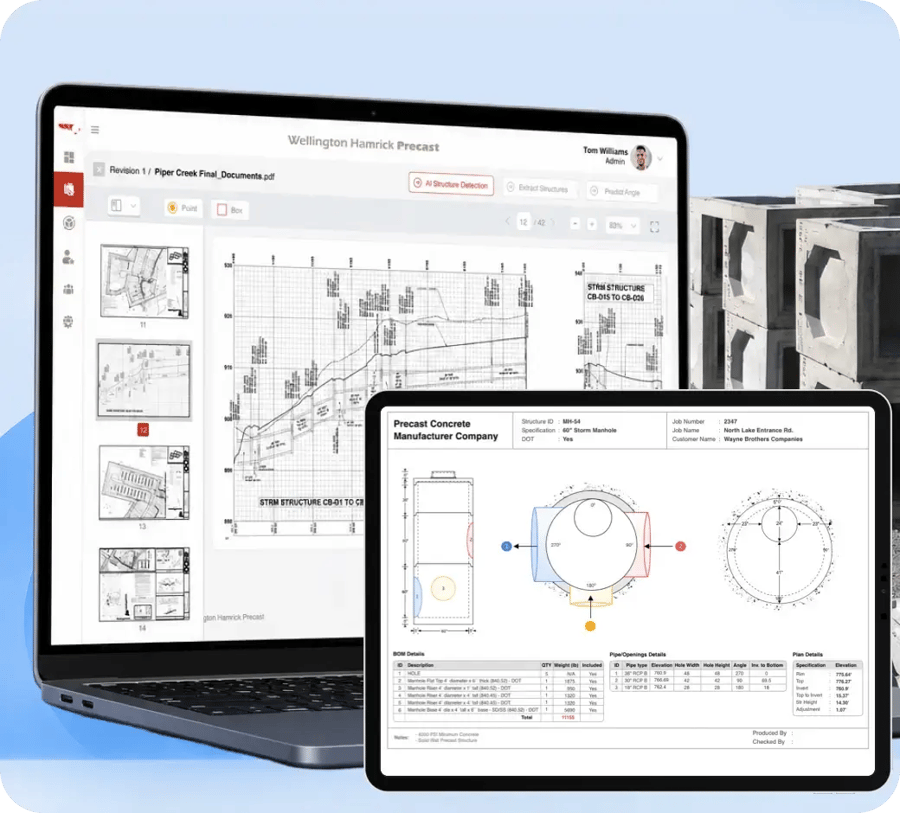

Wellington Hamrick Precast AI takeoff automation tool shown on laptop and tablet

Mobile Fleet Visibility Built for Field Operations

SkyHawk by TELUS needed a streamlined mobile experience for its Connect Anywhere platform. Tech.us built the core experience around real-time asset tracking, fleet activity, secure configuration, and map-based operational visibility.

Read the Case Study
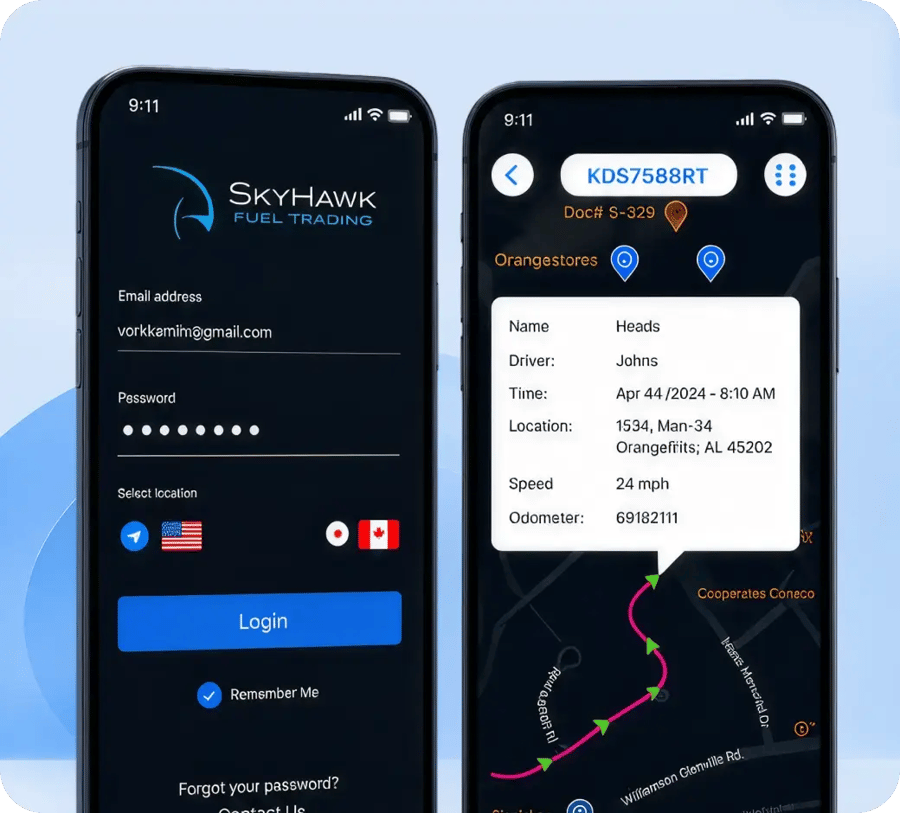

SkyHawk by TELUS mobile app screens showing fleet tracking and login

Personalized Financial Technology Built to Scale

Tech.us helped bring Wealth Mastery to life as a digital platform that puts personalized financial planning tools directly in users' hands while supporting a large and growing audience.

Read the Case Study
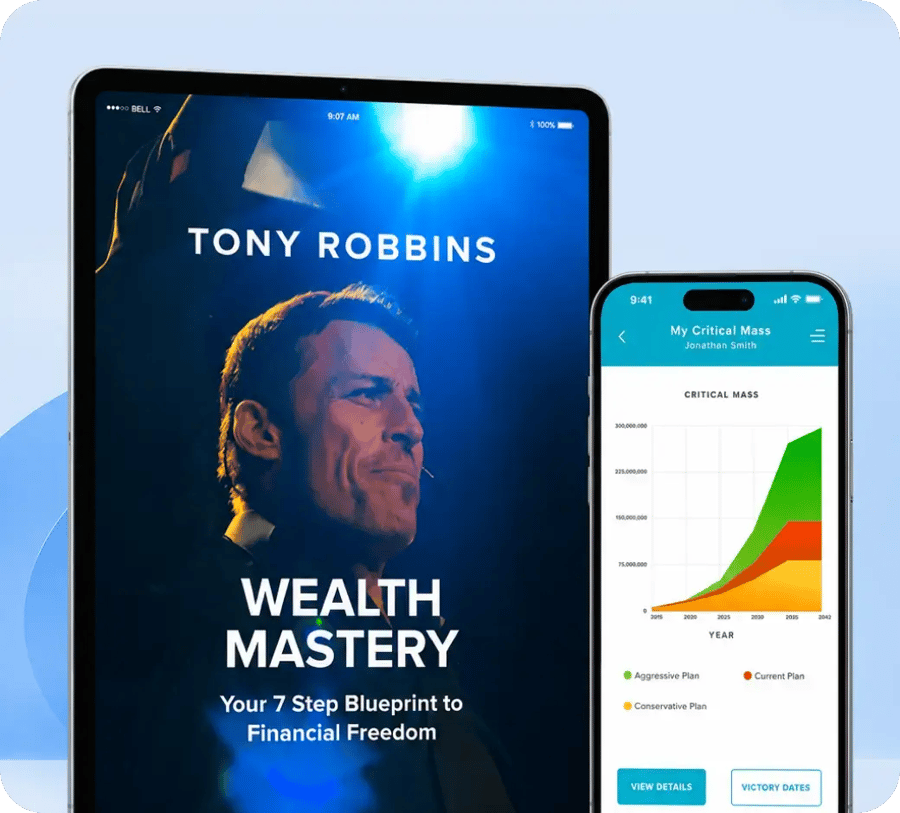
Tony Robbins Wealth Mastery app shown on tablet and phone

WHY TECH.US FOR AI IMPLEMENTATION

Build Around What Happens After the Model Works

AI implementation succeeds or fails in the systems and workflows around the model. We focus on the work required to make the solution usable once it reaches real users.

We Start With the Job AI Needs to Do

We define the decision or task before choosing how AI should be used. This keeps implementation tied to a clear business purpose.

We Work With Existing Systems

Most organizations do not need another standalone AI tool. We design around the applications and data sources already involved in the workflow.

We Define Where People Stay Involved

Not every step should be automated. We establish where AI can act independently and where review or approval still belongs with a person.

We Test Beyond Model Accuracy

A technically strong model can still fail inside the workflow. We test how the complete solution behaves with real inputs and operating conditions.

We Plan for Change After Launch

Models, data, and business requirements do not stay fixed. Monitoring and adjustment are part of the implementation rather than an afterthought.

We Stay Through Production Rollout

The first production release is where new issues become visible. We can remain involved as usage grows and the implementation is refined around what teams actually experience.

why-choose-techus

HOW WE IMPLEMENT AI

Move From a Defined Use Case to Production in Controlled Steps

Implementation works better when each stage proves something useful before the next one begins.

1

Define the Job AI Will Do

We clarify the workflow, the expected outcome, and who will use or act on the result.

2

Map the Systems Around It

We identify where the required information lives and which applications need to receive or respond to the AI output.

3

Prepare the Data and Access

We make sure the implementation can reach the context it needs without giving the solution broader access than the use case requires.

4

Build and Integrate

We implement the AI capability and connect it to the surrounding application or workflow. 

5

Test With Real Operating Conditions

We evaluate the complete system using realistic inputs, edge cases, user behavior, and the handoffs that occur around the AI.

6

Roll Out and Monitor

We move the solution into production in a controlled way, then track how it performs once real users and live data are involved.

IMPLEMENTATION READINESS

Is This AI Use Case Ready to Go Into Production?

Not every successful prototype should immediately become a production system. The next step depends on how much is known about the workflow around it.

Implement When the Job Is Clear

Move forward when the outcome is defined, the required information is available, and ownership of the final decision or action is clear.

Pilot When Important Questions Are Still Open

Run a controlled pilot when the use case looks promising but output quality, user behavior, or workflow fit still needs to be tested.

Wait When the Process Itself Is Not Ready

Hold implementation when the workflow lacks clear ownership or a consistent way to handle the result, because AI will not resolve those gaps on its own.

Ready to Make AI Part of Everyday Operations?

Move beyond testing and build the integration needed for teams to use AI where the work actually happens.

Talk To Our AI Expert

WAYS TO WORK WITH TECH.US

Start With the Stage Your AI Initiative Has Already Reached

You may have a use case that still needs validation or a working prototype that now needs production engineering. The engagement can begin at either point.

AI Implementation Readiness Assessment

Review the use case, workflow, data, integrations, and operating requirements before committing to a larger implementation. The outcome is a clearer view of what needs to be built and what needs to be resolved first.

Focused AI Implementation

Take one defined use case into production. This works well when the business problem is already clear and the remaining challenge is making the AI work inside the existing environment.

Enterprise AI Rollout

Extend proven AI capabilities across additional workflows or teams while keeping integration and monitoring consistent as adoption grows.

RECOGNITION

Recognized for Consistent Technology Delivery

Tech.us has been recognized by leading industry platforms for the quality and consistency of its technology work.
Mobile App Daily — Top Web Development Company
DesignRush — Top AI Development Company
Mobile App Daily — Top AI Company
TechReviewer — Top Mobile App Developers
TechReviewer Award

TECH STACK

Technology Selected Around the AI System You Need to Operate

We work across commercial and open-source AI models as well as the application, data, cloud, and integration technologies required to put them into production.

The stack depends on what the use case needs to access, how quickly it must respond, where sensitive information can be processed, and how the solution will be monitored after launch.

Agentic AI & Orchestration

Agentic AI Agentic AI
AI Agents AI Agents
Multi-Agent Systems Multi-Agent Systems
Agentic Workflow Automation Agentic Workflow Automation
Model Context Protocol (MCP) Model Context Protocol (MCP)
Agent-to-Agent Protocol (A2A) Agent-to-Agent Protocol (A2A)
Agent Memory and Reasoning Agent Memory and Reasoning

FAQ

Questions Buyers Ask About AI Implementation

AI implementation services cover the work required to put an AI capability into practical business use. That can include connecting the model to company data, integrating it with existing software, designing the workflow around the output, setting up appropriate controls, and operating the solution after it reaches production.

AI development focuses on creating or configuring the AI capability itself. Implementation deals with what has to happen around that capability for it to work inside the business. A model may already exist, but it still needs access to the right information and a place inside the workflow where its output can be used.

Not necessarily. Many implementation projects can use existing commercial or open-source models. A custom model is more appropriate when the use case requires capabilities that available models cannot provide effectively. We make that decision based on the problem rather than assuming custom development is always necessary.

Yes. AI can often be added to an existing application or workflow without replacing the underlying system. The implementation depends on what interfaces are available and where the relevant data or actions sit.

The most important starting point is a clearly defined use case. You should also understand what information the AI will need and who is responsible for the outcome. Technical questions such as integration and model selection can then be solved around that operating context.

Security needs to be designed around how the implementation uses data. That includes deciding what information can be sent to a model and controlling which systems the AI can access. The appropriate design depends on the sensitivity of the data and the deployment environment.

We identify where a person should review or approve an AI result before the workflow moves forward. Human involvement can be added at individual decision points rather than treating the entire process as either fully manual or fully automated.

The timeline depends on how much of the surrounding workflow already exists. Adding AI to a well-defined application with accessible data is very different from implementing a use case that first requires new data pipelines or connections across several systems. We define the implementation path after reviewing those dependencies.

Cost depends on the scope of the use case and the engineering required around it. A focused implementation using an existing model can have a very different scope from an enterprise system that requires multiple integrations, approval logic, custom data pipelines, and ongoing monitoring.

Production usage provides information that cannot always be learned during development. We can continue monitoring the system and address issues that appear with real inputs. The implementation can also be adjusted as user behavior or business requirements change.

Make AI Implementation Pay Off in Daily Operations

Connect AI to the work where faster execution and lower manual effort can translate into clear business value.

Talk To Our AI Expert