MULTI-AGENT SYSTEMS

Leverage Multiple AI Agents Without Adding More Complexity

Tech.us builds multi-agent systems where specialized agents take on defined parts of a larger business process without making the overall workflow harder to manage.
For workflows that need more than one role, we design multi agent ai systems with clear responsibilities and controlled handoffs from one step to the next.

1,500 +
26 +
30 +

TRUSTED BY ORGANIZATIONS THAT DEPEND ON TECHNOLOGY

WHAT MULTI-AGENT SYSTEMS CHANGE

Divide Complex Work Without Breaking the Workflow Apart

Use separate agents where specialization creates a real advantage while keeping the full process connected.

Give Each Agent a Clear Responsibility

Separate work that needs different instructions or different system access instead of making one agent handle everything.

Keep Handoffs Defined

Decide exactly what one agent needs to pass forward before the next agent begins its part of the task.

Run Independent Work in Parallel

Let separate agents work at the same time when one task does not depend on another being completed first.

Keep One Definition of Done

A multi-agent system still needs one clear outcome even when several agents contribute to it.

MULTI-AGENT AI SERVICES

Build Each Agent Around a Job the Workflow Actually Needs

Our multi-agent services start with the process itself. We add another agent only when separating the responsibility makes the system easier to operate or improve.

Multi-Agent AI Consulting

Determine whether the workflow really needs several agents before investing in the architecture. We identify where specialization creates value and where one capable agent would remain the simpler choice.

Multi-Agent Architecture Design

Design agent roles before implementation begins. Our approach to multi agent architecture defines ownership between agents and establishes how responsibility moves through the system.

Custom Multi-Agent System Development

Build a multi-agent system around a business process that genuinely benefits from specialized roles rather than forcing several agents into work that one could handle.

Multi-Agent Orchestration Services

Control how agents are selected and how work moves between them. multi-agent orchestration gives the overall workflow a predictable path instead of allowing agents to coordinate without clear boundaries.

Supervisor / Orchestrator Agent Development

Create a supervisor agent that decides which specialist should work next without making the supervisor responsible for performing every task itself.

Multi-Agent Workflow Development

Turn a multi-step process into a controlled multi agent workflow with clear inputs and completion conditions for every agent involved.

Multi-Agent LLM Systems

Build workflows where different LLM-based agents handle distinct responsibilities. A multi agent llm design can use different instructions or tools when those differences improve the result.

Enterprise Multi-Agent AI Solutions

Fit multi-agent systems around existing business applications so agents can participate without bypassing the processes already controlling important work.

Multi-Agent System Implementation

Move the design into production by connecting agents to real applications and operating controls rather than stopping at a prototype.

Selected Work

Systems Built Around Real Business Requirements

See how Tech.us turns complex technology requirements into working products and operational systems.

View All Case Studies

AI-Powered Takeoffs From Complex Construction Drawings

A precast concrete manufacturer partnered with Tech.us to bring AI into the estimating workflow. The system uses OCR, computer vision, and generative AI to identify, extract, and visualize structures, pipes, and components from complex construction drawings.

Read the Case Study
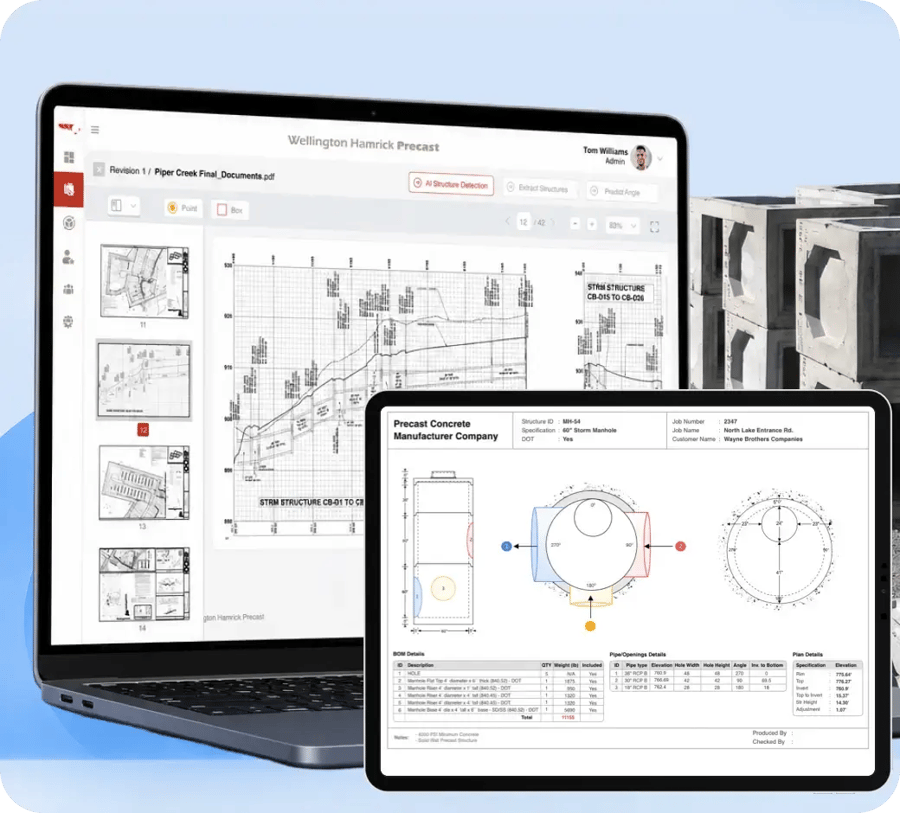

Wellington Hamrick Precast AI takeoff automation tool shown on laptop and tablet

Mobile Fleet Visibility Built for Field Operations

SkyHawk by TELUS needed a streamlined mobile experience for its Connect Anywhere platform. Tech.us built the core experience around real-time asset tracking, fleet activity, secure configuration, and map-based operational visibility.

Read the Case Study
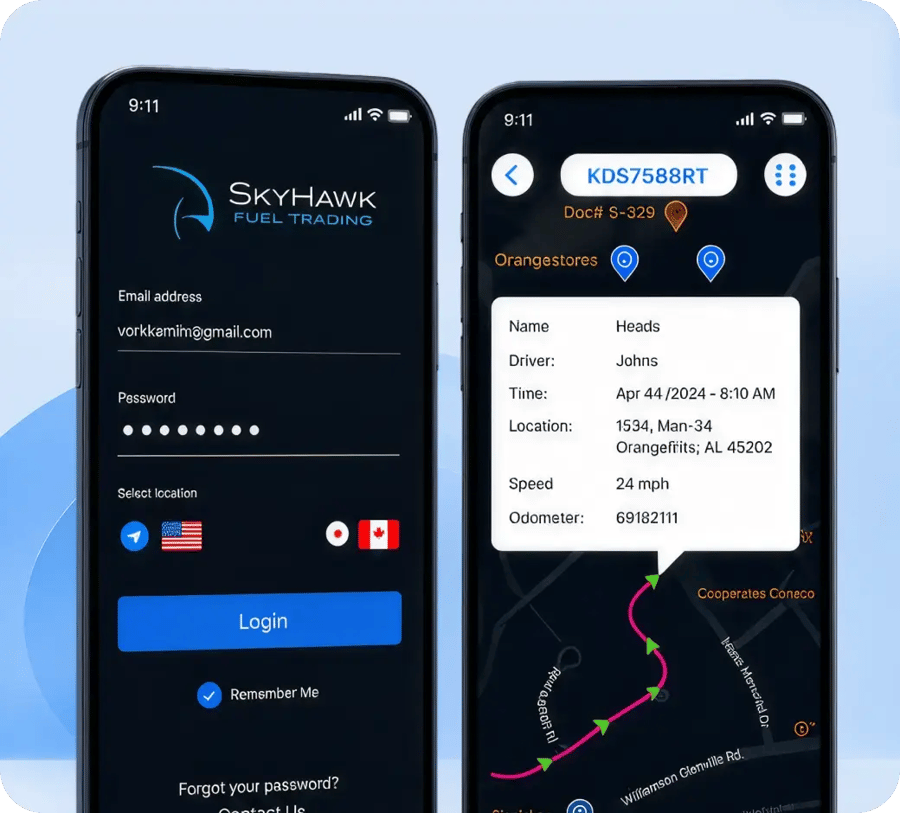

SkyHawk by TELUS mobile app screens showing fleet tracking and login

Personalized Financial Technology Built to Scale

Tech.us helped bring Wealth Mastery to life as a digital platform that puts personalized financial planning tools directly in users' hands while supporting a large and growing audience.

Read the Case Study

Tony Robbins Wealth Mastery app shown on tablet and phone

WHY TECH.US FOR MULTI-AGENT AI

More Agents Should Make the Work Clearer, Not the Architecture Harder

We keep multi-agent systems focused on defined responsibilities rather than adding agents simply because the architecture allows it.

We Start With the Work

We map the business process before deciding how many agents belong in it.

We Give Every Agent a Boundary

Each agent needs a clear reason to exist and a clear point where its responsibility ends.

We Keep Coordination Explicit

Handoffs are designed into the workflow instead of depending on agents to decide everything through open-ended conversation.

We Limit Shared Context

Agents receive the information required for their role instead of inheriting every detail produced by every other agent.

We Separate Coordination From Execution

The component deciding what happens next does not automatically need to perform the underlying work.

We Test the System as One Workflow

Strong individual agents are not enough. We test whether the entire process reaches the intended business outcome.

why-choose-techus

Add New Agent Roles Without Reworking the Whole System

Create an orchestration layer that makes it easier to introduce new specialists as the workflow grows.

Talk To Our AI Expert

HOW WE WORK

Design the Responsibility Map Before Building the Agents

The architecture starts by deciding where work should stay together and where separating it creates a stronger system.

1

Map the Process

Identify the work from the initial request through the final business outcome.

2

Find Real Role Boundaries

Separate stages only when they require a meaningful difference in expertise or system access.

3

Define Agent Contracts

Specify what each agent receives and what it must produce before the workflow can continue.

4

Build the Orchestration

Create the routing and state management needed to move work through the system.

5

Test Complete Scenarios

Evaluate normal workflows and the situations where an agent cannot complete its responsibility.

6

Deploy With Operational Controls

Connect the system to production applications and make agent activity visible enough to investigate after launch.

AGENT VS MULTI AGENT

Add Another Agent Only When It Creates a Useful Boundary

The agent vs multi agent decision should be based on the work, not on how sophisticated the final architecture looks.

Stay With One Agent

Use one agent when the same context and permissions can support the task from beginning to end.

Separate Different Responsibilities

Add another agent when part of the workflow needs a genuinely different job or set of instructions.

Separate Different Permissions

Use distinct agents when one role may only retrieve information while another is permitted to prepare an action.

Separate Parallel Work

Use multiple agents when independent tasks can run at the same time and then be brought back together.

MULTI-AGENT ORCHESTRATION

Keep Every Agent Clear on What Happens Next

multi agent orchestration controls how responsibility moves through the workflow so agents do not have to negotiate the process themselves.

Route to the Right Agent

Choose the specialist based on what the current task requires.

Pass the Right Context

Send only the information the next agent needs to complete its responsibility.

Maintain Workflow State

Track what has already happened so agents do not repeat completed work.

Control Retries

Decide what should change before an unsuccessful agent is allowed to try the same step again.

Escalate When Needed

Return control to a person when the workflow reaches a situation the agents were not designed to resolve.

ORCHESTRATION ARCHITECTURE

Choose the Coordination Model Before You Choose the Framework

A multi agent framework should support the way responsibility needs to move through the system, not dictate the workflow simply because a feature exists.

Supervisor-Led

Use one orchestrator when a central component needs to decide which specialist acts next.

Rule-Based Routing

Use explicit workflow logic when the next agent can be selected from known business conditions.

Sequential Handoffs

Move work from one specialist to another when each stage depends on the result produced before it.

Parallel Execution

Run multiple agents at once when their work can happen independently.

Orchestration Platform

A multi agent orchestration platform can provide shared infrastructure for routing and workflow state when several multi-agent use cases need the same operating layer.

SUPERVISOR AGENTS

Coordinate the Work Without Turning the Supervisor Into Another Generalist

The supervisor should manage responsibility across the system rather than becoming one more agent expected to understand every task in detail.

Assign the Work

Send each task to the agent designed to handle that responsibility.

Check Completion

Confirm that the required result exists before allowing the workflow to advance.

Redirect When Necessary

Choose a different specialist when the current agent cannot complete the request.

Close the Workflow

Determine when the work is complete or when a person needs to take over.

CONTEXT & STATE

Share Enough Context to Coordinate Without Sharing Everything

multi-agent systems need shared state, but every agent does not need the full history of every other agent.

Preserve Workflow State

Keep the information required to understand where the task currently stands.

Keep Context Role-Specific

Give each agent the material required for its own responsibility.

Store Important Outputs

Preserve results that another agent needs later rather than relying on conversation history alone.

Keep Sources Traceable

Make it possible to determine where important information entered the workflow when a result needs review.

Multi-Agent AI Architecture

Keep the Architecture Understandable as More Agents Are Added

Multi-agent AI should make responsibilities more distinct rather than spreading the same responsibility across more components.

Agent Roles

Define one clear responsibility for each agent before adding tools or model behavior.

Agent Interfaces

Specify what information agents exchange instead of passing loosely structured messages between every component.

Shared Services

Keep common capabilities outside individual agents when several roles depend on the same function.

Workflow Ownership

Make one component responsible for knowing whether the overall task has actually finished.

MULTIAGENT WORKFLOWS WITH LLMs

Use Different LLM Roles Only Where the Work Is Actually Different

A multiagent LLM workflow can separate tasks such as research or review when each stage benefits from different instructions.

  1. Specialized Instructions

    Give each agent a prompt built around the job it performs instead of maintaining one large prompt for every possible task.

  2. Different Model Choices

    Use different models when one stage has different requirements from another rather than forcing the same model across the entire workflow.

  3. Controlled Handoffs

    Move structured outputs between agents so the next stage receives what it needs without interpreting unnecessary conversation history.

  4. Unified Result

    Bring outputs back into one coherent result before the workflow reaches the user or business system.

WHEN THE AGENTS NEED TO LEARN

Do Not Confuse Workflow Orchestration With Multi-Agent Learning

multi agent reinforcement learning solves a different class of problem from the enterprise workflows most multi-agent business systems handle.

Learning Through Interaction

Use multi agent reinforcement learning when agents need to learn behavior through repeated interaction with an environment rather than follow a designed business workflow.

Shared Environments

The approach can make sense when one agent's actions affect the conditions faced by other agents.

Reward-Driven Behavior

Agents improve through reward signals instead of relying only on explicit workflow rules.

Use It for the Right Problem

Most enterprise automation does not need reinforcement learning. Clear orchestration is often easier to control when the workflow is already known.

Multi-Agent Copilots

Put Several Specialists Behind One User Experience

A multi-agent copilot can give the user one place to work while specialized agents handle different responsibilities behind the interface.

  • Route by Intent

    Send the request to the specialist best suited to handle it.

  • Keep Internal Coordination Hidden

    The user should not need to manage which agent participates in each step.

  • Combine the Work

    Bring specialist outputs together before presenting the result.

  • Keep Human Decisions With People

    Use the multi-agent system to support the task without silently taking ownership of decisions that belong to the user.

ENTERPRISE WORKFLOWS

Fit Multi-Agent Systems Around Existing Business Responsibility

Enterprise multi-agent design works best when agent roles reflect the real boundaries already present in the process.

ERP Workflows

Use specialized agents for different parts of an ERP process while keeping the ERP responsible for the underlying business records.

Cross-System Processes

Allow agents to work with different applications without giving every agent access to every system involved.

Controlled Actions

Give individual agents only the actions required for their part of the workflow.

Human Approval

Keep higher-impact actions behind the person who already owns the business decision.

TECH STACK

Choose Technology Around the Coordination Problem

The right technical stack depends on how agents need to share state and how tightly the workflow needs to be controlled.

Agentic AI & Orchestration

Agentic AI Agentic AI
AI Agents AI Agents
Multi-Agent Systems Multi-Agent Systems
Agentic Workflow Automation Agentic Workflow Automation
Model Context Protocol (MCP) Model Context Protocol (MCP)
Agent-to-Agent Protocol (A2A) Agent-to-Agent Protocol (A2A)
Agent Memory and Reasoning Agent Memory and Reasoning

FAQ

Questions Buyers Ask About Multi-Agent Systems

A multi-agent system uses more than one agent to complete a larger task. Each agent has a defined responsibility while the overall workflow controls how their work fits together.

multi-agent orchestration is the coordination layer that decides which agent should work next and what context should move with the task. It also tracks workflow state so the system knows what has already been completed.

multi-agents make sense when distinct parts of the workflow require different responsibilities or different permissions. If one agent can handle the full task reliably, adding more agents usually creates unnecessary coordination.

A multi agent workflow is a process where responsibility moves between multiple agents as the task progresses. The workflow defines which agent owns each stage and what result must be produced before the next stage begins.

multi agent architecture defines how agents are separated and how they communicate. It also determines how the system keeps track of shared workflow state.

A multi agent framework provides technical components for building and coordinating multiple agents. The framework can help with routing or shared state, but the business workflow still needs to define why each agent exists.

A multi agent orchestration platform becomes useful when several workflows need a common way to route tasks and maintain state. A smaller use case may be easier to operate with a simpler orchestration layer.

No. A multi-agent system is useful when separation creates a clear benefit. One capable agent is usually the better design when the work does not require different roles or operating boundaries.

Get the Benefit of Multiple Agents Without Making the Workflow Harder

Build a multi-agent system where each role has a purpose and the whole process still behaves like one system.

Discuss Your Multi-Agent Use Case

Agent roles · Orchestration · Workflow state · Enterprise integration